
MOROCCO · FOOD PRICES
Key Facts
- The country Morocco, in North Africa, sends most of its fresh tomato exports to the European Union.
- Background In April 2026, with tomatoes near 15 Moroccan dirhams (US$1.54) a kilogram, Morocco halted exports to Africa.
- Why now Lower yields in Souss-Massa, the main growing region, and dearer fertiliser and fuel pushed prices up.
- What happened On Thursday 5 November 2026 African-bound tomato shipments were halted; Europe is exempt.
- For you US shelves are unlikely to feel it, since Europe takes most Moroccan tomatoes.
- Still open How long the halt lasts and which African countries lose supply are not public.
Morocco has stopped tomato exports to African markets to bring down prices at home, while shipments to Europe go on, according to the head of the federation that represents Moroccan fruit and vegetable exporters and a government source. Exporters serving African buyers were told of the decision on Thursday 5 November 2026.
The halt has no announced end date, but the government source, who asked not to be named, called it temporary and said exports to Africa would resume soon. The report rests on those two accounts, so the scope of the measure should be read as provisional.
Why Prices Rose
In April 2026 tomato prices neared 15 Moroccan dirhams (about US$1.54) a kilogram, at the Bank Al-Maghrib central-bank reference rate of 9.7559 dirhams per US dollar on 5 November 2026. A trade source then said the export-control body under the Agriculture Ministry had halted tomato exports to Europe and Africa, while the federation described a temporary freeze on some segments rather than a ban.
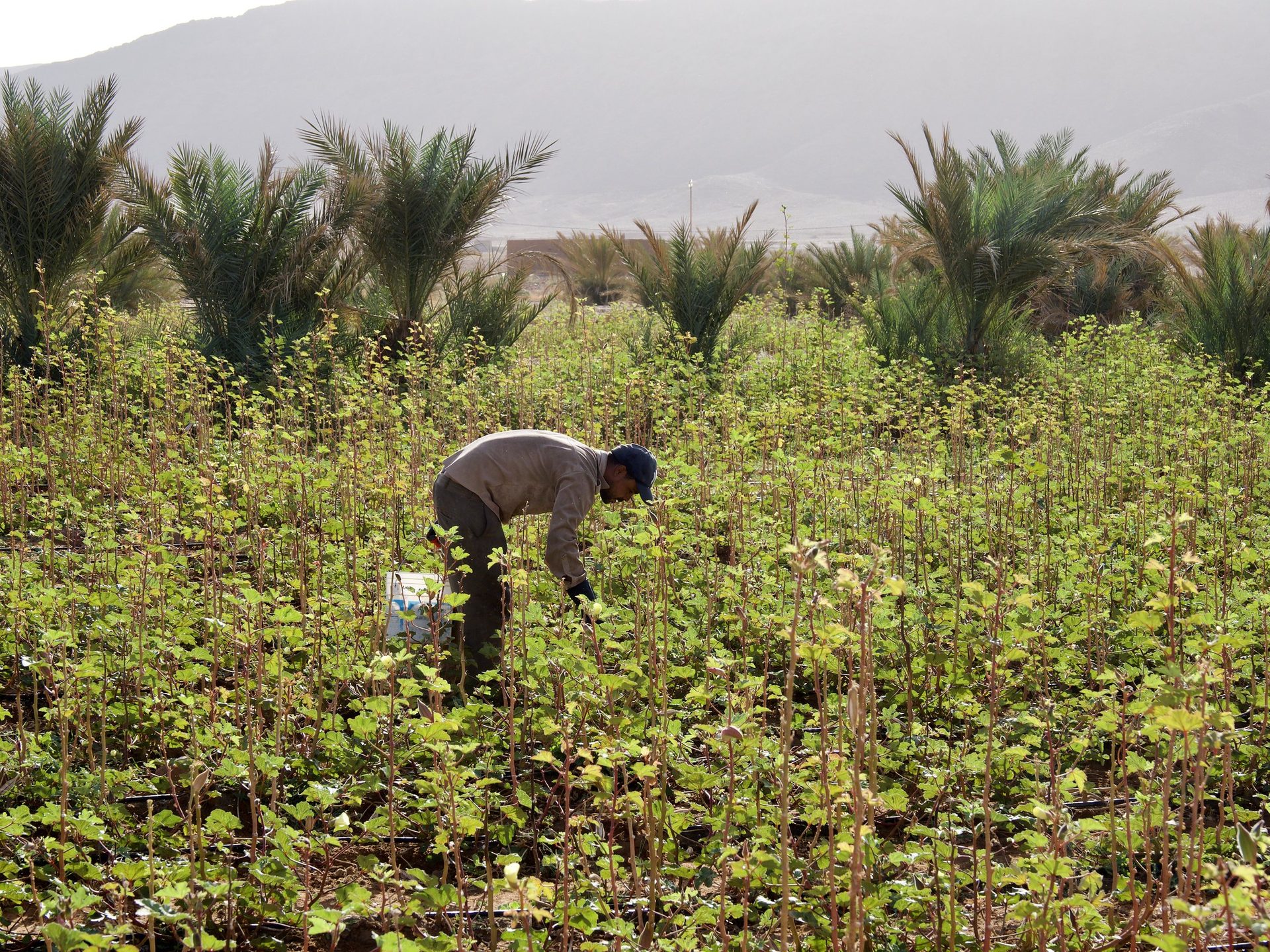
The government source says lower yields in Souss-Massa, Morocco’s main tomato-growing region in the southwest, pushed domestic prices up this season. Higher fertiliser and fuel costs added to the pressure.
Europe Spared, Africa Hit
The measure leaves shipments to Europe, Morocco’s largest tomato market, untouched, according to the government source. The European Union is by far the largest buyer of Moroccan fresh tomatoes, while the African market is relatively small.
African buyers lose a supplier, and federation sources warned in April 2026 that broken contracts could push buyers toward rival countries. At that time a federation source said the suspension was agreed with the Agriculture Ministry and exporters’ associations, which allowed prices to be controlled gradually.
What It Means for US Readers
Most Moroccan tomatoes go to Europe, so a direct effect on US shelves is unlikely. The wider lesson is that rising fertiliser and fuel costs can push governments to protect home food supply.
Investors in fertiliser, food and shipping can watch whether the halt stays short or becomes a pattern, since Morocco also curbed African tomato exports in April 2026. A longer halt would give rival suppliers an opening in African markets, exporters have warned.
What Is Not Known
How long the halt lasts is not public, since the government source says only that exports to Africa will resume soon. The Agriculture Ministry can answer when it announces any restart.
Which African countries and how many tonnes are affected has not been stated. The exporters’ federation can answer when it next briefs members, and monthly customs trade data for November would show the effect once published.
Frequently Asked Questions
What did Morocco do?
Exporters serving African markets were told on 5 November 2026 to stop sending tomatoes, according to a federation leader and a government source. Shipments to Europe continue.
Why did Morocco halt the exports?
The aim is to supply the home market and lower prices. Reports point to lower yields in Souss-Massa and higher fertiliser and fuel costs.
How long will the halt last?
No end date has been announced. The government source calls the measure temporary and says exports to Africa will resume soon.
Does the halt affect US shoppers?
Most Moroccan tomatoes go to Europe, which is not affected, so a direct effect on US shelves is unlikely. The bigger impact falls on African buyers and Moroccan exporters.
Sources: Statements by a federation leader and a government source reported on 5 and 6 November 2026, and exporters’ and federation statements from April 2026. Currency conversions use the Bank Al-Maghrib reference rate of 9.7559 dirhams per US dollar on 5 November 2026.
This article was produced by The Rio Times’ automated newsroom system. How we use AI · Report an error · Editorial responsibility: Matthias Camenzind, Editor-in-Chief