Is Morocco Safe for Expats? What the Numbers Show
MOROCCO · SAFETY
Key Facts
- —Homicide rate 1.7 per 100,000 in 2023, roughly a quarter of the global average.
- —The risk that actually matters Roads. Morocco recorded 4,577 road deaths in 2025, up 25.5% on the previous year.
- —The common crime Petty theft in medinas and on beaches, card fraud and scams rather than violence.
- —Terrorism No mass-casualty attack on tourists since 2011. Plots are disrupted regularly, most recently in July 2026.
- —Advisories Britain advises against travel to no part of Morocco or Western Sahara.
- —The detail worth knowing Taxis are legally required to use the meter. Ask for it.
A Western resident in Morocco is far more likely to be hurt on the road than by crime or terrorism. That is where the guide should start.
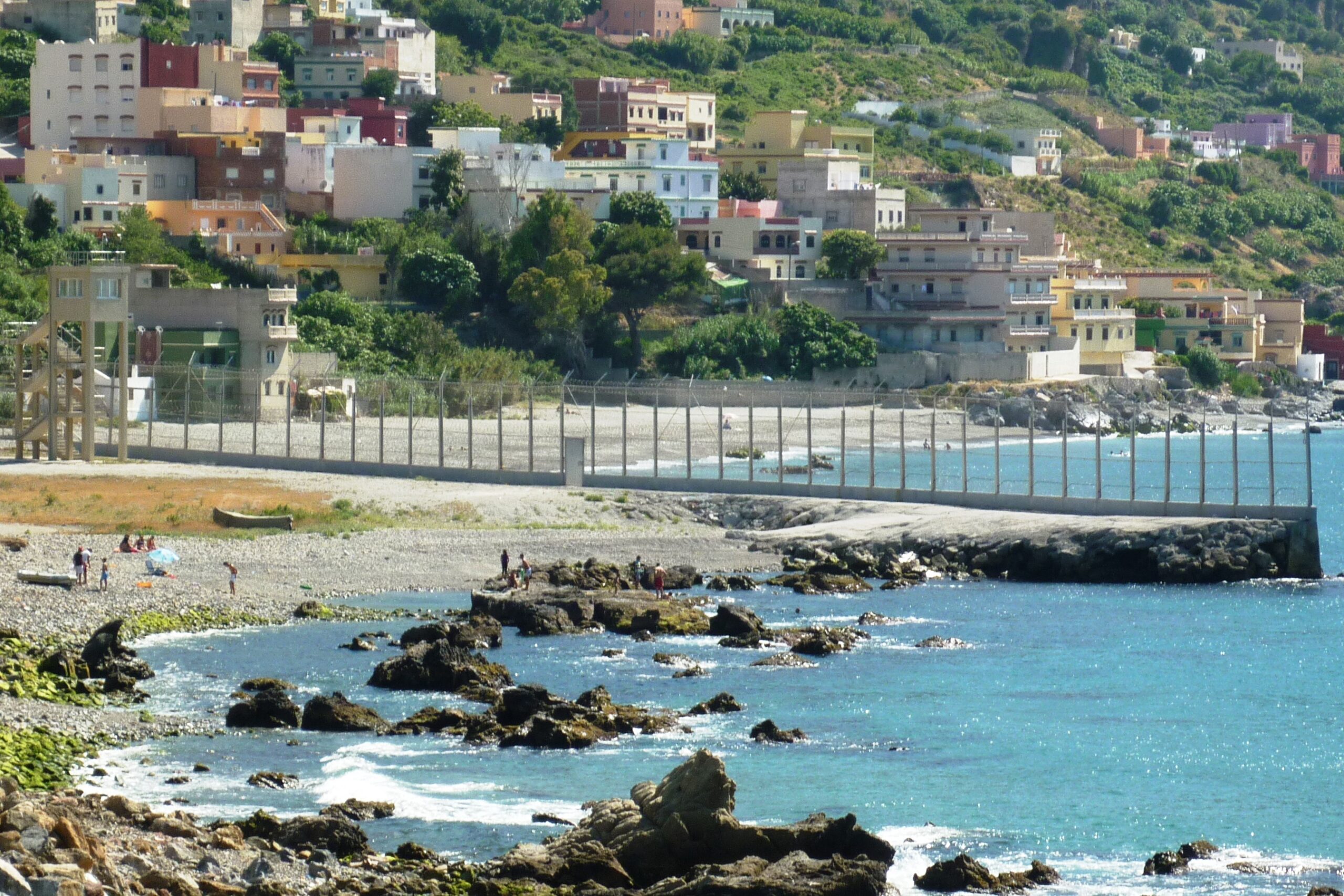
Morocco records one of the lower homicide rates in the world and one of the higher road-death rates in its region, and most safety advice about the country focuses on the wrong one of those.
The Crime Statistics
Morocco’s intentional homicide rate was 1.7 per 100,000 in 2023 on United Nations data, having moved between 1.4 and 2.9 over the previous eight years. The global average is roughly 5.4 to 7.7.
For scale, that is about a quarter of the world average and a small fraction of South Africa’s rate of around 40. Violent crime against foreigners is rare.
The most recent internationally comparable series ends at 2023, and Morocco’s own national police reporting for 2025 and 2026 was not available for this guide.
Roads Are the Real Risk
Morocco recorded 4,577 road deaths in 2025, an increase of 25.5% on 2024, alongside 160,347 injury accidents. That works out at roughly 12 deaths per 100,000 people, about seven times the homicide rate.
Motorised two- and three-wheelers account for 45% of deaths and pedestrians for a further 26%. August is consistently the deadliest month.
The increase is large enough that a change in counting method is possible and The Rio Times could not verify either way. Even at the lower end, road risk dominates every other category of danger in Morocco.
What Actually Happens to Foreigners
British guidance describes petty crime as common in tourist areas, especially the medina quarters and on beaches, with pickpocketing and bag-snatching the usual forms, and notes that credit card fraud and scams are common.
Canadian guidance adds armed robberies involving knives and frequent cash-machine fraud. Australian guidance adds muggings on deserted beaches. The pattern is opportunistic property crime rather than violence.
British guidance separately warns of deaths and serious illness caused by drinks containing methanol. That is under-reported and worth knowing.
The Medina Scams
Fake guides approach visitors claiming not to be guides, offer free navigation and deliver them to a relative’s shop, where commission runs 20% to 40% and carpets are marked up several times over. A licensed guide changes the dynamic entirely.
Henna is applied without consent in Jemaa el-Fna and payment demanded afterwards, typically 200 to 500 dirhams against a fair price of 20 to 50. Black henna contains a compound that causes allergic reactions.
Taxi drivers may refuse the meter and quote a flat fare of 30 to 80 dirhams against a fair 10 to 25. The meter is legally required; the phrase to use is compteur, afak. Unofficial airport taxis quote 200 to 400 dirhams against an official 100 to 150.
Food stalls in Jemaa el-Fna may serve without disclosing a price and then charge per ingredient or per seat. Downloading offline maps before entering a medina removes most of the leverage these schemes depend on.
Harassment
Survey data from 2024 found that 43% of Moroccans say women are often or always harassed in public spaces, rising to 48% among women and 51% among urban respondents. Three-quarters say police and courts need to do more.
That is a genuine feature of daily life in the cities rather than an occasional incident, and it is the most common reason women who leave Morocco give for leaving.
Terrorism, Honestly Assessed
The last mass-casualty attack on tourists was the Argana café bombing on Jemaa el-Fna in Marrakech in 2011, which killed 17 people. Casablanca was bombed in 2003 and two Scandinavian hikers were murdered near Imlil in 2018.
Plots continue to be disrupted. In July 2026 the counter-terrorism bureau arrested ten members of a cell affiliated to the Sahel branch of the Islamic State group whose plans were at an advanced stage, seizing weapons, bomb-making instructions and a vehicle apparently modified for an attack. A further cell operating across Morocco and Spain was dismantled in March 2026.
British guidance states that terrorists are likely to try to carry out attacks in Morocco, naming transport hubs, places popular with foreigners and crowded places. The balanced reading is that intent exists and capability is being suppressed effectively.
What the Advisories Say
Britain advises against travel to no part of Morocco or Western Sahara. Western Sahara is noted as a disputed territory where consular assistance is provided from the embassy in Rabat.
Other governments treat parts of Western Sahara more cautiously, and advisories diverge on it more than on any other aspect of Morocco. Check your own government’s current wording before travelling there, because the positions genuinely differ.
Earthquakes
The Al Haouz earthquake of September 2023 killed nearly 3,000 people, with the heaviest damage in the High Atlas villages south of Marrakech rather than in the city itself.
Morocco sits on an active seismic zone and building standards outside the main cities vary. Anyone renting or buying in the Atlas foothills should ask about construction as a matter of course.
The Practical Summary
Drive less, and when you drive, drive defensively. Use metered taxis and licensed guides. Keep valuables out of sight in the medinas and be alert at cash machines.
Emergency numbers are 19 for police in urban areas, 177 for the gendarmerie outside them and 15 for ambulance and fire. Tourist police operate in the main destinations and are generally responsive to foreigners.
More: Africa guides and news, every day from The Rio Times.
Frequently Asked Questions
Is Morocco safe for expats?
Yes by international standards. The homicide rate was 1.7 per 100,000 in 2023, about a quarter of the global average.
What is the biggest risk?
Roads. Morocco recorded 4,577 road deaths in 2025, roughly seven times the homicide toll.
What crimes affect foreigners?
Mostly opportunistic property crime: pickpocketing and bag-snatching in medinas and on beaches, card fraud and scams.
How serious is the terrorism risk?
No mass-casualty attack on tourists since 2011, with plots disrupted regularly, most recently in July 2026. Intent exists; capability is being suppressed.
Do foreign governments advise against travel?
Britain advises against travel to no part of Morocco or Western Sahara. Advisories diverge most on Western Sahara, so check your own.
How do I avoid taxi overcharging?
Ask for the meter, which is legally required. The phrase is compteur, afak.
Sources: UNODC, NARSA and DGSN road safety data, UK FCDO, Government of Canada, Australian Smartraveller, Afrobarometer, Morocco World News.
This article was drafted with automated assistance and reviewed before publication. How we use AI · Report an error
Read More from The Rio Times