MOROCCO · RABAT
Key Facts
- What is happening Rabat, home to Morocco’s royal residence and administrative districts, is UNESCO’s World Book Capital for 2026, and a new government under Fatim Ezzahra El Mansouri followed the 23 September 2026 election.
- Why it matters Rabat is the capital but a mid-sized city: 515,619 people in the 2024 census, about one sixth of Casablanca’s 3.2 million, inside a Rabat, Salé and Kénitra region of 5.13 million.
- The numbers The census counted 515,619 people in Rabat prefecture, including 14,614 foreigners, and about 2.39 million across Rabat, Salé and Skhirate-Témara together, while the tramway carries over 160,000 passengers a day.
- Who is who King Mohammed VI heads the state, Fatim Ezzahra El Mansouri is head of government, Ahmed Touizi presides over the House of Representatives and Mohamed Ould Errachid over the House of Councillors.
- What to watch Watch the central bank’s board meeting on 15 December 2026, the programme of the new government, and the events of Rabat’s World Book Capital year, which began on 23 April 2026.
- What it means for you A free trade agreement has linked Morocco and the United States since 2006, but the State Department rates Morocco Level 2, exercise increased caution, because of the terrorism risk.
Rabat is Morocco’s capital, with royal and administrative districts. It is also a calm, mid-sized city of about half a million people.
This Rabat city guide explains Morocco’s capital in November 2026, a city of about half a million people. It holds the royal and administrative districts, yet it is far smaller than Casablanca.
More coverage sits on the Rio Times Morocco page and the Rabat expat city page. No dirham amounts appear, so no conversion rate is needed.
Rabat City Guide: Capital With a Quiet Pace
The United Nations cultural agency UNESCO calls the property “Rabat, Modern Capital and Historic City: a Shared Heritage”. It includes royal and administrative districts of the new town, built from 1912 to the 1930s.
Morocco was a French protectorate from 1912 to 1956, the US State Department notes. Rabat’s modern capital was planned in that period, and UNESCO says it adapted European modernist planning to a Maghreb setting.
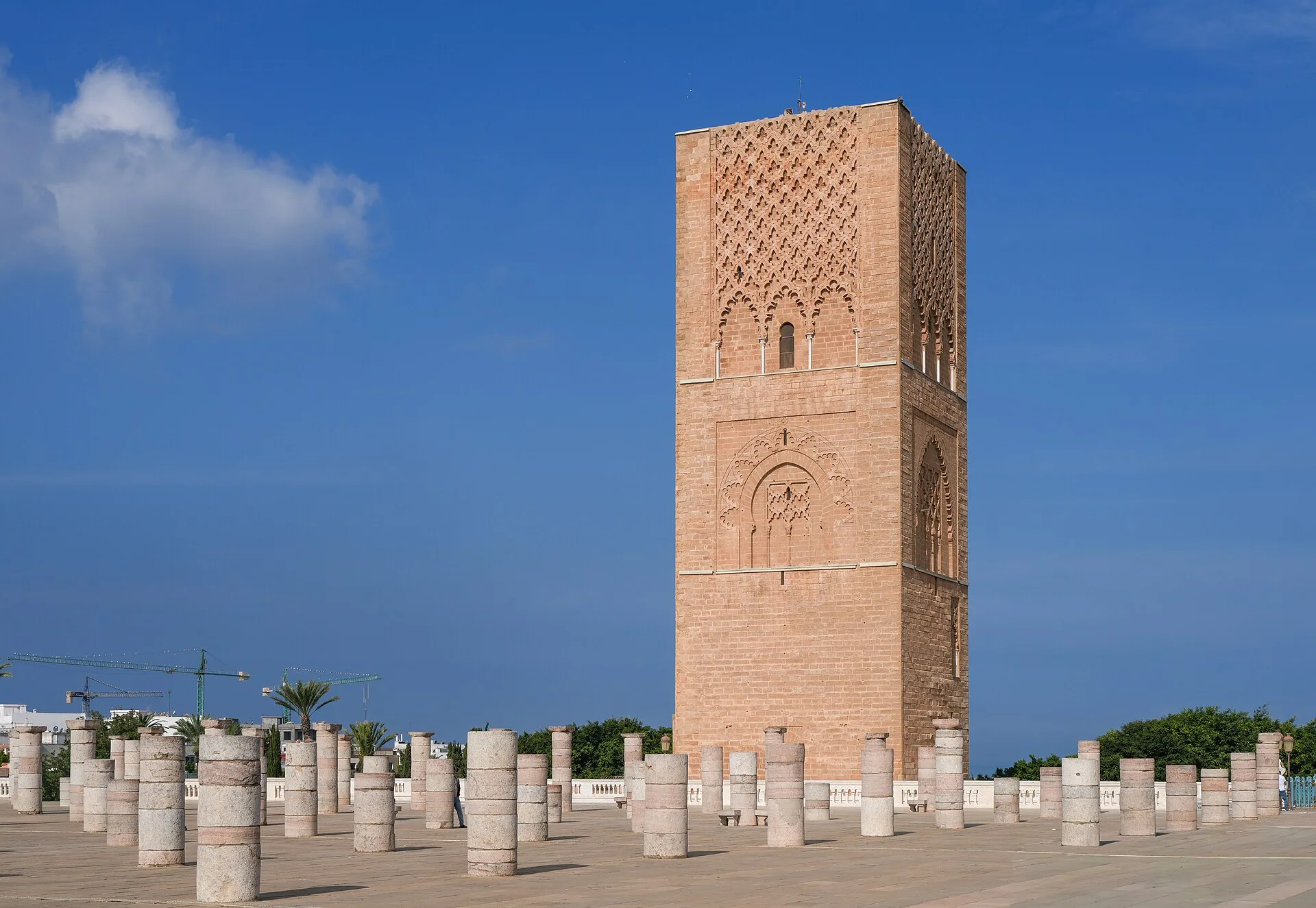
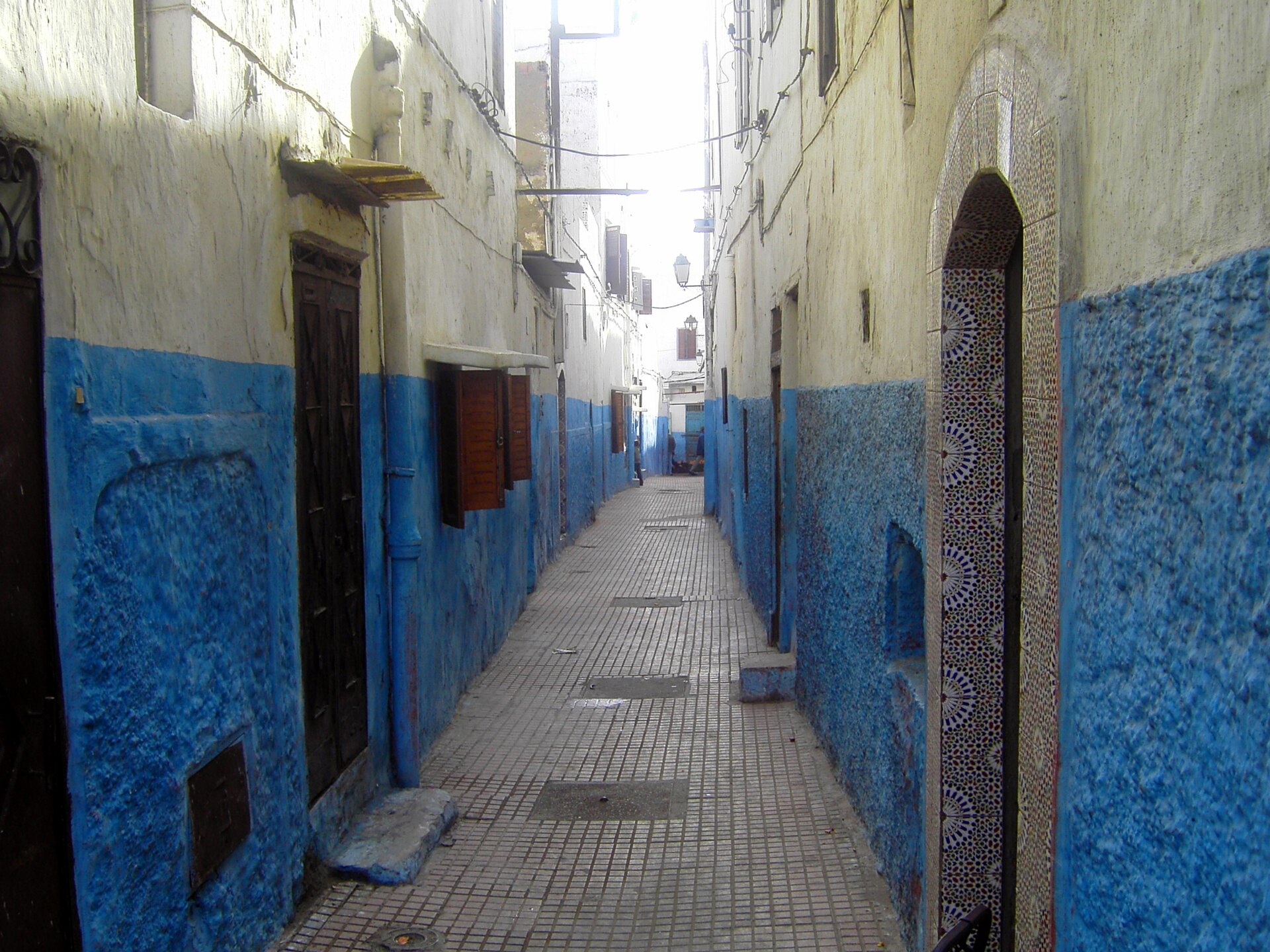
The older city is still there. UNESCO lists the Hassan Mosque begun in 1184, the Almohad ramparts and gates, the Medina and the Kasbah.
It also lists the Jardins d’Essais botanical gardens and the Habous Diour Jamaa quarter, a neo-traditional district. UNESCO inscribed the property on its World Heritage List in 2012.
Population and Neighbourhoods
Morocco’s 2024 census, taken on 1 September 2024, counted 515,619 people in Rabat prefecture. Of them 501,005 were Moroccans and 14,614 were foreigners, or 2.8%.
The Rabat commune itself had 509,916 residents, and the prefecture held 157,183 households. That is about 3.3 people per household, below the national average of about four.
Rabat is the centre of a larger urban belt. Salé prefecture counted 1,089,554 people and Skhirate-Témara 783,475, so the three together hold about 2.39 million by this guide’s addition.
The wider Rabat, Salé and Kénitra region had 5,132,639 people, of whom 29,233 were foreigners. About half of those foreign residents live in Rabat prefecture.
Casablanca prefecture counted 3,218,036 people, so Rabat has about one sixth of its size. The country as a whole had 36,828,330 legal residents, including 148,152 foreigners.

Neighbourhood names appear on the tramway map: Hassan, Tour Hassan, Agdal, Madinat Al Irfane and Gare de Salé. The Medina and Kasbah are the old core of the city.
Politics and Governance
Morocco is a monarchy with a government and a two chamber parliament. The constitution says parliament is made up of two chambers, and the House of Representatives is the elected lower house.
Voters chose that house on Wednesday, 23 September 2026. The government portal says 395 seats were at stake, 27 parties took part and the system was list based.
The portal lists Fatim Ezzahra El Mansouri as head of government. It dates the term of her predecessor, Aziz Akhannouch, from 7 October 2021 to 16 October 2026.
The Interior Ministry and the Constitutional Court run the count and certify the results. Candidates registered online from 31 August to 8 September 2026, and campaigning ran from 10 to 22 September.
Ahmed Touizi was elected president of the House of Representatives on 13 October 2026. Mohamed Ould Errachid presides over the House of Councillors, the upper house, since 12 October 2024.
The city has a communal council and a mayor, but the mayor’s name could not be confirmed. The royal and administrative districts lie inside the capital, as UNESCO describes.
For the election itself, see the Rio Times reports on how the vote works and on the first results. They are linked for context only.
Economy and Money
The World Bank, a global development lender, says Morocco’s economy grew 4.7% in 2025, up from 3.8% in 2024. It puts GDP at about US$146 billion in 2024.
Income per head reached US$4,672 in 2025, World Bank data show, and 63.1% of Moroccans lived in towns. Modeled unemployment was 9.0%, and consumer prices rose 0.7%.
The bank lists phosphates and fertilisers, cars and aerospace, tourism, food and fisheries, and offshore services as key sectors. It also points to Tangier-Med logistics, renewables and green hydrogen as growth areas.
This guide did not find a city level output figure for Rabat in an official source. The bank figures above describe Morocco as a whole.
Bank Al-Maghrib, Morocco’s central bank, keeps its historic headquarters in Rabat. Its board met on 22 September 2026, and the next meeting is listed for 15 December 2026.
Books are a small but visible industry. UNESCO says Rabat has 54 publishing houses and hosts the third largest international book and publishing fair in Africa.
Getting Around: The Rabat and Salé Tramway
The tramway, opened in May 2011, is the backbone of local transport. It has 2 lines, 27 kilometres of network and 43 stations, and carries more than 160,000 passengers a day.
Transdev runs and maintains it under a contract that the public body Rabat Région Mobilité awarded in 2010 and again in 2020. Stops include Hassan II, Tour Hassan, Agdal and Gare de Salé.
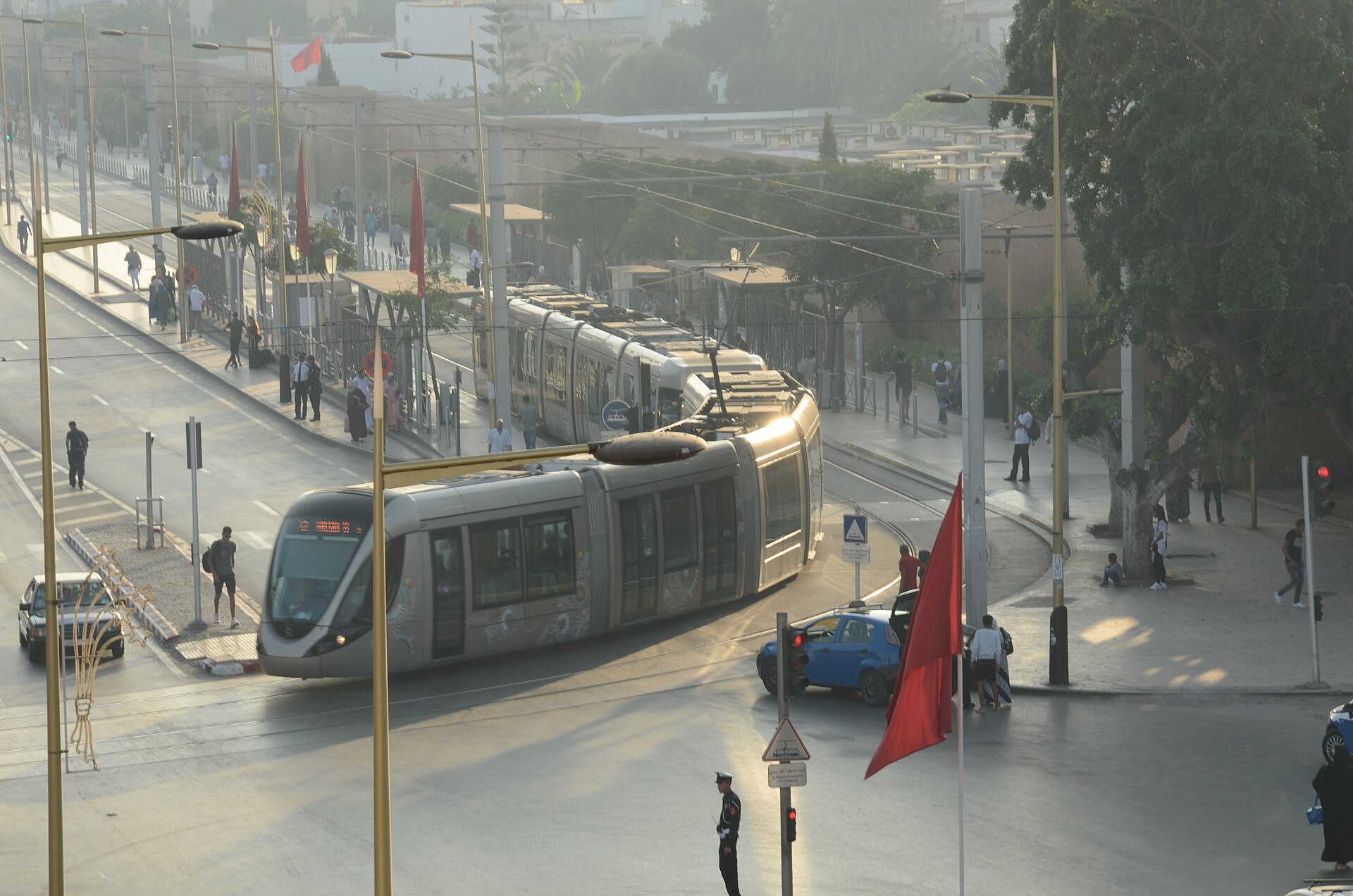
The tram links the capital with neighbouring Salé. Salé prefecture has more than twice as many people as Rabat prefecture.
This guide did not confirm figures for Rabat-Salé airport, taxis or the high speed train. Check operators before booking.
Culture, Books and Heritage
Rabat is UNESCO’s World Book Capital for 2026, the 26th city to hold the title since 2001. Its celebrations began on 23 April 2026, World Book and Copyright Day.
UNESCO and its advisory committee chose Rabat on 8 October 2024. They praised its commitment to literary development, to empowering women and youth through reading, and to fighting illiteracy.
The programme aims to improve access to books and support local publishers. The city plans a large literacy initiative for all residents.
Visitors will find the main sights inside the World Heritage property: the Hassan Mosque site, the ramparts, the Kasbah and the Medina. The Jardins d’Essais gardens lie within it too.
Security and Daily Life
The US State Department rates Morocco Level 2, exercise increased caution, in an advisory reissued on 21 April 2025. It cites terrorism, and says attacks may happen with little warning.
It names tourist sites, transport hubs, markets, shopping malls and local government facilities as likely targets. The US Consulate General in Casablanca helps American citizens, and the advisory does not single out Rabat.
Casablanca prefecture had 45,964 foreigners in 2024, against 14,614 in Rabat. The national total was 148,152.
This guide found no Rabat specific crime statistics in an official source. Travellers should follow the national advisory.
What It Means for US Readers
Morocco and the United States signed a free trade agreement that took effect in 2006, the State Department says. It reports that US exports to Morocco rose from US$481 million to US$3.5 billion between 2005 and 2019.
Moroccan exports to the United States reached US$1.6 billion in 2019, and more than 150 US companies operate in Morocco. Those figures are dated, so check current trade data before deciding.
Morocco and the United States signed a treaty of peace and friendship in 1786, and full diplomatic relations began in 1905. Washington named Morocco a Major Non-NATO Ally in 2004.
The new government’s programme matters to investors. For companies and deals, see the Rio Times ranking of Morocco’s top companies and its report on foreign investment.
On politics, read the Rio Times piece on Western Sahara after the UN mission. Travellers should check the State Department advisory before booking.
What Is Not Known
The name and party of Rabat’s mayor were not confirmed, nor was the wali, the state’s regional representative. The official city website could not be opened.
The seat count of each party after the 23 September 2026 election was not found in an official source. The ministers of the new government were also not confirmed.
Rabat specific figures for crime, airport traffic, rents and city output were not found. Morocco’s role as a 2030 World Cup co-host, and Rabat’s part in it, was not checked.
The census figures are legal population counts for 1 September 2024. The World Bank inflation figure differs slightly between its overview and its data series.
Frequently Asked Questions
Is Rabat the capital of Morocco?
UNESCO describes Rabat as Morocco’s modern capital, with royal and administrative districts. Casablanca is much larger, but it is not the capital.
How many people live in Rabat?
The 2024 census counted 515,619 people in Rabat prefecture on 1 September 2024. Rabat, Salé and Skhirate-Témara together hold about 2.39 million.
What is Rabat known for?
It is known for its UNESCO World Heritage property, which includes the Hassan Mosque site, the Kasbah and the Medina. It is also UNESCO’s World Book Capital for 2026.
Who runs Morocco’s government in 2026?
The government portal lists Fatim Ezzahra El Mansouri as head of government after the 23 September 2026 election. King Mohammed VI is head of state.
Is there a tram in Rabat?
The Rabat and Salé tramway opened in May 2011 and has 2 lines, 27 kilometres and 43 stations. It carries more than 160,000 passengers a day.
Is Rabat safe for American visitors?
The State Department rates Morocco Level 2, exercise increased caution, because of terrorism. It does not single out Rabat, and no Rabat crime figures were found.
Sources: High Commission for Planning, Morocco (legal population, 2024 census); UNESCO World Heritage Centre (Rabat, Modern Capital and Historic City); UNESCO (Rabat, World Book Capital 2026); Government of Morocco (2026 legislative elections); Government of Morocco (government); Government of Morocco (parliament); World Bank (Morocco overview, 12 October 2026); World Bank (Morocco open data); Bank Al-Maghrib; Tramway Rabat Salé (about us); US State Department (Morocco travel advisory); US State Department (US relations with Morocco) (all accessed 3 November 2026).
This article was produced by The Rio Times’ automated newsroom system. How we use AI · Report an error · Editorial responsibility: Matthias Camenzind, Editor-in-Chief
The Rabat Guide
What The Rio Times publishes for foreigners in Rabat, Morocco.
Coming up in Rabat
- Gnawa Night in Rabat on 7 November 2026 7 Nov
- Visa For Music Rabat Returns for 13th Edition, 18 to 21 November 21 Nov
- Nassif Zeytoun Plays Rabat on 19 December 2026 19 Dec
Understand Morocco