Visa For Music Rabat Returns for a 13th Edition in Morocco, 18–21 November
MOROCCO · FESTIVALS
Key Facts
- —The country Morocco hosts the main annual market for African and Middle Eastern music professionals.
- —What happens Visa For Music runs from Wednesday 18 to Saturday 21 November 2026 in Rabat.
- —The format Showcase concerts run alongside conference panels, meetings and networking sessions.
- —The artists Selected acts play 40-minute sets in folk and fusion, contemporary and urban, or electronic categories.
- —The catch Selected artists get accommodation and a daily allowance, but not fees or flights.
Visa For Music Rabat is a trade market as much as a festival, aimed at African and Middle Eastern music.
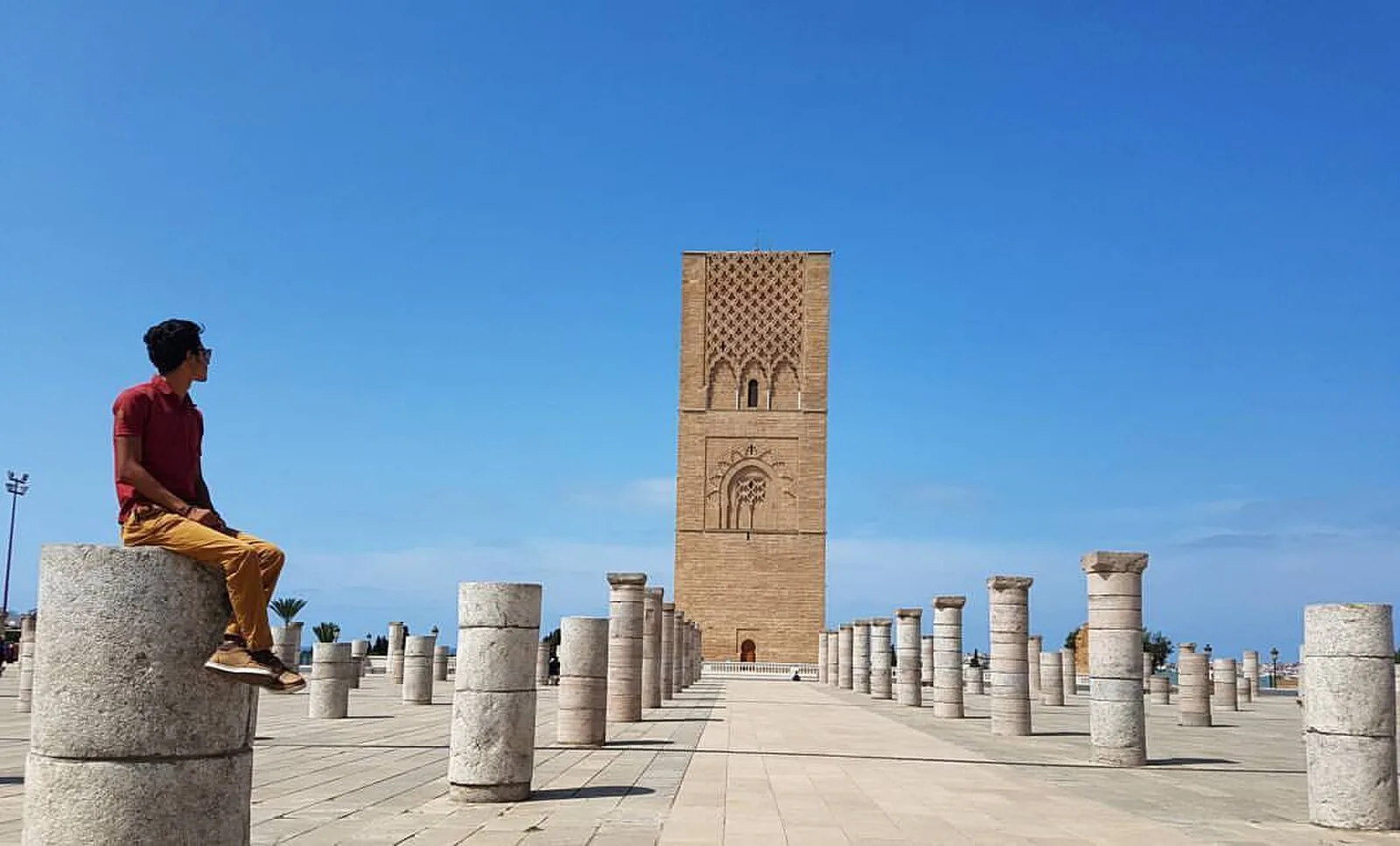
Visa For Music Rabat runs from 18 to 21 November 2026 in Rabat, Morocco. The 13th edition pairs live showcases with a professional forum for the music industry.
What happens from 18 to 21 November
Visa For Music runs over four days in Rabat, from Wednesday 18 to Saturday 21 November 2026. It is the 13th edition.
The event combines two things. Live showcase concerts run in the evenings, and a professional forum runs by day.
The forum brings together promoters, agents, label staff, festival bookers and journalists. Most come from Africa, the Middle East and Europe.
Delegates register in advance rather than turning up. The forum is the part that is not open to the general public.
Showcase slots are 40 minutes. They are assessed by the professionals in the room as much as enjoyed by the public.
The event has run since 2014. It was the first market of its kind based in North Africa.
How artists take part
Acts apply through an open call rather than being invited. The 2026 call closed in March.
Applications fall into three categories. These are global folk and fusion, contemporary and urban music, and electronic music including DJ and VJ sets.
Selected acts receive stage production, accommodation for up to six people and airport transfers. They also get a daily allowance of about US$50 a person.
Artist fees, flights and visa costs are not covered. That is a real barrier for acts travelling from further away.
The name is not accidental. Visa refusals are one of the largest practical obstacles for African musicians touring abroad.
Why Visa For Music Rabat exists
The event was set up to give African and Middle Eastern musicians a market of their own. Before it, most had to travel to Europe for that.
Trade markets matter because bookings happen there. A festival slot in one country often begins as a conversation in another.
Rabat was chosen partly for its position. Morocco sits between the two regions the event serves.
Moroccan visa rules are also comparatively workable for African artists. That is not a small consideration for an event of this kind.
The French Institute of Morocco is among the partners. Institutional backing has kept the event running for more than a decade.
The forum covers rights, touring, funding and distribution. These are the unglamorous parts that decide whether a career is possible.
What this means for residents and visitors
The showcases are open to the public as well as to delegates. That is the simplest way in for a visitor.
Rabat is small and walkable compared with Casablanca. Venues are close together.
November in Rabat is mild and often wet. An umbrella is worth carrying between venues.
The city is under an hour from Casablanca by fast train. Day trips in either direction are easy.
Rabat is also the administrative capital. Hotels there fill around official events rather than around tourism.
The wider picture
African music has moved from the margins of the global industry to its centre in about fifteen years. Afrobeats and amapiano did most of that work.
The business infrastructure has not kept pace. Booking agents, publishers and rights bodies remain thin on the ground.
Events like this one are an attempt to close that gap. Progress is slow and hard to measure from outside.
The long view is worth holding. Markets take decades to build, and this one is still in its first.
For a listener, the appeal is simpler. Four nights of showcases is a fast route into music you will not hear elsewhere.
What is not yet known
The 2026 line-up had not been published when this article was written. Selected acts are usually announced in the autumn.
Venue details had also not been confirmed. Previous editions have used several sites across Rabat.
Public ticket prices for the showcases were not available. Past editions have kept them low.
The balance between local and visiting acts is also unknown. It has varied between editions.
Nor has the full conference programme been released. Panels are usually confirmed close to the date.
How many delegates will attend is also unstated. Registration figures are normally released afterwards.
FAQ
When is Visa For Music Rabat 2026?
From Wednesday 18 to Saturday 21 November 2026, in Rabat, Morocco. It is the 13th edition.
What is it for?
It is a trade market for African and Middle Eastern music, combining showcase concerts with a professional forum. Bookers, agents and label staff attend.
How do artists apply?
Through an open call, which for 2026 closed in March. Applications are made in folk and fusion, contemporary and urban, or electronic categories.
What do selected artists receive?
Stage production, accommodation for up to six people, airport transfers and about US$50 a person per day. Fees, flights and visas are not covered.
Sources: Music In Africa open call report; French Institute of Morocco partner page; the festival’s own date announcement.
This article was produced by The Rio Times’ automated newsroom system. How we use AI · Report an error
Part of our ongoing coverage
Africa: The New Scramble — the great-power contest over the continent.
Read More from The Rio Times