Mexico Explained 2026: The Country, Its Politics, Its Economy and What to Watch
GUIDES · MEXICO
Key Facts
- —Capital Mexico City, a federal entity in its own right since a 2016 reform. It is one of 32 federal entities, not a district inside a state.
- —Population 130.9 million, from the statistics agency’s 2025 intercensal survey released on 22 September 2026. Projection-based figures run about a million higher.
- —Currency The Mexican peso. It traded between 17.2 and 17.6 to the US dollar in late September 2026, about 4.6 percent stronger over twelve months.
- —Language Spanish in practice and in government. Mexico also recognises 68 indigenous language groups, and Nahuatl and Maya each have well over a million speakers.
- —Economy A manufacturing exporter, not a commodity economy. Manufactured goods were 91.6 percent of the record US$664.8 billion Mexico exported in 2025.
- —Government A federal presidential republic under the 1917 constitution. One six-year term, no re-election ever, and no prime minister.
Mexico explained from the ground up: how a single-term presidency works, why the economy rises and falls with the United States, and which dates decide the next two years.
Mexico explained has to start with the sexenio. A Mexican president serves one term of six years and can never stand again. That single rule shapes the whole political calendar, because every president knows exactly how long they have and so does everyone negotiating with them.
What kind of country is this?
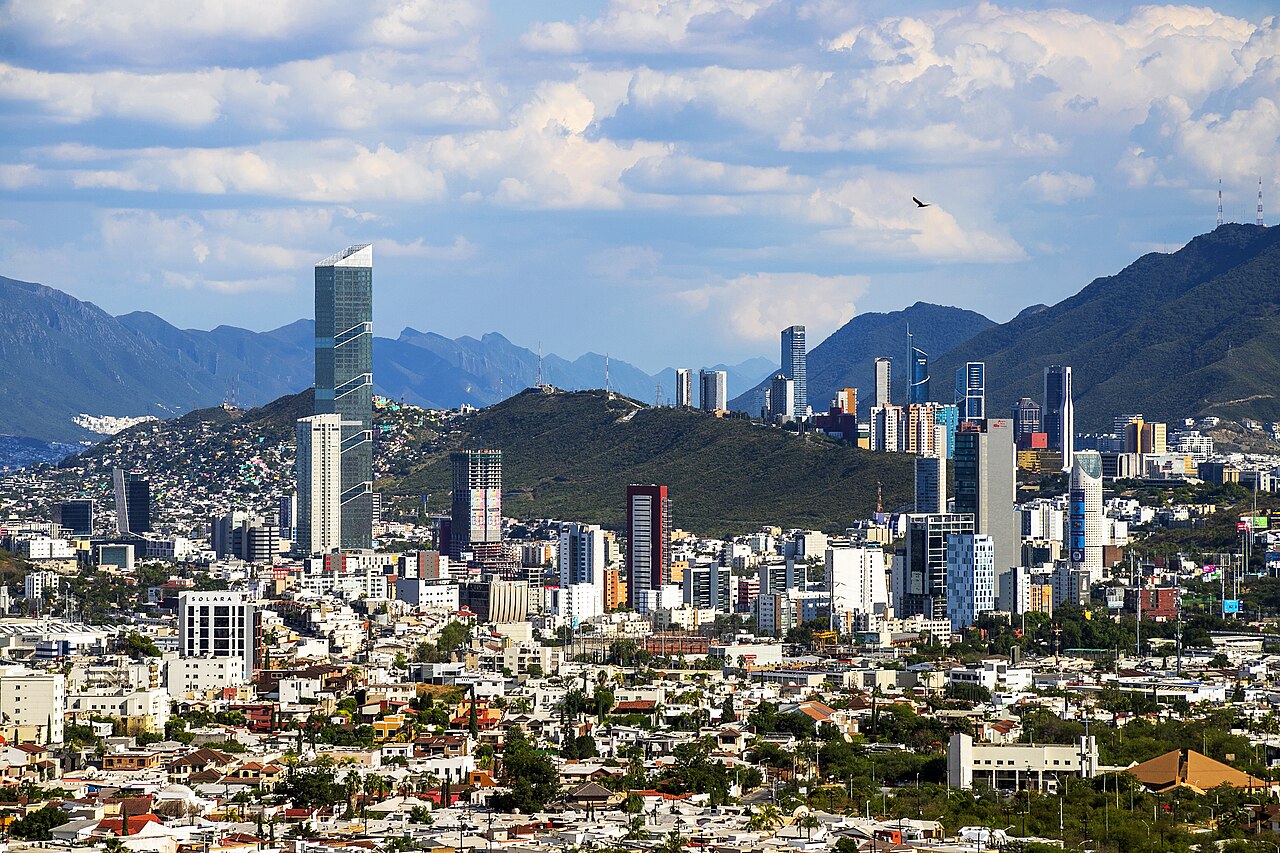
Mexico covers just under two million square kilometres and shares a 3,145-kilometre border with the United States. That border is the country’s defining economic fact. It is also why a rule made in Washington can change a business in Monterrey within a quarter.
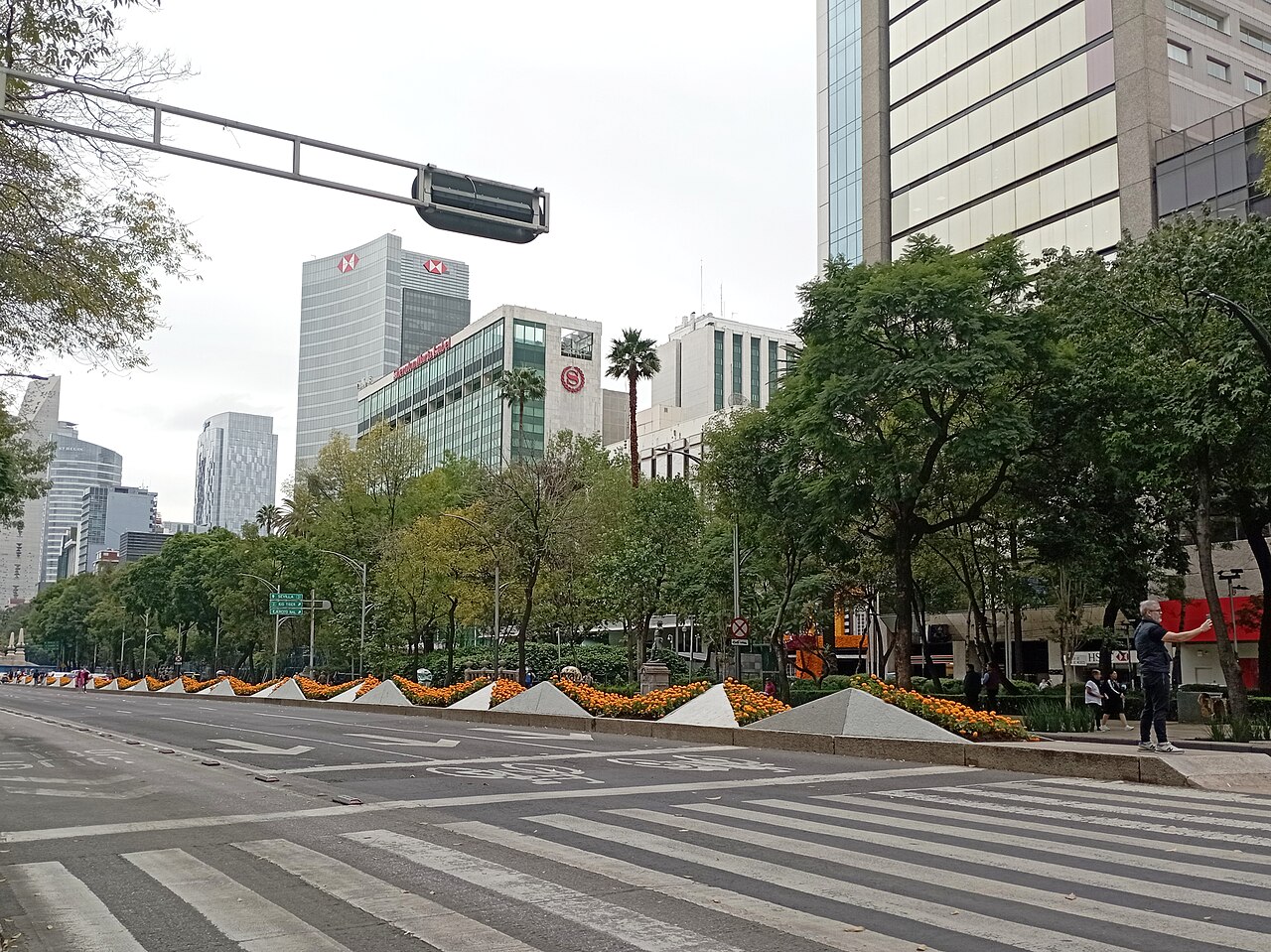
The land runs from desert in the north to tropical forest in the south, with a high central plateau in between. Mexico City sits on that plateau at about 2,240 metres, on the bed of a drained lake, which is why it sinks and why it shakes. The Yucatán in the southeast is flat limestone with no surface rivers. These are not travel-brochure details: they decide water supply, building costs and insurance.
Modern Mexico was built out of three layers. First indigenous states, of which the Mexica or Aztec was the last large one. Then three centuries of Spanish rule from 1521. Then independence in 1821 and a revolution from 1910 to 1920. The 1917 constitution came out of that revolution and is still in force. One party, later called the PRI, then governed without interruption from 1929 to 2000. A foreigner who knows that seventy-one-year stretch understands why Mexicans talk about institutions the way they do.
Who runs Mexico and how
The president is head of state and head of government, elected directly for a single six-year term with no re-election. Claudia Sheinbaum of Morena has held the office since 1 October 2024 and her term runs to 30 September 2030. She is the first woman to hold it. There is no prime minister and no mid-term confidence vote.
Congress has two chambers, the Chamber of Deputies with 500 seats and the Senate with 128. Morena and its allies hold large majorities in both, which is unusual in recent Mexican history and matters enormously. A government with the numbers to amend the constitution operates differently from one that has to bargain.
It used those numbers. A judicial reform enacted in 2024 replaced appointed judges with popularly elected ones, the first system of its kind at national scale. Supporters call it democratisation of a captured judiciary. Critics say it removes the distance between the governing party’s electoral machine and the courts. Either way, it changes how a foreigner should think about contract enforcement and appeals.
Sheinbaum remains popular in the round and much less so on specifics. One poll around her second annual report in September 2026 put overall approval at 69 percent. Over the same months, approval of her security strategy fell to 34 percent from 47 percent in May. Approval of her economic strategy fell to 34 percent from 52 percent. Asked what Mexico’s main problem was, 44 percent said security.
How the economy works
Mexico makes things and sells them north. In 2025 manufactured goods were 91.6 percent of exports, petroleum 3.2 percent and agriculture 3.1 percent. Total exports reached a record US$664.8 billion and, for the first time in years, the trade account showed a small surplus of US$771 million. Vehicles and parts, machinery, electronics, medical devices and agri-food are the list.
Inside that total the mix is shifting in a way worth knowing. In 2025 machinery and special equipment exports rose 93.4 percent and electrical and electronic equipment 15.2 percent, while automotive exports fell 4.2 percent and agricultural exports fell 10.8 percent. Petroleum exports fell 26.4 percent. Mexico is becoming less of a car country and more of a machinery and electronics country.
The United States is the counterparty for almost all of it. Two-way goods trade ran to US$588.5 billion in the first seven months of 2026. That made Mexico the largest trading partner of the United States, with 16.7 percent of all American trade. Remittances add to that: US$36.3 billion arrived in the first seven months of 2026, up 3.1 percent, and 99.1 percent of it came by electronic transfer.
As of September 2026 annual inflation was 3.26 percent, inside the central bank’s 3 percent target band. Core inflation, at 3.88 percent, was running above headline, which is the reason Banco de México stopped cutting after concluding its easing cycle on 7 May 2026. The peso strengthened about 4.6 percent over twelve months, the opposite of what the tariff headlines would suggest, on the wide rate gap with the United States.
The weak spot is investment quality. Foreign direct investment in the first half of 2026 was US$34.97 billion, barely 2.1 percent above the same period of 2025. But 88.5 percent of that was profits reinvested by companies already in Mexico. Genuinely new investment was US$2.73 billion, 7.8 percent of the total. Nearshoring is real in the headline figure and thin underneath it.
What is happening right now
As of 24 September 2026 the dominant story is trade. The United States declined to extend the North American trade agreement at its six-year review on 1 July 2026. That did not end the agreement. It converted the review into an annual exercise running every year to 2036, when the initial sixteen-year term expires unless the three governments agree otherwise.
Bilateral talks are running alongside that. A fourth negotiating round was reported for late September 2026 in Washington. On the agenda: automotive rules of origin, relief from 50 percent steel and aluminium tariffs and 25 percent auto tariffs, and access to Mexico’s electricity market. Both governments describe the talks as advancing. No text has been signed.
Security is the second story and it is now openly diplomatic. In a United Nations speech on 22 September 2026 the American president called Mexico the epicentre of cartel violence and compared the cartels to ISIS. Sheinbaum answered the next morning by pointing at American drug consumption and southbound gun trafficking.
The third is the domestic numbers argument. The government reports a large fall in homicides. Over the same period, disappearances are up 35 percent since 2018, with more than 133,000 people registered missing. In at least one state, falling homicides sit beside a sharp rise in disappearances. No agreed method exists for reconciling the two series, and that is the honest position.
What to watch
The central bank meets roughly every six weeks, synchronised with the United States Federal Reserve. Its confirmed 2026 decision dates ran 5 February, 26 March, 7 May, 25 June, 6 August and 24 September. Two further meetings are expected before year end. Check the bank’s own calendar rather than a secondary listing, because the published 2026 calendar was not retrievable when this guide was written.
The trade file has two horizons. The near one is whether any bilateral text is signed before the American midterm elections in November 2026. The far one is the annual joint review, next due by 1 July 2027 and then every year to 2036. Anyone telling you the agreement expires is wrong, and anyone telling you it is safe is guessing.
Politically the date that matters is 6 June 2027. Mexico holds midterm elections for all 500 Chamber of Deputies seats, 17 governorships, all 16 Mexico City borough chiefs and more than 20,000 offices in total. Formal candidate selection begins on 4 January 2027. That vote will show whether Morena’s constitutional majorities survive the second half of the sexenio.
What this means for foreigners
Residency is applied for abroad, not inside the country. Temporary residency runs up to four years and is usually granted on financial solvency, measured in multiples of a daily unit called the UMA, which is 117.31 pesos in 2026. In dollars that lands somewhere around US$4,500 a month in income or US$76,000 in savings held for twelve months. Consulates apply their own exchange rate and their own document lists, so the figure varies by consulate.
Permanent residency comes after four years as a temporary resident, or through a Mexican spouse, child or parent, or directly on much higher financial thresholds. The retirement route works on an averaged monthly balance or a documented pension. Check your own consulate’s published requirements rather than a general guide, including ours.
The tax rule is where English-language guidance most often goes wrong. Mexico does not use a 183-day count. Under the federal tax code you are a Mexican tax resident if you establish a home in Mexico. If you keep a home elsewhere too, residency turns on your centre of vital interests. That sits in Mexico if more than half your annual income is Mexican-sourced, or if Mexico is the principal place of your professional activity. Residents are taxed on worldwide income, and ending residency requires a notice to the tax authority.
On daily life, healthcare runs on three tracks. There is the social security system for formal employees, a voluntary annual family scheme that legal residents can buy into, and a large private sector where most foreigners end up. The voluntary scheme cost between roughly US$530 and US$1,270 a year by age band from 1 March 2026. Costs vary far more by city than any national average suggests, and so does safety. A Mexico explained guide has to say it plainly. Mexico explained honestly means saying that the country is not one risk picture but thirty-two.
Sources: Population from INEGI, inflation and remittances from Banco de México and INEGI, trade data from INEGI and the United States Census Bureau, residency rules from the national migration institute, and tax residency from the federal tax code as summarised by PwC.
- INEGI — 2025 intercensal survey, population 130.9 million
- Banco de México — monetary policy announcements
- Banco de México — remittance income and outflows, July 2026
- INEGI — consumer price index, first half of August 2026
- United States Census Bureau — top trading partners
- Instituto Nacional de Migración — change from temporary to permanent residency
- PwC Worldwide Tax Summaries — Mexico, individual residence
- IMSS — Seguro de Salud para la Familia, premiums from 1 March 2026
- White & Case — the 2026 joint review and the shift to annual reviews
What Is Not Known
Whether any bilateral trade text is signed, and whether the 50 percent steel and aluminium tariffs and 25 percent auto tariffs come down. Both governments say talks are advancing. Neither has published the substance, and reporting on the tone of the September call between the two presidents is contradictory. No text existed when this guide was written.
Whether the North American agreement survives past 2036. The United States declined to extend it on 1 July 2026, which turned the review into an annual exercise. It does not lapse automatically and can be extended at any annual review. There is no basis for forecasting which way that goes.
Whether the reported fall in homicides is a real improvement in security. The government’s own crime statistics and independent analysis point in different directions, disappearances have risen 35 percent since 2018, and no agreed method exists for reconciling the two series. Treat any single number about Mexican security with care.
Mexico’s exact population. The statistics agency counts 130.9 million with a late-2025 reference date; the World Bank projects 131.9 million for the same year. The gap of about a million is a difference of method between a survey and a projection, and it has not been reconciled.
Whether the central bank cuts again. It concluded its easing cycle on 7 May 2026 and has held since, with guidance to stay put. But the May vote was three to two, and the government’s own 2027 budget assumes a 6.00 percent rate, which implies one more cut.
Frequently Asked Questions
Who is the president of Mexico and how long is the term?
Claudia Sheinbaum of Morena, in office since 1 October 2024, with a term running to 30 September 2030. Mexican presidents serve a single six-year term, called the sexenio, and can never stand for the office again.
Does Mexico use a 183-day rule for tax residency?
No, and this is the most common error in English-language guidance. Mexican tax residency turns on establishing a home in Mexico, and where you also keep a home abroad, on your centre of vital interests. That means more than half your annual income being Mexican-sourced, or Mexico being the principal place of your professional activity.
What does Mexico export, and to whom?
Overwhelmingly manufactured goods, which were 91.6 percent of the record US$664.8 billion exported in 2025. Vehicles and parts, machinery, electronics, medical devices and agri-food lead the list, and the United States is the destination for almost all of it.
How much money do I need for Mexican residency?
Temporary residency is normally granted on financial solvency measured in multiples of a daily unit called the UMA, worth 117.31 pesos in 2026. That works out around US$4,500 a month in income or about US$76,000 in savings held for twelve months, though each consulate applies its own exchange rate and document list.
Is the North American trade agreement expiring?
No. The United States declined to extend it at the six-year review on 1 July 2026, which converted the review into an annual exercise running to 2036. The initial term ends in 2036 unless the three governments agree an extension, which they can do at any annual review.
Can foreigners use the Mexican public health system?
Legal residents can buy into the voluntary family scheme run by the social security institute, at annual premiums that ran from roughly US$530 to US$1,270 by age band from 1 March 2026. Most foreign residents also use the large private sector, where costs are a fraction of American prices.
This article was produced by The Rio Times’ automated newsroom system. How we use AI · Report an error
In depth
Read More from The Rio Times