MEXICO · TRAVEL SAFETY
Key Facts
- —The country Mexico is the United States’ southern neighbour. Puerto Vallarta is a Pacific beach resort in Jalisco state; its airport handled about 2.06 million international passengers in January to July 2026.
- —The animal The American crocodile (Crocodylus acutus), a protected species in Mexico, lives in the estuaries, rivers and mangroves around Banderas Bay.
- —How many Jalisco’s environment ministry put the Banderas Bay population at 300 to 350 animals of all ages in August 2026; a University of Guadalajara researcher estimates 250 to 300.
- —What happened in 2026 A 28-year-old hotel guest was killed by a crocodile on a Marina Vallarta beach on 26 June. By 10 August, 11 adult crocodiles had been found dead.
- —Where to take care River mouths and estuaries such as Boca Negra, Pitillal, Cuale and Ameca, plus Marina Vallarta’s golf-course ponds.
- —What to do Obey red and purple beach flags, stay at least 25 metres (about 82 feet) away, never feed them, and call 911.
- —Still open Whether Jalisco moves urban crocodiles to the El Salado estuary, and whether anyone is charged over the killings.
Crocodiles in Puerto Vallarta live in estuaries, river mouths and golf-course ponds beside the hotels, close to beaches US visitors use.
A fatal attack in June 2026 and the killing of 11 crocodiles led federal and state officials to form a joint committee. This guide shows where they are, what the beach flags mean and what to do if you meet one.

Where Crocodiles in Puerto Vallarta Live
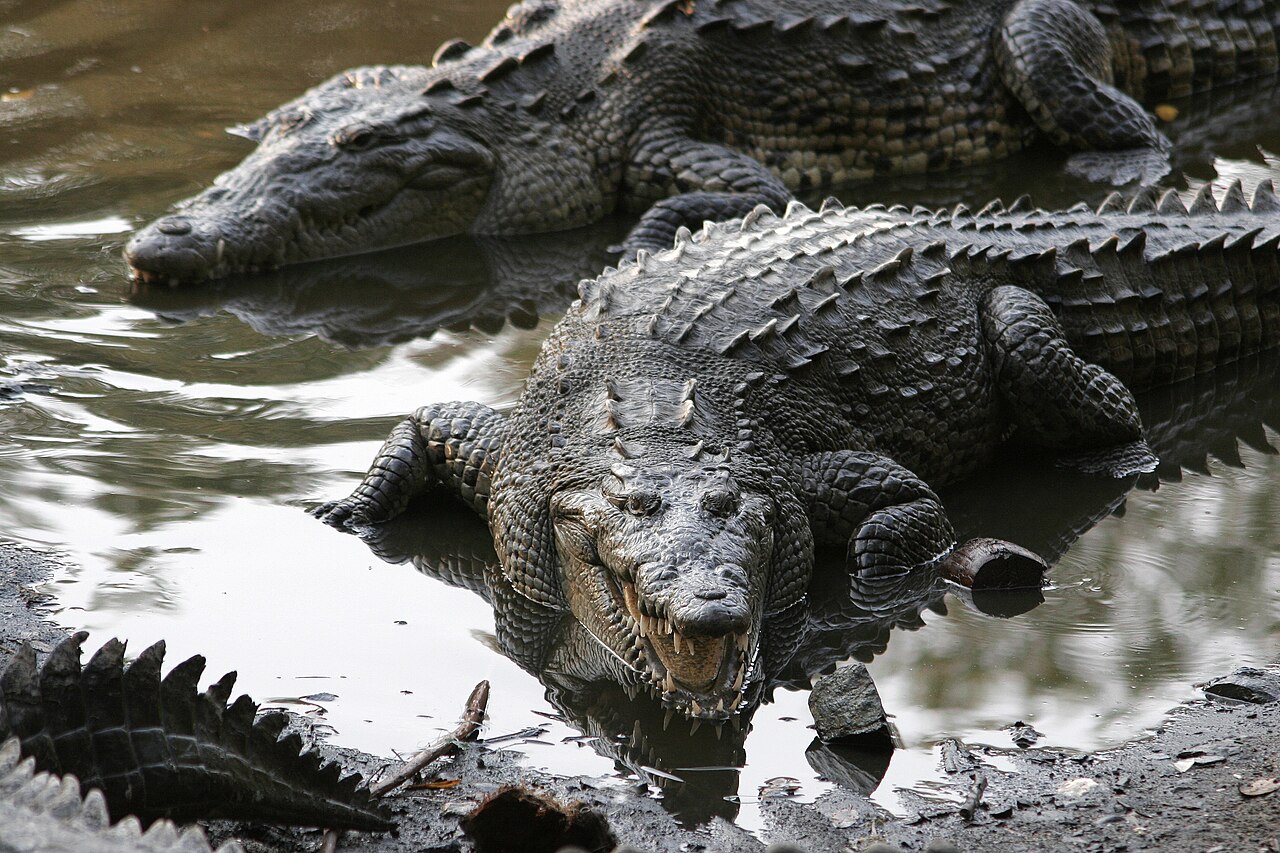
The animal in question is the American crocodile, Crocodylus acutus, known locally as cocodrilo de río or river crocodile. It lives mainly in rivers, estuaries, mangroves and wetlands along Mexico’s Pacific coast, according to the University of Guadalajara’s coastal campus.
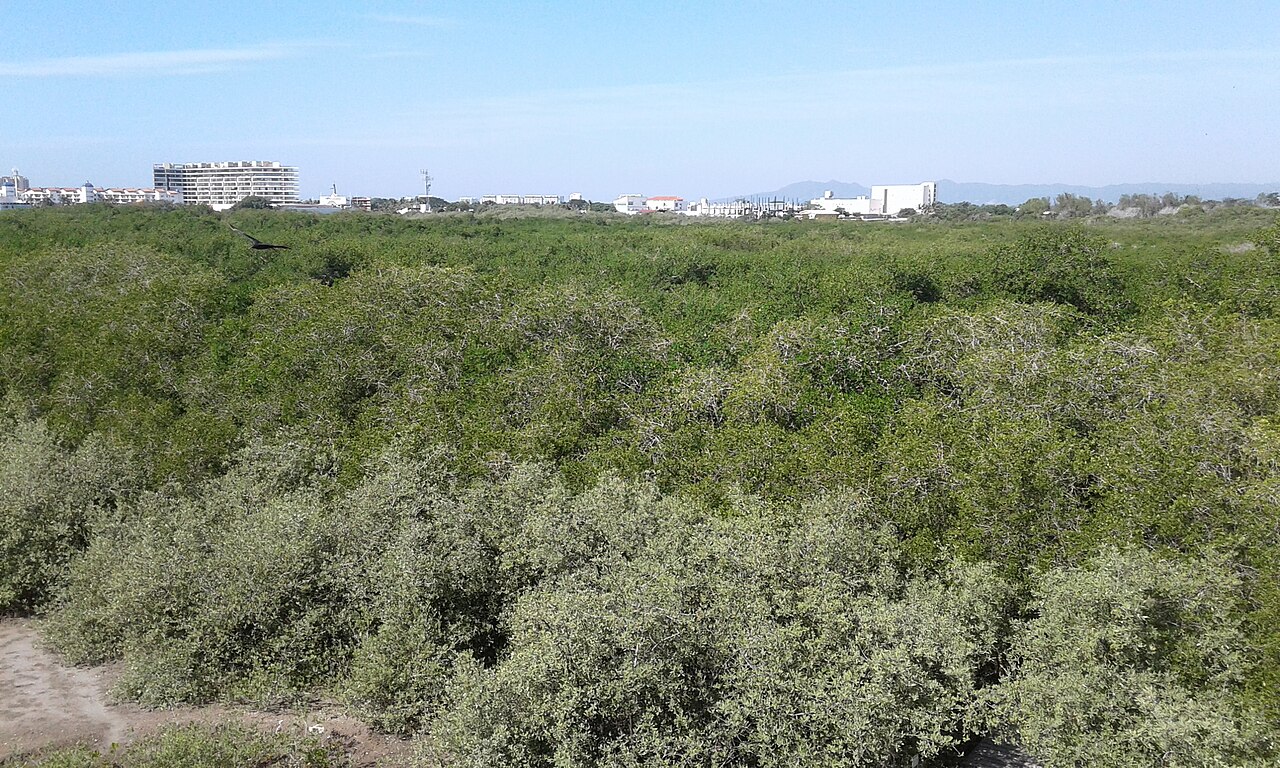
Around Puerto Vallarta, that habitat sits right next to the resort strip. The University of Guadalajara’s Gaceta names three estuaries, El Salado, Boca Negra and Boca de Tomates, plus two lagoons.
The lagoons are El Quelele and El Chino. All of these wetlands now share space with the marina, the airport, golf courses, hotels and housing.
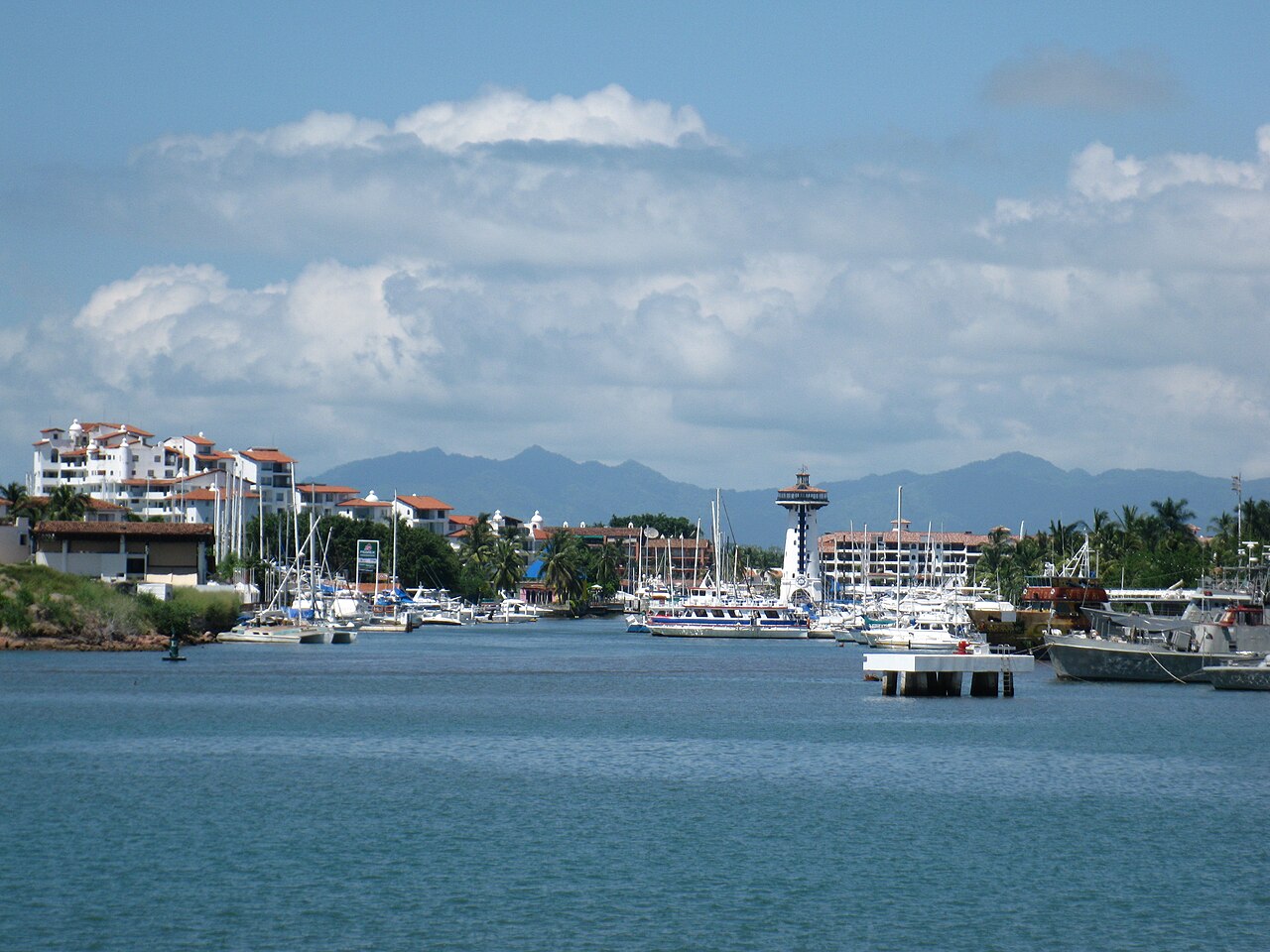
In Marina Vallarta, the residents’ association says crocodiles in the golf-course ponds are normal. The area was once part of the estuary.
- Estero El Salado: an estuary in Puerto Vallarta protected as a state park, which had about 40 registered adult crocodiles before the 2026 killings.
- Boca Negra: the estuary mouth beside the Marina Vallarta hotels, where the fatal attack happened in June 2026.
- Río Pitillal and Río Cuale: river mouths in the city, the Cuale beside the Zona Romántica.
- Río Ameca and Boca de Tomates: the river delta next to the airport, towards Nuevo Vallarta.
- Marina Vallarta: golf-course ponds, gardens, streets and even swimming pools, according to residents.
Why They Turn Up on Beaches and Streets
Crocodiles in Puerto Vallarta travel between estuaries, rivers and the sea, and they range further in the rainy season. Jalisco’s environment ministry, SEMADET, said in August 2026 that more encounters do not mean the bay is overpopulated.
SEMADET is Jalisco’s state ministry for the environment and territorial development. In its view, the rise in encounters reflects animals on the move rather than too many animals.
Building has squeezed their space. The airport and the marina took over wetlands and parts of the estuary, a university expert told El Informador in July 2025.
“The crocodile travels through the sea because the estuaries have shrunk,” said Pablo Hernández Hurtado of the university’s Cipactli reptile unit. Civil protection officials add that most sightings come at dusk or at night.
Researcher Ricardo Ojeda Adame of the same campus put it simply in August 2026: crocodiles need to move between estuaries. As habitat is cut up, “the crocodile can no longer move without an encounter with people,” the university’s Gaceta reported.
The 2026 Attack and How Rare It Is
On 26 June 2026, a 28-year-old hotel guest was taking a photograph on Boca Negra beach in Marina Vallarta. A crocodile seized him and dragged him out to sea, La Silla Rota reported.
Mexico’s Navy recovered his body the next morning, La Jornada reported. State and city civil protection teams had searched with the Navy by land and sea.
Navy personnel then captured the crocodile on the beach in front of the Boca Negra estuary, La Silla Rota said.
It was the first human death from a crocodile attack recorded in the bay, according to the University of Guadalajara’s Gaceta.
Biologist Paulino Ponce Campos has studied crocodile attacks since 1990. His records show 41 incidents around Banderas Bay in more than three decades.
Nationally, his records count 469 verified attacks or injuries to people since 1990, including 61 deaths. Quintana Roo, home to Cancún, records 82 incidents, Jalisco 66 and Oaxaca 65.
Those numbers put the risk in proportion. The university’s coastal campus says a large share of incidents happen when people enter or stay in crocodile habitat.
Beach Flags, Warnings and Sighting Alerts
Lifeguards from Puerto Vallarta’s civil protection and fire service raise coloured flags on the beaches. A red flag forbids any entry into the water, while a purple flag warns of confirmed dangerous marine wildlife, El Informador explained.
In early August 2026, the service listed red and purple flags at the Cuale and Pitillal river mouths. It also listed them at the Westin Regina, Marriott and Boca Negra beaches.
Five more points were closed to swimmers altogether: Playa del Holi, Boca de Tomates, Flamingos, Playa de Oro and Palmares.
In July 2026, Jalisco’s state civil protection and fire unit announced real-time crocodile alerts for Puerto Vallarta. They appear in Jalisco Alerta, a phone app.
The alerts draw on residents’ reports, the unit’s own patrols and known crocodile sites.
In Marina Vallarta, residents post sightings in private chat groups that municipal police also follow. The association’s manager asks neighbours to call 911 as well, so every sighting is on record.
Practical Safety Rules for Visitors and Residents
Official advice on crocodiles in Puerto Vallarta, from PROFEPA, SEMADET and civil protection, comes down to distance and common sense.
PROFEPA is the federal agency that enforces environmental law. It issued most of these rules in July 2026, and local services repeated them through the summer.
- Obey the flags and signs set by civil protection: a red flag means stay out of the water, and a purple flag means dangerous wildlife has been seen.
- Avoid swimming near estuaries and river mouths, and take extra care at dawn, dusk and night.
- Keep at least 25 metres (about 82 feet) from any crocodile on land or near the shore, as SEMADET advised in August 2026.
- Never feed a crocodile, throw objects at it or walk closer for a photograph.
- Keep a close watch on children, dogs and other pets near the water.
- Expect crocodiles in golf-course ponds and lagoons too, as Marina Vallarta’s residents’ association warns.
- Report every sighting to 911, the same emergency number used in the United States.
What to Do If You Meet a Crocodile
Stay calm and increase the distance at once, SEMADET reminded visitors in August 2026. Puerto Vallarta’s civil protection service adds that you should move away slowly, without sudden movements.
Do not try to capture, feed or approach the animal, Jalisco’s state civil protection unit says. Crocodiles are territorial wild animals that attack if they feel cornered or threatened, the city service warns.
Once you are safe, report the sighting to 911 and give the exact place. Only trained staff should handle a crocodile, PROFEPA says.
In Marina Vallarta, residents say, police deal with small animals. Civil protection specialists or the Patrulla Verde team move the large ones.
Protected by Law After the Killing of 11 Crocodiles
The American crocodile is listed as “subject to special protection” in Mexico’s official at-risk species standard, NOM-059-SEMARNAT-2010. SEMARNAT is the federal environment ministry that issues that list.
Under Article 420 of the Federal Penal Code, harming a protected wild animal carries one to nine years in prison. Fines run from 300 to 3,000 day-fines, each worth the offender’s net daily income.
In August 2026 SEMADET confirmed that 11 adult crocodiles had been found dead in the Puerto Vallarta area within a few weeks. The ministry condemned any attack on wildlife and promised to follow up each case.
One female, the eighth found, measured 2.72 metres (about 8.9 feet) and had a wound above one eye. The director of the El Salado estuary park said a quarter of its 40 registered adults had been killed.
Federal and local bodies now work together.
A human-crocodile working group brings in SEMARNAT, PROFEPA and CONANP, the federal protected-areas commission. Puerto Vallarta, neighbouring Bahía de Banderas in Nayarit state, the university and the El Salado park also take part.
After talks in Bahía de Banderas on 22 September 2026, officials set up a regional human-crocodile committee for both states’ coasts. Its six areas are prevention, response, surveillance, knowledge, habitat and public participation.
Where to See Crocodiles Safely
Estero El Salado, the state park inside the city, hosted a first Crocodile Festival with talks from the Cipactli reptile unit. About 600 people attended, the university reported in August 2026.
On the road to Boca de Tomates beach, near the airport, a chain-link fence separates the crocodiles’ home from the road. El Informador described it in 2023 as free to visit and listed it again in July 2025.
There is no car park, so watch for passing cars, since some people stop in their vehicles to look.
Rules for watching crocodiles in Puerto Vallarta are simple: no feeding, no throwing objects and no entering the animals’ habitat. Watching from behind a fence, at a distance, is the safe way to see them.
What It Means for US Readers
Puerto Vallarta’s airport handled about 2.06 million international passengers from January to July 2026, 19.3% fewer than a year earlier. Contralínea reported the figures from Grupo Aeroportuario del Pacífico, the airport operator.
For a US visitor, the risk from crocodiles in Puerto Vallarta is small but real. Warnings cluster at river mouths, estuary outlets and the Marina Vallarta hotel beaches.
Ask your hotel’s lifeguards about recent sightings and check the flags before every swim.
Storms change the picture quickly. After heavy rain, rivers and estuaries swell and crocodiles travel further, so follow the Hurricane Simon checklist for foreigners and local alerts.
For background, see Storm Simon near Puerto Vallarta, its growth to Category 4 and Mexico security and crime explained. More Mexico stories sit on the Rio Times Mexico page.
What Is Not Known
Nobody has an exact count of crocodiles in Puerto Vallarta. Estimates for Banderas Bay range from 250 to 350 animals, depending on who counts.
SEMARNAT was investigating the crocodile deaths in late August 2026, the Gaceta reported; local media counted 13 dead. Who killed them has not been made public.
Jalisco proposes moving urban crocodiles to an adapted El Salado estuary, but no timetable has been set. Civil protection officials said earlier moves failed because relocated males competed with resident males and left again.
It is also not known how far new building around the bay will shrink crocodile habitat, or where displaced animals will go.
Frequently Asked Questions
Are there crocodiles in Puerto Vallarta?
Yes. Crocodiles in Puerto Vallarta live in the estuaries, rivers, lagoons and golf-course ponds around the city. Estimates put the Banderas Bay population at 250 to 350 animals as of 2026.
Is it safe to swim in Puerto Vallarta?
Swimming is generally allowed where the flags permit it. Stay away from river mouths and estuary outlets, never swim under a red or purple flag, and take extra care at dawn, dusk and night.
What does a purple flag mean on a Puerto Vallarta beach?
A purple flag warns of confirmed dangerous marine wildlife, including crocodiles. A red flag means nobody may enter the water at all.
What should I do if I see a crocodile in Puerto Vallarta?
Stay calm, move away slowly and keep at least 25 metres (about 82 feet) away. Do not feed or approach it, and call 911 to report the sighting.
Has anyone been killed by crocodiles in Puerto Vallarta?
Yes. On 26 June 2026 a 28-year-old hotel guest died after a crocodile dragged him into the sea off Boca Negra beach in Marina Vallarta. It was the first such death recorded in the bay.
Is it illegal to hurt a crocodile in Mexico?
Yes. The American crocodile is a protected species, and Article 420 of the Federal Penal Code punishes harming protected wildlife with one to nine years in prison.
Where can I see crocodiles in Puerto Vallarta safely?
Two places to watch crocodiles in Puerto Vallarta from a distance are the Estero El Salado state park and the fenced roadside site on the way to Boca de Tomates beach. Keep behind the fence and never feed them.
Sources: NOM-059-SEMARNAT-2010, Diario Oficial de la Federación (Crocodylus acutus: Pr), 2010-12-30; Código Penal Federal, Article 420 (Cámara de Diputados, last reform DOF 13-03-2026), 2026-03-13; Grupo Aeroportuario del Pacífico: July 2026 passenger traffic report, 2026-08-05; Universidad de Guadalajara, CUCosta: crocodile research and education, 2026-07-03; Universidad de Guadalajara, CUCosta: first crocodile festival at Estero El Salado, 2026-08-24; Gaceta UdeG: Cocodrilos en Bahía de Banderas, 2026-08-31; El Informador: Semadet pide respetar fauna silvestre tras muerte de 11 cocodrilos, 2026-08-10; El Informador: banderas moradas en playas de Puerto Vallarta, 2026-08-04; El Informador: comité regional humano-cocodrilo Jalisco y Nayarit, 2026-09-23; El Informador: por qué hay más cocodrilos en las playas de Vallarta, 2025-07-15; El Informador: dónde ver cocodrilos en Vallarta, 2023-03-15; La Silla Rota: muere joven tras ataque de cocodrilo en Puerto Vallarta, 2026-06-27; La Jornada: Marina rescata el cuerpo de joven turista, 2026-06-27; Quadratín Jalisco: Jalisco Alerta notificará avistamientos de cocodrilos, 2026-07-22; Contralínea: mecanismo de reportes en Marina Vallarta, 2026-08-07; Contralínea: cocodrilos adultos del estero El Salado, 2026-08-17; UDG TV: proponen reubicar cocodrilos a estero en Puerto Vallarta, 2026-09-16; Contralínea: tráfico aéreo en Puerto Vallarta (datos GAP), 2026-08-07; Infobae México: Profepa alerta y recomendaciones por cocodrilos en Puerto Vallarta, 2026-07-23.
This article was produced by The Rio Times’ automated newsroom system. How we use AI · Report an error · Editorial responsibility: Matthias Camenzind, Editor-in-Chief
Rotate for Best Experience
This report is optimized for landscape viewing. Rotate your phone for the full experience.
You've reached your free article limit
Subscribe to The Rio Times for unlimited access to our news, expat and nomad guides and market intelligence on Latin America and Africa.