Masaya Volcano in Nicaragua: Drive Right Up to a Famous Lava Lake
Nicaragua · Travel
Key Facts
- —What happened Drive right to the rim of Nicaragua’s active Masaya Volcano and peer into its Santiago crater.
- —How big a jump Day entry costs about US$4, night visits US$10 for foreigners, US$5 for locals.
- —The real story No hiking needed: a paved road takes you steps from an active vent.
- —The catch A 2024 landslide buried the lava lake; only a red vent glow remains now.
- —Where it is growing Half an hour from Managua and 30-45 minutes from Granada, at Km 23.
- —What comes next Night sessions run 5-8 p.m., but gas spikes can close the crater road anytime.
No sweaty hike, no cable car, no crowds of thousands. At Masaya you steer your car to the rim of an active crater and peer straight down into a volcano.
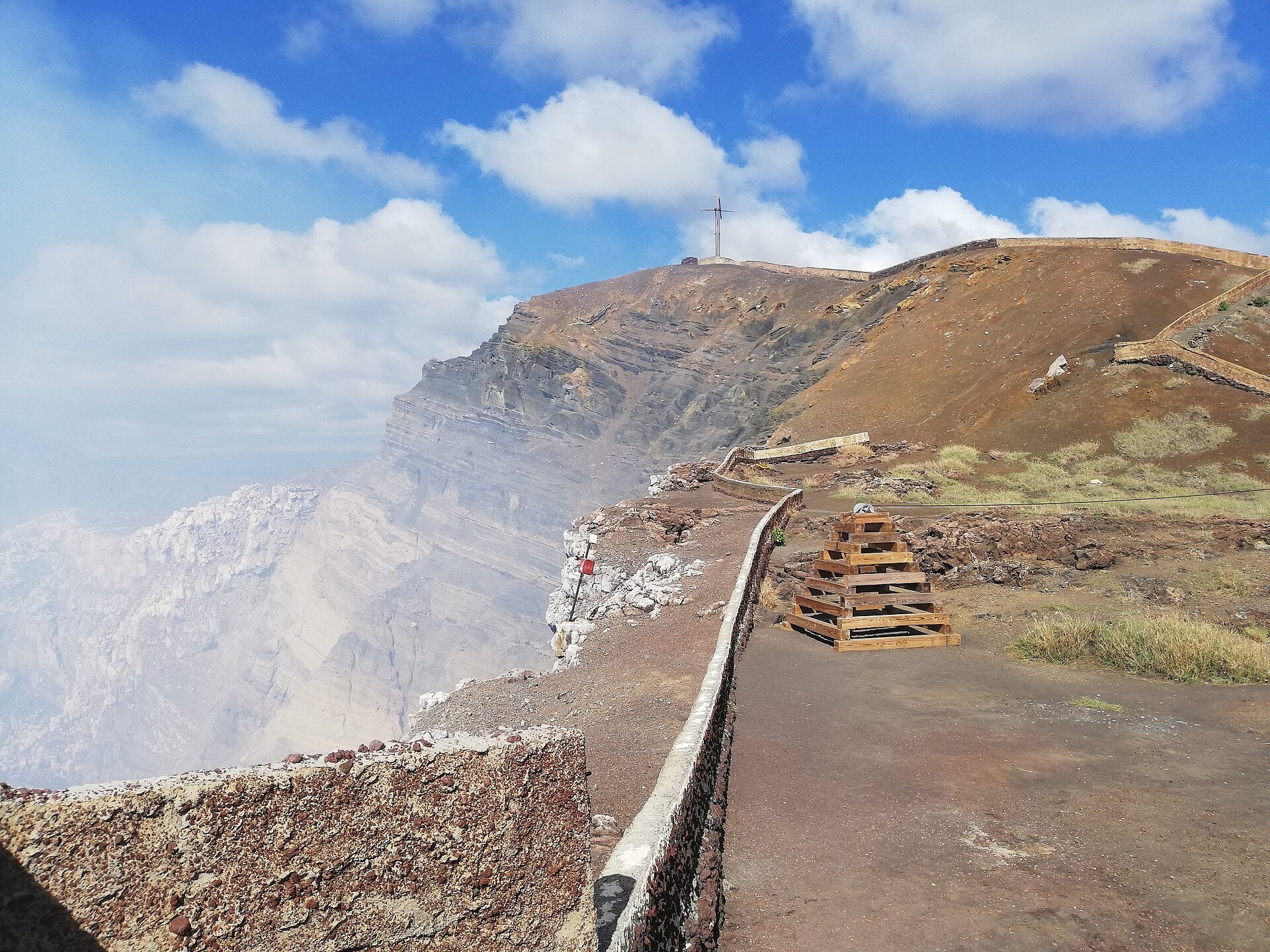
Masaya Volcano is the rare active volcano you can visit without breaking a sweat. Because a paved road runs all the way to the rim of its Santiago crater.
Just half an hour from Managua and a short drive from Granada, it lets you park a few steps from an active vent. Walk to a low stone wall, and look straight down into a smoking, glowing crater.
For travelers and expats based in Nicaragua, it is one of the easiest and most jaw-dropping day trips in the country.
Why Masaya Volcano Is a Bucket-List Stop in Nicaragua
Most of the world’s famous lava spots demand a serious effort. You hike for hours, hire a guide, or wait for a rare eruption to line up with your holiday.
Masaya flips that on its head. Here the road climbs the mountain for you and delivers you to a car park within a minute’s walk of the crater rim.
That accessibility is the whole magic. Families with small children, older travelers, and anyone short on time can still get the raw.
Primal thrill of standing over an active volcano. You feel the heat, smell the sulphur, and hear the low roar from deep inside the earth.
The Spanish colonizers who arrived here were so unnerved by the glow that they nicknamed the crater ‘La Boca del Infierno,’ the Mouth of Hell. And even planted a cross on the rim to ward off the devil.
That cross, the Cruz de Bobadilla, still marks the high point above the crater today.
The Santiago Crater and Its Famous Lava Lake
The star of the park is the Santiago crater. A steep-walled pit that has held one of the world’s few persistent lava lakes for years.
On a good night, that pool of molten rock would light the rising gas cloud a deep. Pulsing orange, which is what made Masaya globally famous.
Set your expectations honestly, though. In March 2024 a large landslide inside the crater buried the open lava lake under rock and debris.
Since then, monitoring reports describe glowing incandescence from a vent rather than a wide, exposed lake of churning lava. The upshot for a 2026 visit is that you can still see a genuine red volcanic glow after dark.
But not the picture-perfect bubbling lake from older photos and videos. Masaya is a living, shifting volcano, so what is visible changes over time.
Ask a local operator what the crater is doing before you commit to a special trip for the lava.
What It Costs to Get In
Prices at Masaya Volcano are refreshingly low by international standards. The daytime entrance fee is around C$150 per person.
Which works out to roughly US$4 at the August 2026 rate of about 36.7 cordobas to the dollar. Locals and foreigners generally pay the same daytime rate.
The night visit costs more because it is the headline experience: about US$10 per person for foreign visitors and US$5 for Nicaraguans. That fee is usually separate from any tour price.
So budget for it on top of transport if you book through an operator. Bring cash in cordobas or US dollars, as there is no reliable card machine or ATM waiting at the gate.
Small bills make life easier for you and the rangers.
Opening Hours and the Night Session
The park runs in two clear blocks. The day session opens around 9:00 a.m. and closes in the late afternoon.
Roughly 4:45 p.m. This is the time for the museum, the viewpoints, and seeing the scale of the crater in daylight. The night session is the one most travelers come for.
It typically runs from about 5:00 p.m. to 8:00 p.m.. Timed so you catch sunset and then the crater glow as the sky darkens.
Arriving just before dusk gives you the best of both, a lit landscape and then the after-dark show. Exact closing times can shift with the season, crowd numbers, and volcanic conditions.
So treat these hours as a guide and reconfirm on the day. When gas or seismic activity spikes, the park can shorten hours or close the crater road entirely.
How to Get There From Managua and Granada
The park entrance sits at Km 23 on the main highway between Managua and Masaya town. Which makes it an easy hop from Nicaragua’s two most-visited bases.
From Managua it is about 23 km, or roughly 30 to 40 minutes by car depending on traffic. From the colonial city of Granada, plan on about 30 to 45 minutes by road.
Which is why so many Granada-based visitors treat Masaya as a late-afternoon outing. You leave in time for the 5:00 p.m. night session and are back for a late dinner.
From the entrance gate, a paved 5 km road winds up through the park to the crater car park. Note that you pay at the gate, not at the top.
And that the drive up is part of the fun as the vegetation thins and the lava fields open out.
Driving Yourself Versus Taking a Tour
You do not need to buy a tour to see Masaya. If you have your own car or a rental, you can simply drive to the gate.
Pay, and continue up to the rim under your own steam. That flexibility suits expats and confident road-trippers who want to linger.
That said, an organized night tour from Granada or Managua takes the logistics off your plate. Operators handle the timing, the driving in the dark.
And often fold in extra stops such as a lava-tube cave or a viewpoint over the lights of Managua. For a first visit, especially at night, many travelers find a small-group tour worth the modest extra cost.
If you drive yourself, go with a full tank, good headlights. And a companion, and give yourself daylight buffer for the mountain road.
Safety Rules You Need to Know
Masaya is genuinely active, so the park takes safety seriously and so should you. Rangers cap how long each group stays at the rim, often around 30 to 60 minutes.
To manage crowds and limit your exposure to volcanic gas. A long-standing rule at the crater car park is to back your vehicle into the space so it faces the exit.
If activity or gas suddenly increases, everyone needs to be able to leave quickly, and reverse parking makes that possible. Walking down into the crater or across the volcanic cones is strictly forbidden.
Stay behind the walls and on marked paths. People with breathing conditions should be cautious on high-gas days, and if the rangers say the crater is closed.
Respect it, as they close it precisely when the volcano is behaving unpredictably.
What to Bring and When to Go
Pack light but smart. A light jacket helps after dark, closed shoes handle the rough ground, and a small torch is handy in the car park.
The sulphurous gas can sting sensitive eyes and throats. So a scarf or buff to breathe through is a comfort on gusty days.
Photographers should bring a tripod or a steady surface for the low-light crater shots. As the glow is far easier to capture with a longer exposure than with a phone snapshot.
Wind direction matters too, since the gas plume can swing across the viewpoint. The dry season, roughly December to April, brings clearer skies and easier driving, but the crater glows year-round after dark.
Weekends and holidays are busiest, so a weekday night session usually means a calmer, less crowded rim.
Beyond the Crater: Museum, Cross and Lava Fields
The Santiago crater grabs the headlines, but the park has more to fill an afternoon. The visitor center and interpretation museum near the entrance explain the volcano’s geology.
Its indigenous history, and the science of the monitoring that keeps visitors safe. Energetic visitors can climb the steps to the Cruz de Bobadilla.
The summit cross that offers a sweeping view over the crater complex and the surrounding lava plateau. On a clear day you can see across to lakes and other cones on the horizon.
The wider Parque Nacional Volcan Masaya protects a large area of old lava flows and dry forest. Home to a famous colony of green parakeets that, remarkably, nest inside the gas-filled crater.
Trails and lava-tube caves in the park can be visited with a guide when conditions allow.
Tips for Expats and Repeat Visitors
If you live in Nicaragua, Masaya is the perfect place to take visiting friends and family. Because it delivers a huge wow-factor for a tiny budget and a short drive.
Keep a mental note of which nights the glow is strong and time guests’ visits accordingly. Because the volcano is always changing, it rewards repeat trips.
The crater you see this year may look quite different next year. And locals often know within days when the glow brightens or a new vent opens up.
Finally, build in a stop in nearby Masaya town, famous for its handicraft market. Or push on to Granada for dinner by the lake.
Pairing the volcano with a meal and a stroll turns a quick crater visit into one of the most satisfying easy day trips in the country.
More: Latin America news in English, every day from The Rio Times.
Frequently Asked Questions
How much does it cost to visit Masaya Volcano?
Daytime entry is around C$150 per person, about US$4 at August 2026 rates. The popular night visit costs about US$10 for foreigners and US$5 for Nicaraguans, usually separate from any tour price.
Can you still see the lava lake at Masaya?
A landslide in March 2024 buried the open lava lake, so you no longer see the wide bubbling pool from older photos. As of 2025–2026 visitors still see a genuine red volcanic glow from the crater after dark, but not the classic exposed lake.
What time should I go, day or night?
The day session runs about 9:00 a.m. to 4:45 p.m. and is good for the museum and the scale of the crater. The night session, roughly 5:00 p.m. to 8:00 p.m., is when you see the glow, so most travelers choose the evening.
How do I get to Masaya Volcano from Managua or Granada?
The entrance is at Km 23 on the Managua–Masaya highway. About 23 km (30–40 minutes) from Managua and roughly 30–45 minutes by car from Granada.
Connected Coverage
Sources: INETER / Smithsonian Global Volcanism Program; Nicaragua tourism and park visitor guides; TripAdvisor visitor reports (2025–2026); XE (FX rate).
This article was produced by The Rio Times’ automated newsroom system. How we use AI · Report an error
Read More from The Rio Times