Who Runs Nicaragua’s Economy, the Key Players in 2026
NICARAGUA · ECONOMY
Key Facts
- —The country Nicaragua is a Central American country of about 6.8 million people, led by co-presidents Daniel Ortega and his wife Rosario Murillo. Gold, farm goods, clothing and remittances keep the economy running.
- —The size The Nicaragua economy grew 4.9% in 2025 and is forecast to grow 3.6% in 2026. Public debt stood at 48.1% of GDP, the value of everything the country produces, in 2025.
- —Exports Exports reached US$5.13 billion in the first half of 2026, up 15.6%. Gold earned US$1.54 billion, coffee US$629.5 million and beef US$569.3 million.
- —The banks Four banks hold about 77% of banking assets, and the whole financial system held US$7.5 billion in 2025. The stock market is almost empty.
- —The state The government owns the water, ports, power-grid and mining companies. It controls many more through proxies that no regular audit covers.
- —Money from abroad Private operators estimate remittances at US$6.3 billion in 2025, about 30% of GDP. The central bank stopped publishing the figure in 2025.
- —The catch US sanctions hit the state miner ENIMINAS in 2022 and seven gold firms in April 2026. The State Department tells investors to expect no predictable rule of law.
The Nicaragua economy matters to Americans because the United States buys 38% of the country’s exports (2025 figure). State companies, four big banks, two foreign gold miners and money sent home by emigrants are at its centre.
This guide names the key players as of October 2026 and explains who controls them.

The Nicaragua Economy in Numbers
Nicaragua has about 6.8 million people, according to the International Monetary Fund. The World Bank says the Nicaraguan economy grew 4.9% in 2025, helped by services, construction, mining and remittances.
The same bank expects growth of 3.6% in 2026 and 3.2% in 2027. Inflation was 2.1% in 2025, and the bank estimates 2.9% for 2026.
Central bank president Ovidio Reyes said in September 2026 that the bank projects 2026 growth of 3.5% to 4.5%. He put growth at about 4.1% for the first half of the year.
The World Bank puts public debt at 48.1% of GDP in 2025 and the budget surplus at 3.2% of GDP. It estimates international reserves at US$8.2 billion in 2026, about 7.5 months of imports.
The national currency, the córdoba, has been fixed at about 36.6 to the US dollar since January 2024, the State Department says. Almost all international lenders have stopped giving Nicaragua new loans, so the Nicaragua economy leans on Chinese financing.
Nicaragua belongs to CAFTA-DR, the free trade pact with the United States, and signed a trade deal with China in January 2024. More context is in the Nicaragua section and in a report on the economy under Ortega and Murillo.
The Co-Presidents and the State Companies
Daniel Ortega, in power for over 30 years, now shares the presidency with his wife Rosario Murillo, the US Treasury says. Their adult children hold government posts, among them Laureano Ortega Murillo, the presidential adviser for investments.
Laureano leads the National Foreign Investment Commission, created in February 2025, which registers and oversees every foreign investment in the Nicaraguan economy. The US Treasury sanctioned him in 2019, and the State Department says nearly every investor meeting includes at least one sanctioned person.
Many of the state companies grew out of Albanisa, a sanctioned joint venture between the state oil companies of Nicaragua and Venezuela. In 2020 the government nationalised DisNorte-DisSur, the main electricity distributor, which Albanisa used to own.
Social security and the army also own businesses. The social security institute INSS holds a drug maker and real estate, and the army pension fund IPSM controls construction, manufacturing and service companies.
The regime also takes private firms. It seized the Nicaraguan Recycling Company in September 2025, saying its parent, the Nicaraguan Brewing Company, owed back taxes.
TELCOR, the telecom regulator, counted 7.74 million mobile subscriptions in June 2026, served by Claro and Tigo. Its director Nahima Díaz Flores said a third operator was interested.
The State Department says no one can count the companies the state owns or controls, because they face no regular audit. The ones it names include these state-owned firms:
- ENACAL, the national water and sewer company, and EPN, the national ports authority, where private investment is not allowed.
- ENATREL, which runs the national power transmission grid, and ENEL, the state electricity company.
- Petronic, the state oil company, and ENIMINAS, the state mining company, which the US Treasury sanctioned in June 2022.
- The airports authority EAAI, the insurer INISER, the food-staples company ENABAS and the national lottery.
Gold, the New Engine of Exports
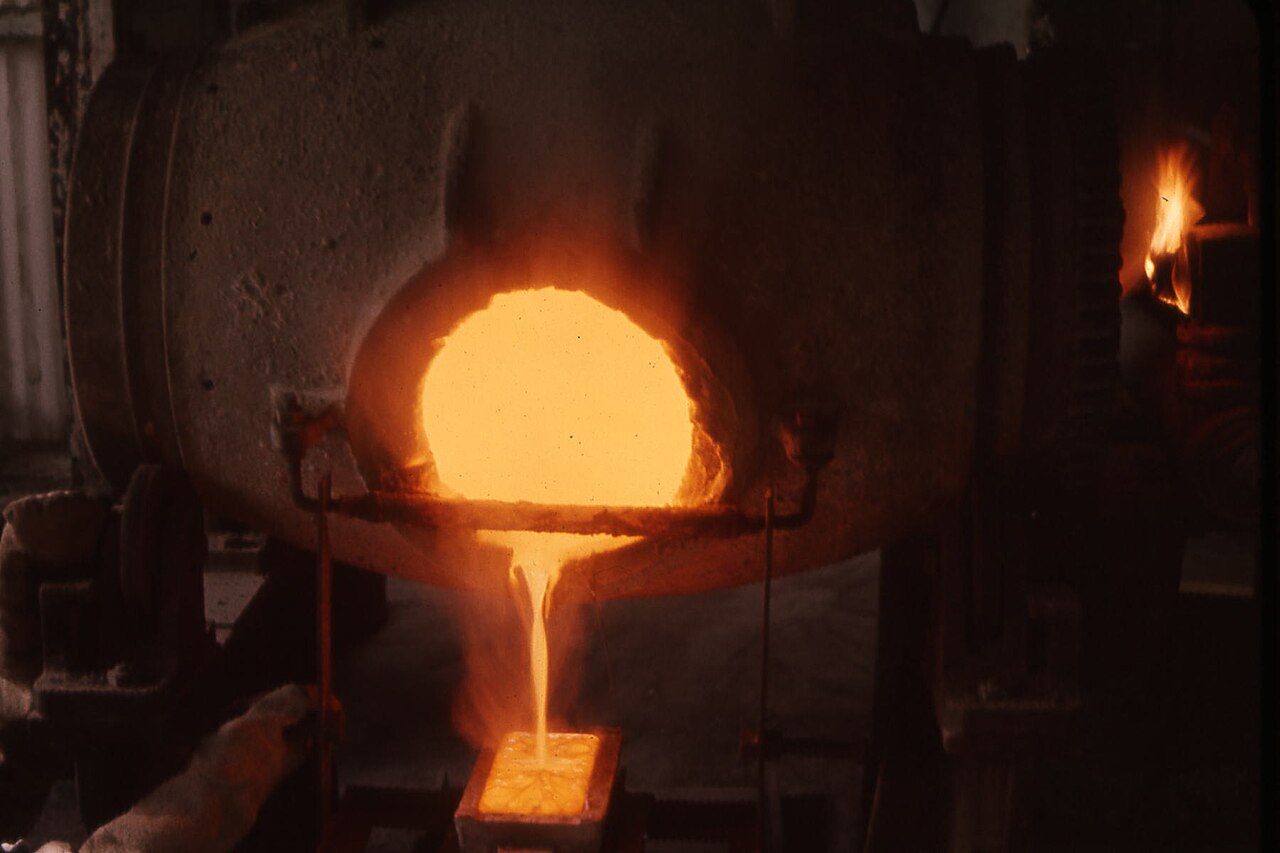
Gold is now the engine of the Nicaragua economy, with exports of US$1.54 billion in the first half of 2026. That is up 79.3% on a year earlier, according to Confidencial, and compares with US$1.97 billion for all of 2025.
Volume rose 15.4% to 334,700 troy ounces, while the average price jumped 55.4%. The central bank president put the average price at US$4,610.50 an ounce, almost US$1,300 more than a year earlier.
The United States, Canada and Switzerland were the main buyers, according to Confidencial. Two foreign mining companies publish their Nicaraguan output.
The Foreign Miners
Equinox Gold, a Canadian company listed in Toronto and New York, produced 199,246 ounces in Nicaragua in the first nine months of 2026. That included 58,489 ounces in the third quarter.
Mineros, based in Medellín, Colombia and listed in Toronto and Bogotá, owns the Hemco property near the town of Bonanza. Hemco produced 114,344 ounces in the same nine months, and Mineros raised its 2026 guidance for it to 148,000 to 152,000 ounces in October 2026.
Hemco buys much of its ore from artisanal miners, small independent diggers who sell rock to the plant. The company’s own figures say about 70% of its 2024 guidance came from material bought from them.
In December 2025 Mineros settled a tax dispute with the Nicaraguan authorities for US$49.3 million, covering 2019 to 2024, according to La Prensa.
The Regime-Linked Gold Network
The US Treasury says ENIMINAS decides which companies may mine and passes profits to private partners and regime insiders. On 16 April 2026 it sanctioned seven gold companies, among them EMSA, Grupo Minero Xiloa, Thomas Metal and Zhong Fu Development.
The Treasury says EMSA sells gold in bulk in the United States. It says Xinxin Linze Mineria Group shipped over US$25 million of gold there in early to mid-2025.
The Treasury also sanctioned two more sons of the co-presidents for their government posts. Maurice Ortega Murillo oversees the sports institute, and Daniel Edmundo Ortega Murillo heads the Communication and Citizenship Council.
The Treasury says the scheme is managed by Laureano Ortega Murillo and Salvador Mansell Castrillo, both already under US sanctions. It adds that regime-linked firms occupied a plant of BHMB Mining Nicaragua, a company founded with US investment, in 2025.
The sanctioned companies are Nicaraguan firms that the Treasury links to the regime. Equinox and Mineros are not among them.
Coffee, Beef and Sugar from the Farms
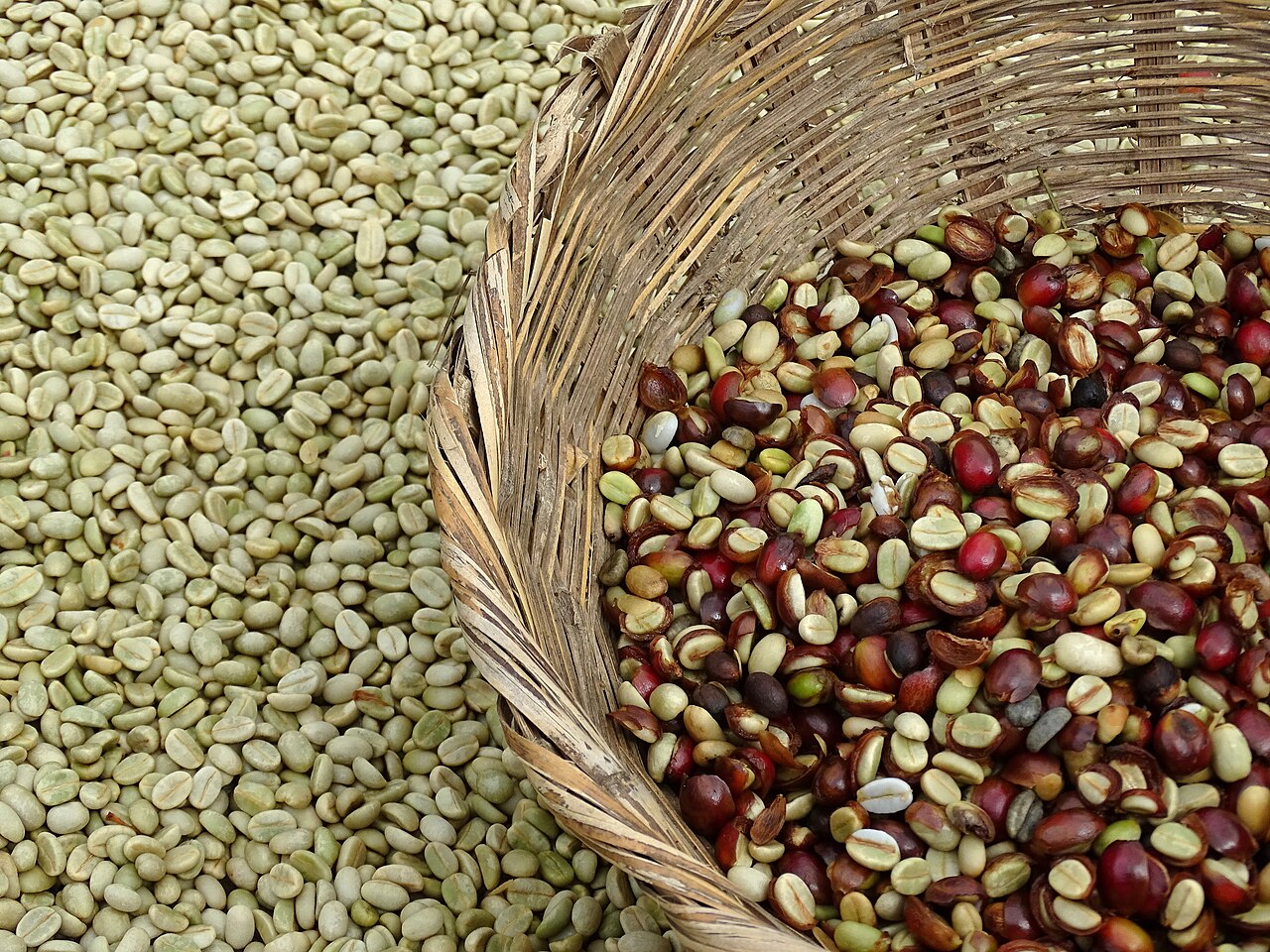
Coffee earned US$629.5 million and beef US$569.3 million in the first half of 2026, according to central bank data reported by Infobae. Beef rose 32.4% on higher volume and prices, while coffee rose 3.7%.
With gold, they made up over three quarters of the US$3.57 billion sold outside the free zones in the first half. Peanuts fell 31.6% to US$40.8 million and beans fell 22.8% to US$54.7 million.
Sugar comes from mills such as San Antonio and Monte Rosa in Chinandega, Casur in Rivas and Montelimar in the Managua region. They produced 16.5 million quintales in the 2025-26 harvest, up 0.21%, and sugar exports brought in about US$598 million from 2022 to 2025.
The United States took about 44% of Nicaraguan exports from January to May 2026, according to AgroLatam. China took about 1%, roughly US$46 million, which is below its 2025 level.
An earlier report on first-half exports describes how gold lifted the total. Exports to China remain small beside the US market.
Free Zones and the Textile Factories
Free zones are industrial parks where factories trade duty-free, and most output goes to the US market, the State Department says. They employ more than 100,000 workers.
Free-zone exports fell 10.1% to US$1.56 billion in the first half of 2026, US$174 million less than a year earlier. Textiles earned US$763 million, US$241 million less, and more than 22,000 workers lost their jobs over the past year, according to Reyes.
Reyes blamed US tariff policy, saying Nicaraguan goods pay 12.5% while the regional average is 10%. In October 2025 the US Trade Representative found that Nicaragua’s labour and rights record burdened US commerce, and in 2026 it opened a second investigation.
In April 2026 the government made most free-zone tax breaks permanent. In October 2025 it also created Belt and Road Special Economic Zones, named after China’s investment programme, with ten-year tax exemptions aimed at Chinese investors.
Free zones supplied about 40% of exports in 2025, down from the traditional 48% to 50%, according to TN8. That makes them the part of the Nicaragua economy most exposed to the US market.
The Banks and the Business Families
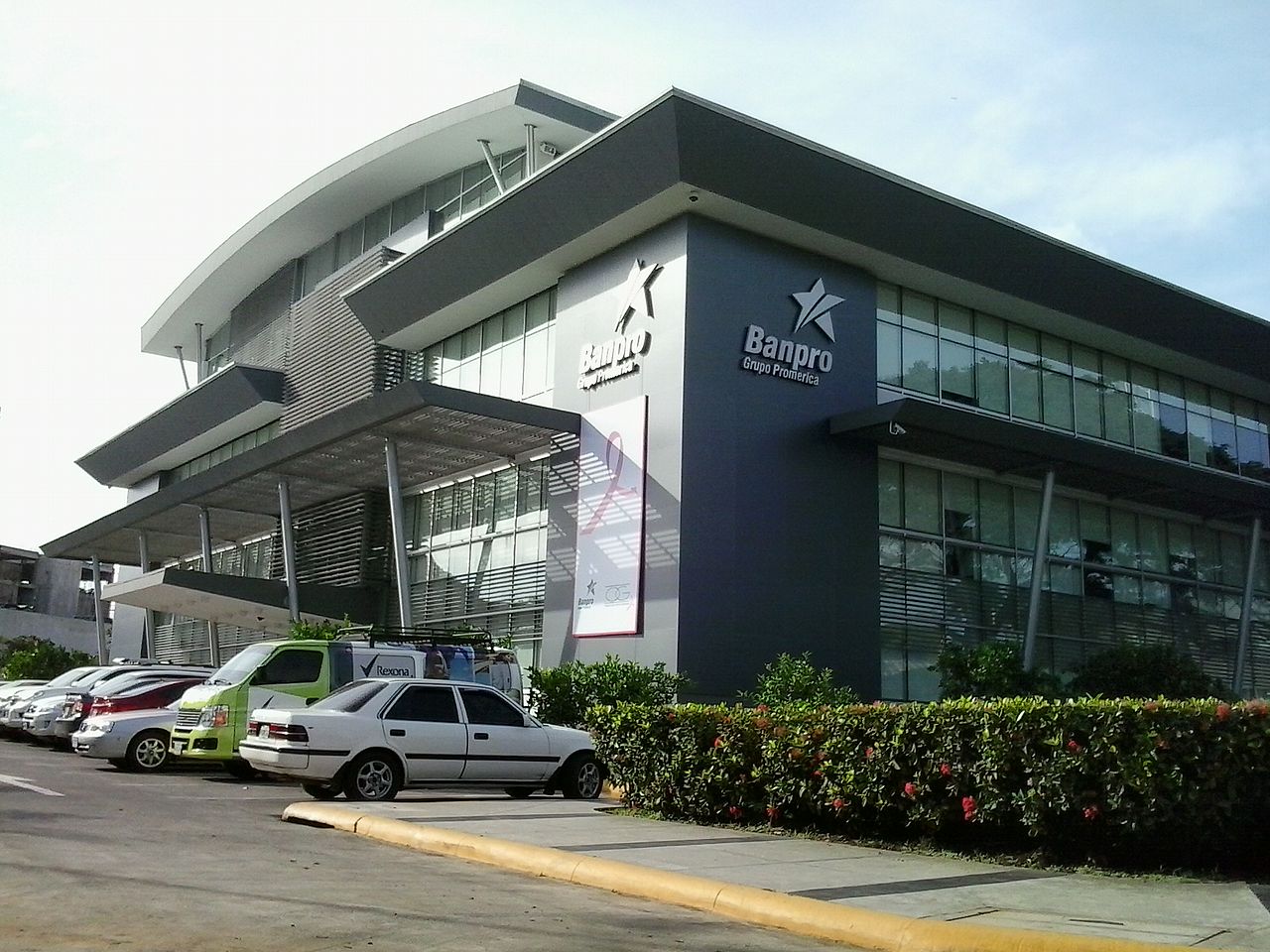
Four banks hold about 77% of banking assets in the Nicaraguan economy: Banpro, LAFISE, BAC and Ficohsa, the State Department says. The whole financial system held US$7.5 billion in assets in 2025, and only 23% of adults were banked in 2024.
Grupo Pellas, the family group that Carlos Pellas Chamorro consolidated from 1985, owns the Flor de Caña rum brand and sugar and ethanol operations. It also holds real estate, tourism and finance businesses, including the Avanz bank.
The regime shut down COSEP, the main business federation, in 2023. In 2024 it closed 151 business chambers, including AmCham, the American Chamber of Commerce.
Regulators now have wide powers. The banking superintendency SIBOIF can remove any private bank’s board members, and the government closed the banks’ association in 2023.
The eight banks together earned about US$100 million in the first half of 2024. The four leaders are these:
- Banpro: founded in 1991 by businessman Ramiro Ortiz and part of Grupo Promerica. In 2024 Grupo Promerica and Grupo Assa, both based in Panama, bought Banpro and Banco de Finanzas through a new holding company, Nueva Tenedora Banpro. The two banks together held 35.31% of banking-system assets at the end of 2023.
- LAFISE Bancentro: part of Grupo LAFISE, founded in Miami in 1985 by Roberto Zamora Llanes, its executive chairman as of September 2026. The group operates in 11 countries.
- BAC Nicaragua: part of BAC Credomatic, a regional group born in Nicaragua that Colombia’s Grupo Aval entered in 2010. It earned US$35.35 million in the first half of 2024, the most of any Nicaraguan bank.
- Ficohsa: a Honduran-owned bank that earned US$6.13 million in the same period. Among the smaller banks, Avanz belongs to Grupo Pellas and Produzcamos is state-owned.
Remittances, the Hidden Pillar
Remittances are the hidden pillar of the Nicaragua economy: money that Nicaraguans abroad send to relatives, more than 80% of it from the United States. Private operators estimate US$6.3 billion in 2025, about 30% of GDP, according to the State Department.
The central bank stopped publishing remittance data in 2025, so no official figure exists for that year. A study by the Inter-American Dialogue, a Washington think tank, projects US$6.77 billion in 2026, or 34.4% of GDP, the highest share in Latin America.
After exports, remittances are the largest source of foreign currency, according to Infobae’s reading of central bank data. They keep shops open and raise tax revenue, but they depend on Nicaraguans working abroad.
What It Means for US Readers
In 2025 the United States took 38% of Nicaraguan exports and supplied 20% of imports, the State Department says. US Census data show Americans bought US$4.96 billion of Nicaraguan goods in 2025 and sold US$2.43 billion.
The State Department’s 2026 Investment Climate Statement tells investors to use extreme caution and not to expect rule of law. US rules generally bar American persons from dealing with the sanctioned firms, which include a gold exporter that sells in bulk in the United States.
Most Americans meet this economy through coffee, beef, gold and apparel made in free zones. The politics behind it are covered in guides to Nicaragua’s geopolitics and its place in Latin America.
Anyone planning to buy property or invest should seek local legal advice early. The State Department reports confiscations, land occupations and false land titles.
What Is Not Known
The central bank no longer publishes remittances, and no list of state-controlled companies exists. The true size of the state sector in the Nicaragua economy cannot be measured.
Export tables list products, not companies, so each miner’s share of gold sales is not shown. The prices and stakes in the 2024 Banpro deal were not disclosed.
It is also open how far a second US investigation and new sanctions will cut free-zone and gold exports. The full reach of the gold network that the Treasury named in April 2026 is not public.
Frequently Asked Questions
Who runs the Nicaragua economy?
Co-presidents Daniel Ortega and Rosario Murillo control the state companies and the foreign investment commission of the Nicaragua economy, and the US Treasury says they also steer the gold sector. Four big banks hold about 77% of banking assets, and business families such as the Pellas group lead parts of the private sector.
What is Nicaragua’s biggest export?
Gold, at US$1.54 billion in the first half of 2026, according to central bank data reported by Confidencial. Coffee and beef came next at US$629.5 million and US$569.3 million.
Which are the biggest banks in Nicaragua?
Banpro, LAFISE, BAC and Ficohsa hold about 77% of banking assets, according to the State Department. The financial system held US$7.5 billion in assets in 2025.
Does Nicaragua have a stock market?
Nicaragua has no active equities market, the State Department says. The small Bolsa de Valores de Nicaragua trades mainly government bonds.
How important are remittances to Nicaragua?
Private operators estimate US$6.3 billion in 2025, about 30% of GDP. The central bank stopped publishing the figure in 2025.
Is it safe for US companies to invest in Nicaragua?
The State Department tells investors to use extreme caution and expect no predictable rule of law. US sanctions cover ENIMINAS and seven gold firms named in April 2026.
Sources: US State Department, 2026 Investment Climate Statements: Nicaragua, 2026-10-06; US Treasury, press release on gold firms and officials, 2026-04-16; OFAC, Nicaragua-related designations, 2026-04-16; World Bank, Nicaragua overview, 2026-10-06; International Monetary Fund, Nicaragua country page, 2026-10-21; US Census Bureau, trade in goods with Nicaragua, 2026-10-21; Mineros S.A., Q3 2026 production release, 2026-10-13; Mineros S.A., Hemco property, Nicaragua, 2026-10-21; Equinox Gold, Q3 2026 production results, 2026-10-13; Confidencial, gold exports, 2026-10-11; Infobae, Nicaragua export figures, 2026-10-12; Infobae, remittances to Nicaragua, 2026-10-09; Forbes Centroamérica, exports first half 2026, 2026-09-23; La Prensa Nicaragua, free-zone exports, 2026-09-25; La Prensa Nicaragua, TELCOR and the third operator, 2026-09-10; TN8, free zones, 2026-04-14; AgroLatam, export destinations, 2026-08-04; Infobae, sugar harvest 2025-26, 2026-06-01; Forbes Centroamérica, Banpro and BDF deal, 2024-06-03; La Prensa Nicaragua, Banpro and BDF assets, 2024-06-04; La Prensa Nicaragua, bank profits first half 2024, 2024-09-02; Forbes Centroamérica, Grupo LAFISE at 40, 2025-12-04; Revista E&N, Central American banking groups, 2025-01-08; Revista E&N, Grupo LAFISE leadership, 2026-09-11; Las2orillas, Grupo Pellas, 2024-01-11; La Prensa Nicaragua, Hemco tax settlement, 2025-12-20.
This article was produced by The Rio Times’ automated newsroom system. How we use AI · Report an error · Editorial responsibility: Matthias Camenzind, Editor-in-Chief
Expat Guide to Nicaragua
What The Rio Times publishes for foreigners who live in or move to Nicaragua.
Start here
- Is Nicaragua Safe for Expats? Crime, Politics and Daily Reality
- Opening a Bank Account in Nicaragua as a Foreigner: Banks, Documents and the Limits
- Moving to Nicaragua: Visas, Costs and Daily Life Under Ortega
- Healthcare in Nicaragua for Expats: Hospitals, Insurance and the Managua Option
Understand Nicaragua
Rotate for Best Experience
This report is optimized for landscape viewing. Rotate your phone for the full experience.
You've reached your free article limit
Subscribe to The Rio Times for unlimited access to our news, expat and nomad guides and market intelligence on Latin America and Africa.
Expat Guide to Nicaragua
What The Rio Times publishes for foreigners who live in or move to Nicaragua.
Start here
- Is Nicaragua Safe for Expats? Crime, Politics and Daily Reality
- Opening a Bank Account in Nicaragua as a Foreigner: Banks, Documents and the Limits
- Moving to Nicaragua: Visas, Costs and Daily Life Under Ortega
- Healthcare in Nicaragua for Expats: Hospitals, Insurance and the Managua Option
Understand Nicaragua