Healthcare in Ghana for Expats 2026 — Private Care, NHIS and Evacuation Cover
GUIDES · GHANA
Key Facts
- —What it is A mixed public-private system in which most foreign residents use private hospitals and clinics in Accra.
- —Who it’s for Foreign residents holding a Ghana Card can join NHIS; short-stay visitors rely on travel or international insurance.
- —What it costs Private care costs far less than in Western systems, but hospitals usually want payment before treatment.
- —Why it matters US government advice says serious medical emergencies in Ghana require evacuation, so the insurance decision shapes outcomes.
- —The catch Ambulances are limited, and specialist depth narrows quickly outside Accra, Kumasi and a few other cities.
Healthcare in Ghana for expats works well for routine care in Accra, but it rewards preparation: a private hospital, upfront payment and evacuation cover.
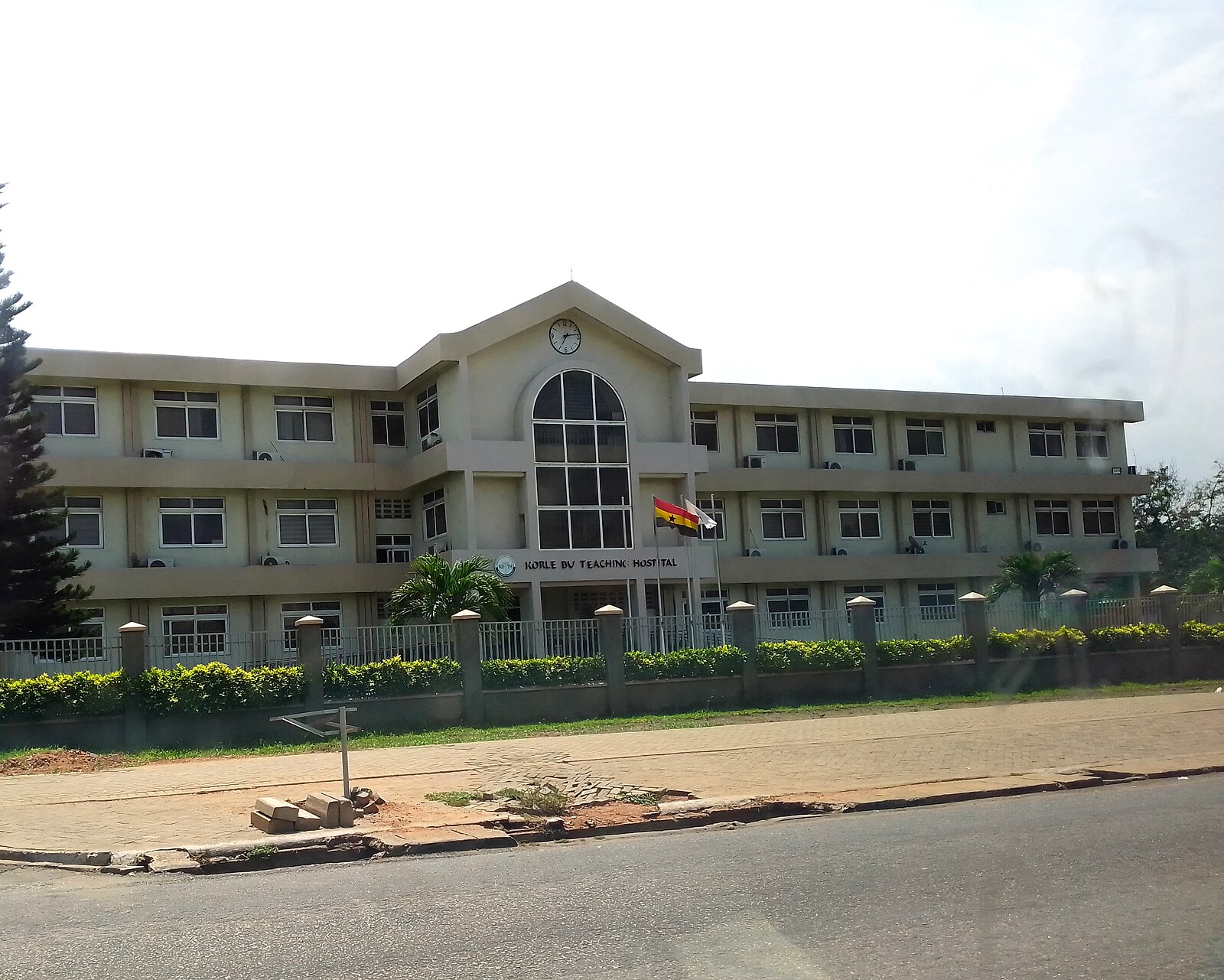
Healthcare in Ghana for expats has three layers: public hospitals, the National Health Insurance Scheme (NHIS) and private care in Accra. Routine and moderate care is handled locally, while serious emergencies and complex treatment often mean evacuation abroad.
How the system fits together
Ghana’s health system has three layers that a foreign resident meets in practice. The public tier runs from district hospitals to teaching hospitals such as Korle Bu in Accra and Komfo Anokye in Kumasi.
Public hospitals carry the heaviest clinical load in the country and hold much of its specialist skill. For a newcomer, however, they often mean long queues, crowded wards and uneven access to medicines.
The National Health Insurance Scheme (NHIS) finances care for members at public facilities and at private providers it accredits. The private tier sits alongside it, and this is where most expats go first.
The layers overlap rather than compete.
A private clinic may send a patient to a teaching hospital for a specialist. A teaching hospital may refer abroad when local capacity runs out.
Joining NHIS as a foreign resident
NHIS is a resident scheme, not a travel policy. Registration runs on the Ghana Card, the national identity card that the National Identification Authority also issues to foreign residents.
Foreign nationals resident for at least 90 cumulative days must register for it, with diplomatic staff exempt. Membership lasts 12 months and is renewed at district offices, through the MyNHIS app or by dialling *929#.
Premiums for most adults are not published as a single national figure online, so ask the district office. Workers who contribute to the Social Security and National Insurance Trust (SSNIT) are among the groups exempt from premiums.
For most expats, NHIS works best as a low-cost supplement to healthcare in Ghana, not full cover. One Accra guide notes that most private hospitals do not accept NHIS and work with private insurers instead.
Short-stay visitors are a different case. A visitors’ insurance scheme was launched in 2024, but the health ministry later said Cabinet had not approved making it mandatory.
Free primary healthcare: the 2026 change
The main structural change this year is the Free Primary Healthcare programme, launched in April 2026. By early September 2026 it was operating in 135 districts across all 16 regions.
It covers care at Community-based Health Planning and Services (CHPS) compounds, health centres and polyclinics, not hospital treatment. Residents in the participating districts do not need an NHIS card to use it.
The government describes it as a complement to NHIS, not a replacement, and targets nationwide coverage by 2027. How it applies to foreign residents in practice has not been set out in detail, so ask at the facility.
The private hospital tier in Accra
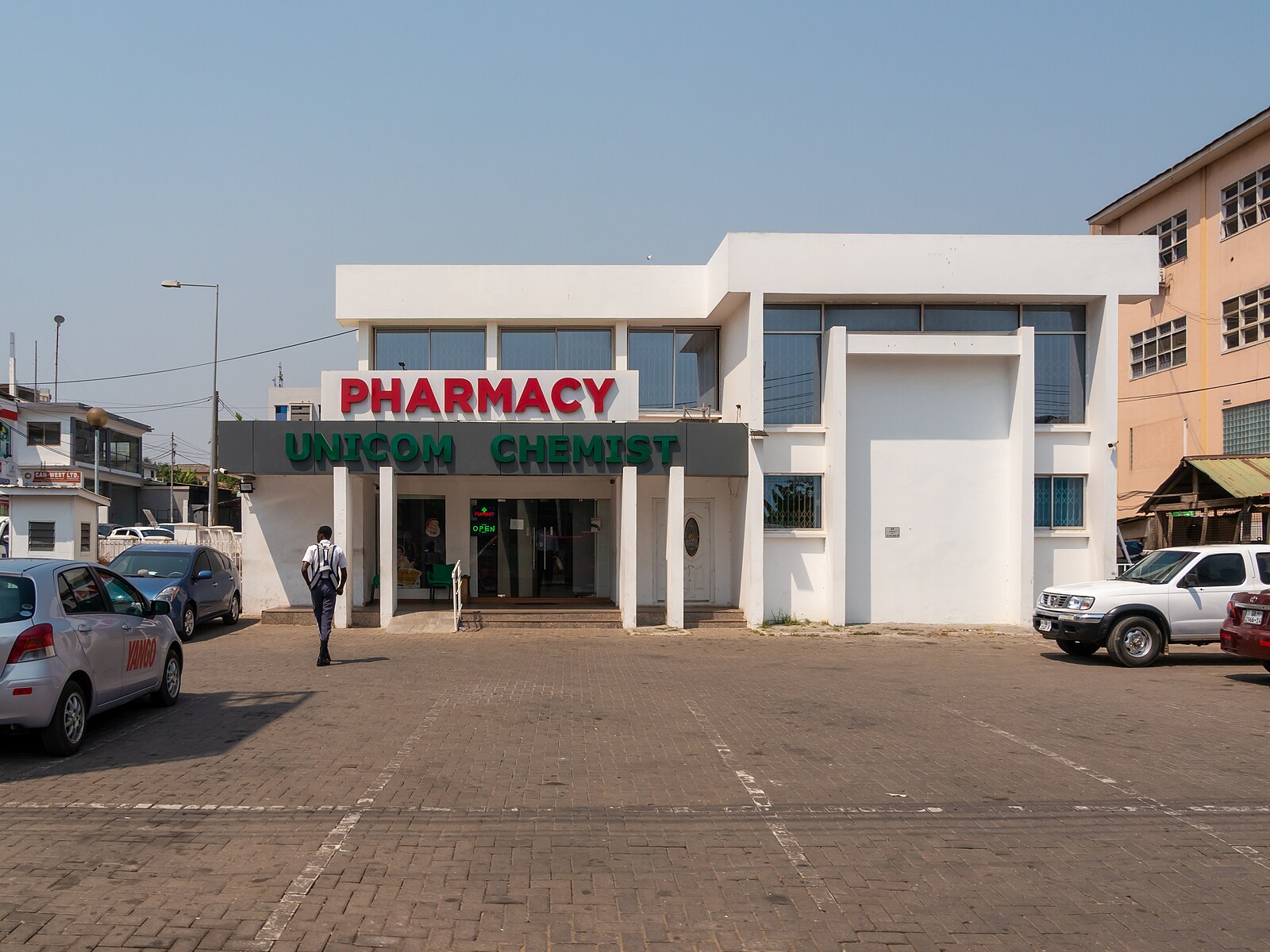
For healthcare in Ghana for expats, Accra holds the largest cluster of private hospitals and clinics. No regulator publishes a ranking, so reputation comes from guides, employers and word of mouth.
Names that recur in published Accra guides include Nyaho Medical Centre, Lister Hospital, The Trust Hospital, HealthNet, The Bank Hospital and Euracare. Guides describe several of them as running 24-hour emergency and outpatient departments.
Treat any list as a starting point, not a verdict. Ask your employer, your embassy’s medical list and your insurer which facilities they use and where direct billing already works.
Evacuation: when care has to leave Ghana
The US State Department’s advice for Ghana, updated in July 2026, states plainly that serious medical emergencies in Ghana require medical evacuation. It urges travellers to make sure their insurance includes it.
In practice this covers major trauma, complex cardiac care, advanced neurosurgery and other high-complexity treatment. Insurers usually choose the destination, and South Africa and Europe are common choices in expat guidance.
This is not a judgement on everyday care in Ghana. It reflects a narrower top end, and evacuation cover lets the transfer decision stay clinical rather than financial.
An air ambulance without cover can cost more than many households can pay quickly. For that reason, healthcare in Ghana for expats is usually planned around the evacuation clause first.
What private care costs and how you pay
Private care in Ghana costs far less than comparable care in the United States or Western Europe. Prices still vary widely by facility, specialist and procedure, and no official tariff exists for private patients.
One 2026 Accra guide puts private consultations at roughly 300–1,000 cedis (about US$26–87). That uses 19 September 2026 exchange rates of 11.55 cedis to the dollar.
It is a guide estimate, not a price list, and specialist visits and admissions cost more.
The payment rule matters more than the price. US government advice notes that hospitals and doctors often require payment upfront before service or admission, and that many providers prefer cash.
Carry a working payment card and some cash, and keep every receipt. If your insurer reimburses rather than pays directly, you carry the cost until the claim settles.
Insurance options for healthcare in Ghana for expats
Local private health insurers operate in Ghana and sell plans to residents and employers. Their networks focus on Ghanaian facilities, and many do not include evacuation abroad.
For healthcare in Ghana for expats, an international health plan is therefore the usual core layer. It adds cross-border treatment, wider specialist access and, most importantly, evacuation and repatriation cover.
A common structure is an international plan for major risks, plus NHIS or a local plan for small everyday costs. That layering keeps routine bills low without leaving a gap at the top.
Read the exclusions before you sign. Pre-authorisation rules, pre-existing conditions and the list of approved evacuation destinations differ widely between insurers.
Pharmacies, medicines and malaria
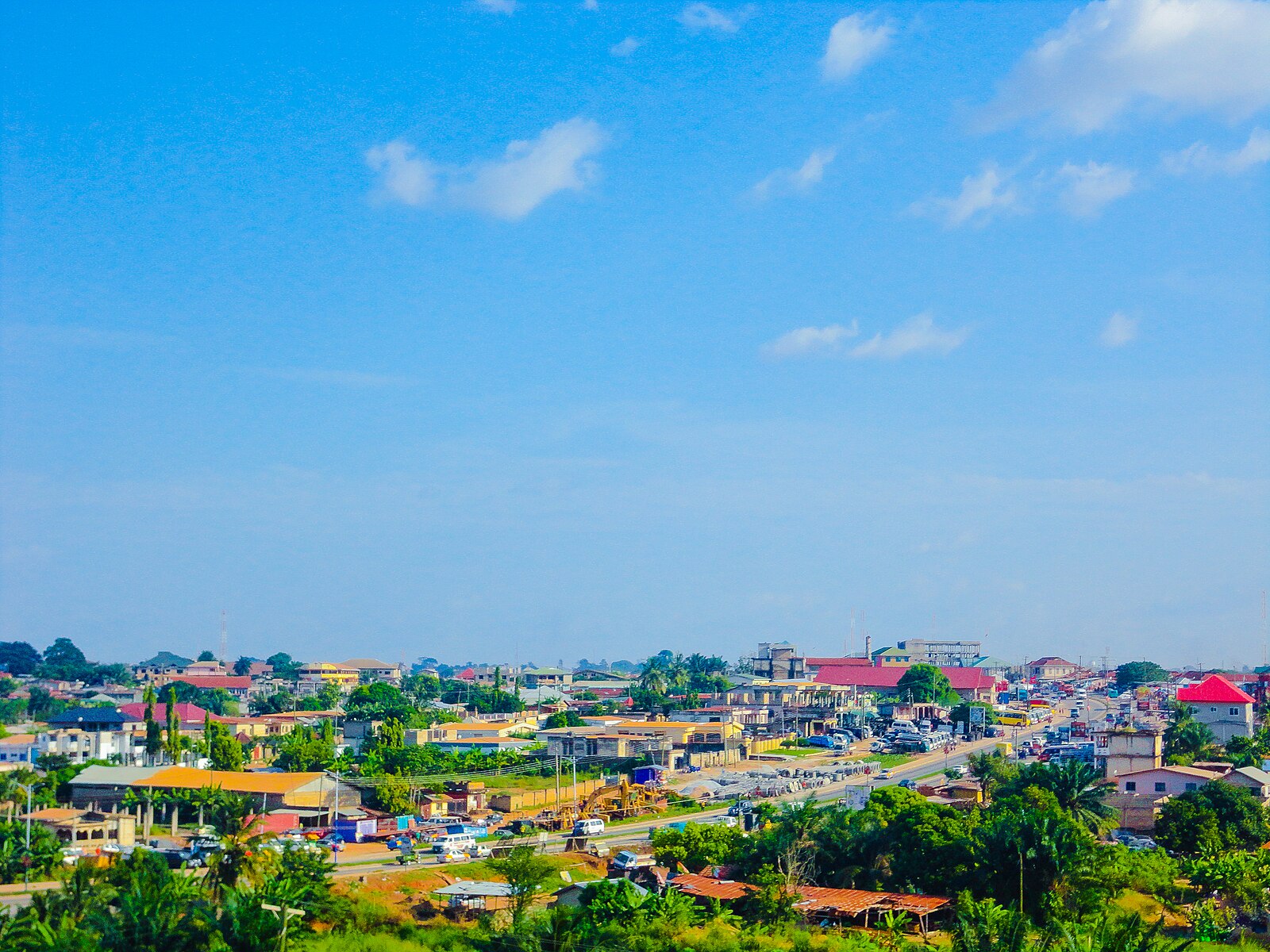
Pharmacies are easy to find in Accra and other cities, and common medicines are widely stocked. Branded products and specialist drugs can run short, especially outside the capital.
US government advice warns that counterfeit medication is common and may have the wrong strength or harmful ingredients. The Pharmacy Council licenses pharmacies, so choose established, licensed outlets over informal sellers.
Ghana allows imported prescription drugs only for personal use and, according to US advice, only where the drug is not sold locally. Bring a written prescription and ask a pharmacist about local equivalents early.
Malaria is endemic in Ghana, and it shapes healthcare routines for expats more than any other risk. Doctors commonly advise prophylaxis for newcomers, bed nets and repellent, and a same-day test for any fever.
Yellow fever vaccination is required for entry for travellers aged nine months and older. Keep the certificate with your passport, because border officials check it.
Specialists, Kumasi and Takoradi
Accra’s teaching and private hospitals offer most common specialties, imaging, maternity care, dentistry and routine surgery. Very complex oncology, transplant-level care and some cardiac procedures remain limited.
Kumasi has Komfo Anokye Teaching Hospital, one of the country’s largest referral centres, plus a smaller private sector. Sekondi-Takoradi relies mainly on Effia Nkwanta Regional Hospital and a limited set of private clinics.
For both cities, the working rule is simple: routine and many moderate problems are treated locally. More complex cases move to Accra, and the most complex ones move abroad.
Rural areas sit further down the same spectrum. US government advice notes that adequate care is harder to find there, which matters for mining, farming and field work.
Emergencies, ambulances and the regional comparison
The National Ambulance Service lists 112 as the free national emergency line from any network. US advice also lists 193 for ambulances.
Capacity is the constraint, not effort.
US advice says ambulances are scarce and not staffed with trained paramedics. Many residents drive straight to a known private emergency department.
US government advice for Senegal and Kenya follows a similar pattern of upfront payment and weak ambulance coverage. It describes Nairobi’s services as adequate for most conditions and emergencies, while Senegal’s strength is concentrated in Dakar.
Seen that way, healthcare in Ghana for expats sits in the middle of the regional spectrum. Accra is broadly comparable to Dakar, while Nairobi’s private sector is generally described as deeper.
What this means for your life in Ghana
Healthcare in Ghana for expats is manageable for daily life and demanding for rare emergencies. The gap between those two ends is what your planning has to cover.
The direction of travel is gradual improvement: primary care is widening and private capacity in Accra keeps growing. What is not yet known is how fast specialist depth will follow, or how foreigners fit into the new free primary care.
Before arrival, choose an international plan with evacuation cover and bring your prescriptions. In the first weeks, pick a default private hospital, save its number and route, and get your Ghana Card.
Handled that way, the system supports a steady, ordinary life in Ghana, with the rare serious case planned for in advance.
Connected Coverage
Is Ghana Safe for Expats — What the Road Toll and the Crime Numbers Show
Ghana Residency Visa Requirements 2026 — Permits, Investor Rules and Right of Abode
Cost of Living Accra 2026: The Rent Advance Is the Whole Problem
Sources: This guide draws on the US State Department’s country health advice for Ghana, Kenya and Senegal, the National Ambulance Service, the National Identification Authority, Ghana News Agency and Graphic Online reporting on free primary healthcare, and published Accra hospital guides.
This article was produced by The Rio Times’ automated newsroom system. How we use AI · Report an error
Read More from The Rio Times