Retire in Ghana 2026 — Residency, Costs and Daily Life for Foreign Retirees
GUIDES · GHANA
Key Facts
- —What it is A retirement move built on Ghana’s ordinary residence categories, because no retirement visa exists.
- —Who it’s for Retirees with independent income who want English-speaking daily life and a large diaspora community.
- —What it costs Numbeo puts a single person in Accra near GH₵12,150 monthly (about US$1,060) including modest rent.
- —Why it matters Residence status, healthcare access and housing cash demands decide whether the move works.
- —The catch Landlords commonly ask for a year or more of rent in advance.
A standing reference for foreigners who want to retire in Ghana — the residence routes that exist, what the permits cost, and what a month in Accra really takes.
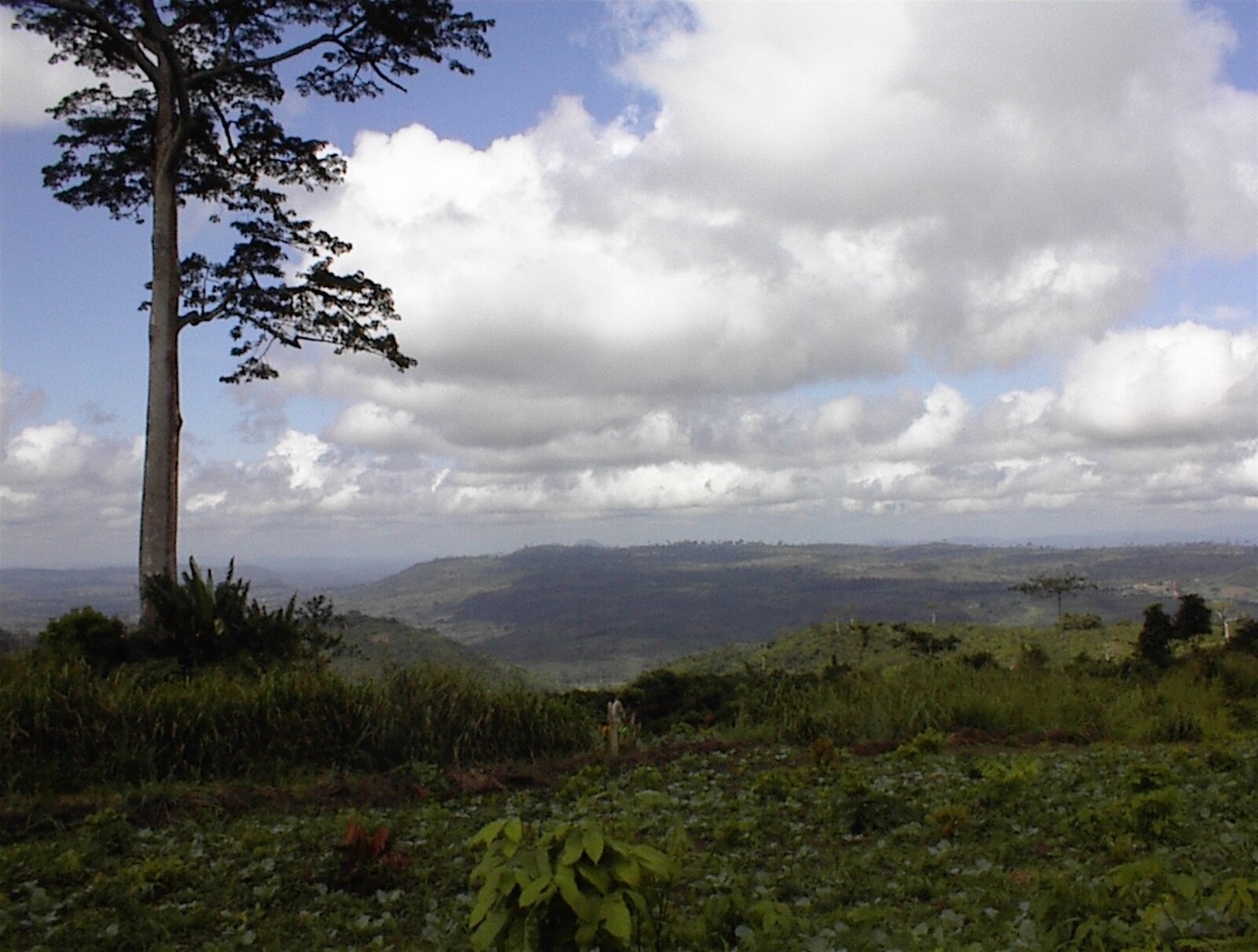
Foreigners who plan to retire in Ghana in 2026 meet one structural fact first — the country publishes no retirement visa. Retirees instead use the ordinary residence categories that the Ghana Immigration Service already publishes, and each carries its own fee.
How to retire in Ghana in 2026 without a retirement visa
The Ghana Immigration Service publishes its permit categories openly, and none of them is a retirement permit. The listed routes are student, work, dependant, shareholder, Right of Abode and indefinite residence status.
That shapes everything. People who retire in Ghana either fit an existing category or keep renewing a permit designed for someone else.
The Right of Abode is the clearest route for people of African descent. It grants the right to reside permanently, enter without a visa and work without a work permit.
Indefinite residence status is the other permanent route, and the Service lists documents rather than a qualifying period. Claims that a fixed number of years guarantees it are not supported by the published page.
Visitor permits are not a substitute. The Service says it may extend a visitor’s visa for a minimum of three months and a maximum of six.
What residence actually costs on the official schedule
The Ghana Immigration Service fee schedule has been effective since 15 May 2025. It converts at 11 cedis to the dollar, which differs from the market rate.
Right of Abode costs GH₵1,940 (about US$170) for Ghanaians holding foreign passports. The ECOWAS column shows GH₵3,879 (about US$340), and the schedule leaves other nationals blank.
Indefinite residence for the spouse of a Ghanaian is GH₵5,000 (about US$440) across all columns. The general indefinite resident permit shows GH₵10,000 (about US$870) for Ghanaians with foreign passports.
A dependant residence permit is far cheaper, at GH₵194–GH₵388 (about US$17–US$34). Spouses become eligible for it after more than four years of marriage, according to the Service.
A foreign national resident for ninety days or more may apply for the Non-Citizen Ghana Card. It costs US$120 to issue and US$60 a year to renew, on the National Identification Authority’s schedule.
Why the diaspora return shapes the retiree community
Ghana’s foreign retiree population is not a standard expatriate enclave. A large share are people of African descent returning to the region their families left.
For daily life, this matters more than it sounds. Social networks, housing demand and the supply of English-speaking services follow the returnee map rather than a corporate one.
It also sets the tone of arrival. Many who retire in Ghana land with family or church ties already in place, which shortens the lonely first year.
A realistic monthly budget in Accra
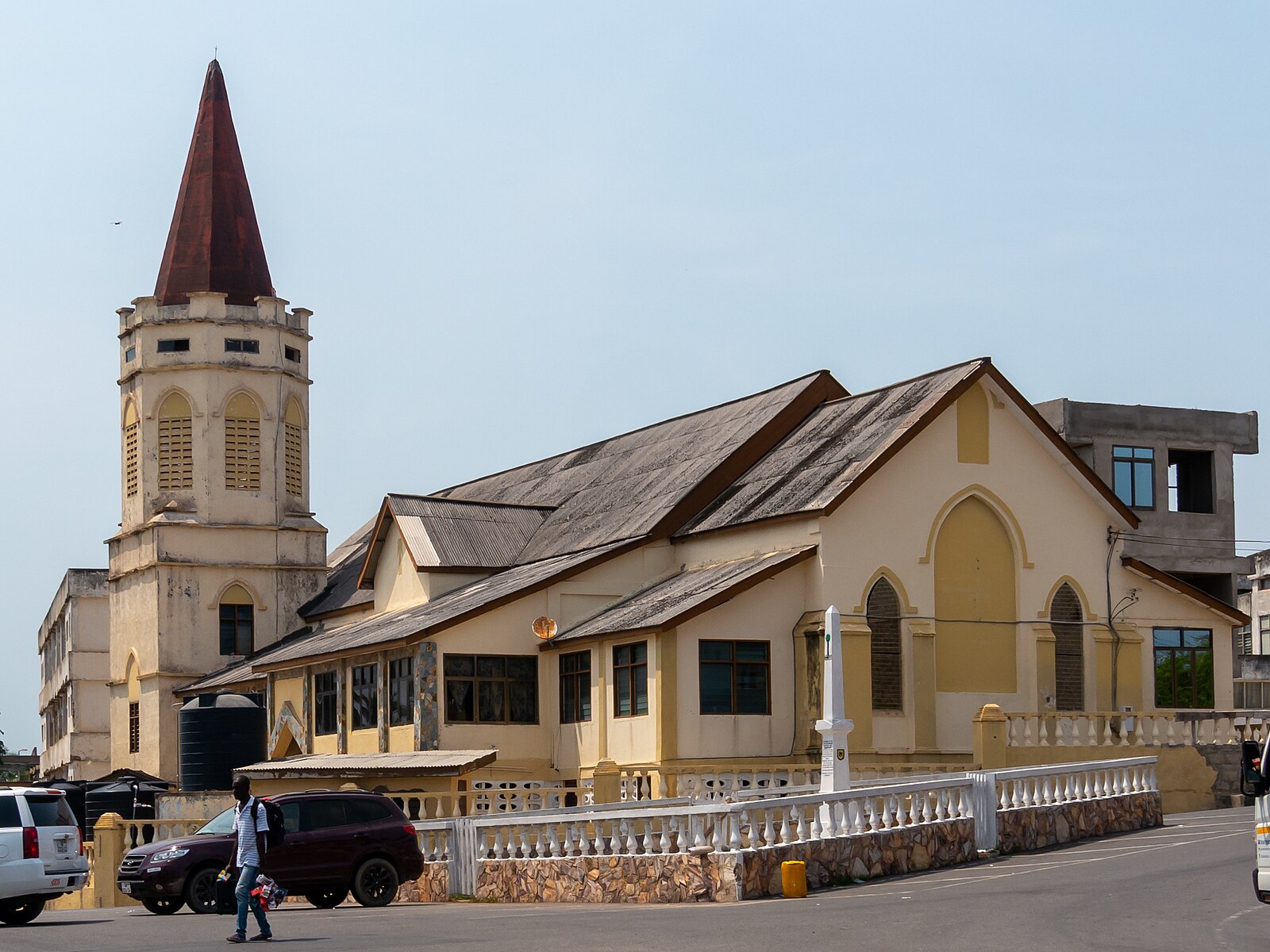
Most people who retire in Ghana set the budget in cedis first, then look at currency risk separately. At 21 September 2026 exchange rates, the cedi trades near 11.46 to the dollar.
Numbeo’s Accra page, updated on 27 August 2026, puts a single person’s monthly costs at GH₵8,917 (about US$780) excluding rent. A family of four sits near GH₵33,251 (about US$2,900).
Rent decides the rest. A one-bedroom flat outside the centre averages GH₵3,237 (about US$280), against GH₵7,871 (about US$690) in the centre.
That puts a single retiree near GH₵12,150 a month (about US$1,060) outside the centre. Central Accra pushes the same life closer to GH₵16,800 (about US$1,470).
These are crowd-sourced averages from 27 contributors, not official prices. Cape Coast and Kumasi are widely described as cheaper than central Accra, though we could not confirm comparable figures.
Utilities add about GH₵853 (about US$75) a month for a small flat, on the same source. Imported food pushes totals well past these averages.
Housing and the rent advance that decides your cash plan
Housing is where plans to retire in Ghana most often break. The rental market runs on advance payment, not on monthly transfers.
Residents and letting agents describe advance demands of one to two years as routine. Ghana’s Rent Control Department administers rent disputes under the country’s rent law.
We could not confirm a current official limit on advance rent from a Ghanaian government source. So treat the advance as the real entry cost, not as a deposit.
A GH₵3,237 flat (about US$280 a month) can mean GH₵38,844 (about US$3,390) on the table at signing. Verify before you pay, because recovery afterwards is slow.
Confirm the title, the owner’s identity and their authority to lease the property. Buying is a separate decision, with its own restrictions on non-citizens.
Use a Ghanaian lawyer and a Lands Commission search before any purchase, not after.
Where retirees settle: four tiers to compare
Accra’s suburbs form the top tier. East Legon, Cantonments, Airport Residential and Labone carry the highest rents and the widest choice of private clinics.
Cape Coast is the coastal, heritage-facing tier. It is quieter, cheaper and slower, with a smaller pool of specialist medical care.
Kumasi is the inland urban tier. Services are strong and the market is large, but daily life is far less internationally serviced.
Aburi sits in the hills above Accra and runs cooler. It suits retirees who want quiet without losing access to the capital.
Healthcare, the NHIS and medical evacuation
Ghana runs a National Health Insurance Scheme under the National Health Insurance Act, 2012. It covers outpatient services, inpatient services, maternity care and eye care.
Age helps inside the scheme. The authority lists persons above seventy as an exempt group, registered without paying a premium or a processing fee.
What the authority does not publish clearly is how non-citizens enrol. Confirm that at a district office before you assume you are covered.
The bigger issue is capacity, not price. The US State Department says medical infrastructure is limited, and that emergency services outside Accra are limited too.
It goes further on serious cases. It states that serious medical emergencies in Ghana require medical evacuation, and advises travellers to hold evacuation cover.
So most foreigners who retire in Ghana carry private insurance alongside any NHIS card. Buy it before you move, while age and existing conditions are easier to place.
Pensions, tax residence and foreign pension income

Tax follows presence. An individual is resident for tax if present in Ghana for 183 days or more in any twelve-month period.
Residence changes the base. Resident individuals are taxed on worldwide income, so foreign-sourced income is taxable in Ghana.
Rates are graduated, with the first GH₵5,880 a year (about US$513) taxed at nil. Income above GH₵600,000 (about US$52,360) attracts 35 percent.
Pension sits in an awkward place. Ghana Revenue Authority lists pension among exempt income types, but its public page does not say whether a foreign pension qualifies.
Relief exists where tax was already paid abroad. A resident may credit foreign income tax paid, capped at the average Ghanaian rate for the year.
Treaties matter here, and Ghana has fourteen in force. The list includes the United Kingdom, Germany, France and South Africa, but not the United States, Canada or Australia.
Anyone planning to retire in Ghana should take advice before moving, and again after the first full year. An adviser costs little next to a wrong assumption about residence.
Banking, power and water: the daily reliability layer
Banking for foreigners in Ghana turns on identity documents rather than balances. Line up the Non-Citizen Ghana Card and a residence permit before you try to open an account.
Keep two ways to receive money from the start. A card that works in Accra can fail in a smaller town, and a backup stops small problems growing.
Electricity and water are the other daily variables. Many long-stay residents budget for an inverter or a generator, a water tank and a second internet line.
We could not confirm a current published utility tariff schedule for 2026. Ask neighbours what they actually pay before signing.
Safety and the road risk that matters most
The US State Department places Ghana at Level 2, exercise increased caution, in an advisory dated 7 July 2026. That is the second of its four levels.
Its road notes are blunt. Main roads in major cities are described as generally paved and in good shape, while secondary and rural roads are mostly poor.
Night travel carries the sharpest warning. The department calls travelling at night outside major cities extremely dangerous, because of poor street lighting.
It also notes that many intersections lack stop signs, and that traffic lights are routinely out of service. For a retiree, that is a daily risk, not a holiday one.
Crime is present but framed differently. The advisory records violent crime including carjacking, street mugging and assault, and calls petty theft a serious problem.
The practical response is dull and effective. Choose a walkable neighbourhood, avoid road travel at night between cities, and use drivers you know.
Common mistakes, and how Ghana compares with Senegal and Kenya
The most expensive mistake is paying a long rent advance without checking title. Money paid to the wrong person is rarely recovered quickly.
The second is underestimating import duty on shipped goods. Ghana Revenue Authority states that no one is exempted from duties except the President, state institutions and diplomatic missions.
Vehicles are the sharp edge of that rule. Duty is charged on cost, insurance and freight after depreciation, then value added tax and several levies are added.
A third mistake is planning in dollars while living in cedis. Your income converts at a rate that moves, and the rent does not.
Against Senegal and Kenya, the difference is mostly language and community. Senegal works in French, while Kenya draws a different, largely East African retiree crowd.
So the honest comparison is about fit, not about a better visa. Ghana suits a retiree who wants English, a diaspora network and a coastal or urban life.
Plan the money, check the title, insure the health. What remains is a series of ordinary decisions, taken at your own pace.
Connected Coverage
Ghana Residency Visa 2026 — Permits, Investors, Right of Abode
Healthcare in Ghana for Expats 2026 — Private Care and NHIS
Open Bank Account Ghana Foreigner 2026 — Ghana Card, Documents and Real Costs
Frequently Asked Questions
Frequently Asked Questions
Does Ghana have a retirement visa in 2026?
No. The Ghana Immigration Service publishes student, work, dependant, shareholder, Right of Abode and indefinite residence categories, and none is a retirement permit. Retirees use whichever of those routes fits their situation.
How much does it cost to live in Accra each month?
Numbeo’s Accra page, updated on 27 August 2026, puts a single person’s costs at GH₵8,917 (about US$780) before rent. A one-bedroom flat outside the centre averages GH₵3,237 (about US$280). That gives a working total near GH₵12,150 (about US$1,060) for a single person.
Who qualifies for Ghana’s Right of Abode?
The Ghana Immigration Service names two groups — Ghanaians by descent who lost citizenship by taking another nationality, and persons of African descent in the diaspora. The status allows permanent residence, entry without a visa, and work without a work permit. The published fee is GH₵1,940 (about US$170) for Ghanaians holding foreign passports.
How is a foreign pension taxed in Ghana?
Resident individuals are taxed on worldwide income, so foreign-sourced income is taxable in Ghana. Ghana Revenue Authority lists pension among exempt income types, but does not state publicly whether a foreign pension qualifies. A resident may credit foreign tax already paid, capped at the average Ghanaian rate. Take professional advice before relying on any of this.
Do foreign retirees in Ghana need private health insurance?
The National Health Insurance Scheme covers outpatient, inpatient, maternity and eye care, and exempts people above seventy from premiums. The US State Department still describes medical infrastructure as limited, with few emergency services outside Accra. It says serious emergencies require medical evacuation, and advises holding evacuation cover.
Why do Ghanaian landlords ask for rent years in advance?
Advance rent is the normal structure of Ghana’s rental market rather than an exception. Residents and letting agents describe demands of one to two years as routine. We could not confirm a current official cap on advance rent from a Ghanaian government source, so treat the advance as your real entry cost.
Sources: Figures come from the Ghana Immigration Service permit pages and fee schedule, the National Identification Authority, the National Health Insurance Authority, Ghana Revenue Authority, the US State Department’s Ghana country information page, PwC’s Ghana tax summary and Numbeo’s Accra cost data.
This article was produced by The Rio Times’ automated newsroom system. How we use AI · Report an error
Read More from The Rio Times