
GHANA · COURTS
Key Facts
- The country Ghana is a West African country whose port at Tema, near the capital Accra, handles its container exports. Its Narcotics Control Commission (NACOC) is the agency that investigates drug trafficking.
- Why it matters A container that left Ghana hid nearly 3.9 tonnes of cocaine in plastic waste, so the way Ghana prosecutes the case shows how a West African port polices cargo bound for Europe.
- Why now On Tuesday 27 October a Ghanaian lawyer criticised NACOC over its arrests, and Spain gave NACOC €300,000 (US$334,500) toward its first forensic laboratory.
- What happened French customs opened the container at Dunkirk on 7 September, and ten people were charged in two Accra courts. A defence lawyer disputes the link between some of them and the cocaine.
- The numbers About 3.9 tonnes in 167 bales, valued at close to €225 million (US$251 million). The next hearing is on Thursday 5 November.
- What it means for you Shippers and buyers of Ghanaian goods may meet closer container checks if Ghana adopts the fixes its government is studying; no new rules have been published.
- Still open Whether the suspects held since 12 September are linked to the cocaine, and when a trial will start, are not yet known.
In Plain English
NACOC is Ghana’s Narcotics Control Commission, the state agency that investigates drug trafficking, and its Director-General is Major General Maxwell Obuba Mantey. PNACO is the French national prosecutor for organised crime, and OFAST is the French anti-drug office that investigates for it.
Remand means a court keeps suspects in custody while investigators work, and disclosure means prosecutors hand the defence the case material before trial. A charge sheet is the document that lists the offences the state alleges.
Ghana’s Narcotics Control Commission (NACOC) faces a court test in the 3.9 tonnes cocaine case after lawyer Martin Kpebu said on Tuesday 27 October that it detained suspects without linking them to the shipment seized in France. The next hearing is set for Thursday 5 November in Accra, and the case matters to US readers because it shows how a West African export port polices the containers that leave it.
The people named in court are suspects, not convicts, and every criticism below is Kpebu’s own claim rather than a finding of any court. Earlier Rio Times coverage of the French seizure set out what was verified in France, and this piece follows the procedure in Ghana, where Rio Times Ghana coverage tracks the wider story.
What the Record Shows So Far
French customs at Dunkirk opened a container that had come from Ghana on Monday 7 September and found 167 bales of cocaine weighing close to 3.9 tonnes, hidden in plastic waste and first destined notably for Antwerp. France’s national anti-organised-crime prosecutor, known as PNACO, announced the seizure on Thursday 10 September and valued it at close to €225 million (US$251 million at the European Central Bank reference rate of 27 October, which was US$1.1150 per euro).
Ghana’s prosecutors told a court the street value was US$260 million, while a report on the President’s security briefing cited US$261.45 million, so the euro and dollar figures come from different sources. PNACO also said the whole quantity had already been destroyed, and that the French anti-drug office OFAST now leads the inquiry.
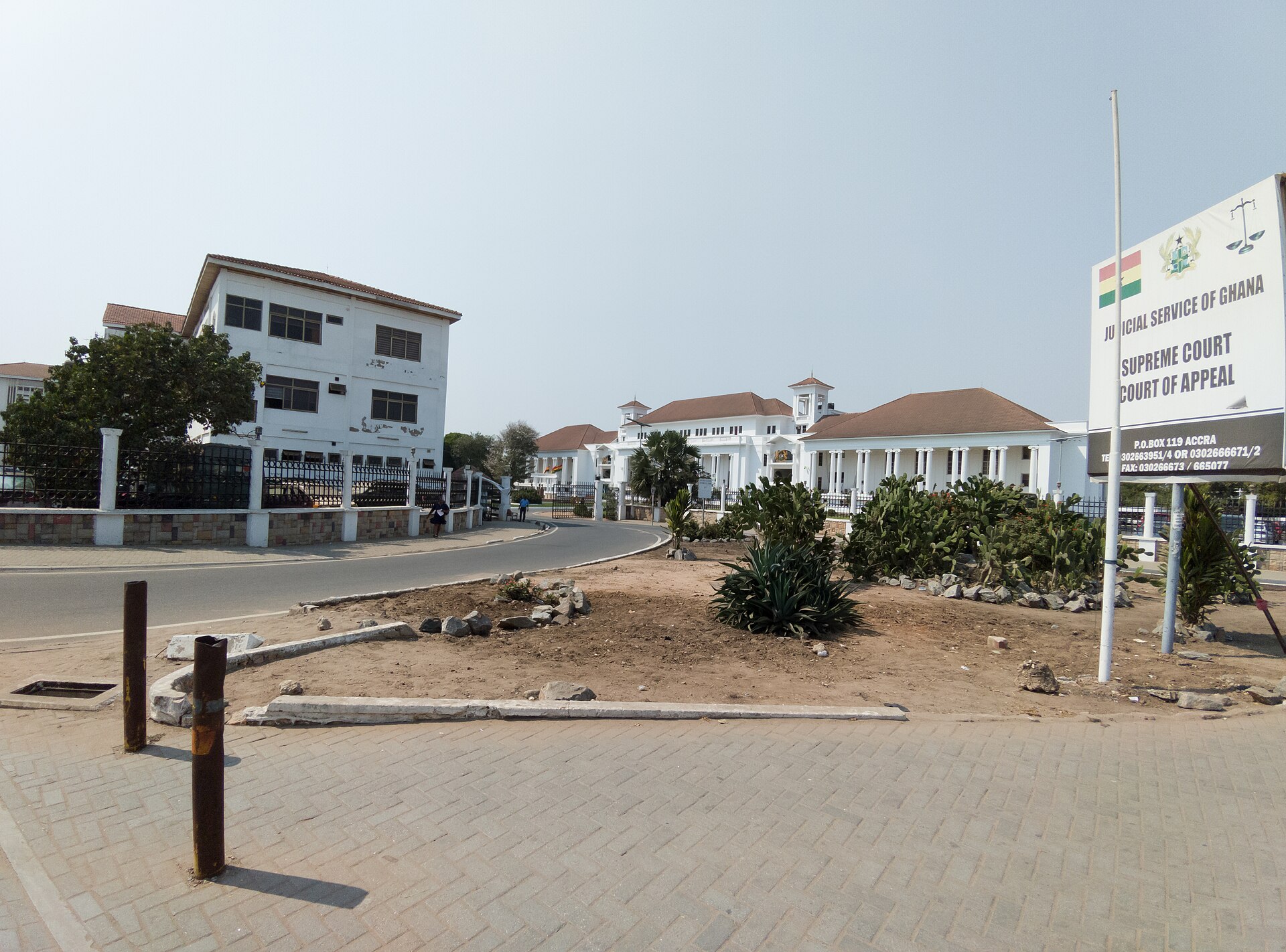
NACOC arrests in Ghana began on 12 September, and the Accra High Court charged four suspects on Wednesday 16 September with conspiracy to export narcotic drugs and with exporting them without a licence. All four pleaded not guilty and were remanded to reappear on 13 October.
A day later the Kwabenya Circuit Court in Accra denied bail to six more people, four of them staff of the Customs Division of the Ghana Revenue Authority (GRA). Prosecutors allege that scan images of four containers showed abnormalities and that the containers were still cleared, an allegation that has not been tested at trial.
What the Lawyer Says About NACOC
Kpebu, a Ghanaian legal practitioner, told TV3 court reporter Laud Adu-Asare that NACOC arrested his client Kweku Otchere and others without linking them to the 3.9 tonnes of cocaine. In his words: “I am totally shocked and very livid and sad for our criminal justice system.”
Kpebu alleged that some suspects have been held since 12 September while NACOC keeps telling the court it needs time to investigate, which he put at a little over six weeks. He added: “What they put before the court, they cannot link any of the suspects to the cocaine, and that has been reinforced by the subsequent arrest.”
He also said that a charge sheet presented in court after the later arrests identifies the consignment as belonging to another suspect, and he suggested that arrests were made only to “appease Ghanaians”. He called for NACOC’s leadership to answer: “The Head of NACOC and all those who are involved must be held to account for such aberration.”
No NACOC response to Kpebu appears in the 3News report, and none was found in other Ghanaian reports by Wednesday 28 October. In September NACOC’s acting director of public affairs, Francis Opoku Amoah, said that “NACOC is an intelligence-led institution” and that some suspects had been under surveillance for some time.
Where the 3.9 Tonnes Cocaine Case Goes Next
The Kwabenya Circuit Court, presided over by Prince Osei Owusu, adjourned the six-defendant case on Tuesday 20 October to Thursday 5 November to hear an application by the sixth accused, Helena Akua Denkyi, to have her name struck from the charge sheet. Her lawyers said the application was filed on 30 September and that prosecutors had not filed an affidavit in opposition.
Prosecutors told the court they were working to file disclosures, the case material the defence is entitled to see before trial, and asked for an adjournment. Defence lawyers argued that this suggested the investigation was complete and asked for bail, but the judge told them to file formal bail applications.
The Accra High Court case against the four suspects, who include Kpebu’s client, was adjourned on 16 September to 13 October, but no Ghanaian report of what happened on that date was found. NACOC has also arrested four more suspects, including a Lebanese national, according to a TV3 report relayed by YEN.com.gh on 23 October, while 3News reported on 27 October that NACOC has since charged five other people.
The names, courts and hearing dates of the newer suspects have not been made public in the reports found. The Dutch national Jos Leijdekkers, known as “Bolle Jos”, is listed as an accused in the High Court case and is described as at large.
Government and Parliament Steps
GRA Commissioner-General Anthony Kwasi Sarpong told Parliament’s Public Accounts Committee, in testimony reported on 14 October, that President John Dramani Mahama had received a preliminary report from a security-agency team on the shipment. He said the report set out the state of the investigation and recommendations to close gaps in the monitoring of goods that leave the country.
The reports of his testimony give no date for publishing the report, and Parliament resumes sitting on Tuesday 3 November under a notice from Speaker Alban Sumana Kingsford Bagbin dated 20 October. The Minority, through Reverend John Ntim Fordjour of the Defence and Interior Committee, called on 13 September for an independent parliamentary inquiry into narcotics trafficking through Ghana.
The Evidence Question and the Lab
PNACO said the whole seized quantity had already been destroyed when it announced the seizure on 10 September. Whether samples were kept, and whether French test results will be given to Ghanaian courts, has not been stated in the reports found.
On 27 October Spain gave NACOC €300,000 (US$334,500 at the same rate) toward completing its first forensic laboratory, which Director-General Major General Maxwell Obuba Mantey called timely because NACOC relies on other state institutions for forensic examinations. The facility is covered in a separate Rio Times explainer on the planned laboratory, and Interior Minister Mohammed Muntaka Mubarak told Parliament’s Public Accounts Committee on Tuesday 20 October that it should be ready by the end of 2026 or the first quarter of 2027.
What It Means for You
For US companies that ship to or from Tema, the practical question is whether Ghana will tighten checks on export containers, since Sarpong described the preliminary report’s recommendations as a way to close gaps in monitoring. No new port rules have been announced in the reports found, so extra inspections or paperwork remain a possibility rather than a fact.
For US readers following Ghana as a market or partner, the court calendar is the signal to watch, from the bail applications and the disclosure of evidence to the ruling on whether the sixth accused is struck from the charge sheet. Every outcome is for the courts to decide, and none should be assumed from the claims of the lawyer or the prosecutors.
What Is Not Known
It is not known what evidence links each suspect to the shipment, because Kpebu’s claim that NACOC cannot link his client and others to the cocaine is a defence claim that prosecutors have not answered publicly. It is also not known how the newer suspects relate to the earlier ten, since reports describe four new arrests on 23 October and five new charges by 27 October.
It is not known what happened at the 13 October High Court hearing, when the four suspects held there will next appear, or whether a trial date has been reported for either court case. It is also not known whether NACOC will respond to Kpebu or whether the Dutch fugitive Leijdekkers, who is listed as at large, will be arrested.
It is not known why the Ghanaian charge sheet for the six accused names four containers while the French prosecutor refers to one container holding 167 bales. Neither side has explained the difference in the reports found.
Frequently Asked Questions
What is the 3.9 tonne cocaine case in Ghana?
French customs found 167 bales of cocaine, close to 3.9 tonnes, in a container from Ghana at Dunkirk on 7 September. Ghana has since charged ten people in two Accra courts, and all are presumed innocent.
What does lawyer Martin Kpebu say about NACOC?
Kpebu alleges that NACOC arrested and held suspects, including his client, without linking them to the cocaine. NACOC had not publicly answered him in the reports found by 28 October.
When is the next court date in the Ghana cocaine case?
The Kwabenya Circuit Court is due to hear the sixth accused’s application to be struck from the charge sheet on Thursday 5 November. The date of the next High Court hearing for the other four suspects has not been reported.
Are the people arrested in the Ghana cocaine case guilty?
No court has convicted anyone in the case, and all the accused are presumed innocent until a court rules. The four accused in the Accra High Court case pleaded not guilty on 16 September.
How much was the seized cocaine worth?
French prosecutors put the seizure at close to €225 million (US$251 million). Ghana’s prosecutors cited a street value of US$260 million.
Sources: 3News, Kpebu criticises NACOC, 27 October 2026; 3News, court sets 5 November, 21 October 2026; Citi Newsroom, court adjourns case, 20 October 2026; 3News, court remands six, 17 September 2026; Ghana News Agency, four remanded, 17 September 2026; Graphic Online, four named and remanded, 16 September 2026; The Herald Ghana, six denied bail, 29 September 2026; The Herald Ghana, security briefing and suspects, 18 September 2026; 3News, NACOC public affairs director, 19 September 2026; YEN.com.gh, four more arrests, 23 October 2026; Citi Newsroom, preliminary report, 15 October 2026; Citi Newsroom, NACOC arrests and Minority call, 14 September 2026; Citi Newsroom, Parliament reconvenes, 20 October 2026; Citi Newsroom, Interior Minister on the laboratory, 20 October 2026; Citi Newsroom, Spain and the laboratory, 27 October 2026; Graphic Online, Spain and the laboratory, 27 October 2026; franceinfo quoting the PNACO statement, 11 September 2026; European Central Bank euro reference rates, 27 October 2026.
This article was produced by The Rio Times’ automated newsroom system. How we use AI · Report an error · Editorial responsibility: Matthias Camenzind, Editor-in-Chief