Who Dominates Costa Rica, Elites and Regions Explained
COSTA RICA · POWER
Key Facts
- Top office Laura Fernández is president for 2026 to 2030, and predecessor Rodrigo Chaves runs the presidency and finance ministries.
- No army Article 12 of the Constitution bans a permanent army, so no military bloc rivals the elected powers.
- The centre San José province holds 31.7% of the 5.04 million people in the 2022 estimate.
- Inequality The Gini inequality score is 45.5 in 2025, and the richest 10% take 34.3% of income.
- Left out Afro-descendants held 8.1% of management posts against 15.0% for white and mestizo workers in the 2011 census.
- Power Index Costa Rica ranks 9th of 14 in The Rio Times Latin America Power Index, with 36.5 points (October 2026 edition).
Costa Rica power is split among a president, an Assembly, a Supreme Court and an electoral tribunal, and no army challenges them. This guide shows who dominates whom, which families and regions hold the levers, and who is left out on 1 November 2026.

Who Holds Power in Costa Rica Now
Laura Fernández is president for 2026 to 2030 and the second woman in the office after Laura Chinchilla, the Presidency’s website shows. Her two vice presidents are Francisco Gamboa Soto and Douglas Soto Campos.
Her predecessor, Rodrigo Chaves Robles, stayed in government, as the same website lists him as Minister of the Presidency and of Finance. That puts a former president at the cabinet table and in charge of the budget ministry.
On Monday, 26 October 2026, the judiciary announced magistrate Patricia Vargas González as the new president of the Supreme Court of Justice. The court sits above the country’s judges and includes four high chambers, among them the Constitutional Chamber.
The Rio Times sets out the office holders in its guide to Costa Rica politics and who holds power. The list below shows the people at the top as the official websites name them.
- President: Laura Fernández Delgado, 2026 to 2030.
- Vice presidents: Francisco Gamboa Soto and Douglas Soto Campos.
- Presidency and Finance: Rodrigo Chaves Robles, president until May 2026.
- Security: Gerald Campos Valverde, Ministry of Governance, Police and Public Security.
- Justice: Gabriel Aguilar Vargas, Ministry of Justice and Peace.
- Supreme Court: Patricia Vargas González, elected president on 26 October 2026.
How the Constitution Spreads Power
Article 9 of the Constitution divides Costa Rica power among the legislative, executive and judicial branches. It gives the Supreme Tribunal of Elections, which runs every vote, the same rank and independence.
The Assembly has 57 deputies elected by province under Article 106, and each serves four years. Article 107 bars deputies from winning a second consecutive term, which keeps turnover high.
The Assembly also picks the judges, because Article 158 gives magistrates eight-year terms and requires a two-thirds vote to elect them. Only a bloc of at least 38 of the 57 deputies can end a sitting magistrate’s tenure.
Article 134 sets a four-year presidential term and calls any breach of alternation in office treason to the Republic. Article 132 bars anyone who held the presidency in the previous eight years, so Chaves cannot stand in 2030.
Article 12 outlaws a permanent army and leaves public order to the police. Military forces may be organised only under a continental agreement or for national defence, and always under civilian power.
Below the national level, Article 169 gives each canton a municipal government of elected aldermen and an executive official named by law. Article 170 calls the municipalities autonomous.
Political Families and the Ruling Class
The Presidency’s official list of presidents since 1848 shows how Costa Rica power keeps returning to a few surnames. Of the 22 presidential terms since the 1940 election, counting Fernández, seven went to holders of three surnames: Calderón, Figueres and Arias.
Calderón appears in 1940 to 1944 and 1990 to 1994, and Arias in 1986 to 1990 and 2006 to 2010. Figueres appears three times, in 1953, 1970 and 1994, and a junta led by José Figueres Ferrer governed in 1948 and 1949.
These are shared surnames, not a documented family tree. Even so, almost a third of presidential terms since 1940 stayed inside three names.
The newest presidents break that pattern, because none of the last five carries one of the three surnames. They are Chinchilla, Solís, Alvarado, Chaves and Fernández, and the three names last held office in 2006 to 2010.
The Central Valley and the Outer Provinces
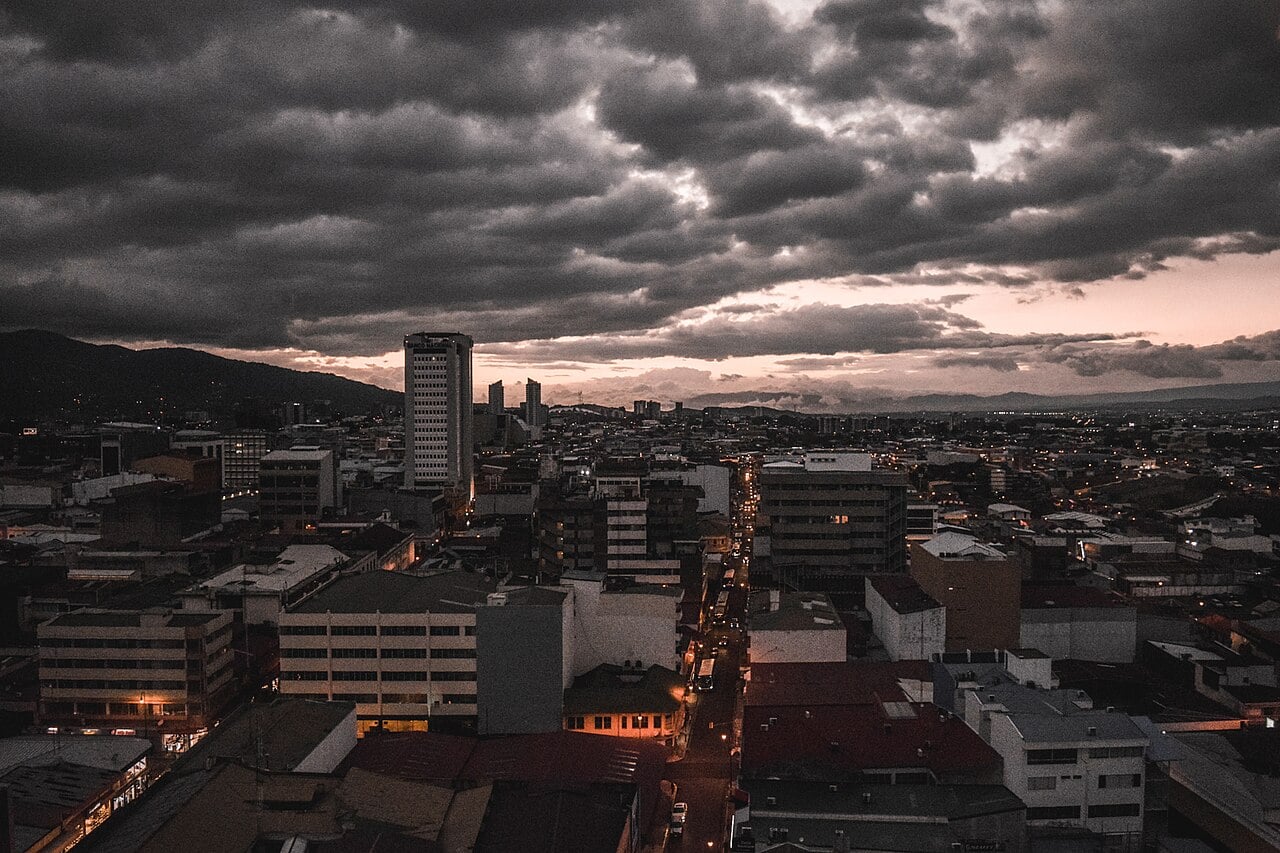
INEC, the national statistics institute, estimated 5,044,197 people in 2022, and the province of San José alone held 1,601,167, or 31.7%. The four central provinces of San José, Alajuela, Cartago and Heredia held about 3.66 million, or 72.6%.
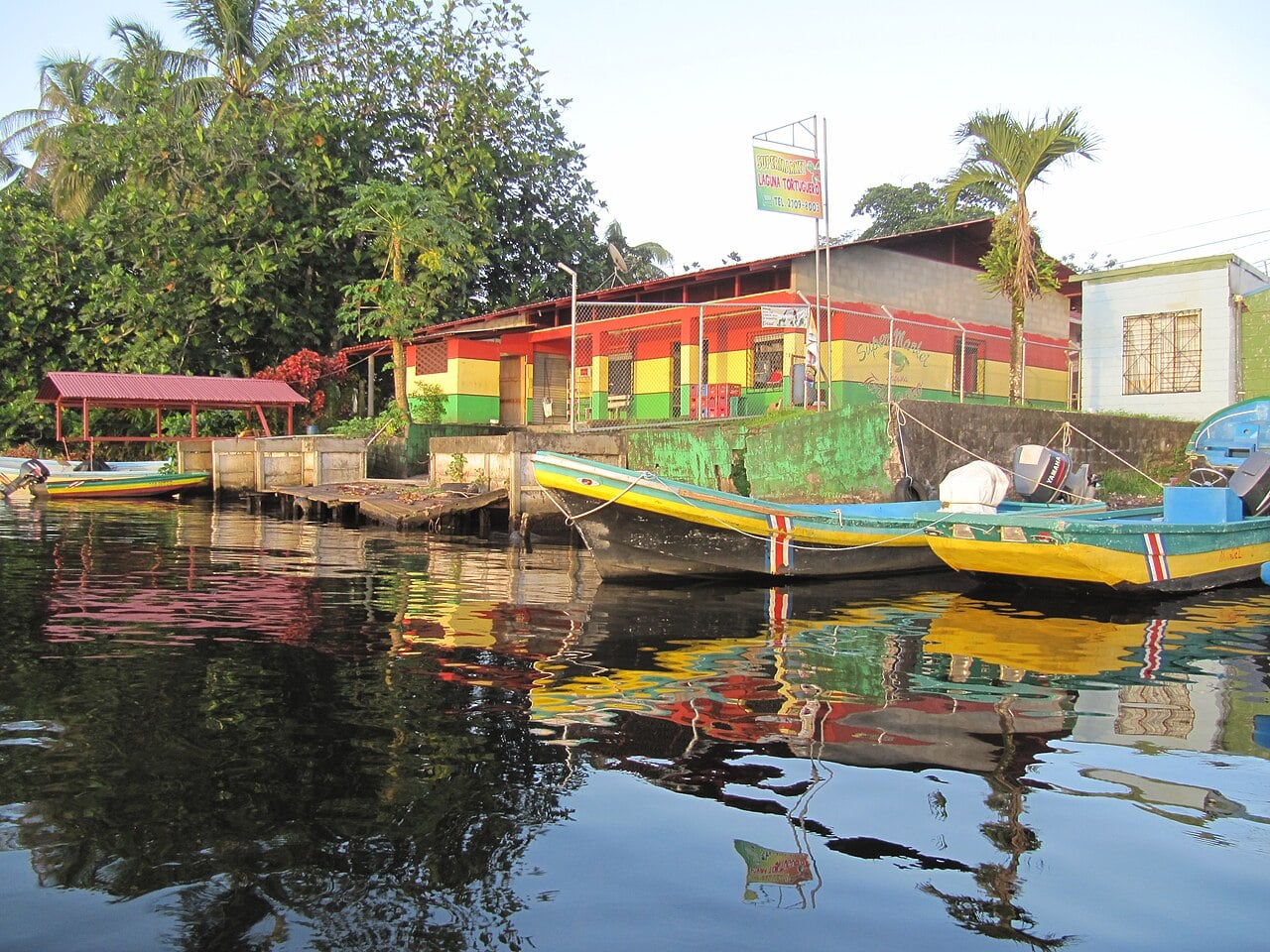
The three outer provinces, Puntarenas on the Pacific, Limón on the Caribbean and Guanacaste in the north-west, held 1.38 million people (27.4%). Guanacaste grew fastest at 2.12% a year since 2011, followed by Puntarenas at 1.79% and Limón at 1.78%.
Article 106 shares Assembly seats among provinces in proportion to population after each census, so the crowded centre elects the most deputies. The presidency has its seat in Zapote, San José, so the capital province also hosts the head of the executive.
Distance from the capital shows up in living standards. In 2023 INEC put multidimensional poverty, which counts housing, schooling, health and income, at 24.4% in rural areas and 11.8% in cities.
The Rio Times San José city page describes life in the capital. The wider country picture is on the Rio Times Costa Rica page.
Business, Trade and Foreign Capital
Costa Rica’s economy produced US$102.9 billion in 2025, or US$19,970 per person, and grew 4.6%, the World Bank shows. Exports of goods and services equal 38.8% of that output, so foreign buyers shape the country’s fortunes.
Foreign direct investment, money that foreign companies put into local operations, reached US$5.6 billion in 2025, the World Bank data show. CINDE, the investment promotion agency, counts more than 430 high-tech multinational companies that have set up in the country since 1982.
IMF data in our Power Index put the US at 42.0% of Costa Rica’s goods trade in 2025, and China at 10.6%. Washington is therefore the dominant commercial partner by a wide margin.
The state runs major institutions as well. The Presidency’s cabinet page lists heads of the power institute ICE, the refiner RECOPE, the insurer INS and the social-security fund CCSS.
The Rio Times guide to Costa Rica, its politics and economy gives the wider background. It places the trade and investment figures above in context.
The Church, Unions and the Public Sector
Article 75 makes the Roman Catholic faith the State religion, which the State helps maintain, while other beliefs may be practised freely. The Presidency’s own communications show the tie in practice.
On 23 September 2026 the Presidency announced a private audience for Fernández with Pope Leo XIV, citing the country’s Catholic ties. She will also attend the Ibero-American summit in Madrid on 4 and 5 November 2026.
Article 60 lets workers and employers form unions freely, but it bars foreigners from leading them. Article 61 recognises the right to strike except in public services, as the law defines them.
That wording leaves the legislature to decide which services count. The reach of strikes therefore depends on laws that the Assembly writes.
Education has a protected claim on money, as Article 78 sets public education spending at no less than 8% of national output. Article 84 gives the universities independence.
Inequality and Who Is Left Out
The World Bank puts Costa Rica’s Gini score, a 0 to 100 measure where higher means more unequal, at 45.5 in 2025. The richest 10% received 34.3% of income, while the poorest 20% received 4.7%.
The national poverty rate fell from 20.3% in 2024 to 17.1% in 2025, the same data show. Unemployment stood at 6.8% in 2025, and it was 19.9% among people aged 15 to 24.
The 2011 census counted 4,301,712 people, and 83.6% called themselves white or mestizo, meaning of mixed European and indigenous descent. Another 7.8% identified as Afro-descendant or mulatto and 2.4% as indigenous.
A 2015 judiciary publication using that census found Afro-descendants held 8.1% of management posts, against 15.0% for white and mestizo workers. They also filled 27.5% of elementary jobs, against 20.5%.
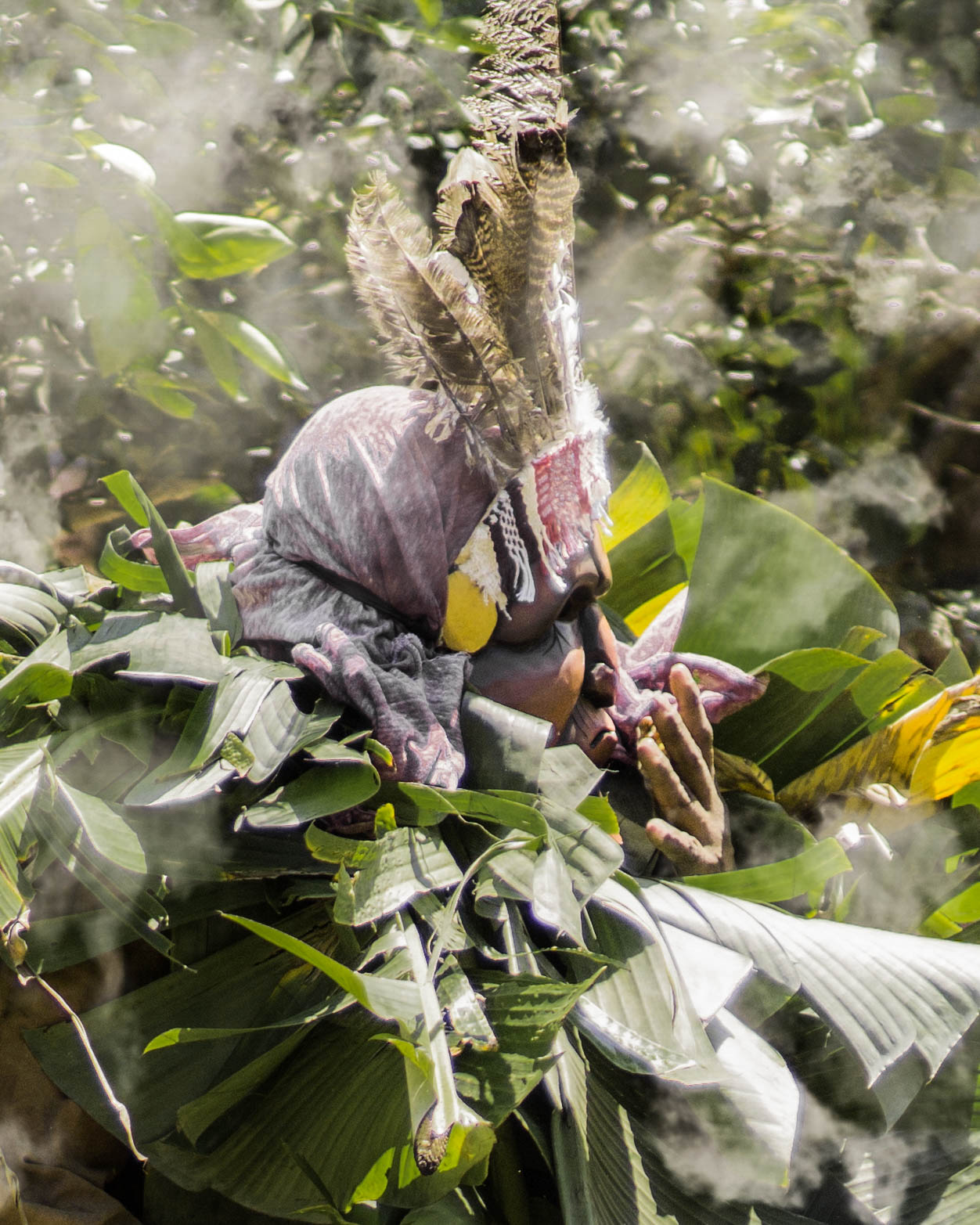
INEC’s 2011 census counted 104,143 indigenous people, of whom 78,073 said they belong to a specific people. The largest groups were the Bribri (18,198), the Cabécar (16,985) and the Chorotega (11,442).
Foreign-born residents numbered 385,899, or 9.0% of the population in 2011, and 287,766 of them, or 74.6%, came from Nicaragua. Article 60 also bars foreigners from union leadership, which shuts them out of one route to influence.
The Rio Times has covered the groups in detail in its guide to Costa Rica’s population and ethnic groups. Indigenous people are concentrated in the outer provinces, where 60.4% lived in 2011 against 26.1% of the whole population.
Costa Rica in the Power Index
The Rio Times Latin America Power Index ranks 14 countries, and its October 2026 edition places Costa Rica ninth with 36.5 points. Brazil leads with 75.0 and Mexico follows with 71.4, as the Latin America Power Map shows.
Costa Rica’s strongest pillar is state capacity at 75.0, third behind Uruguay (87.9) and Chile (86.3). Its military score is 0.0, the lowest of the 14, as the country has no army and no military spending.
Relations score 60.4, economic weight 40.5, future resources 21.3 and international influence 14.0. The index places Costa Rica among the eight countries closer to Washington, based on UN votes and security memberships.
What It Means for US Readers
Costa Rica power is shared among the executive, Assembly, courts and electoral tribunal, so US firms face several decision points. A country without an army also means that security questions run through police and ministries, not generals.
The United States takes 42.0% of Costa Rica’s goods trade, so US tariff or visa decisions reach its exporters quickly. Investors should follow both the president and the Assembly, because the Assembly elects magistrates and writes the laws.
What Is Not Known
Official data do not rank the largest private fortunes or business groups, so none is named in this guide. Union membership and the shares of Catholics, evangelicals and people without religion are also open questions.
The split of Assembly seats among parties and the 2026 vote totals are not covered in this guide. How much influence Chaves exerts from the cabinet is not publicly documented.
Frequently Asked Questions
Who holds power in Costa Rica?
Laura Fernández is president for 2026 to 2030. Power is shared with the Assembly, the Supreme Court, led by Patricia Vargas González since 26 October 2026, and the electoral tribunal.
Does Costa Rica have an army?
No. Article 12 of the Constitution bans a permanent army and leaves public order to the police. Military forces may exist only under a continental agreement or for national defence.
Which region dominates Costa Rica?
The central provinces of San José, Alajuela, Cartago and Heredia held 72.6% of the 5,044,197 people in the 2022 estimate. San José province alone held 31.7%.
How unequal is Costa Rica?
The World Bank put the Gini score at 45.5 in 2025. The richest 10% received 34.3% of income and the poorest 20% received 4.7%.
Is Catholicism the state religion of Costa Rica?
Yes. Article 75 makes the Roman Catholic faith the religion of the State and says the State contributes to its upkeep. Other beliefs may be practised freely.
Can Rodrigo Chaves run for president again?
Not in 2030. Article 132 bars anyone who held the presidency within the eight years before the term at stake.
Where does Costa Rica rank in the Rio Times Power Index?
Ninth of 14 countries, with 36.5 points in the October 2026 edition. It is third for state capacity, at 75.0.
Sources: Presidency of Costa Rica, home page and cabinet (office holders), 2026-11-01; Presidency of Costa Rica, list of former presidents 1848 to 2022, 2026-11-01; Presidency of Costa Rica, communiqué on the audience with Pope Leo XIV, 2026-09-23; Judicial Branch of Costa Rica, election of Patricia Vargas González as president of the Supreme Court, 2026-10-26; Political Constitution of Costa Rica, Articles 9, 12, 60, 61, 75, 78, 84, 106, 107, 132, 134, 158, 169 and 170, 2020-01-01; INEC, Estimation of Population and Housing 2022, press release, 2023-07-20; INEC, Census 2011 general results (full report), 2011-01-01; INEC, Costa Rica en cifras 2023 (multidimensional poverty by zone), 2023-11-01; Costa Rican judiciary, Circular 176-2015 on access to justice for Afro-descendants, 2015-01-01; World Bank, World Development Indicators for Costa Rica, 2026-10-08; CINDE, Costa Rica Investment Promotion Agency, 2023-12-31; The Rio Times Latin America Power Index, October 2026 edition (IMF trade data, UN votes), 2026-11-01.
This article was produced by The Rio Times’ automated newsroom system. How we use AI · Report an error · Editorial responsibility: Matthias Camenzind, Editor-in-Chief
Expat Guide to Costa Rica
What The Rio Times publishes for foreigners who live in or move to Costa Rica.
Start here
- Fer De Lance Snake Facts and Safety Tips
- Best Places to Live in Costa Rica for Expats 2026
- Costa Rica Income Tax Bill Would Charge Residents 15% on Five Kinds of Foreign Investment Income
- Costa Rica Permanent Residency and Citizenship: How the Rules Work
City guides
Coming up in Costa Rica
- Alejandro Sanz Plays Costa Rica on 7 November 2026 7 Nov
- Soda Stereo Costa Rica Tickets From US$93 11 Nov
- Cazzu Plays Alajuela, Costa Rica, on 12 November 2026 12 Nov
- Costa Rica National Symphony in San Jose, 13 November 2026 13 Nov
Understand Costa Rica
Brazil runoff date: Sunday, October 25, poll closing times and when results start · Brazil runoff polls: Flávio 51%, Lula 49% · Kalshi and Polymarket odds
Rotate for Best Experience
This report is optimized for landscape viewing. Rotate your phone for the full experience.
You've reached your free article limit
Subscribe to The Rio Times for unlimited access to our news, expat and nomad guides and market intelligence on Latin America and Africa.
Keep reading for free
Your first article was on us. Register with your email address to read 6 free articles every month. You will also receive The LatAm Brief: what moved in Latin American markets, politics and expat life, every weekday morning.
Expat Guide to Costa Rica
What The Rio Times publishes for foreigners who live in or move to Costa Rica.
Start here
- Fer De Lance Snake Facts and Safety Tips
- Best Places to Live in Costa Rica for Expats 2026
- Costa Rica Income Tax Bill Would Charge Residents 15% on Five Kinds of Foreign Investment Income
- Costa Rica Permanent Residency and Citizenship: How the Rules Work
City guides
Coming up in Costa Rica
- Alejandro Sanz Plays Costa Rica on 7 November 2026 7 Nov
- Soda Stereo Costa Rica Tickets From US$93 11 Nov
- Cazzu Plays Alajuela, Costa Rica, on 12 November 2026 12 Nov
- Costa Rica National Symphony in San Jose, 13 November 2026 13 Nov
Understand Costa Rica