Costa Rica Residency 2026, Income Tests From US$1,000
Guides · Costa Rica
The stakes: Costa Rica residency comes in several forms, each with its own income or investment test. Choosing the wrong one costs months.
The facts: The main temporary categories are pensionado, rentista and inversionista, plus a separate stay for remote workers. The thresholds are US$1,000 a month, US$2,500 a month and US$150,000.
The context: Applicants must also join the Caja, the public health insurer. The law gives the DGME three months to resolve a complete file, and permanent residency opens after three years.
Key Facts
—The country. Costa Rica is a Central American democracy of five million people, led since 8 May 2026 by President Laura Fernández Delgado.
—The gatekeeper. Costa Rica residency is decided by the Dirección General de Migración y Extranjería under Ley 8764, not by a consulate abroad.
—The routes. Pensionado needs a lifetime pension of US$1,000 a month, rentista US$2,500 a month for two years, inversionista US$150,000.
—The catch. Every resident category must join the Caja, and cover has to run unbroken from the grant to each renewal.
—The incentives. The Ley 9996 tax reliefs closed to new applicants on 14 July 2026, but the US$150,000 investor threshold is untouched.
—The wait. Ley 8764 gives the DGME three months to resolve a complete file, and the Defensoría found Trámite Ya about a year behind.
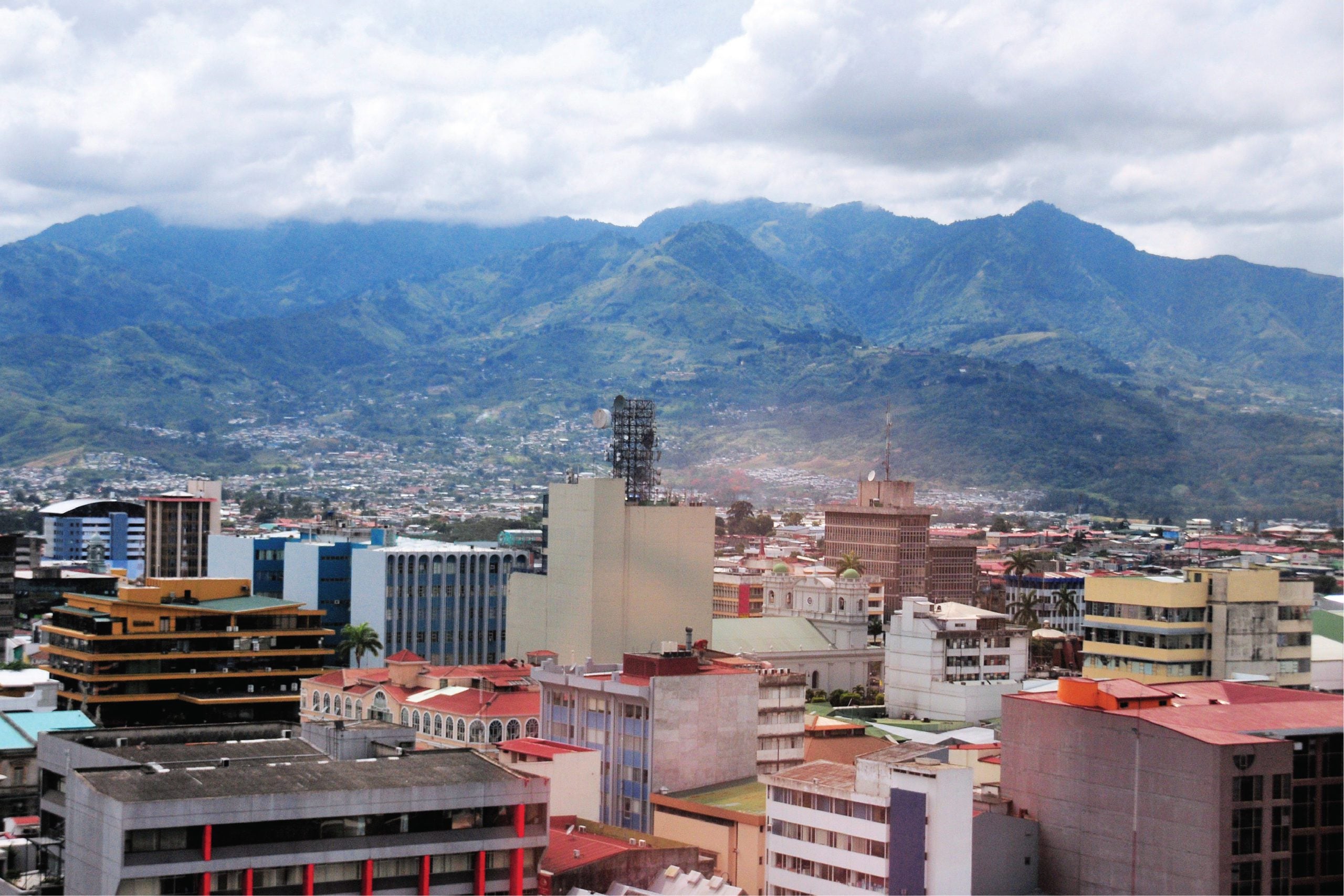
Residency Categories Overview
Costa Rica residency runs through the Dirección General de Migración y Extranjería, the immigration service everyone calls the DGME. Its powers come from Ley 8764, the 2009 immigration act.
Article 79 of that law lists the temporary resident subcategories. Investors are numeral 4, rentistas numeral 9 and pensionados numeral 10.
Each grant runs for up to two years and renews for the same term. The money tests sit in the regulations rather than in the law itself.
Remote workers have a separate route. Ley 10008 of 2021 created a stay for remote workers, which the law classes as a non-resident visit.
Pensionado: the Retiree Route
The pensionado category is for people already drawing a pension. Article 100 of the Reglamento de Extranjería sets the test.
The applicant produces a document from a competent authority showing the pension. It may not fall below US$1,000 a month.
The regulation uses the word vitalicia, which means payable for life. Certificates issued abroad must be legalised or apostilled.
Pensionados renew every two years under article 228 of the same regulation. Ley 8764 allows temporary residents only the paid activities the DGME authorises.
Rentista: the Fixed Income Route
The rentista route suits people living on investment income rather than a pension. Article 99 of the Reglamento de Extranjería governs it.
The applicant shows stable, permanent monthly income of at least US$2,500. That income has to be assured for a period of no less than two years.
A bank inside the Costa Rican national banking system usually issues the certificate. Income from abroad can be proved by a foreign bank document, legalised or apostilled.
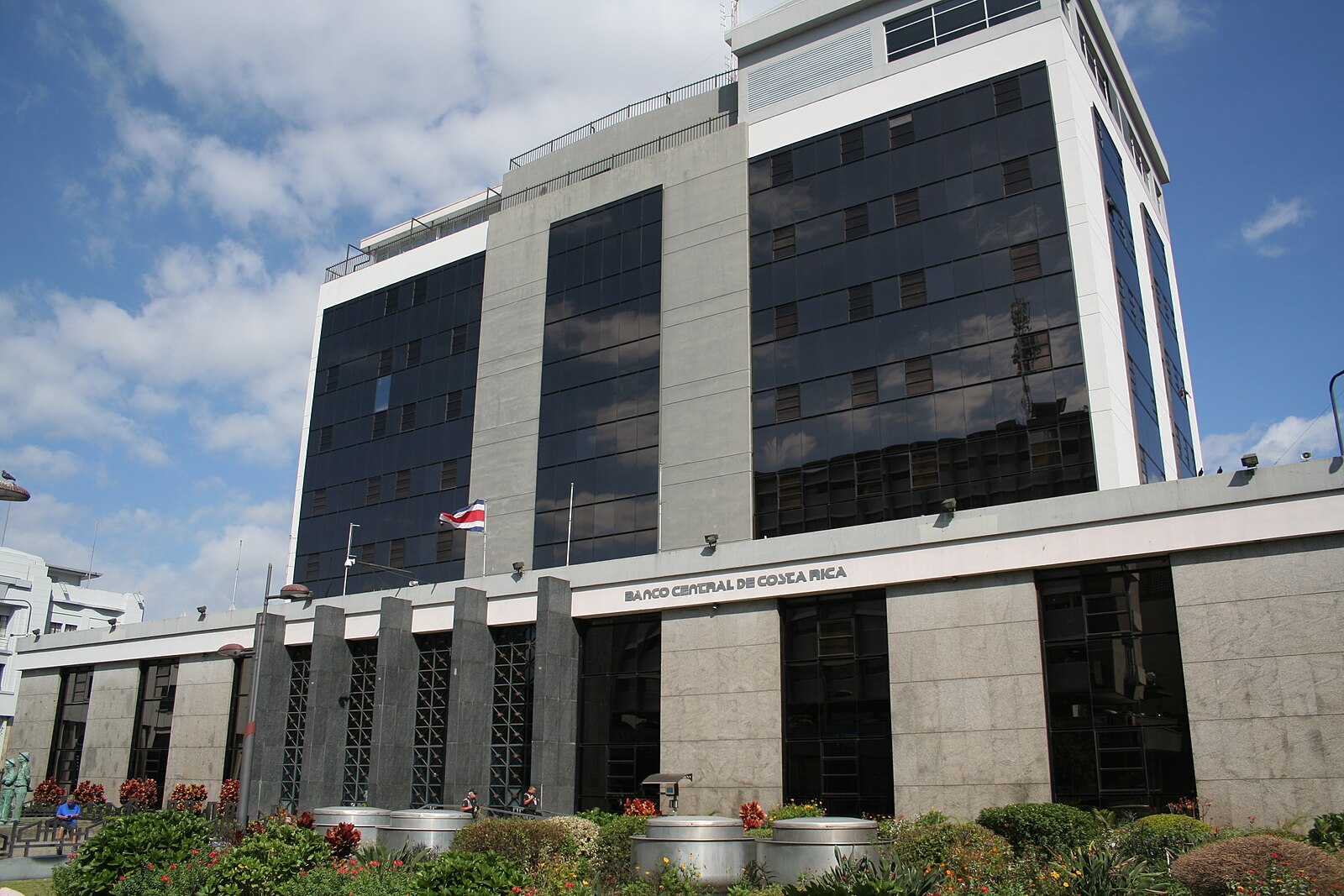
Where no bank will certify, a Costa Rican public accountant may do it instead. Dollar figures convert at the selling rate set by the Banco Central de Costa Rica.
Renewal falls due every two years under article 227. The applicant brings a fresh bank certificate showing the income continues.
Inversionista: What Changed in 2023
The investor route was rewritten three years ago, and the old numbers still circulate online. Decreto Ejecutivo 43926 of 14 February 2023 is the rule in force.
Article 4 of that decree sets the investment at no less than US$150,000. It converts at the official selling rate set by the Banco Central de Costa Rica.
The list of qualifying assets is wide. It covers real estate, registrable movable property, shares, securities and productive projects.
Projects of national interest also count. So do venture capital funds and sustainable tourism infrastructure approved by the tourism board.
Article 31 of the same decree repealed articles 87 to 93 of the Reglamento de Extranjería. Those were the old investor articles, and the US$200,000 figure went with them.
The grant runs two years and renews for equal periods. At each renewal the investor shows the investment has been held without a break.
Article 13 is blunt about work. Investors and their dependants may not do any paid manual or intellectual work in the country.
Banco de Costa Rica lists the category as inversionista, condición restringida. An investor file also pays US$200 under article 89 of Ley 8764, on top of the usual US$50.
What Actually Closed on 14 July 2026
Ley 9996 added tax sweeteners for investors, rentistas and pensionados. It was published in La Gaceta 135 on 14 July 2021.
Article 5 offered one duty-free shipment of household goods and up to two vehicles free of import tax. It also cut the property transfer tax by a fifth.
Article 12 allowed those reliefs only during the law’s first five years. That window shut on 14 July 2026.
People who claimed the reliefs inside the window keep them for ten years from the grant. They must also hold on to the goods for ten years.
The investment figure is a separate question. Decreto 43926 sets it, and that decree has never been amended.
Digital Nomad Stay, Not Residency
Ley 10008 created a stay for remote workers and remote service providers. Article 2 places it in the non-resident category.
Its regulation asks for US$3,000 a month earned from outside the country. The figure rises to US$4,000 when dependants are included.
Applicants need medical cover of at least US$50,000 for the whole authorised stay. The application costs US$100 under article 256 of Ley 8764.
The stay lasts one year and can be extended once. The extension requires at least 180 days spent in the country during that first year.
The DGME has 15 calendar days to decide. Holders are exempt from the tax on profits and are never treated as habitual tax residents.
Because the stay is not temporary residency, it builds nothing toward permanent residency. Ley 8764 counts only years spent as a temporary resident.
Caja Enrolment and What It Costs
Article 31 of the Reglamento de Extranjería makes public health cover compulsory for resident categories. The insurer is the Caja Costarricense de Seguro Social, known as the Caja.
Cover starts when the category is granted and must run without a gap. Ley 8764 makes continuous affiliation a condition of every renewal.
Contributions are a percentage of an income the Caja assesses, not of the figure you declare. The 2026 scale for voluntary and migrant affiliates runs from 7.05 to 19.11 percent.
The assessed income cannot drop below the Caja floor. For the health scheme in 2026 that floor is ¢346,789 a month (about US$767).
That conversion uses a rate of 451.86 to the US dollar. It is the Banco Central reference selling rate published by the finance ministry for 23 September 2026.
Fees, Paperwork and Waiting Times
Ley 8764 fixes the government fees and they have not moved. A first application for temporary or permanent residence costs US$50 under article 255.
Articles 252 and 253 charge US$30 each, for the cédula de extranjería and for the document proving legal stay. Article 33 adds US$25 to the Fondo Social de Migración on the grant and at every renewal.
Changing migratory category costs US$200 under article 89. Renewing a document more than 30 days late costs US$3 for each month of delay.
The card itself is priced separately. Banco de Costa Rica charges pensionados, rentistas and investors US$128, plus US$15 commission and ¢5,198 (about US$12) for delivery by Correos.
Article 200 of Ley 8764 gives the DGME three months to resolve once the file is complete. An incomplete file gets 10 working days to be put right.
The service is running behind that standard. The Defensoría de los Habitantes reported on 19 August 2026 that the Trámite Ya channel was about a year in arrears.
The DGME has trimmed paperwork in response. A measure in force from 16 February 2026 to 16 February 2027 accepts expired passports and residence documents that are undamaged.
Permanent Residency and Citizenship
Article 78 of Ley 8764 opens permanent residency after three consecutive years of temporary residency. Permanent residents must also show unbroken Caja cover to renew.
Long absences end the status. Article 129 cancels a temporary residency after more than two consecutive years abroad, and a permanent one after four.
Citizenship is decided by the electoral tribunal rather than by the DGME. The Constitution asks for seven years of official residence.
Nationals of other Central American countries, Spaniards and Ibero-Americans by birth need five years. Both figures sit in article 14 of the Constitution.
The Documents That Trip People Up
The regulation asks for the same core papers in every category. A birth certificate and a police certificate head the list.
The police certificate comes from the country of origin, or from wherever the applicant legally lived for the last three years. Both documents need an apostille or consular legalisation.
Passport pages are certified by a notary or checked against the original at the counter. A spouse adds a legalised marriage certificate.
Anything not written in Spanish needs a literal translation. An official translator, or a notary who knows the language, has to produce it.
| Category | Income or investment test | Term | Counts toward permanent residency |
|---|---|---|---|
| Pensionado | US$1,000 a month, lifetime pension | 2 years, renewable | Yes, after 3 years |
| Rentista | US$2,500 a month, assured for 2 years | 2 years, renewable | Yes, after 3 years |
| Inversionista | US$150,000 under Decreto 43926, article 4 | 2 years, renewable | Yes, after 3 years |
| Remote worker stay | US$3,000 a month, or US$4,000 with dependants | 1 year, one extension | No |
Sources: Ley 8764, Ley General de Migración y Extranjería; Reglamento de Extranjería, Decreto Ejecutivo 37112; Decreto Ejecutivo 43926, Reglamento a la Ley 9996; Ley 9996, La Gaceta 135 of 14 July 2021; Ley 10008 and Decreto Ejecutivo 43619; Constitución Política, article 14; Caja Costarricense de Seguro Social contribution scale; Banco Central de Costa Rica reference rate via the Ministerio de Hacienda; Banco de Costa Rica DIMEX requirements; Defensoría de los Habitantes
More from the Latin America section — guides, analysis and country briefings from The Rio Times.
More: Costa Rica news in English, every day from The Rio Times.
Frequently Asked Questions
Which Costa Rica residency category should I apply for?
Pensionado if you draw a lifetime pension of at least US$1,000 a month. Rentista if you can certify US$2,500 a month assured for two years, and inversionista if you are placing US$150,000. Remote workers who do not intend to settle usually take the separate one-year stay instead.
How much do I have to invest for investor residency?
US$150,000, under article 4 of Decreto Ejecutivo 43926 of 14 February 2023. The older US$200,000 figure came from articles 87 to 93 of the Reglamento de Extranjería, which that same decree repealed. Investors and their dependants may not take paid work of any kind.
Did the rules change on 14 July 2026?
The tax reliefs in article 5 of Ley 9996 closed to new applicants that day, five years after the law was published. Those reliefs covered household goods, two vehicles and a cut in the property transfer tax. The US$150,000 investment threshold was not affected.
How long does a Costa Rica residency application take?
Ley 8764 gives the DGME three months to resolve a complete file. In August 2026 the Defensoría de los Habitantes reported that the Trámite Ya channel was about a year behind, so plan the move around a tourist stay.
Do I have to join the public health system?
Yes. Caja cover is compulsory for every resident category, starts when the category is granted and must run unbroken to each renewal. Contributions follow a 2026 scale running from 7.05 to 19.11 percent of an income the Caja assesses.
This article was produced by The Rio Times’ automated newsroom system. How we use AI · Report an error · Editorial responsibility: Matthias Camenzind, Editor-in-Chief
Expat Guide to Costa Rica
What The Rio Times publishes for foreigners who live in or move to Costa Rica.
Start here
- Fer De Lance Snake Facts and Safety Tips
- Best Places to Live in Costa Rica for Expats 2026
- Costa Rica Income Tax Bill Would Charge Residents 15% on Five Kinds of Foreign Investment Income
- Costa Rica Permanent Residency and Citizenship: How the Rules Work
City guides
Coming up in Costa Rica
- Ozuna Plays Costa Rica on 31 October 31 Oct
- Alejandro Sanz Plays Costa Rica on 7 November 2026 7 Nov
- Soda Stereo Costa Rica Concert on 11 November 2026 11 Nov
- Cazzu Plays Alajuela, Costa Rica, on 12 November 2026 12 Nov
Understand Costa Rica