New Zealand Advance Voting Passes 500,000

Published Saturday, October 31, 7:40 p.m. ET (Sunday, November 1, 12:40 p.m. in New Zealand) · Source: New Zealand Electoral Commission, New Zealand Police, Reid Research, Verian, Polymarket
Key Facts
- Turnout: More than 500,000 New Zealanders have already voted, a week before election day.
- Polls: Reid Research has Labour ahead by 5.8 points; Verian has National ahead by 2.
- Results: Election day is Saturday, November 7; polls close at 1 a.m. Eastern (7 p.m. in New Zealand).
- Prediction markets: Polymarket gives National 72.0% and Labour 27.5% to win most seats (Oct 31, 7:23 p.m. ET).
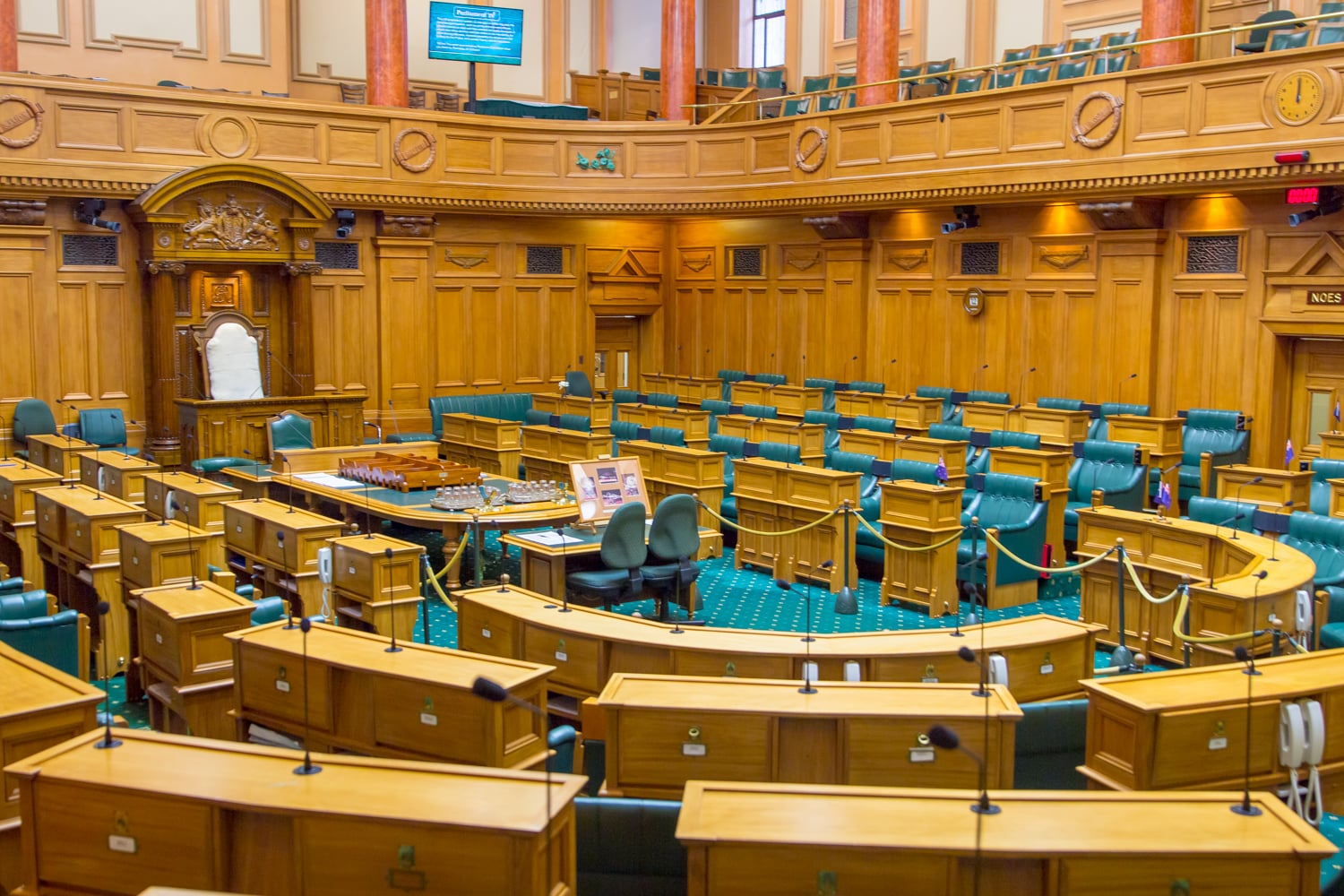
New Zealand is voting early, and in large numbers. More than 500,000 ballots have been cast since advance voting opened on October 26, a week before the New Zealand general election on November 7.
The Electoral Commission, the independent body that runs the vote, has opened advance polling places across the country, and plans more than 2,300 on election day itself.
A Heavy Early Vote, and a Quick Start
Advance voting, meaning voting before election day, opened on Monday, October 26. The Commission counted 175,748 votes in the first two days, so the pace has held up since.
New Zealanders abroad began voting on October 21. Enrolment, the deadline to be on the voting list, closed on Sunday, October 25.
Nobody can say yet who benefits from the early rush. The Commission does not publish how early voters lean.
Two Polls, Two Different Leaders
The newest poll comes from Reid Research, a New Zealand polling firm. Taken on October 20–26 among 1,000 people, it has Labour at 30.6% and National at 24.8%.
In that poll the Greens stand at 14.5%, ACT (a free-market party) at 10.1% and New Zealand First (a populist party) at 9.9%. Opportunity, a small newer party, is at 7.2%, and Te Pāti Māori, the Māori Party, at 1.9%.
A Verian poll, published on October 27 by another New Zealand polling firm, tells the opposite story. It puts National at 29% and Labour at 27%, with the Greens at 15%, ACT at 12% and New Zealand First at 10%.
Verian has Opportunity at 6%. Both polls therefore place it above the 5% party-vote line that normally decides whether a party wins seats.
Why the Smaller Parties Decide This
New Zealand uses mixed-member proportional voting, which gives each party seats roughly in line with its share of the party vote. No party usually wins a majority alone, so coalitions decide who governs.
Prime Minister Christopher Luxon leads a National-led government. Chris Hipkins, the Labour leader, heads the main opposition bloc.
A party that clears 5% enters Parliament and can tip a close contest. That is why Opportunity matters far more than its single-digit poll numbers suggest.
What Prediction Markets Say
Traders on Polymarket, a crypto-based prediction platform, favour National. On October 31 at 7:23 p.m. ET they priced National at 72.0% and Labour at 27.5% to win the most seats, with about US$141,000 traded.
The same platform gives a National, ACT and New Zealand First coalition 59.0% to form the next government. A Labour, Green and Māori Party coalition is at 23.0%.
Prediction-market prices are bets, not polls. Here they lean toward National while the newest poll leans toward Labour.
Why we show this: prediction markets turn real-money bets into a live probability that moves within minutes of the news, which is why investors, campaigns and newsrooms in the United States now follow them closely. We show them next to polls and official results, never instead of them.
What It Means for US Readers
Polls close at 7 p.m. in New Zealand on Saturday, November 7, and first results follow soon after. That is 1 a.m. Eastern the same day and 10 p.m. Pacific on Friday, November 6, once US daylight saving time ends on Sunday, November 1.
New Zealand is a close US security and trade partner, so a change of government matters to investors and diplomats. A coalition deal could take days after the vote to settle.
What Is Not Known
It is not known whether the early voters lean to Labour, National or the smaller parties. It is also not known whether Opportunity will clear the 5% line.
Police say they are making inquiries into claims by two people that they voted more than once. The claims have not been verified as accurate.
Official results are due on November 27, after special votes (ballots cast outside a voter’s home area) are counted.
Frequently Asked Questions
When is New Zealand’s election day?
It is Saturday, November 7, 2026, with voting from 9 a.m. to 7 p.m. New Zealand time. First results follow soon after polls close.
Who is ahead in the polls?
It depends on the poll. Reid Research has Labour on 30.6% against National’s 24.8%, while Verian has National on 29% against Labour’s 27%.
This article was drafted with automated assistance and reviewed before publication. How we use AI · Report an error · Editorial responsibility: Matthias Camenzind, Editor-in-Chief
Read More from The Rio Times