Costa Rica Permanent Residency and Citizenship: The 2026 Rules
Guides · Costa Rica
Key Facts
- The country — Costa Rica is a Central American democracy of about five million people, with no army and a services-led economy. Citizenship is handled not by a ministry but by the Tribunal Supremo de Elecciones, the body that also runs elections.
- The rule — Article 78 of the immigration law, Ley 8764, opens permanent residency to anyone who has held temporary residency for three consecutive years, and to first-degree blood relatives of a Costa Rican. Every temporary subcategory waits the same three years.
- What matters now — the incentive window in Ley 9996 closed on 14 July 2026, five years after the law was published, and the investor threshold it set is now disputed.
- What happened — this guide records, as of September 2026, the routes to permanent residency, the social security condition behind every renewal, and what naturalisation really demands.
- The numbers — a pensionado needs a foreign pension of US$1,000 a month, a rentista US$2,500 a month. Naturalisation itself is free: the only official charges are timbres of ¢20 (about US$0.04) or ¢200 (about US$0.44), and the published resolution period is 285 business days.
- What it means for you — unbroken affiliation to the Caja, the public social insurance fund, is the condition that decides renewals at every stage. A lapse puts your card at risk.
- Still open — whether the investor route now requires US$150,000 or US$200,000 is unresolved in Costa Rican law. Get a written ruling from the immigration authority before committing capital.
Three years, then three more documents than you expected, and one social security payment that quietly decides whether any of it holds together.
Costa Rica permanent residency is reached by waiting, not by buying. Three consecutive years of temporary residency is the standard path, and the shortcuts you have read about are mostly misreadings of the statute. Citizenship is a second, longer stage with two school exams attached. Here is what the law actually says, and where it leaves questions open.
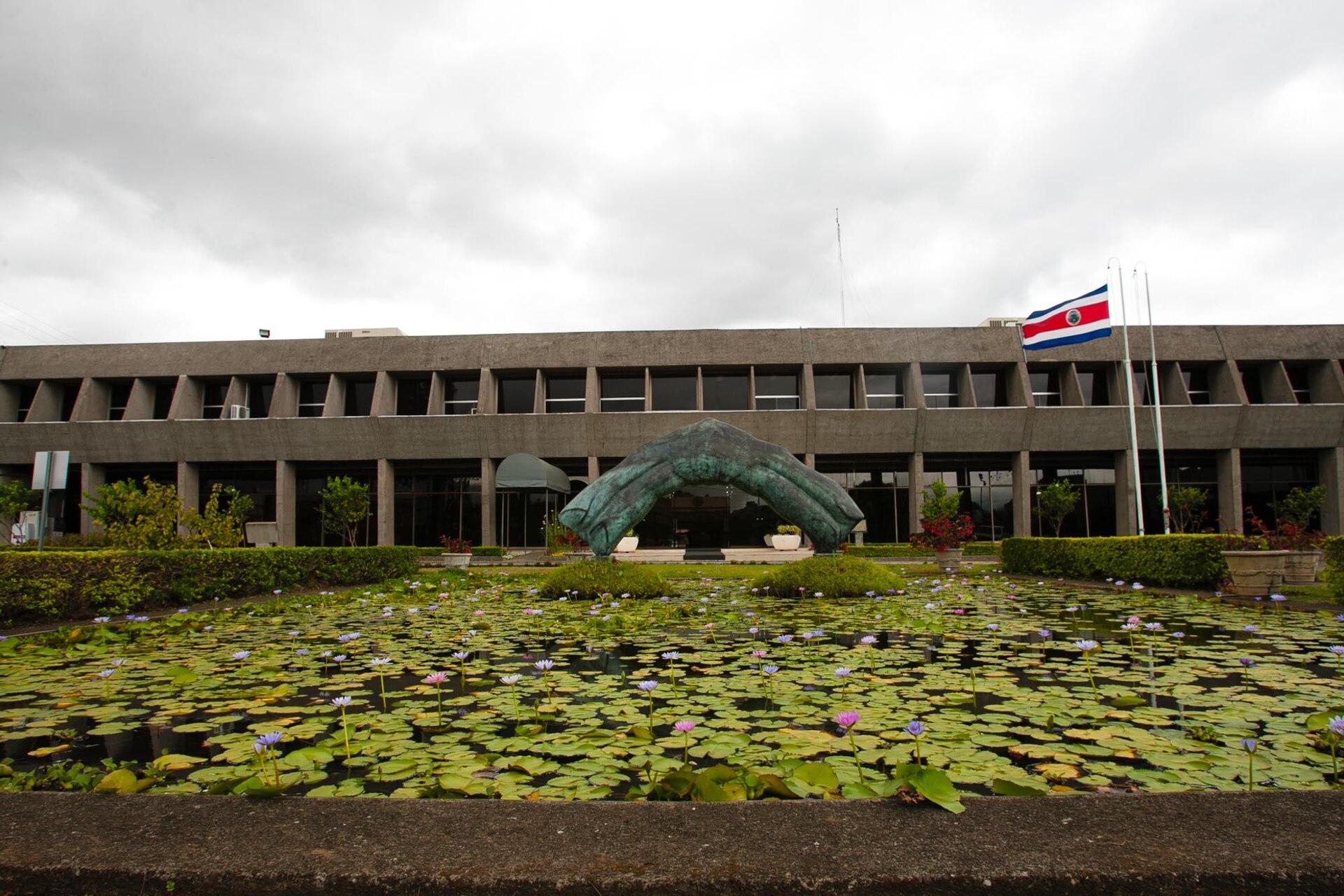
The three-year rule for Costa Rica permanent residency
Article 78 of Ley 8764 lists who may apply. The main route is three consecutive years of temporary residency, and it covers the foreigner, the spouse and first-degree blood relatives who have held that status.
Three years is the figure for every temporary subcategory in Article 79. Pensionado, rentista, inversionista, specialised employee, religious worker, scientist, athlete, journalist and dependants all wait the same time. No category runs faster.
A third route covers people granted the status by the Comisión de Visas Restringidas y Refugio.
Marriage, children and the direct route
Article 78(2) is the route with no waiting period, and it is narrower than it looks. It covers first-degree consanguinity with a Costa Rican: parents, minor children, adult children with a disability, and minor siblings or adult siblings with a disability.
A spouse is not a blood relative and is not on that list. Several widely read English-language guides state that marrying a Costa Rican leads straight to permanent residency. The statute says otherwise.
Marriage is governed by Article 73. The foreign spouse receives a status that is conditional and temporary, for one year at a time. It is renewed annually on proof that the couple still live together, and the marriage must be registered in the Costa Rican Registro Civil. After three consecutive years, that record gives access to permanent residency.
Article 73 bis, added by Ley 8781 of 11 November 2009, extends the same route to a recognised unión de hecho, on production of the judicial recognition. Having a Costa Rican child gives the direct route. Marrying a Costa Rican does not.
The Caja condition behind every renewal
The social insurance requirement is written into the statute twice over. The final paragraph of Article 78 says permanent residents must prove affiliation to the Caja, from the moment residency was granted and without interruption, to renew their cédula de extranjería.
The final paragraph of Article 80 says the same for temporary residents. Article 86 makes an extension conditional on still meeting the requirements and on being insured. Article 83 repeats the point for executives and technical staff.
Read together the message is blunt. Unbroken enrolment decides renewals at every stage, and a lapse puts the card at risk.
Pensionado, rentista and the investor question
The statute sets the income thresholds for the routes that lead there. Article 81 asks a pensionado for a monthly, permanent and stable pension from abroad of at least US$1,000. Article 82 asks a rentista for at least US$2,500 a month, from abroad or from the national banking system, covering the applicant, spouse and children under 25.
The investor figure is unsettled. Ley 9996, published on 14 July 2021, offered incentives to investors, rentistas and pensionados. Its Article 12 gave applicants five years to opt in, so the window closed on 14 July 2026.
Those incentives are shut to new applicants. They covered a one-off exemption on household goods and duty-free import of up to two vehicles. They also gave a 20% cut in the real estate transfer tax, and exemption from income tax on the sums declared to qualify. People already granted them keep them for ten years. These article numbers come from Costa Rican firms’ analysis rather than the statute text.
Here is the gap. Article 8 of Ley 9996 set the investor threshold at US$150,000, while the immigration regulation, Decreto 37112-GOB, has US$200,000. The sunset clause names only the incentives, not the investment figure. In early September 2026 the immigration checklist still showed US$150,000, and no official statement has settled the point. Ask for a written ruling before you commit capital.
Naturalisation: five years or seven
Citizenship rules sit in the Constitution, at Articles 13 to 17. Article 14, as reformed by Ley 7879 of 27 May 1999, sets two periods of official residence.
Five years applies to nationals of other Central American countries, to Spaniards, and to Ibero-Americans by birth. Seven years applies to everyone else, including people who hold one of those nationalities other than by birth.
Article 15 adds the substance: good conduct, competence in Spanish, knowledge of the country’s history, and an oath to respect the constitutional order. The Tribunal Supremo de Elecciones runs the procedure under Ley 1155.
The exams, the cost and the wait
Two written exams stand in the way, set by the education ministry, the MEP: Español and Estudios Sociales. Studies completed and passed in Costa Rica can be recognised instead. Older adults are exempt, as are people with a certified permanent health or cognitive impediment.
The file is strict. You need a certified copy of your DIMEX, the foreigner identity card, or another immigration or foreign ministry document. A passport is not accepted. Add an apostilled birth certificate with official translation, two witnesses who have known you for the statutory period, and proof of your means of living.
The police certificate must come from a federal or national authority in your country of origin or last country of foreign residence. State, county and consular certificates are refused, and it must be presented within three months of issue. After filing you publish a notice in La Gaceta, and missing that deadline means outright rejection.
The Tribunal states that the service is free. Colon amounts here use the Banco Central reference rate for 22 September 2026, ¢450 (about US$1) to the dollar. The only official charges are timbres fiscales of ¢20 (about US$0.04) for Central American citizens and ¢200 (about US$0.44) for other nationalities. You still pay for apostilles, translations and the Gaceta notice, whose price the sheet does not state.
The published resolution period is 285 business days, roughly 13 to 14 months once the file is complete. Add the time to gather apostilled papers and pass the exams. Two years is a fair expectation.
Dual nationality is allowed. Article 16 of the Constitution, reformed in 1995, says Costa Rican nationality is neither lost nor renounceable. Nothing obliges a new citizen to give up their first nationality, though that is decided by the other country’s law. Citizenship also brings compulsory voting.
Frequently Asked Questions
Does marrying a Costa Rican give immediate permanent residency?
No. Article 73 of Ley 8764 gives the foreign spouse a conditional, temporary status for one year at a time, renewed on proof of living together. Permanent residency follows after three consecutive years, and the marriage must be registered in the Costa Rican Registro Civil.
How long must I hold temporary residency first?
Three consecutive years, under Article 78 of Ley 8764. That period is the same for pensionado, rentista, inversionista and every other temporary subcategory, and for dependants who hold status through the main applicant.
Is the investor threshold US$150,000 or US$200,000?
It is genuinely unresolved. Ley 9996 set US$150,000 while the immigration regulation has US$200,000, and the five-year window in the law closed on 14 July 2026 without settling the question. Ask the immigration authority for a written ruling before committing money.
What does naturalisation cost?
The Tribunal Supremo de Elecciones states that the service is free. The only official charges on its requirements sheet are timbres of ¢20 (about US$0.04) or ¢200 (about US$0.44) depending on nationality, and you pay separately for apostilles, translations and the La Gaceta notice.
Connected Coverage
- Costa Rica Residency: A Guide for Expats
- Healthcare in Costa Rica: the Caja and Private Cover
- Moving to Costa Rica: The Full Relocation Guide
This article was produced by The Rio Times’ automated newsroom system. How we use AI · Report an error
Read More from The Rio Times
Rotate for Best Experience
This report is optimized for landscape viewing. Rotate your phone for the full experience.
You've reached your free article limit
Subscribe to The Rio Times for unlimited access to expert analysis, market intelligence, and daily briefings on Latin America.