Costa Rica People Culture and Daily Life Explained

COSTA RICA · PEOPLE AND CULTURE
Key Facts
- —The country Costa Rica, a Central American republic of 5,044,197 people (INEC, 2022).
- —Who Ticos are 83.7% white or mestizo, 7.8% Black or mulatto, 2.4% Indigenous (2011).
- —Where they live Four Central Valley provinces hold about 73% of residents (2022).
- —US link US residents made 1,627,807 of 2,943,991 arrivals in 2025 (ICT).
- —Entry rule US citizens need no visa; stays up to 180 days, not guaranteed.
- —Still open The 2022 census reached only 60.7% of homes; detail is missing.
Who Costa Ricans are, how they live, how their regions differ and what US visitors should know.
Costa Rica people call themselves Ticos and Ticas, and most live in cities on a cool central plateau. The statistics office INEC put the population at 5,044,197 in 2022, roughly the size of Alabama.
More than half of all foreign visitors to the country come from the United States. For them, the habits, values and regional differences of Ticos shape almost every part of a trip or a move.
Who Costa Rica People Are by the Numbers
INEC, the National Institute of Statistics and Censuses, ran its last census from 8 June to 30 September 2022. It was meant to take three weeks, but the agency could not hire enough census takers.
By the end, INEC had interviewed households in only 60.7% of the country’s 1,769,081 dwellings. Another 7.7% refused and 12.4% were never visited, according to the agency’s own coverage report.
Because coverage was partial, INEC published an estimate instead of a full count. It told the UN Statistics Division that it releases only the number of inhabitants and dwellings from that exercise.
The estimate, presented on Thursday, 20 July 2023, gave these headline figures, as reported by the San José news site Delfino:
- Total: 5,044,197 people, growing about 1.4% a year since the 2011 census.
- Sex: 2,532,353 women and 2,511,844 men, or 99 men for every 100 women.
- Age: 20.8% were under 15 and 10.1% were 65 or older. In 2000, under-15s had been 31.9%.
- Households: 3.1 people per occupied home, down from 4.1 in 2000.
The World Bank, which uses UN population models, puts the 2025 population at 5,152,950. Its data show life expectancy at birth of 81.0 years in 2024, above the US average.
Costa Ricans are now ageing fast. New INEC projections released on Monday, 30 June 2025 expect the population to start shrinking from 2044, Delfino reported.
The country is mostly urban. The World Bank estimates that 79.7% of residents lived in urban areas in 2025.
Ethnic Roots: Mestizo Majority, Afro-Caribbean and Indigenous Peoples
The 2022 estimate has no ethnic data, so the 2011 census remains the latest official picture. That census asked people how they identify themselves:
- White or mestizo (mixed European and Indigenous descent): 83.7%.
- Mulatto (mixed African and European descent): 6.7%.
- Indigenous: 2.4%. Of these, 38.9% belonged to an Indigenous people and spoke an Indigenous language.
- Black or Afro-descendant: 1.1%. Chinese: 0.2%. Other, none or not declared: 5.9%.
The census also found that 9.0% of residents had been born abroad. Spanish colonists, Indigenous nations, Afro-Caribbean migrants and later arrivals from Asia and Europe all fed into the modern population.
Most Ticos describe themselves first as Costa Rican, not by ancestry. Regional identity, though, runs deep, as the sections on Guanacaste and Limón show.
Values Ticos Live By
The phrase a visitor hears first is pura vida, literally “pure life”, and works as hello, goodbye, thanks and “all is fine”. Its origin is covered in the Rio Times guide to Costa Rica culture.
Peace is part of national identity. Article 12 of the 1949 constitution bans the army as a permanent institution, and Costa Ricans often cite this with pride.
Roman Catholicism is the state religion under Article 75, which also guarantees freedom of worship. Church festivals still mark the calendar, even for Ticos who rarely attend Mass.
A strong welfare state is another anchor. The Caja Costarricense de Seguro Social, the public health insurer known as the Caja, covered 85.5% of residents in the 2011 census.
Politeness matters more than speed. Ticos tend to avoid open confrontation, and a direct “no” is often softened into “maybe” or “let’s see”.
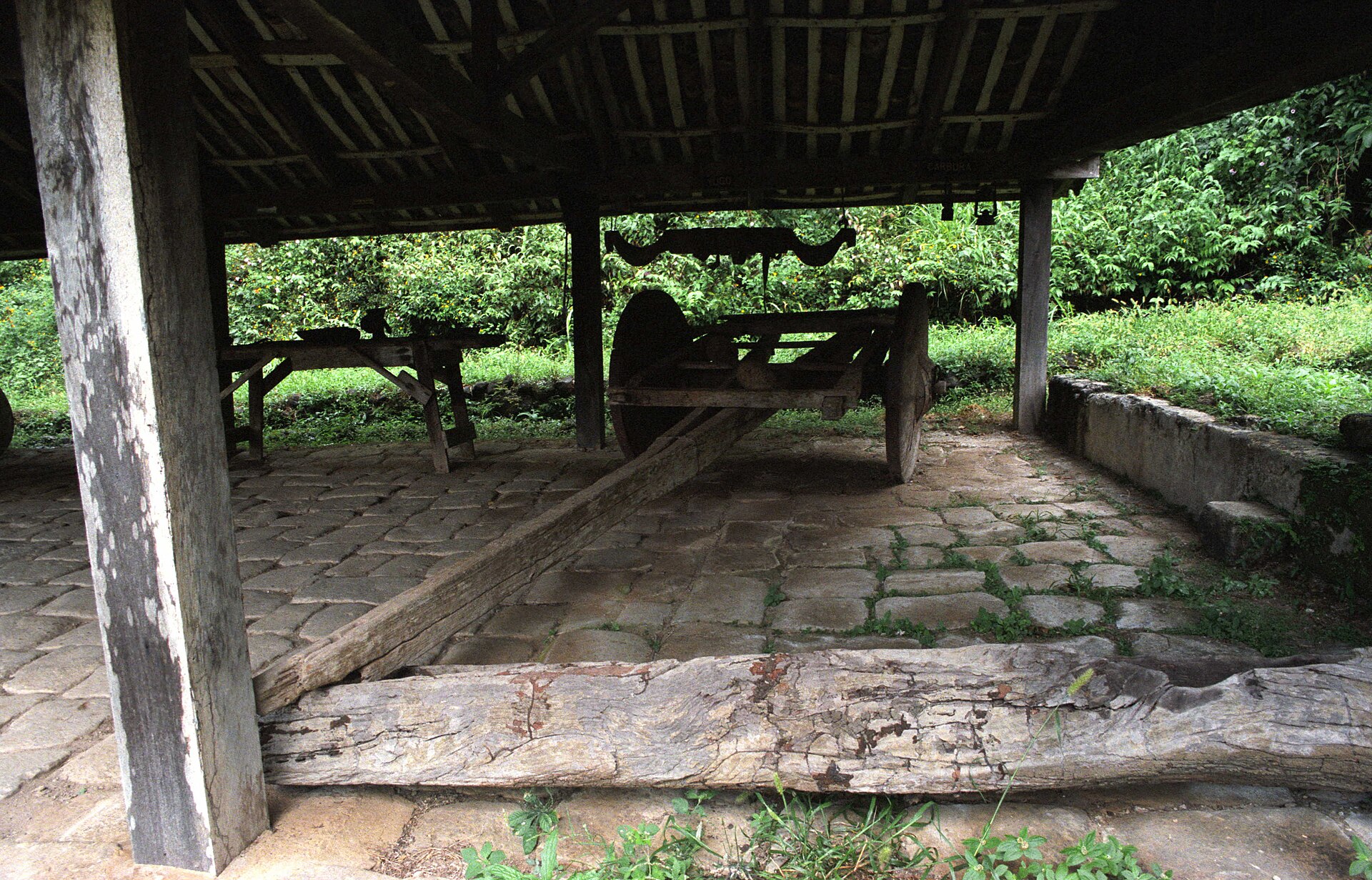
The painted oxcart is the classic national symbol. UNESCO proclaimed Costa Rica’s oxherding and oxcart traditions a masterpiece of intangible heritage in 2005.

Daily Life: Family, Food and the Working Day
Family is the centre of social life. Adult children often live near their parents, and Sunday lunch with grandparents, cousins and in-laws is a fixed ritual for many households.
Breakfast is usually gallo pinto, rice and black beans fried together, with eggs, cheese or sour cream. Lunch is often a casado, a plate of rice, beans, salad, plantain and meat or fish.
Coffee is a daily habit, and an afternoon cafecito with something sweet is common at home and at work. Costa Rica has grown coffee for export since the 19th century.
Football is the national passion, and the national team and the big clubs of San José, Alajuela and Heredia draw fierce loyalty. Weekend matches fill bars and living rooms.
Many addresses still describe a route rather than a street number, such as “200 metres north of the church”. Visitors usually rely on map apps and landmarks.
Time can be flexible in social settings, a habit locals jokingly call “Tico time”. Business meetings, flights and tours, however, generally run on schedule.
The Central Valley: Where Most Ticos Live
The Central Valley is a highland basin around the capital, San José, with a spring-like climate. Four provinces whose capitals sit in or around it held about 73% of residents in 2022:
- San José: 1,601,167 people, home to the government, universities and the main business district.
- Alajuela: 1,035,466, including the main international airport, Juan Santamaría.
- Cartago: 545,092, the colonial capital and site of the Basilica of Our Lady of the Angels.
- Heredia: 479,117, a centre for coffee farms and free-zone factories.
Each 2 August, pilgrims walk to the Cartago basilica for the feast of the Virgin of the Angels, a public holiday. Families and church groups often walk through the night to arrive by dawn.
Valley life feels much like a mid-sized US metro: commuter traffic, malls and office parks. Juan Santamaría airport received 899,243 US arrivals in 2025, according to the tourism board ICT.
The Rio Times comparison of Costa Rica’s regions sets out rents, internet and hospitals for each area.
Guanacaste: Cattle Country and the Pacific Coast
Guanacaste, in the dry north-west, is ranching land with a cowboy culture built around the sabanero, the local horseman. Rodeos, bull-riding festivals and marimba music are part of its identity.
The province had 412,808 residents in 2022 and was the fastest-growing, at 2.12% a year since 2011. Beach tourism and retirees drive that growth.
INEC counted 19.4% of Guanacaste dwellings as vacant in 2022, the highest share in the country. The agency links this to holiday homes.
On 25 July, Costa Ricans mark the 1824 annexation of the Partido de Nicoya, the area that became Guanacaste. In 2011, 3.1% of the province’s people identified as Indigenous, many with Chorotega heritage.
For US travellers, Guanacaste is often the first stop. Daniel Oduber Quirós International Airport in Liberia, its capital, received 695,273 US arrivals in 2025, ICT data show.
Limón: The Afro-Caribbean Coast
Limón, on the Caribbean, is the most distinct region culturally. Many families descend from Jamaican and other West Indian workers who arrived from the 1870s to build the railway.
The province had 470,383 residents in 2022. In 2011, 4.7% identified as Black and 8.6% as mulatto, far above the national figures, and 7.1% as Indigenous.
Many older Limonenses speak Limonese Creole, an English-based language, alongside Spanish. Protestant churches, calypso music and rice and beans cooked in coconut milk reflect Caribbean roots.
The southern Caribbean mountains are home to the Bribri and Cabécar, among the largest of Costa Rica’s eight Indigenous peoples. Many live in legally recognised Indigenous territories.
The biggest annual party is the Limón Carnival in October, around the Day of Cultures on 12 October. The Rio Times guide to the Limón Carnival covers the 2026 programme.
What It Means for US Readers
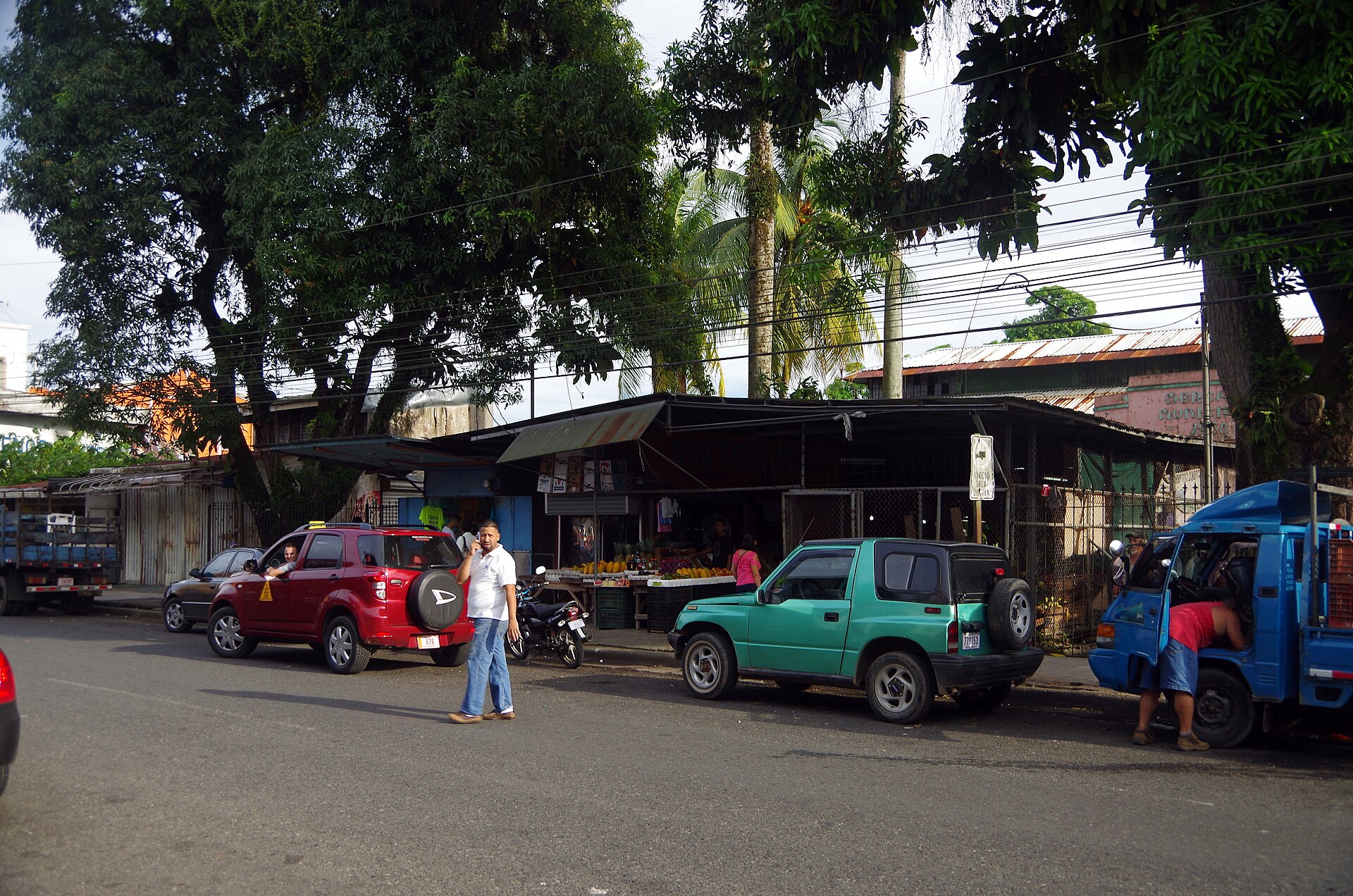
US residents made 1,627,807 of Costa Rica’s 2,943,991 international arrivals in 2025, or 55%, according to the ICT yearbook. Locals are used to Americans, and goodwill is high.
The US State Department says a visa is not required for stays under 180 days. It warns that the full 180 days “is not guaranteed” and requires proof of onward travel.
Its advisory, dated Thursday, 2 April 2026, is Level 2, exercise increased caution, because of crime. It advises against driving outside cities at night and notes traffic fines can exceed US$500.
The currency is the colón. Conversions here use 455.5 colones per US dollar, the open.er-api.com rate of 9 October 2026, and US dollars are widely accepted.
Restaurant bills usually add 13% value-added tax and a 10% service charge for table service. A CRC 10,000 meal (about US$22) therefore costs about CRC 12,300 (about US$27).
In February 2026, the economy ministry, MEIC, said menus must show final prices including taxes and charges, Delfino reported. Ask if a menu seems to list only the base price.
A few habits help. Greet people before asking for anything, use the formal usted with older people, and answer thanks with “con mucho gusto”, with pleasure.
Dress modestly away from the beach, ask before photographing people, especially in Indigenous communities, and avoid loud complaints in public. The Rio Times safety guide and the Costa Rica news hub track current conditions.
For the wider picture of politics and the economy, see Costa Rica Explained. New nonstop routes from US cities are listed in the Rio Times flights roundup.
What Is Not Known
The 2022 estimate has no official data on ethnicity, birthplace, religion or language. Any current breakdown of Costa Rica people by background therefore rests on the 2011 census, now 15 years old.
How much the foreign-born share has changed since 2011 is not officially known. When INEC will run its next full census could not be confirmed for this article.
There is no official religious census in Costa Rica. Shares of Catholics, evangelicals and non-believers come from university surveys, which vary by method and year.
Frequently Asked Questions
What are people from Costa Rica called?
Costa Ricans call themselves Ticos, or Ticas for women, and outsiders use the same words. The nickname is friendly, not a slur, and Costa Ricans use it with pride.
What is the population of Costa Rica?
The statistics office INEC estimated 5,044,197 people for 2022 after a census that reached only 60.7% of homes. The World Bank puts the 2025 population at about 5.15 million.
What race are most Costa Rica people?
In the 2011 census, 83.7% identified as white or mestizo, 6.7% as mulatto, 1.1% as Black and 2.4% as Indigenous. No newer official breakdown has been published.
Do people in Costa Rica speak English?
Spanish is the official language and the language of daily life. English is common in tourism, and many Afro-Caribbean families in Limón speak an English-based Creole at home.
Is Costa Rica safe for US visitors?
The US State Department rates Costa Rica Level 2, exercise increased caution, because of crime. Petty theft is the main risk for visitors, though violent crime also occurs.
Do you tip in Costa Rica?
Restaurants usually add a 10% service charge for table service, so extra tips are optional. Guides, drivers and hotel staff are commonly tipped a few dollars.
Sources: INEC, Contexto y cobertura Censo 2022; INEC, X Censo Nacional de Población 2011, Indicadores Provinciales; UN Statistics Division, Costa Rica 2022 census metadata; ICT, Anuario de Turismo 2025; US State Department, Costa Rica country information; World Bank, Costa Rica data; UNESCO, Oxherding and oxcart traditions in Costa Rica; Delfino, INEC 2022 estimate; Delfino, INEC projections; Delfino, MEIC menu prices; open.er-api.com (all accessed 9 October 2026).
This article was produced by The Rio Times’ automated newsroom system. How we use AI · Report an error · Editorial responsibility: Matthias Camenzind, Editor-in-Chief