Cost of Living La Paz Bolivia 2026 — Budgets, Rent by Zone and Dollar Access
GUIDES · BOLIVIA
Key Facts
- —What it is A standing budget guide for foreigners living in La Paz, Bolivia’s high-altitude seat of government.
- —Who it’s for Expats, remote workers and retirees weighing a low-cost city against altitude and cold homes.
- —What it costs Roughly US$700–1,000 a month for a modest single life, more in Zona Sur.
- —Why it matters Bolivia’s fixed exchange rate ended in June 2026, so dollar prices now move week to week.
- —The catch Altitude above 3,000 metres and unheated housing test the body before they test the budget.
The cost of living la paz bolivia offers foreigners in 2026 is still low, but zone, altitude and a newly floating currency decide the real number.
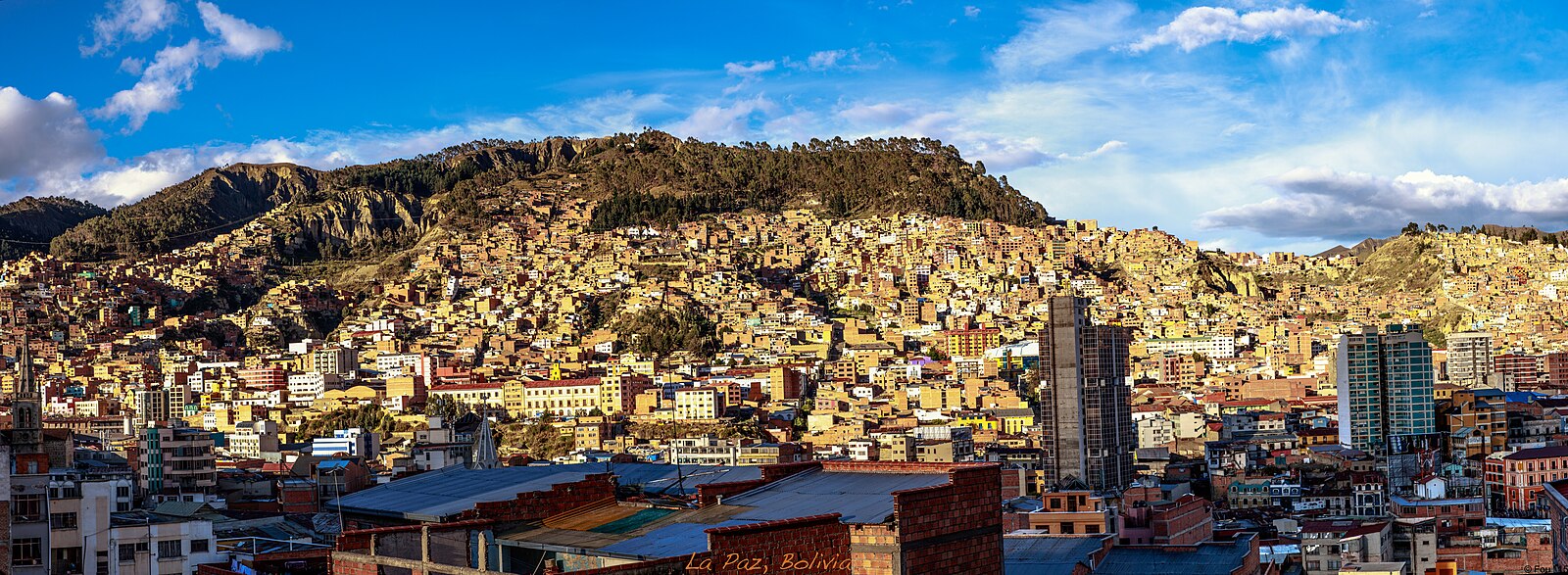
The cost of living la paz bolivia offers foreigners remains among the lowest of any South American capital in 2026. Your real budget depends on your zone, your tolerance for altitude and how you convert money now that the boliviano floats.
How the floating boliviano changes your budget
For almost fifteen years Bolivia held its currency at 6.96 bolivianos to the dollar. That peg ended with resolutions of the Finance Ministry and the Central Bank of Bolivia on 26 June 2026.
The flexible regime took effect on 29 June 2026. The central bank now sets a daily official rate from the weighted average of dollar trades by authorised institutions.
The official rate stood at 11.00 bolivianos to the dollar on 19 September 2026. All US$ figures in this guide use that rate, at 19 September 2026 exchange rates.
The rate has been volatile, moving between just under 10 and above 12 bolivianos to the dollar within September alone. Local street quotes on 19 September sat near 12.1, roughly ten percent above the official figure.
For a foreigner earning in dollars, a weaker boliviano stretches income further. The catch is that local prices, rents and imported goods adjust too, often with a lag.
Realistic monthly budgets for singles and couples
Crowd-sourced data from Numbeo in August 2026 put a single person’s monthly costs excluding rent at about 3,580 bolivianos (about US$325). That covers food, transport and basic services at local prices.
Add rent and a modest single life comes to roughly US$700–1,000 a month in a central or mixed neighbourhood. A comfortable single life in Zona Sur, with imported goods and private health cover, runs about US$1,000–1,500.
A couple living modestly can plan on roughly US$1,000–1,500 a month. A couple in comfortable Zona Sur housing should plan on about US$1,500–2,200.
These are planning estimates built from user-reported data and expat guides, not official statistics. The honest summary is that the cost of living la paz bolivia offers rewards local habits and punishes an imported lifestyle.
Rent by zone: Zona Sur, Sopocachi, Centro and El Alto
Numbeo’s August 2026 data put a one-bedroom flat in the centre near 3,010 bolivianos (about US$274) a month. Outside the centre, the figure was about 2,000 bolivianos (about US$182).
Zona Sur — Calacoto, San Miguel and neighbouring districts — is the classic expat and professional tier. It sits lower in the valley, gets more sun and has the widest market of furnished flats.
A good one-bedroom in Zona Sur often lists around US$300–500 a month, with furnished premium units above that. Family flats and houses there commonly run about US$600–1,000 or more.
Sopocachi is the bohemian central district of cafés and older buildings. It is often cheaper than Zona Sur for similar space, but building quality varies street by street.
The Centro is the budget tier, close to markets and transport but noisy and crowded. El Alto, on the plateau above, is far cheaper and is best understood as context rather than a typical expat base.
Why La Paz draws a niche of foreigners
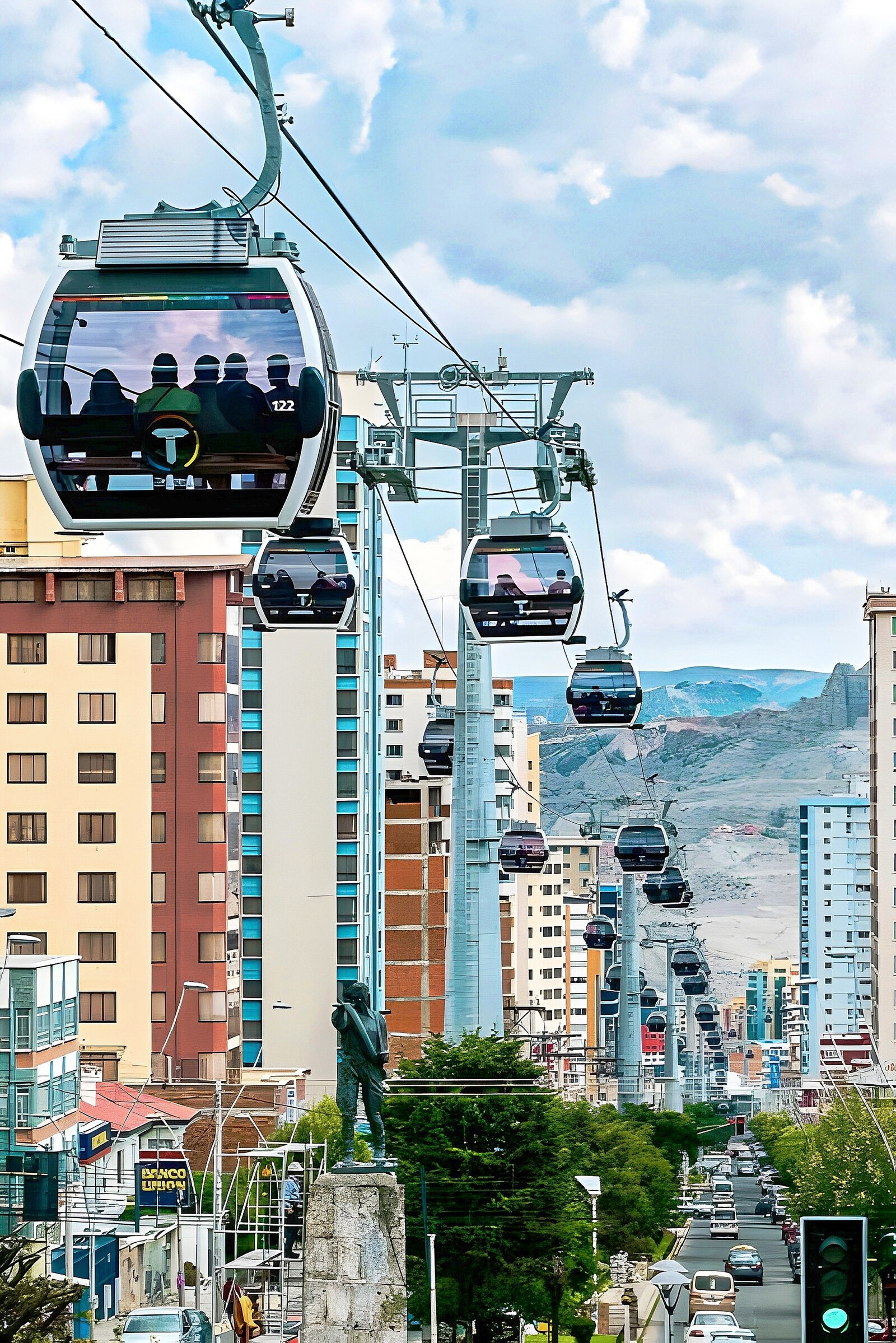
La Paz is often described as the world’s highest seat of government, spread across a steep canyon below the Altiplano. The snow-capped Illimani mountain dominates the skyline on clear days.
The state-run Mi Teleférico cable-car network has ten lines linking La Paz and El Alto, according to Bolivia’s public works ministry. It is a daily commuter system, not a tourist ride.
The city is also the political and diplomatic centre of Bolivia, home to ministries, embassies and international agencies. That creates a small but steady community of foreign professionals.
Foreigners who settle here tend to value culture, landscape and low costs over comfort. The cost of living la paz bolivia offers is the enabler, not usually the whole reason.
The altitude reality above 3,000 metres
The city centre sits at roughly 3,600 metres, with Zona Sur several hundred metres lower and El Alto above 4,000 metres. The US State Department lists La Paz among Bolivian cities at 10,000–13,000 feet.
Most healthy adults feel headaches, breathlessness or poor sleep in the first days, and many need one to two weeks to adjust. Rest, water and little alcohol help.
People with heart or lung disease, severe anaemia or a history of altitude illness should see a doctor before any move. The State Department also advises pregnant travellers to seek medical advice first.
Tolerance varies sharply from person to person and cannot be predicted by fitness alone. A trial stay of several weeks before a lease is the cheapest insurance.
Food: markets versus the Zona Sur restaurant strip
Market culture shapes daily spending in La Paz, with Rodríguez and Lanza among the best-known food markets. Buying fresh produce there keeps grocery bills low.
Numbeo’s August 2026 data put a meal at an inexpensive restaurant near 25 bolivianos (about US$2.30). Set-menu lunches, known locally as almuerzos, are the everyday bargain.
The Zona Sur restaurant strip in Calacoto and San Miguel is the premium end, with international menus and imported wine. Prices there move closer to those of other Latin American capitals.
Imported groceries are where the new exchange regime bites hardest. Local staples are the stable part of any cost of living la paz bolivia estimate.
Transport, utilities and the cold-altitude home
A Mi Teleférico ride costs 3 bolivianos (about US$0.27), plus 2 bolivianos (about US$0.18) per transfer. Minibuses and shared trufis fill the gaps on informal fixed routes.
Fuel-subsidy cuts since December 2025 have raised pressure on ground-transport fares, and drivers have staged strikes over them. Expect minibus and taxi prices to keep shifting.
La Paz homes are usually built without central heating, and nights are cold all year. Sun exposure, insulation and a portable heater matter more than the thermostat you will not have.
Electricity, water and internet bills are generally modest in cash terms. The hidden cost is comfort, so check a flat’s sun and windows before signing.
Cheap transport is one of the steadiest parts of the cost of living la paz bolivia offers. Many residents live well without owning a car.
Private healthcare, domestic staff and safety by zone
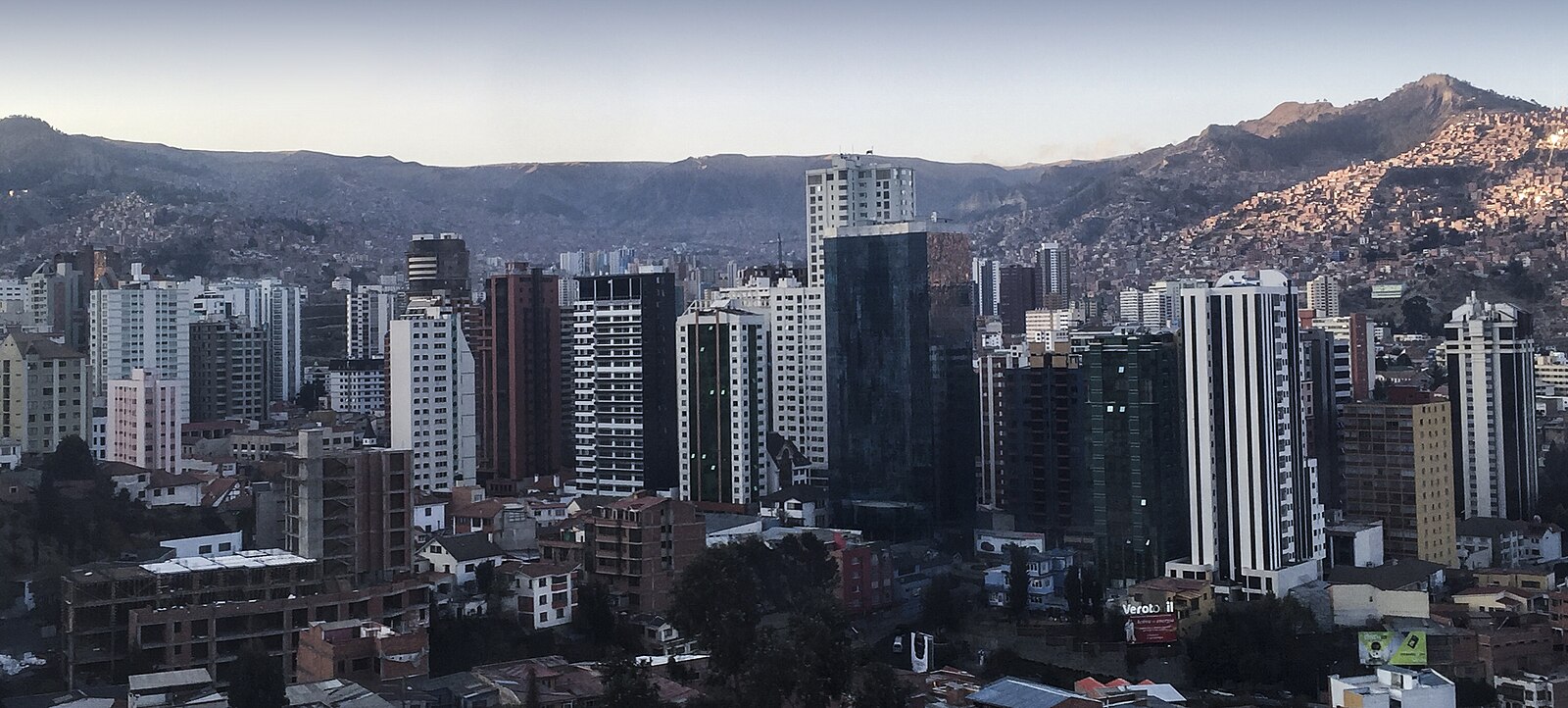
The private-clinic tier is concentrated in Zona Sur and parts of central La Paz, one reason many foreigners live there. Budget separately for international or local private health insurance, since premiums vary widely by age.
Doctors in La Paz have long experience with altitude illness, and acclimatisation advice is routine in private practice. Arrive with records and any prescriptions already sorted.
Safety, clinics and housing quality tend to cluster together, which is why Zona Sur carries a rent premium. That premium is the largest single choice in the cost of living la paz bolivia equation.
Part-time domestic help is common in middle- and upper-income households, usually arranged informally. Rates depend on hours and duties, and no official citywide schedule is published.
The US State Department rates Bolivia at Level 2, exercise increased caution, in an August 2026 advisory. It notes common petty crime, fake police scams and extra vigilance in El Alto.
How the cost of living la paz bolivia compares with Santa Cruz and Quito
Numbeo’s comparison shows Santa Cruz about 25 percent more expensive than La Paz including rent, with rents roughly 50 percent higher. Santa Cruz offers low altitude, heat and a business-driven economy.
Quito, also a high-altitude capital, comes out far more expensive than La Paz on the same user-reported data. Ecuador’s use of the US dollar removes currency risk but also the cheap-exchange effect.
For a retiree or remote worker, the choice is less about price than about body and climate. Santa Cruz suits those who cannot handle altitude, while Quito suits those who want dollar stability.
Treat these comparisons as direction rather than precise gaps, because the boliviano’s float distorts dollar-based indices. The cost of living la paz bolivia offers still sits at the lower end of the three.
What this means for your life in La Paz
Decide your zone first, then set your rent ceiling, and test the altitude with a trial stay of several weeks. Those three choices shape the budget more than any single price.
Plan how you will move money each month and compare the official and street rates when you convert. Keep some bolivianos in cash for markets, minibuses and trufis.
What is not known is where the boliviano settles and how far local prices will follow. The direction of travel so far is a weaker currency and gradual price catch-up.
The cost of living la paz bolivia offers remains a real advantage for foreigners with dollar income. Treat every figure here as a starting estimate and check prices on the day you pay.
Connected Coverage
Cost of Living in Bolivia 2026: A Floated Boliviano and a Dollar Shortage
Cost of Living in Santa Cruz, Bolivia: US$600 to US$1,300 a Month
Investing in Bolivia as a Foreigner 2026 — Property, Farms and a Floating Currency
Sources: Exchange-rate facts come from the Central Bank of Bolivia and Bolivian press, with transport, safety and price data from Bolivia’s public works ministry, the US State Department and Numbeo.
- bcb.gob.bo
- bcb.gob.bo
- eldeber.com.bo
- oopp.gob.bo
- travel.state.gov
- reduno.com.bo
- numbeo.com
- numbeo.com
What Is Not Known
Where the boliviano settles is not known. The rate moved between just under 10 and above 12 bolivianos to the dollar within September alone. How far local prices will follow the weaker currency is still not established.
The gap between the official rate and the street rate is not explained by any single source. On 19 September the official figure was 11.00 while street quotes sat near 12.1. Nothing here can say whether that ten percent gap will widen or close.
The budget totals in this guide are not official statistics. They are built from crowd-sourced Numbeo data for August 2026 and from expat guides, so they carry the errors of user reporting. No Bolivian authority publishes an expat budget for La Paz.
Pay for part-time domestic help is not recorded in public. Rates depend on hours and duties, and the work is usually arranged informally. No official citywide schedule is published, so a quoted rate cannot be checked against a central source.
How one person will react to the altitude cannot be predicted. Tolerance varies sharply and is not explained by fitness alone. That is why a trial stay of several weeks before signing a lease remains the only honest test.
Frequently Asked Questions
How much does it cost to live in La Paz Bolivia each month?
A modest single life in a central or mixed neighbourhood comes to roughly US$700 to US$1,000 a month. Numbeo data from August 2026 put a single person’s costs excluding rent near 3,580 bolivianos, about US$325. A comfortable single life in Zona Sur runs about US$1,000 to US$1,500, and a modest couple about US$1,000 to US$1,500.
How much is rent in Zona Sur La Paz?
A good one-bedroom in Zona Sur often lists around US$300 to US$500 a month. Family flats and houses there commonly run about US$600 to US$1,000 or more. Numbeo put a one-bedroom in the centre near 3,010 bolivianos, about US$274, in August 2026.
What is the boliviano exchange rate now that the peg has ended?
The official rate stood at 11.00 bolivianos to the dollar on 19 September 2026. The old peg of 6.96 bolivianos ended on 26 June 2026, and the flexible regime took effect on 29 June 2026. Street quotes on 19 September sat near 12.1, roughly ten percent above the official figure.
Is the altitude in La Paz a problem for new arrivals?
The city centre sits at roughly 3,600 metres, and El Alto rises above 4,000 metres. Most healthy adults feel headaches, breathlessness or poor sleep in the first days, and many need one to two weeks to adjust. People with heart or lung disease, severe anaemia or a history of altitude illness should see a doctor first.
How much does the La Paz cable car cost?
A Mi Teleférico ride costs 3 bolivianos, about US$0.27, plus 2 bolivianos, about US$0.18, for each transfer. The state-run network has ten lines linking La Paz and El Alto, and it works as a daily commuter system. Minibuses and shared trufis fill the gaps, and fuel-subsidy cuts since December 2025 keep fares under pressure.
This article was produced by The Rio Times’ automated newsroom system. How we use AI · Report an error
In depth
Read More from The Rio Times