Cost of Living in Bolivia 2026: A Floated Boliviano and a Dollar Shortage
Rio Times · Guides
Key Facts
—Currency Bolivia abandoned its long-standing 6.96 BOB per US$ peg in late June 2026 and let the boliviano (BOB) float; the market rate has since weakened to roughly 11–12 BOB per US$, and a wide gap between official and parallel (USDT) quotes persists amid a severe dollar shortage.
—Headline inflation Inflation has surged into double digits, running near 15% year‑on‑year by mid‑2026—the highest in roughly four decades—driven by fuel and dollar shortages and the currency’s devaluation, after sitting below 3% as recently as 2023.
—Typical expat rent A one‑bed furnished apartment in a good La Paz or Santa Cruz neighbourhood ranges from roughly US$350 to US$600 per month; a three‑bed family home often costs US$700–US$1,200.
—Local purchasing power Average urban gross monthly salaries are worth around US$350–US$500 equivalent at the new floating rate, having fallen in dollar terms as the boliviano weakened; the formal minimum wage set by decree is much lower.
—Daily essentials Basic monthly groceries for one adult using local markets can be US$120–US$200; a set lunch menu costs US$2–US$3 and a mid‑range dinner for two around US$25–US$40.
—Key risk factors A newly floated currency, chronic shortages of dollars and imported fuel, widespread informality in rental contracts, and bureaucratic hurdles for residency and business registration.
Bolivia remains one of the cheapest countries in Latin America for a foreigner holding US dollars in mid‑2026—especially after the boliviano was floated in late June and lost roughly a third of its value—though double-digit inflation and shortages of fuel and hard currency now cloud the picture, keeping headline dollar costs well below those of neighbouring Chile, Brazil or major African hubs like Johannesburg.
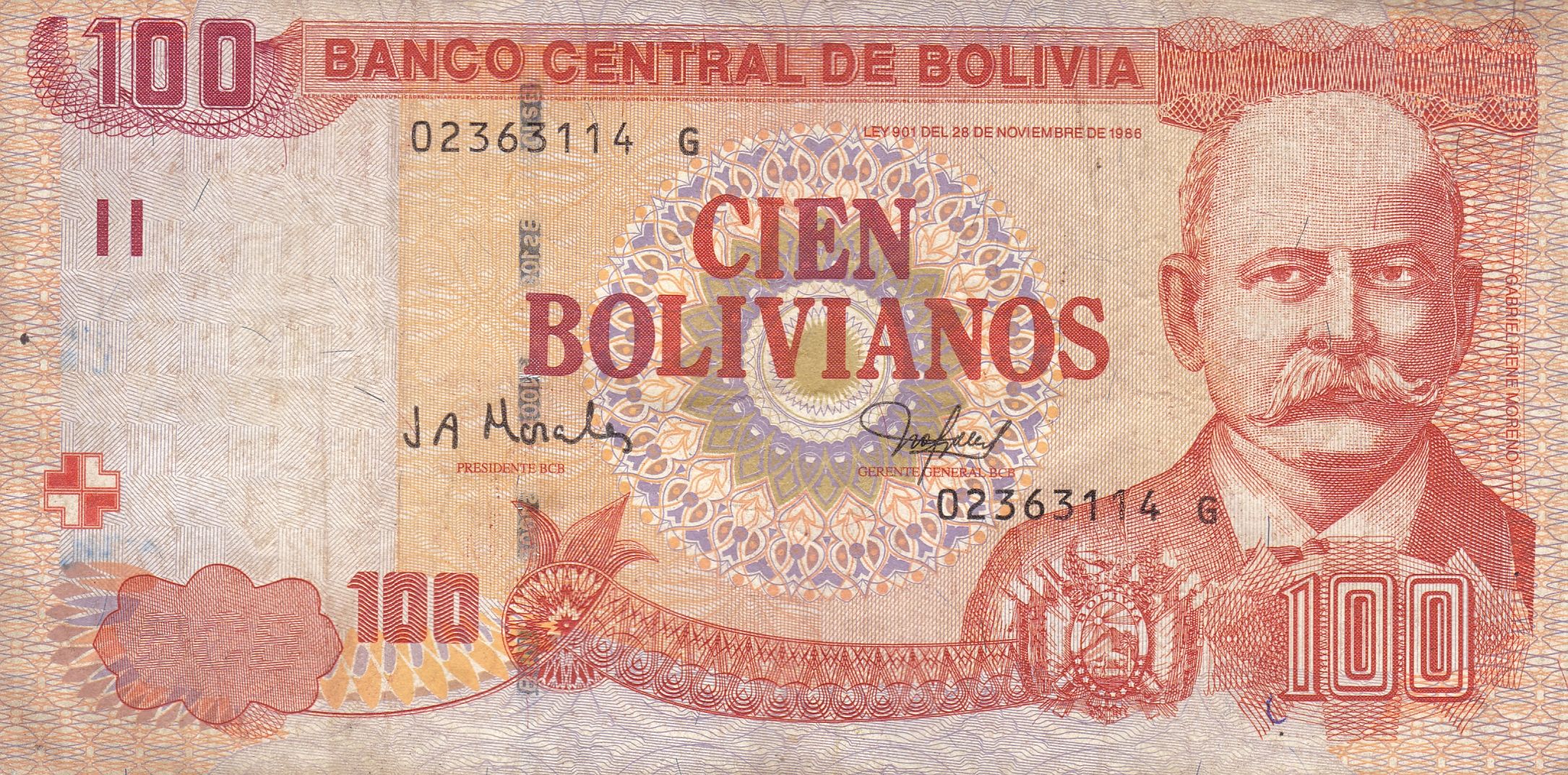
Cost of living in Bolivia
A practical monthly budget for a foreigner renting a furnished one‑bedroom apartment, eating a mix of local and imported food, and using private transport and healthcare typically lands in the low to mid four figures in US dollars. This covers a comfortable though not extravagant lifestyle in La Paz or Santa Cruz, the country’s two main poles.
What changed in 2026
The defining change of 2026 is monetary. In late June the government abandoned the 6.96 boliviano‑per‑dollar peg it had defended since 2011 and let the currency float; the market rate promptly weakened to roughly 11–12 per US dollar, and a large gap between official and parallel (USDT) quotes persists amid an acute dollar shortage. Inflation, which sat below 3% as recently as 2023, has since climbed into the mid‑teens year‑on‑year—the highest in about four decades—as fuel and dollar shortages, road blockades and the devaluation feed through to food and transport prices. For a visitor with dollars this means more bolivianos per dollar and still‑cheap local prices; for residents it means eroding purchasing power and patchy supplies.
Housing costs: rent and purchase
La Paz rents for a furnished one‑bedroom apartment in a safe middle‑class zone generally fall between US$350 and US$600 per month. In Santa Cruz de la Sierra, the business and agribusiness hub, similar units in districts like Equipetrol or Sirari tend to run slightly higher, often US$400–US$700.
Utilities, internet and communications
For an 85 m² apartment, combined bills for electricity, water, garbage and gas typically range from US$50 to US$90 per month. Gas still arrives in cylinders in some buildings, a reminder that infrastructure modernisation moves at different speeds even on the same street.
Food, groceries and everyday expenses
Bolivian diets built on rice, potatoes, quinoa, chicken and seasonal fruit keep grocery bills low. A single adult buying mainly from markets and neighbourhood stores can cover basic food for US$120–US$200 per month, though imported cheeses, wines and health products carry a steep premium, sharpened by the dollar shortage.
Transport, commuting and travel
Urban transport relies on microbuses, minibuses, trufis and taxis. Typical fares within cities run about US$0.25–US$0.40 per ride, while a taxi trip across central zones costs US$2–US$5, usually negotiated rather than metered. Recurrent fuel shortages, however, can lengthen waits and push informal fares higher.
Healthcare, schooling and other structured costs
Public healthcare is available but uneven; middle‑class families typically use private clinics where a consultation costs US$20–US$40. Basic medicines are relatively cheap, but imported pharmaceuticals can be expensive due to regulatory and import dynamics.
Regional comparisons: Bolivia vs Latin America and Africa
Bolivia sits among the cheapest countries in Latin America alongside Paraguay and parts of Peru. Basic food, rent and local transport undercut Brazil, Chile and Uruguay by a wide margin, though institutional quality and formal job opportunities lag behind.
Practical steps for foreigners, expats and investors
Build your budget in bolivianos, not only in US dollars, and track both the Central Bank’s official rate and the parallel (street/USDT) rate, which can differ sharply, to anchor your sense of local prices. Use a mix of formal data and on‑the‑ground checks — visiting neighbourhoods and talking to local agents — before signing any rental or service contract, and plan around the practical difficulty of sourcing physical dollars.
Common mistakes
Assuming low prices mean low total cost is the most frequent trap. Imported goods, international school fees, private healthcare and domestic flights can quickly push budgets towards levels familiar in richer countries, especially if you maintain a lifestyle from home. A second trap is assuming the old fixed exchange rate still holds — it does not, and the rate now moves.
More: Bolivia news in English, every day from The Rio Times.
Frequently Asked Questions
Is Bolivia cheap to live in compared with other Latin American countries?
Yes, Bolivia is generally cheaper than major Latin American economies for housing, food and transport, thanks to lower income levels, subsidies and a currency that lost value after it was floated in 2026, though imported goods and private education can be costly.
How much does an expat need per month to live comfortably in Bolivia?
An expat renting a modest furnished apartment, eating out regularly but not luxuriously, and using private healthcare might target a budget in the low to mid four figures in US dollars per month, depending on city and lifestyle; local incomes are much lower.
Is rent in La Paz or Santa Cruz higher?
On average, rents in Santa Cruz’s main business and expat districts tend to be slightly higher than comparable areas in La Paz, reflecting Santa Cruz’s role as a commercial hub and its growing high‑income population.
Does Bolivia have high inflation?
Yes—after years of very low inflation, Bolivia’s consumer prices climbed from below 3% in 2023 to double digits by 2026, running near 15% year‑on‑year, the highest in about four decades, with food and transport leading the rise.
How stable is Bolivia’s currency for foreign investors?
The boliviano was held at a fixed 6.96‑per‑dollar rate from 2011 until it was floated in late June 2026; it has since depreciated sharply to roughly 11–12 per dollar, and investors must watch reserves, the dollar shortage and the gap between official and parallel rates.
Are utilities and internet reliable in Bolivia?
Utilities and internet are generally reliable in major cities, with moderate prices, but outages and service quality issues occur, especially outside core urban areas and in older infrastructure zones.
Is public transport safe and usable for foreigners?
Public transport is widely used and inexpensive, but can be crowded and confusing; many foreigners rely on taxis, ride‑hailing apps and, in La Paz, the cable car system, balancing cost with comfort and safety.
How does the cost of living in Bolivia compare with African cities?
Bolivia’s everyday costs for food and rent are often lower than in major African hubs like Johannesburg or Nairobi, while access to certain goods and services is more limited; schooling and private healthcare can be similarly expensive relative to local incomes.
Sources: Tipo de cambio oficial del boliviano frente al dólar estadounidense – Banco Central de Bolivia, Indicadores de precios e inflación al consumidor – Banco Central de Bolivia / INE, Decreto Supremo sobre salario mínimo nacional – Gaceta Oficial de Bolivia, Información oficial sobre precios de combustibles y subsidios – Ministerio de Hidrocarburos y Energías, Políticas tarifarias de electricidad y gas domiciliario – AETN, Sistema de transporte por cable Mi Teleférico – Empresa Estatal, Informe de Política Monetaria y estabilidad del tipo de cambio – Banco Central de Bolivia, Costos de vivienda y alquileres en La Paz – Numbeo, Costos de vivienda y alquileres en Santa Cruz de la Sierra – Numbeo, Precios promedio de alimentos y cesta básica urbana en Bolivia – Numbeo, Costos mensuales de servicios básicos en ciudades bolivianas – Numbeo, Estimaciones de salarios promedio urbanos en Bolivia – Salary Explorer
Related: Bolivia Residency for Expats: Permits, Costs, Steps
This article was produced by The Rio Times’ automated newsroom system. How we use AI · Report an error
In depth
Read More from The Rio Times