BOLIVIA · CLIMATE
Key Facts
- The country Bolivia, a landlocked Andean country with large lithium resources and natural gas fields.
- Power Index Bolivia ranks 12th of 14 in The Rio Times Latin America Power Index, with 28.4 points (October 2026 edition).
- What happened On Saturday 31 October 2026 President Rodrigo Paz signed Decree 5759, a national drought and El Niño emergency.
- Who is hit The civil defense vice ministry counts at least 78,217 families hit by drought across the country.
- The money The decree gives no funding amount; the defense minister says financing mechanisms are still being prepared.
- Prediction markets Polymarket bettors give 73.5% odds El Niño peaks above 2.5 on its index (1 Nov, 4:30 a.m. ET).
Bolivia has declared a national El Niño emergency, with President Rodrigo Paz signing Decree 5759 on Saturday 31 October 2026. The decree covers a drought that already hurts tens of thousands of families and the risk of floods ahead.
For US readers, the El Niño emergency matters because Bolivia holds some of the world’s largest lithium resources and has natural gas fields. The decree mentions neither industry, and no official says output is affected, as our Lithium in Latin America guide explains.
In Plain English
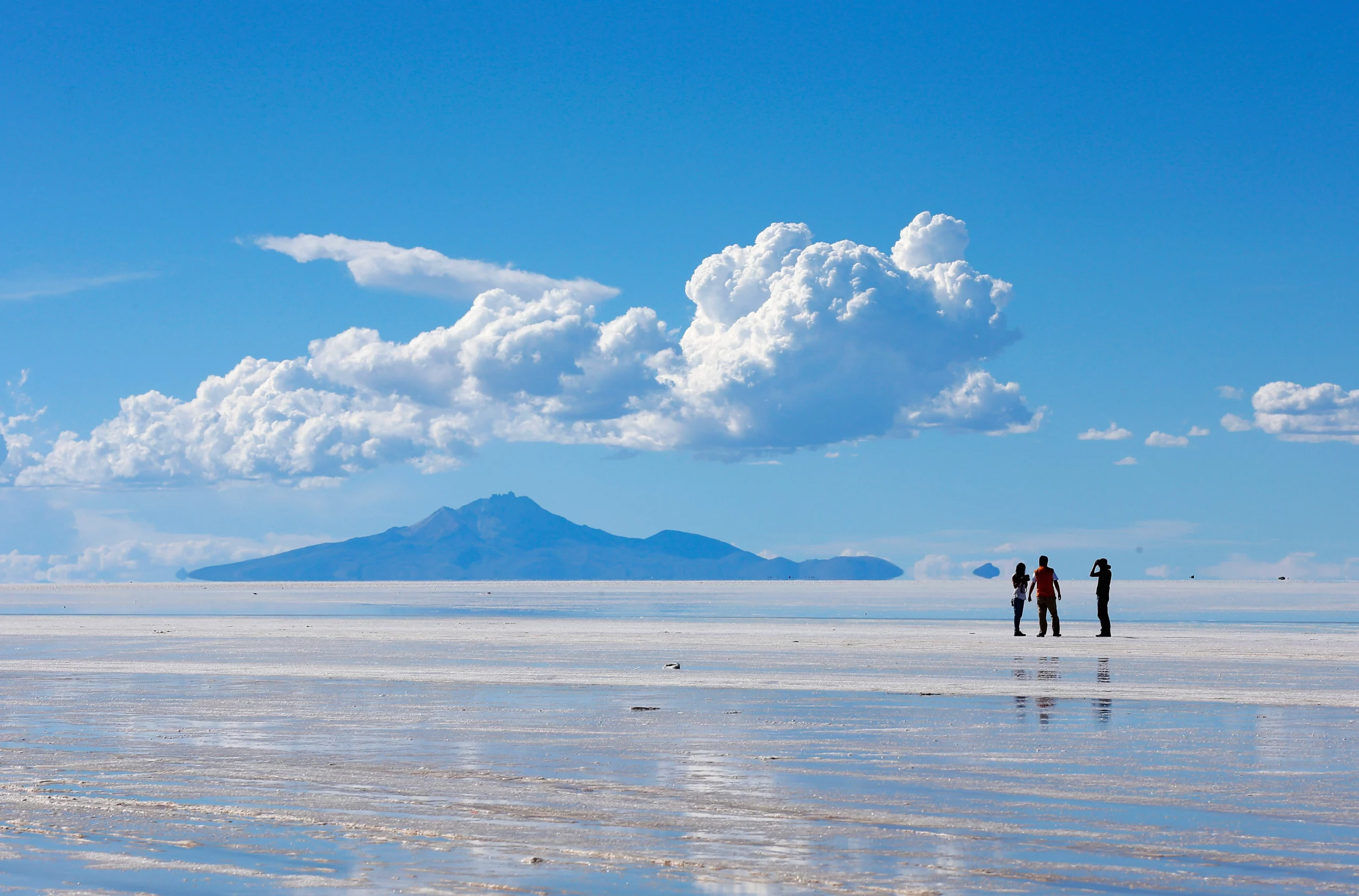
El Niño is a warming of the surface waters of the tropical Pacific Ocean that changes weather around the world. In Bolivia it can bring severe drought to the high plateau and valleys first, followed by heavy rain and floods.
A national emergency is a legal status that, in the government’s words, frees money and staff for drought and early El Niño effects. The decree itself names no amount of cash.
What the El Niño Emergency Decree Says
Decree 5759 declares a “national emergency situation” because of drought and the risks tied to El Niño in 2026 and 2027. The threats it lists are frost, hail, forest fires, floods, flash floods and overflowing rivers.
The drought regions it names are the Altiplano (the high plateau), the valleys and the Chaco (a hot lowland plain in the south-east). The decree tells the Ministry of Defense to coordinate with regional governments and town halls, and each minister must carry it out.
Paz announced the step in a recorded message on the state broadcaster, saying El Niño “will have very hard blows” of drought and floods. He promised the government’s greatest effort to limit the damage, and our explainer on Bolivia’s legislative crisis covers the politics around him.
Who the El Niño Emergency Protects
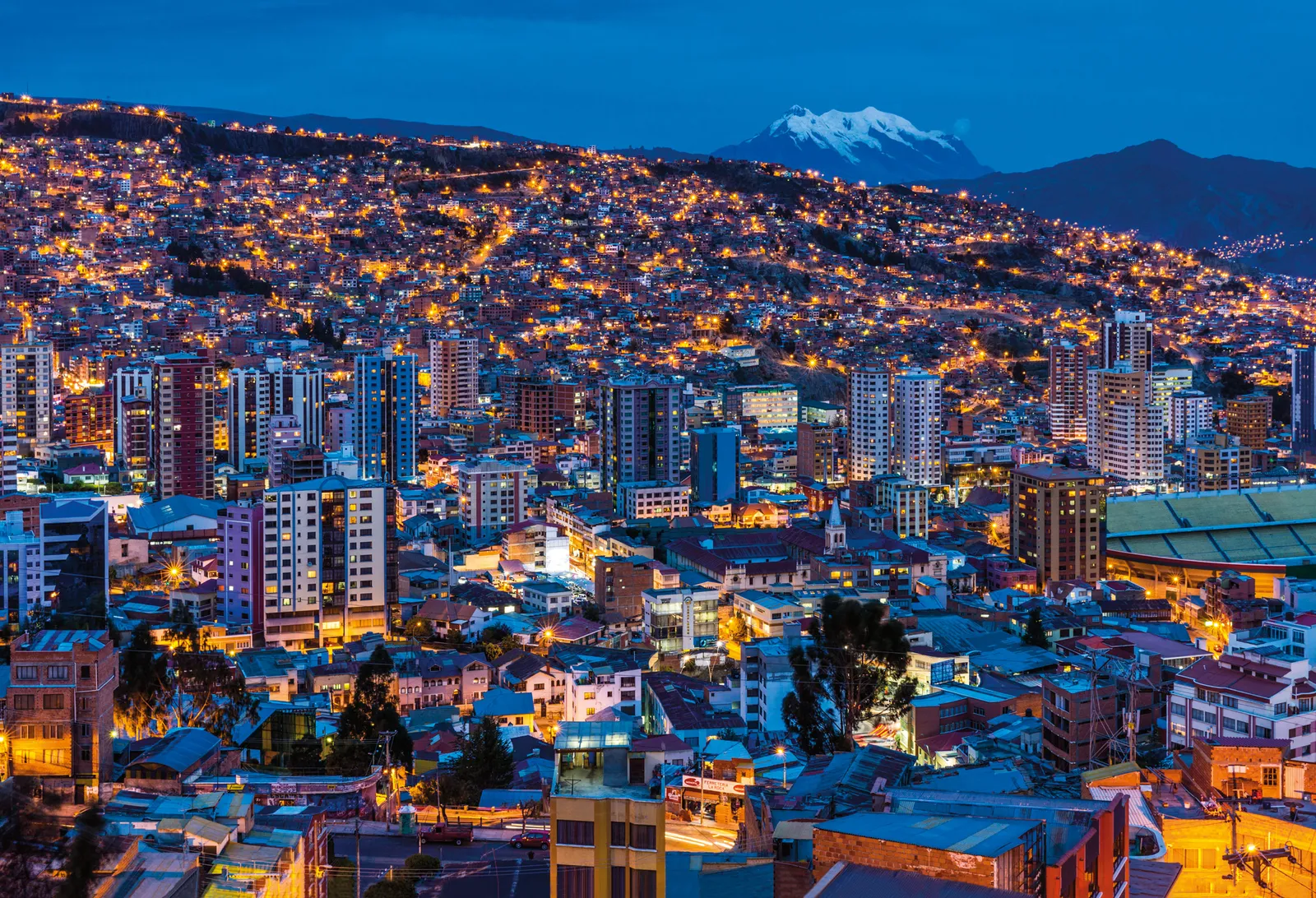
The Vice Ministry of Civil Defense, the disaster-response office, counts at least 78,217 families hit by drought, including in La Paz, Oruro, Potosí and Cochabamba. Defense Minister Ernesto Justiniano calls the El Niño emergency an early step taken before the worst impacts arrive.
Paz said 63 communities have already declared themselves in drought, while other areas prepare for floods. The rainy season normally runs from November to March, so the same regions could swing from too little water to too much.
How Strong Is This El Niño?
The US National Oceanic and Atmospheric Administration (NOAA), the American weather and climate agency, issued an El Niño Advisory on 8 October 2026. It says a strong to very strong El Niño is likely through January to March 2027, with odds above 83%.
Bolivia’s El Niño emergency answers that forecast as much as the drought already under way. Declaring it before the rains arrive lets agencies prepare instead of reacting after the damage.
What Prediction Markets Say
Polymarket, a US prediction market, gives 73.5% odds that El Niño peaks above 2.5 on the RONI warming index (1 November, 4:30 a.m. ET). About US$154,300 has been traded on the question.
Why we show this: prediction markets turn real-money bets into a live probability that moves within minutes of the news, which is why investors, campaigns and newsrooms in the United States now follow them closely. We show them next to polls and official results, never instead of them.
These are bets, not polls. They measure how strong traders expect the weather event to be, not what Bolivia’s government will do.
What It Means for US Readers
Bolivia holds about 23 million tonnes of lithium resources, according to the US Geological Survey, the American government’s science agency. Lithium is a key metal in electric-car batteries, but that figure counts resources in the ground, not output.
The El Niño emergency decree does not mention natural gas or lithium, and it announces no change to exports or mining. Investors should watch for floods that cut transport links, and our guide to foreign powers and investors in Bolivia shows who is active there.
What Is Not Known
No funding amount has been announced for the El Niño emergency, and the defense minister says the financing procedures are still pending. The decree does not say how long the emergency lasts.
It is not known whether international lenders or donors will fund the response, or how much. Officials have given no estimate of crop losses, and they have not said whether gas, mining or transport will be affected.
More: Bolivia news in English, every day from The Rio Times.
Frequently Asked Questions
What did Bolivia declare on 31 October 2026?
President Rodrigo Paz signed Decree 5759, declaring a national El Niño emergency over drought and flood risks. The step frees money and staff for affected areas.
How many people are affected?
The Vice Ministry of Civil Defense counts at least 78,217 families affected by drought. Paz said 63 communities have declared drought.
Does the decree release money?
No amount has been announced. The defense minister says financing mechanisms are being prepared but the procedures are not complete.
Will Bolivia’s lithium or gas output be hit?
The decree does not mention either industry, and no official has said production is affected. Floods in the rainy season could disrupt transport.
How strong is this El Niño?
The US weather agency NOAA said on 8 October 2026 that a strong to very strong El Niño is likely through early 2027. Its odds for that outcome are above 83%.
Sources: Presidencia de Bolivia, Decreto Supremo N.º 5759, Situación de Emergencia Nacional por sequía y El Niño 2026-2027 (Gaceta Oficial, 31 October 2026), 31 October 2026; Ministerio de Defensa de Bolivia and Viceministerio de Defensa Civil, drought impact figures to 29 October 2026, 31 October 2026; NOAA Climate Prediction Center, ENSO Diagnostic Discussion, El Niño Advisory (8 October 2026), 8 October 2026; US Geological Survey, Mineral Commodity Summaries 2026: Lithium, 2026.
Editorial responsibility: Matthias Camenzind, Editor-in-Chief · Editorial standards · Report an error