Investing in Bolivia as a Foreigner 2026 — Property, Farms and a Floating Currency
GUIDES · BOLIVIA
Key Facts
- —What it is A frontier market where foreigners can own urban property and companies, under firm constitutional limits.
- —Who it’s for Patient investors who can verify title, fund in dollars and absorb currency swings.
- —What it costs No fixed entry fee; costs depend on the asset, the structure and the exchange rate.
- —Why it matters Bolivia ended its 15-year dollar peg in June 2026, changing how capital and profits move.
- —The catch Dollar access, clean title and the 50-kilometre border zone decide whether a plan works.
Investing in Bolivia as a foreigner in 2026 means weighing urban property, Santa Cruz agribusiness and operating businesses against a newly floating currency and strict land rules.
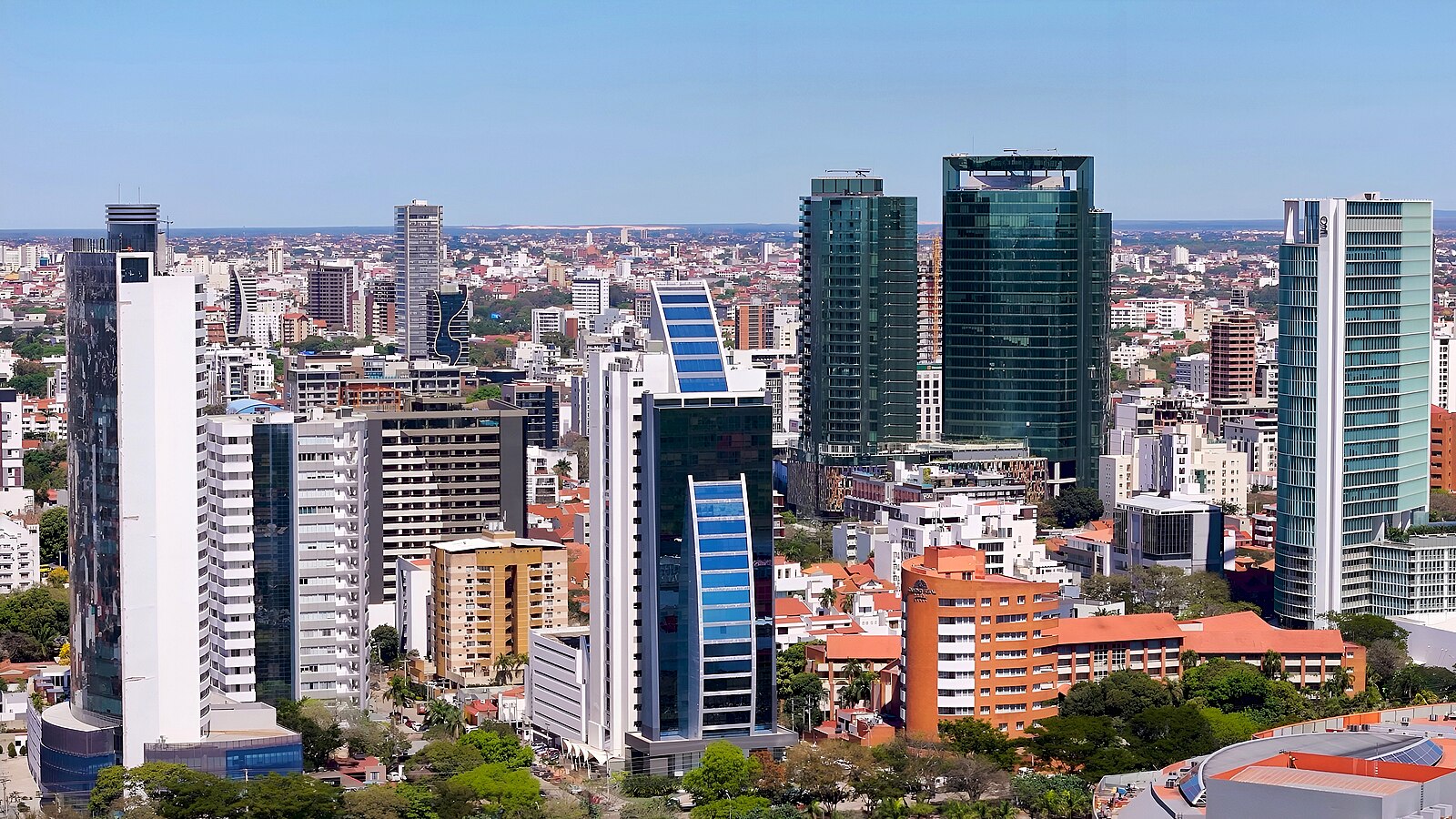
Investing in Bolivia as a foreigner in 2026 is possible, but it is selective and paperwork-heavy. The boliviano has floated since June, which reshapes every calculation.
Where Bolivia stands after the 2025 change of government
Bolivia changed government in late 2025, and the new administration has turned toward external financing and private investment. It follows years of dollar shortages, fuel scarcity and falling gas exports, and it reshapes investing in Bolivia as a foreigner.
Congress approved a US$1.9 billion, 36-month Extended Fund Facility with the International Monetary Fund (IMF) on 17 and 18 September 2026. The IMF Executive Board must still approve it before any money is disbursed.
Right after the vote, the government ended state subsidies on diesel, moving the fuel to international market pricing. Gasoline subsidies remain for now, so the adjustment is still in motion.
Unions have threatened protests over the programme’s austerity conditions. For an investor, the direction is toward openness, but the pace depends on politics that no one can forecast with confidence.
The currency reality: from peg to float
For about fifteen years Bolivia held the boliviano at 6.86 to the dollar for purchases and 6.96 for sales. On 26 June 2026 a ministerial resolution and a Central Bank board resolution replaced that peg with a flexible regime.
The Central Bank of Bolivia opened the new official rate at 9.73 bolivianos to the dollar on 29 June 2026. It now publishes the rate every business day as a weighted average of dollar purchases reported by banks.
The rate rose above 12 bolivianos to the dollar in early September, then eased. On 19 September 2026 the Central Bank’s official rate stood at 11.00 bolivianos to the dollar.
Before the float, a parallel market priced dollars far above the peg because hard currency was scarce. Informal quotes now sit much closer to the official rate, though they can still run somewhat above it.
What the float means for your money
For anyone investing in Bolivia as a foreigner, a profit in bolivianos and a profit in dollars are two different numbers. A project can look healthy locally and still shrink sharply once converted.
On 7 September 2026 the Central Bank temporarily suspended new dollar purchases for its reserves. From 8 September, Board Resolution 131/2026 made banks park 3% of some boliviano deposits in an unpaid reserve for 180 days.
Both measures aim to drain excess local liquidity and calm the exchange market. They show that the float is managed, and that the rules can change quickly when pressure builds.
The practical meaning is simple: model your returns in dollars, with a range of exchange rates rather than one. Treat any single rate, including the 19 September 2026 exchange rates quoted here, as a snapshot, not a promise.
Investing in Bolivia as a foreigner: the property channel
Investing in Bolivia as a foreigner through property is legal: you can own urban homes, apartments, offices and commercial buildings. The purchase is registered like any other, using a passport or foreigner ID and a tax number where required.
Article 262 of the Constitution makes the 50 kilometres next to every international border a security zone. No foreigner, alone or through a company, may acquire or possess property there, directly or indirectly.
The only exception is a state necessity declared by a specific law passed by two-thirds of the legislature. Property held in breach of the rule passes to the state without compensation.
Article 396 bars foreigners from acquiring state land under any title, and Article 398 caps agricultural holdings at 5,000 hectares. Private rural land outside the border zone is not banned outright, but it faces agrarian rules and needs specialist legal review.
Santa Cruz and La Paz: two different markets
Santa Cruz de la Sierra is Bolivia’s largest city and its commercial and agribusiness centre. Foreign capital there tends to go into warehouses, logistics land, offices and housing linked to the lowland farm economy.
La Paz’s Zona Sur, the lower-altitude southern districts, is the best-known premium residential area in the seat of government. It is a market for homes and embassies, not for productive land.
Cochabamba sits between the two, with a mid-sized residential market and a milder climate. Official price indices for these markets are not published in a form foreign buyers can rely on, so asking prices vary widely.
Choose the city that matches the asset. A family buying a home and a company buying a warehouse are, in practice, looking at two different Bolivias.
The title reality
The central risk in a Bolivian property deal is often not the price but the paperwork. The question is whether the asset is properly registered, free of liens and consistent with zoning and constitutional limits.
Urban ownership is recorded at Derechos Reales, the public property registry run by the judiciary. Municipal cadastre records and rural titles from the National Agrarian Reform Institute (INRA) must also match.
Documented problems include unregistered transfers, overlapping claims, mismatched boundaries and sales of land inside the border zone. These occur in cities as well as in the countryside.
Registry verification is the first step in investing in Bolivia as a foreigner, before any deposit changes hands. A title search by an independent local lawyer is the cheapest protection a foreign buyer has.
Agribusiness around Santa Cruz
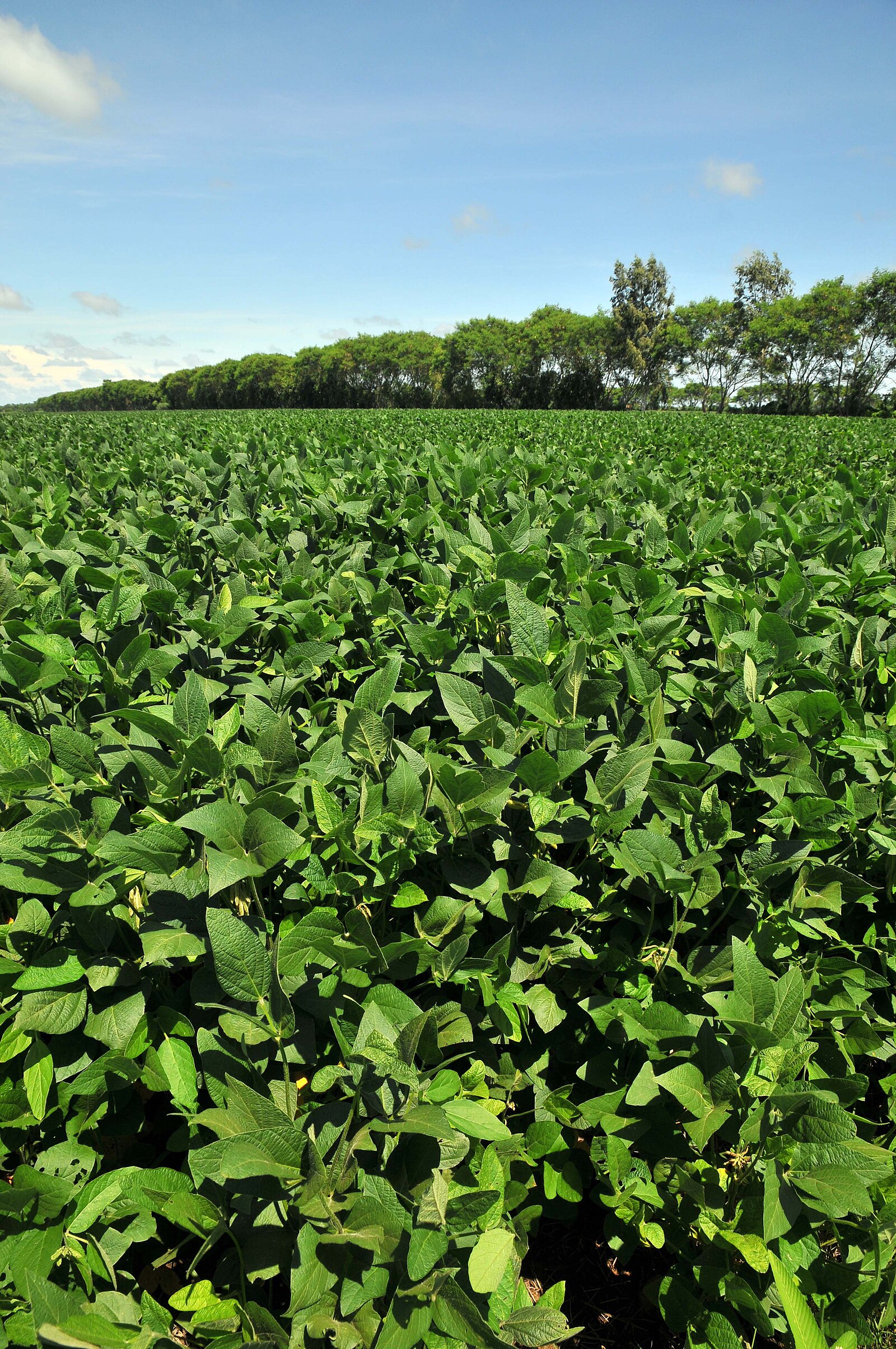
The Santa Cruz lowlands produce the bulk of Bolivia’s soybeans, along with sorghum, sugar cane, beef and other crops. This farm economy is the country’s most established channel for private and foreign capital.
Law 1755 of 29 July 2026 grants a five-year customs duty and VAT exemption on farm inputs, seeds, equipment and capital goods. That is according to Bolivian law firm PPO Indacochea, and eligibility needs a tax adviser’s check.
Land rules still shape everything, from the border zone to the requirement that farmland serve an economic and social function. Many foreign operators work through leases, supply contracts, processing or services rather than land ownership.
Logistics and access to dollars matter as much as yields. For investing in Bolivia as a foreigner, farming rewards experienced operators with local partners, not passive holders seeking quick returns.
The lithium question
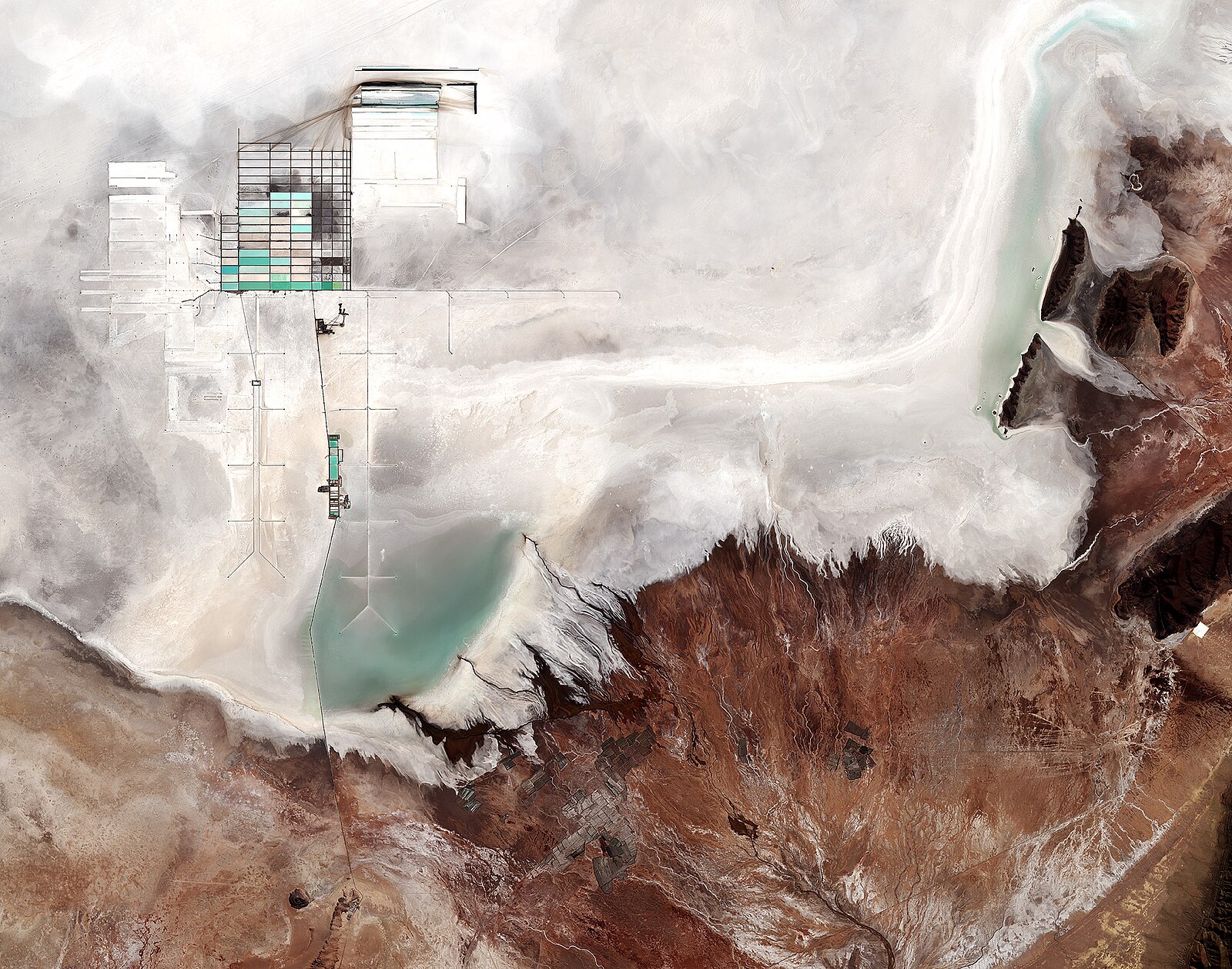
Article 369 of the Constitution declares the evaporitic resources of the salt flats strategic for the country. Law 928 of 2017 created the state company Yacimientos de Litio Bolivianos (YLB) to run the lithium chain.
Private and foreign firms can take part only through contracts or joint structures with the state, as Article 351 allows. For an individual investing in Bolivia as a foreigner, lithium is not an asset you can buy directly.
Contract terms have been debated for years and remain politically sensitive. Anyone offering guaranteed lithium exposure in Bolivia is offering something the legal framework does not provide.
Banking, transfers and taxes
Dollar shortages hit Bolivian banks hard in recent years, delaying transfers and limiting withdrawals. The float has eased some pressure, but documentation checks and delays on large transfers remain common.
Anyone investing in Bolivia as a foreigner should plan transfers early and test a small payment in both directions first. A transfer that is routine elsewhere can take far longer here.
Companies pay corporate income tax, known as the IUE, at 25% of net profit, and VAT, known as the IVA, at 13%. A 3% tax on gross income, the IT, also applies, and IUE paid can be credited against it.
Dividends, interest and service fees paid abroad face 12.5% withholding, with lower rates under the treaties with Spain and Sweden. The 0.30% financial transactions tax was repealed in April 2026, and professional advice remains essential for any cross-border structure.
The investment bill and residency
On 11 August 2026 the government sent Bill 684/2025-2026 to the legislature to replace the 2014 Investment Promotion Law, Law 516. It proposes an investment agency, a single investment window, performance-linked incentives and arbitration options.
The bill had not become law by mid-September 2026. Its incentives are proposals, and no investor should plan around them until the final text is enacted.
Investing in Bolivia as a foreigner does not buy residency, since there is no investor visa with a published minimum. Business owners usually apply for temporary residence for work, which covers self-employed and profit-making activity under the 2013 Migration Law (Law 370).
A one-year, renewable multiple-entry visa exists for people with investment and business activities. Permanent residence becomes possible after three years of temporary residence, so check current requirements with the General Directorate of Migration.
Common mistakes, and how Bolivia compares with Paraguay
The most common mistakes are ignoring currency exposure, trusting informal title documents and underestimating import and transfer delays. Another is buying border or rural land through a local nominee, which hides the constitutional problem rather than solving it.
Paraguay, next door, is the usual comparison for frontier-market investors. It has a long-floating guaraní, a flat 10% corporate tax and fewer transfer frictions.
Bolivia offers a larger domestic market and fresh reform momentum, with more state control and a very young float. When investing in Bolivia as a foreigner, ask which risks you can manage, not which country wins.
Nobody yet knows where the boliviano will settle, when the IMF board will vote or what the final investment law will say. The direction of travel is toward a more open economy, and patience remains the investor’s most useful asset.
Connected Coverage
Cost of Living in Bolivia 2026: A Floated Boliviano and a Dollar Shortage
Bolivia Residency for Expats: Permits, Costs, Steps
Taxes in Bolivia for Expats: Territorial Income, Global Assets
Sources: This guide draws on Central Bank of Bolivia rate tables and announcements, the Bolivian Constitution and migration regulations, PwC and Bolivian law-firm tax summaries, and reporting by Reuters, Euronews and Bolivian media.
This article was produced by The Rio Times’ automated newsroom system. How we use AI · Report an error
LatAm Markets: Live Signals → — real-time movers, turnover leaders and FX across Latin America.
Read More from The Rio Times