Colombia in Latin America, Its Role, Weight and Alliances
COLOMBIA · LATIN AMERICA
Key Facts
- —The country Colombia sits in South America’s north-west, with Caribbean and Pacific coasts and about 53.4 million people in 2026, according to DANE, the statistics office.
- —Its weight The IMF put Colombia’s 2025 economy at about US$457 billion, fourth in Latin America after Brazil, Mexico and Argentina, in April 2026 estimates.
- —Who leads Abelardo de la Espriella, a conservative lawyer, has been president since 7 August 2026, with Omar Bula Escobar as foreign minister.
- —The clubs Andean Community member, founding member of the Pacific Alliance, Mercosur associate, CELAC member, and the country where the OAS Charter was signed in 1948.
- —The shift Under De la Espriella, Bogotá has moved closer to Washington, broken ties with Iran and pledged to cut links with Cuba and Nicaragua.
- —The disputes World Court rulings in 2012 and 2023 shaped a sea dispute with Nicaragua, and a border of over 2,000 km binds Colombia to Venezuela.
- —What it means for you US–Colombia goods trade reached about US$37.3 billion in 2025, under a free-trade agreement in force since May 2012.
The Colombia role in Latin America matters to Americans because Bogotá wants to be Washington’s main security partner in South America.
It has the region’s third-largest population and fourth-largest economy, and in 2026 its alliances swung sharply towards the United States.

How Much Weight Colombia Carries in the Region
Colombia is home to about 53.4 million people in 2026, according to projections by DANE, the national statistics office. Only Brazil and Mexico have more people in Latin America.
About three in four Colombians live in towns and cities, the same DANE projections show. The capital, Bogotá, sits high in the Andes, far from both coasts.
The International Monetary Fund (IMF) estimated Colombia’s 2025 output at about US$457 billion in its April 2026 World Economic Outlook. That placed it fourth in Latin America, behind Brazil, Mexico and Argentina.
Per person, Colombia is less wealthy than its big peers. The IMF puts its 2025 output per head at about US$8,600, against roughly US$17,700 in Chile and US$13,700 in Mexico.
The fund expects growth of 2.3% in 2026, after 2.6% in 2025. That is steady, but slower than the 3.8% it projects for neighbouring Panama.
Size alone does not define the Colombia role in Latin America, but it sets the scale. The IMF’s 2025 estimates for the largest economies compare as follows:
- Brazil: about US$2.28 trillion in output and 213 million people.
- Mexico: about US$1.83 trillion in output and 133 million people.
- Argentina: about US$681 billion in output and 47 million people.
- Colombia: about US$457 billion in output and 53 million people.
- Chile: about US$355 billion in output and 20 million people.
- Peru: about US$341 billion in output and 34 million people.
Colombia in the OAS, CELAC and the United Nations
Colombia has deep roots in the diplomacy of the Americas. Two founding treaties of the inter-American system, the OAS Charter and the Pact of Bogotá, were signed in its capital in 1948.
By its own description, the Organization of American States (OAS) brings together all 35 independent states of the Americas. It came into being when its charter was signed in Bogotá in 1948.
Colombia will host the OAS General Assembly, the organisation’s supreme decision-making body, in 2028. Colombia’s deputy minister for multilateral affairs discussed preparations with OAS Secretary General Albert Ramdin on 28 September 2026.
CELAC, the Community of Latin American and Caribbean States, brings together 33 countries of the region without the United States and Canada. Colombia chaired it until 21 March 2026.
On that day Uruguay took over the rotating presidency at a meeting in Bogotá. During Colombia’s term, Santa Marta hosted a summit between CELAC and the European Union on 9 November 2025.
Beyond the region, Colombia holds a non-permanent seat on the UN Security Council for 2026 and 2027. Panama, whose term ends in 2026, holds the other Latin American seat.
Colombian diplomacy is run from the Palacio de San Carlos in Bogotá, the foreign ministry’s headquarters. As of October 2026, the foreign minister is Omar Bula Escobar.
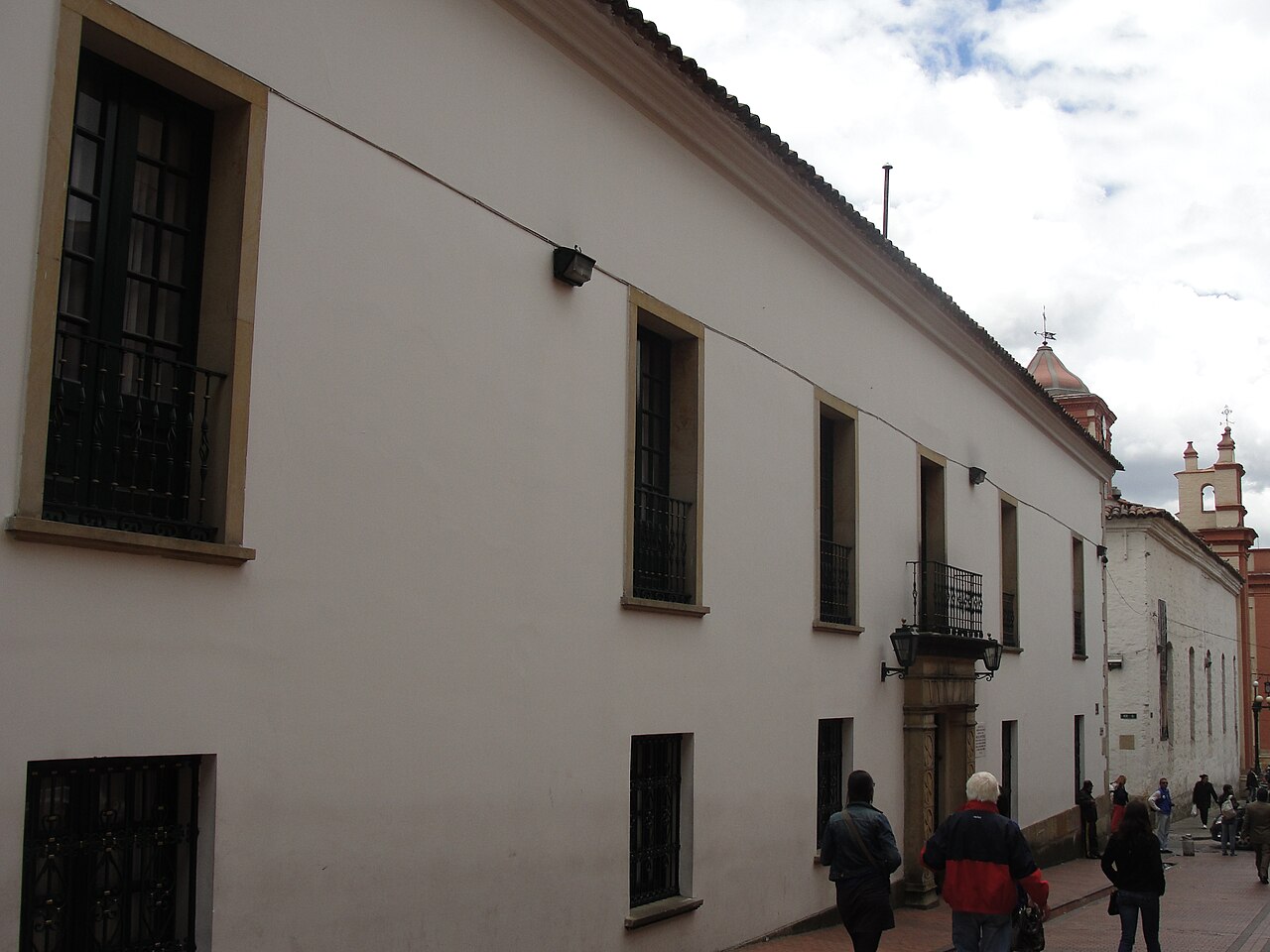
The Andean Community, Pacific Alliance and Mercosur
Colombia is tied to three trade groups with very different reach. Each shows a different side of the Colombia role in Latin America.
The Andean Community
The Andean Community (CAN) is an integration bloc of Bolivia, Colombia, Ecuador and Peru, with about 116 million people. It was born on 26 May 1969, when the Cartagena Agreement was signed in Colombia.
Its headquarters are in Lima, and Colombia held the rotating presidency in 2024-2025. Peru took the chair for 2026-2027 at a meeting in Quito on 30 September 2026.
At that meeting, Colombia backed rules for an Andean operational committee on small-arms trafficking. Member states ran about 200 coordinated border operations against organised crime between 2024 and June 2026, the foreign ministry says.
The bloc also acts as a broker. In March 2026, its secretary-general facilitated talks between Colombian and Ecuadorian deputy foreign ministers on border security, trade and energy.
The Pacific Alliance
The Pacific Alliance began as an initiative of Chile, Colombia, Mexico and Peru, launched with the Lima Declaration of 28 April 2011. It is built on free trade and looks towards Asia.
In 2024 the four members produced 42.8% of Latin American and Caribbean output and 57.4% of its trade, the alliance says. They are home to 239.1 million people.
Mercosur
Mercosur is a South American trade bloc whose full members are Argentina, Brazil, Paraguay, Uruguay and Bolivia. Venezuela’s membership is suspended.
Colombia is one of seven associate states, alongside Chile, Ecuador, Guyana, Panama, Peru and Suriname. Associate states may join Mercosur meetings on issues of common interest, the bloc says.
A Sharp Turn Under President De la Espriella
Abelardo de la Espriella, a conservative lawyer, took office on 7 August 2026 for the 2026-2030 term. He succeeded Gustavo Petro, Colombia’s left-wing president from 2022 to 2026.
A full profile of De la Espriella covers his path to power. On foreign policy, his first weeks brought a clear change of direction.
On 8 September 2026, US Secretary of State Marco Rubio visited Barranquilla and spoke of a possible “golden age” in relations. De la Espriella said both countries would be “the main partners in South America” on security.
He confirmed that Colombia had joined the Shield of the Americas, a Washington-backed grouping against transnational organised crime. Its Colombian base will be in Medellín.
Further afield, Colombia broke diplomatic relations with Iran with effect from 19 September 2026. In August it recognised Israel’s sovereignty over the Golan Heights.
On 26 July 2026, as president-elect, he singled out Cuba and Nicaragua for a break in ties. “In my government there will be no link at all with tyrannies,” he said, Infobae reported.
In the same broadcast he announced plans to close 14 Colombian embassies abroad.
At the UN General Assembly on 24 September 2026, his speech was read by Vice-President José Manuel Restrepo. It called for a review of the multilateral system and rejected selective use of human rights.
Closer to home, Costa Rica’s president, Laura Fernández Delgado, chose Colombia for her first trip abroad as head of state. She met De la Espriella in Barranquilla on 22 September 2026.
Venezuela, the Neighbour That Shapes Colombian Policy
For Colombia, Venezuela is “not a distant matter”, De la Espriella said after meeting Rubio. The two countries share more than 2,000 km of border, and he said events there have direct consequences in Colombia.
He listed security, migration, drug trafficking, smuggling, armed groups and energy as the issues at stake. Colombia, he said, will work with Washington on regional stability and border cooperation.
Venezuela’s politics changed when US forces captured Nicolás Maduro in Caracas on 3 January 2026. As of October 2026, Delcy Rodríguez, who served as his vice-president, governs as acting president.
During the campaign, De la Espriella’s running mate said contact with Venezuela would go “through the United States”, NTN24 reported. Diplomatic relations with Caracas nonetheless continue.
Venezuela approved Jorge Jaller as Colombia’s new ambassador, La FM reported. In early September 2026 he was awaiting the formal presentation of his credentials.
Migration ties the two countries together. Close to one million Venezuelans have been regularised through Colombia’s Temporary Protection Permit (PPT), more than 300,000 of them minors.
Those figures come from Migración Colombia, the migration authority, as reported by public broadcaster RTVC in April 2026. In August 2026 the new president ordered raids and deportations of irregular migrants, Infobae reported.
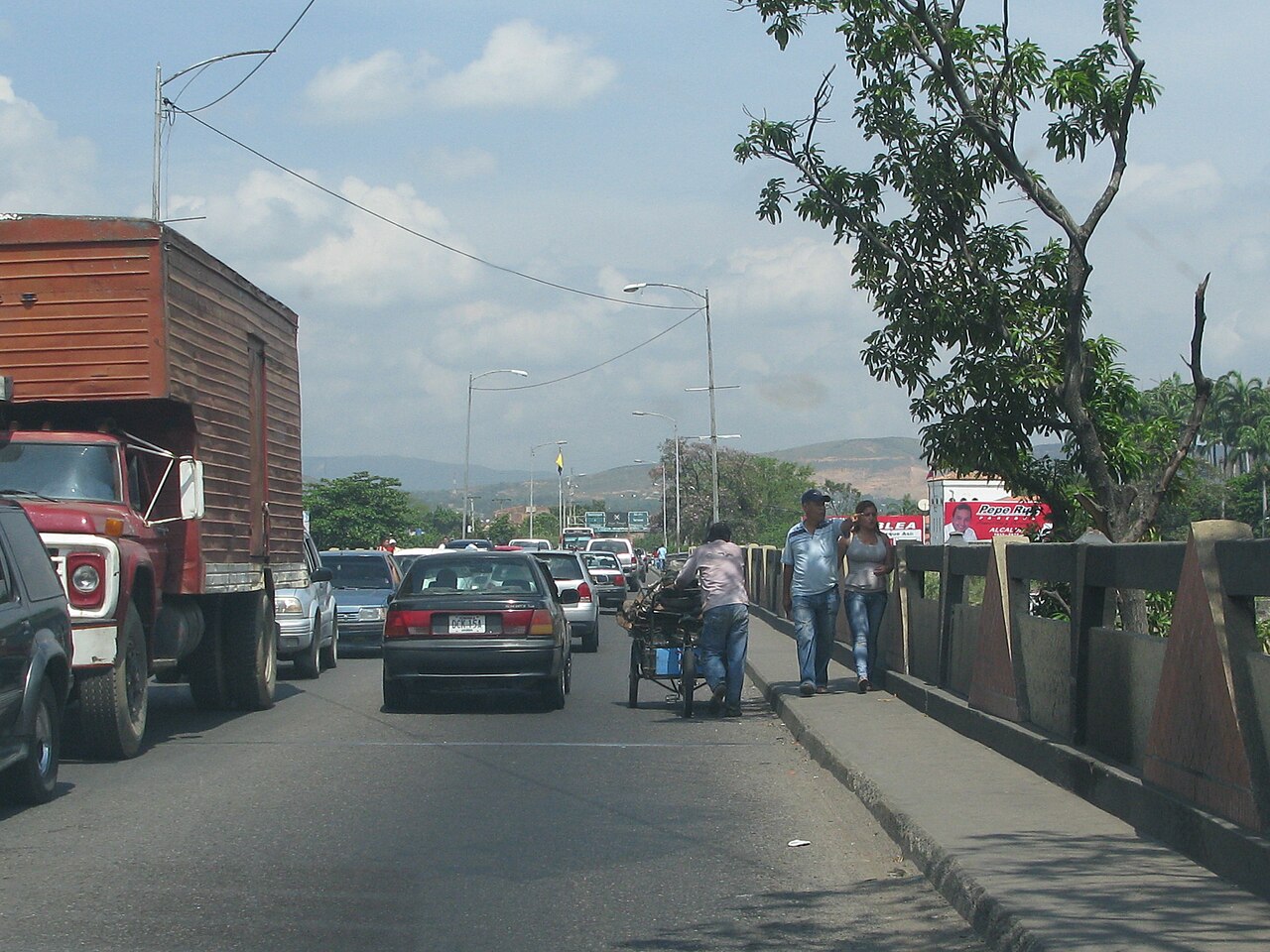
The Caribbean Sea Dispute With Nicaragua
Colombia has a long-running maritime quarrel with Nicaragua over islands and waters in the western Caribbean. Nicaragua took the case to the International Court of Justice (ICJ), the UN’s top court, in December 2001.
In 2007 the court found that a 1928 treaty had settled San Andrés, Providencia and Santa Catalina as Colombian. Its judgment of 19 November 2012 also gave Colombia seven smaller features, including Quitasueño, Roncador and Serranilla.
But the court drew a single sea boundary that pushed Nicaragua’s waters eastward, up to 200 nautical miles from its coast. On 27 November 2012, Colombia gave notice that it was leaving the Pact of Bogotá.
That 1948 regional treaty was the basis on which the court accepted jurisdiction in these cases.
In 2013 Nicaragua filed a new case seeking a continental shelf beyond 200 nautical miles from its coast. On 13 July 2023, the court rejected that request by 13 votes to four.
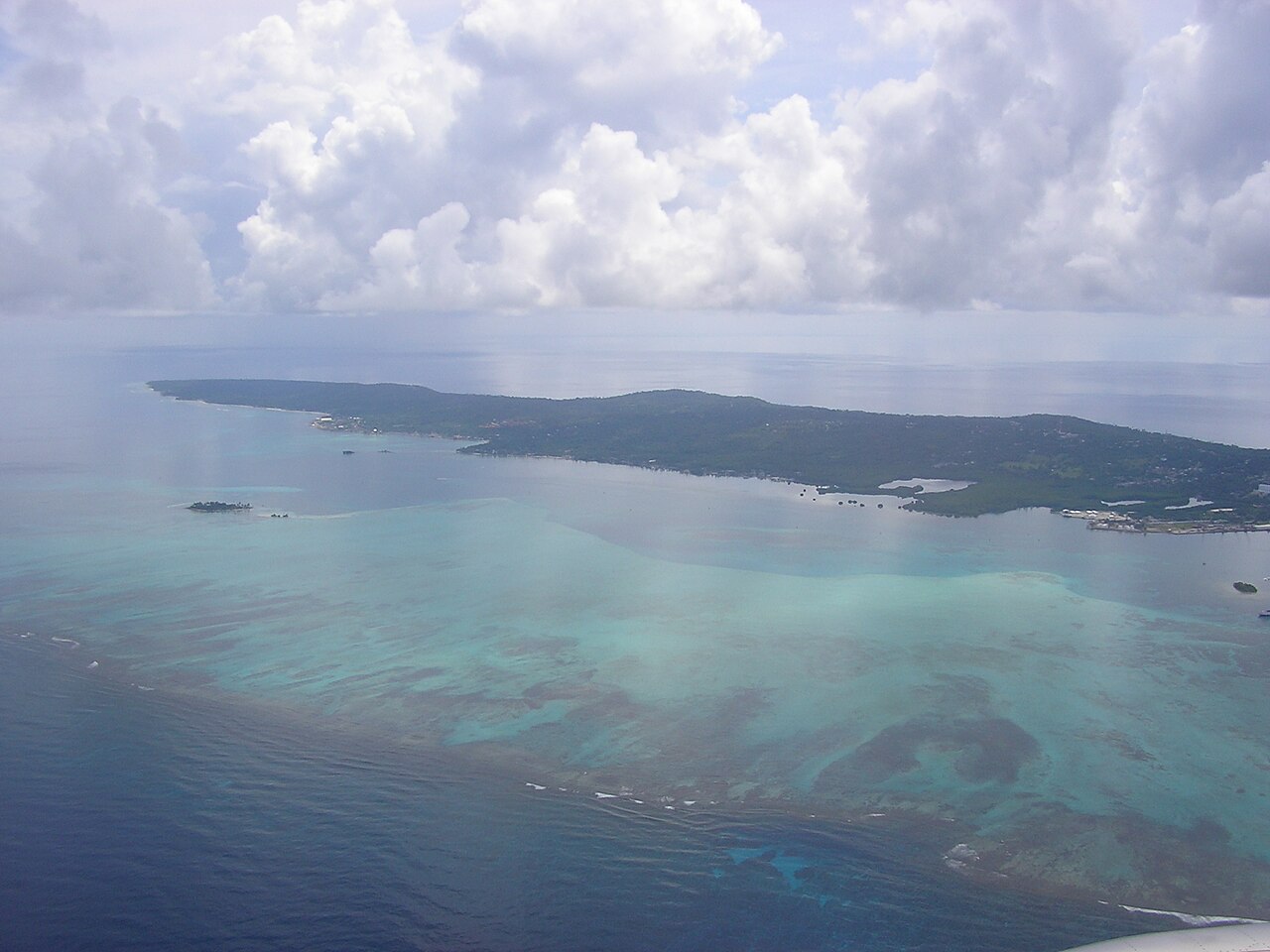
Ecuador and the Limits of Andean Unity
Ties with Ecuador show how quickly Andean partners can fall out. Colombia’s Decree 0170 of 20 February 2026 imposed “reciprocal” tariffs of 30% on Ecuadorian imports, citing national security.
The decree answered a levy Ecuador had placed on Colombian goods, which Ecuador later raised to 100%. Ecuador dropped it on 1 June 2026 and Colombia repealed its decree on 5 June, ending the two-way tariff war.
As of October 2026, both governments are preparing a presidential meeting and joint cabinet session in Barranquilla for November 2026. The agenda covers security, trade, border traffic and energy links, the foreign ministry says.
With Peru, Colombia shares the Amazon frontier and seats in both the Andean Community and the Pacific Alliance. A guide to Colombia’s five land neighbours covers each border in detail.
For the wider picture of politics and the economy, see Colombia explained. Day-to-day coverage sits on the Colombia news hub.
What It Means for US Readers
For US companies, Colombia is a sizeable, open market. In 2025 the United States exported US$19.5 billion of goods there and imported US$17.9 billion, Census Bureau data show.
That left the United States with a surplus of about US$1.6 billion in goods trade.
The US–Colombia Trade Promotion Agreement took effect on 15 May 2012. It made over 80% of US industrial and consumer exports duty-free at once.
For Washington, the Colombia role in Latin America now includes being a front-line partner on drugs, migration and Venezuela. Bogotá has offered annual targets and verifiable indicators on drug control.
Background on the US security aid pledge to Colombia shows how that partnership is being rebuilt. For investors, closer alignment may ease trade frictions but could sharpen tensions with Caracas and Managua.
What Is Not Known
It remains unclear how the promised break with Cuba and Nicaragua will work in practice, including consular help for Colombians living there.
Colombia’s approach to Venezuela depends heavily on Washington’s plans for Caracas. How far Bogotá will deal directly with Venezuela’s acting government is an open question.
It is also unclear whether the new government will stay active in CELAC, where Cuba, Nicaragua and Venezuela sit as members. The Colombia role in Latin America could narrow if it favours bilateral deals with Washington.
The IMF’s figures for 2026 are projections from April 2026 and may change in later updates.
Frequently Asked Questions
What is Colombia’s role in Latin America?
The Colombia role in Latin America rests on size, location and alliances. It is the region’s third most populous country and fourth-largest economy, with Caribbean and Pacific coasts. Since August 2026 its government has sought to be Washington’s main security partner in South America.
Is Colombia a member of Mercosur?
Not as a full member. Colombia is one of seven Mercosur associate states, alongside Chile, Ecuador, Guyana, Panama, Peru and Suriname.
Which regional organisations does Colombia belong to?
Colombia belongs to the OAS, CELAC, the Andean Community and the Pacific Alliance, and is a Mercosur associate. It also sits on the UN Security Council for 2026 and 2027.
Why do Colombia and Nicaragua dispute the Caribbean?
Nicaragua challenged Colombia over islands and waters around San Andrés. The International Court of Justice upheld Colombian sovereignty over the islands in 2007 and 2012, but its 2012 ruling also drew a new sea boundary. In 2023 it rejected Nicaragua’s claim to an extended continental shelf.
How does Colombia’s economy compare with its peers?
The IMF estimated Colombia’s 2025 output at about US$457 billion, behind Brazil, Mexico and Argentina but ahead of Chile and Peru. Income per person, at about US$8,600, is lower than in Chile or Mexico.
Who is Colombia’s president in 2026?
Abelardo de la Espriella, a conservative lawyer, took office on 7 August 2026 for a four-year term. He has moved the Colombia role in Latin America closer to the United States.
Does Colombia still have relations with Venezuela?
Yes. As of September 2026 diplomatic relations continue, but Bogotá coordinates its Venezuela policy closely with Washington. Its stated focus is security, migration, drug trafficking and energy.
Sources: DANE, population projections 2018-2070 (post-COVID update), 18 July 2025; IMF World Economic Outlook DataMapper, April 2026; Colombian presidency, Rubio meeting in Barranquilla, 8 September 2026; Colombian presidency, UN General Assembly speech, 24 September 2026; Colombian foreign ministry, break with Iran, 24 September 2026; Colombian foreign ministry, Andean foreign ministers’ meeting, 30 September 2026; Andean Community, who we are, accessed October 2026; Pacific Alliance, what the alliance is, 2024 data; Mercosur, member countries, accessed October 2026; OAS, who we are, accessed October 2026; International Court of Justice, Nicaragua v. Colombia, 19 November 2012; UN Security Council, current members, 2026; US Census Bureau, trade in goods with Colombia, 2025 data; USTR, US-Colombia Trade Promotion Agreement, accessed October 2026; Colombian foreign ministry, Golan Heights statement, 10 August 2026; Colombian foreign ministry, OAS meeting on the 2028 General Assembly, 28 September 2026; Colombian foreign ministry, Colombia-Ecuador presidential meeting, 2 October 2026; Colombian presidency, Costa Rica visit, 22 September 2026; Uruguayan foreign ministry, CELAC presidency, 23 March 2026; Council of the EU, CELAC-EU Santa Marta declaration, 9 November 2025; OAS, Pact of Bogotá signatories and denunciations, accessed October 2026; International Court of Justice, continental shelf case, 13 July 2023; Colombian trade ministry, 2026 decrees, 5 June 2026; Infobae, Cuba and Nicaragua pledge, 27 July 2026; NTN24, running mate on Venezuela, 4 June 2026; La FM, ambassador Jorge Jaller, 4 September 2026; RTVC, Migración Colombia figures, 15 April 2026; Infobae, migration raids and deportations, 24 August 2026; Infobae, Ecuador lifts tariffs on Colombia, 31 May 2026.
This article was produced by The Rio Times’ automated newsroom system. How we use AI · Report an error · Editorial responsibility: Matthias Camenzind, Editor-in-Chief
Rotate for Best Experience
This report is optimized for landscape viewing. Rotate your phone for the full experience.
You've reached your free article limit
Subscribe to The Rio Times for unlimited access to our news, expat and nomad guides and market intelligence on Latin America and Africa.