
COLOMBIA · CALI
Key Facts
- What is happening Cali, Colombia’s third-largest city, is rebuilding after the 10 August quake, which killed 154 people, the city says.
- Why it matters About 2.27 million people live in the city, the gateway to Colombia’s Pacific coast and a sugar-growing valley.
- The numbers Poverty was 23.9% in 2024, and police counted 1,068 homicides in 2025, about 47 per 100,000 people.
- Who is who Alejandro Eder is mayor, and Abelardo de la Espriella, a conservative, has been president since 7 August 2026.
- What to watch Watch the December rate decision, earthquake aid payments and homicide data, up 12.5% in nine months.
- What it means for you The State Department’s April 2025 advisory rates Colombia Level 3, reconsider travel; US$1 buys COP 3,235.59.
- Prediction markets Polymarket gives 62% that Colombia’s central bank leaves its rate unchanged in December and 25.5% for a 25 basis point rise (4 November, 9:40 a.m. ET).
- Power Index Colombia ranks 6th of 14 in The Rio Times Latin America Power Index, with 51.9 points (October 2026 edition).
Cali is Colombia’s salsa capital and its third-largest city, a Pacific gateway still recovering from the August earthquake. Here is how it works, earns, governs and copes in 2026.
This Cali city guide explains Santiago de Cali for readers who have never been there. The city of about 2.27 million people sits in the Valle del Cauca department in south-west Colombia.
A magnitude 7.4 earthquake on 10 August 2026 shook the city, and its mayor, Alejandro Eder, is now leading the rebuilding. The city is also known for sugar, salsa music and a year-end street fair.
More coverage sits on the Rio Times Colombia page and the Cali expat city page. Conversions use COP 3,235.59 per US$1, the official market rate (TRM) valid on 4 November 2026.
Cali City Guide in One Page
The list gives the essentials in one line each. Sources and dates follow in the sections below.
- Founded: 25 July 1536 by the Spanish conqueror Sebastián de Belalcázar, the city says.
- People: 2,269,983 projected for 2026 by DANE, the national statistics office.
- Government: Mayor Alejandro Eder, in office since January 2024, in a city made a Special District in 2018.
- Economy: a services, sugar and festival city in a department that is among Colombia’s top three by output.
- Poverty: 23.9% in the metropolitan area in 2024, against 31.8% nationally.
- Earthquake: 154 deaths and 1,657 injuries counted by the city for the 10 August 2026 quake.
- Safety: 1,068 homicides in 2025, or about 47 per 100,000 residents.
- Culture: salsa, the Feria de Cali and the Petronio Álvarez Pacific music festival.
From a 1536 Settlement to a Special District
The city history page says Sebastián de Belalcázar founded Santiago de Cali on 25 July 1536, first near Vijes and Riofrío. Captain Miguel Muñoz later moved it to its present site beside the Cali River.
In 1793 the city had only 6,548 people, and 1,106 of them were enslaved. Large estates raised cattle and sugar cane, and many of them later became neighbourhoods.
Cali became the capital of the new Valle del Cauca department in 1910, the city says. The railway from the Pacific port of Buenaventura reached it in 1915.
Sugar mills spread across the valley from the 1930s, and the sugar fair of the 1950s grew into today’s Feria de Cali. The city hosted the Pan American Games in 1971 and the United Nations biodiversity summit COP16 in 2024.
Law 1933 of 2018 made Cali a Special District, the city says. The city also names the Valle del Cauca as its department.
How Many People Live in Cali
DANE, the national statistics office, projects 2,269,983 residents for 2026, with 2,217,353 in the urban core and 52,630 in rural settlements. The 2018 census counted 2,119,901, the city says.
The projection is slowly falling, from 2,280,485 in 2023 to 2,261,787 in 2027, DANE’s August 2025 update shows. Cali remains Colombia’s third-largest city by population.
Children are fewer each year, with 135,886 aged 0 to 5 in 2026 against 143,073 in 2024. People aged 60 and over number 448,407 in 2026, or about 19.8%.
DANE’s earlier projection series counted 334,354 residents identifying as Black, mulatto or Afro-Colombian in 2026, about 14.6%. It counted 11,917 Indigenous residents, and the 2025 update dropped that breakdown.
Spanish is the official language, and English is easiest to find in hotels and tourist areas, the city says. The city sits about 1,000 metres above sea level, with temperatures of 18 to 34 degrees Celsius.
The Economy, Sugar, Salsa and Services
Valle del Cauca, Bogotá and Antioquia made about half of Colombia’s preliminary 2025 output, DANE said on 3 July 2026. That release did not split out the city’s own share.
Living standards in the Cali metropolitan area, which includes the neighbouring town of Yumbo, are above the national average. Monetary poverty was 23.9% in 2024 against 31.8% nationally, and extreme poverty was 7.9% against 11.7%.
The Gini coefficient, a 0 to 1 scale of inequality, was 0.509 in Cali against 0.551 nationally in 2024. About 45.5% of metropolitan households counted as middle class in 2023, DANE says.
Jobs have recovered from the pandemic. The unemployment rate in the metropolitan area was 9.0% in April to June 2025, against 29.8% in the same months of 2020.
Festivals are a business. The city says its 40 festivals generate over US$165 million a year in economic activity.
The city says the Feria de Cali and the Petronio Álvarez festival create over 15,000 jobs and host 1.3 million spectators. Emcali, a city-owned company, sells power, water and telephone services.
On 3 November 2026 the city announced it had won the 2026 Shanghai Award from UN-Habitat, the United Nations settlements agency. It was one of five winners from 92 entries in 34 countries, for housing upgrades.
Neighbourhoods and the Hills Around the City
Cali sits on a plain surrounded by mountains, the city says, with the Cali River crossing the old centre. The hills of Cristo Rey, Las Tres Cruces and San Antonio frame the historic downtown.
Many neighbourhoods began as estates, the city history notes. Names such as Cañaveralejo, Chipichape, Pasoancho, Arroyohondo, Cañasgordas, Limonar and Meléndez come from the old haciendas.
The city is divided into urban districts called comunas and rural districts called corregimientos, the city’s map pages show. Pance is a rural area that held its third rural university fair this autumn.
The city counts 12 eco-parks and 61 wetlands, and the Farallones de Cali National Natural Park covers 196,429.90 hectares. The city says more than 560 bird species have been recorded around it.

Politics and Governance
Alejandro Eder is mayor, and his development plan covers 2024 to 2027. The city says he studied at Hamilton College and Columbia, then led the national ex-combatant reintegration agency from 2010 to 2014.
His father, Henry Eder, was also mayor of Cali, the city says. Local elections across Colombia are due in October 2027, when voters choose the next mayor.
Abelardo de la Espriella, a conservative, won the presidential runoff on 21 June 2026 and took office on 7 August. Cali’s earthquake came three days later, which put the new government’s disaster response to an immediate test.
The city works with UNGRD, the national disaster agency. A city bulletin of 3 November says the president and the mayor announced the aid payments together.
The 10 August 2026 Earthquake
A magnitude 7.4 earthquake struck western Colombia at 7:34 a.m. on Monday 10 August 2026, the US Geological Survey (USGS) says. Its epicentre was 4 km south-south-west of San José del Palmar in Chocó, at a depth of 116 km.
That is roughly 160 km north-north-east of Cali by our calculation. The USGS gave its highest alert, red, for expected casualties and economic losses.
The city counted 154 deaths, 1,657 injured, 16 missing and 88 people rescued, in its official update of 2 September. It listed 24 buildings as totally collapsed.
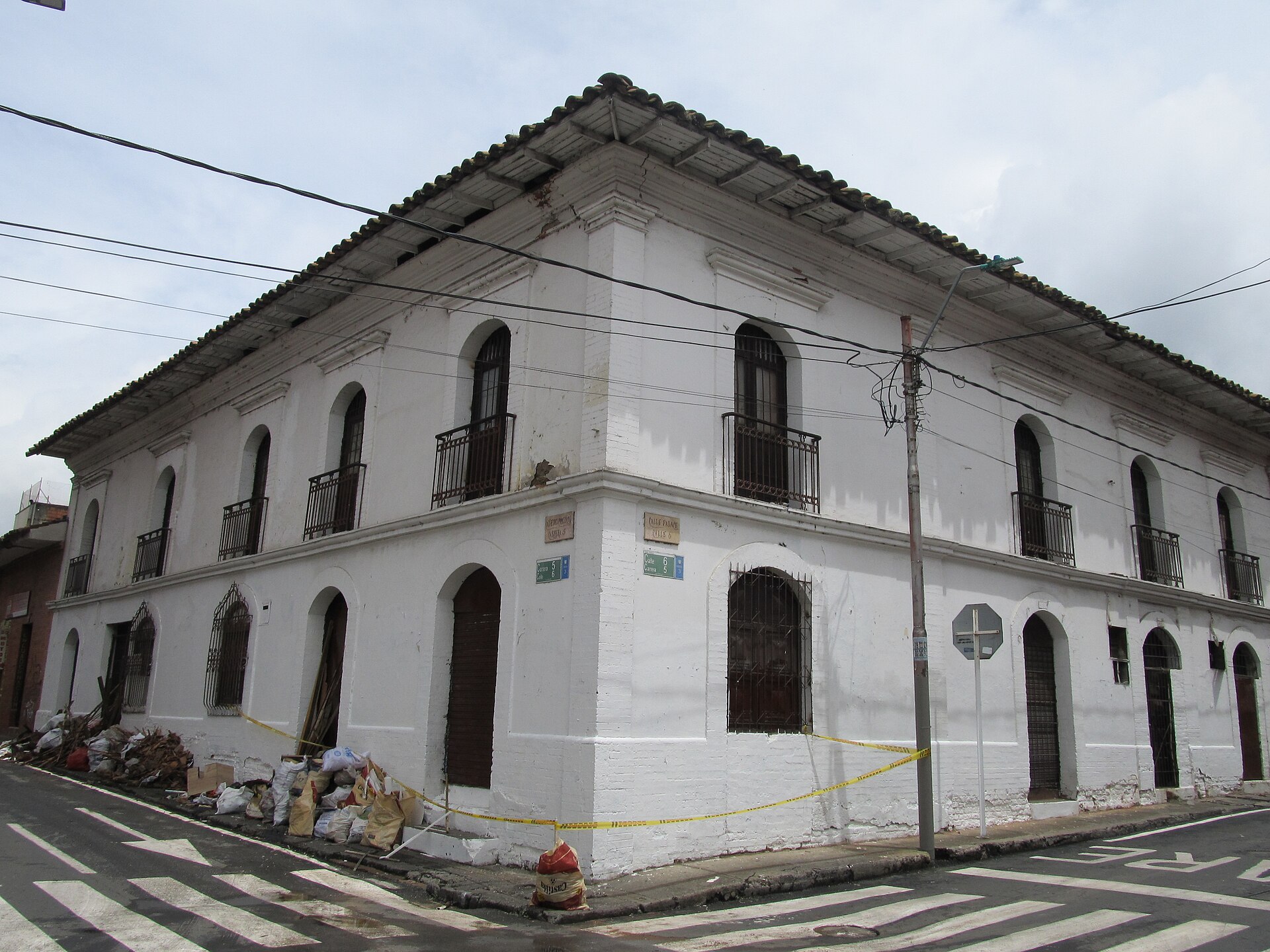
Beneficiaries of the city’s quake aid can collect COP 1,050,000 (about US$325), a city bulletin of 3 November says. It opened 85 payment points from 4 November to 19 November, plus a mass point at a mall until 8 November.
The city says the first two payment groups are in a trust, paid by bank transfer or SuperGIROS, a cash network. Our earlier report on the aid covers its first weeks.
Security and Safety
Police open data count 1,068 homicides in Cali in 2025, including five classed as femicide. That is about 47 per 100,000 residents on DANE’s 2025 projection, against about 42 in 2024.
Earlier years show 950 in 2024, 1,005 in 2023, 986 in 2022 and 1,202 in 2021. In 2025 firearms were used in 879 of the 1,068 cases.
From January to September 2026 the police data show 847 homicides, up 12.5% from 753 in the same months of 2025. The 2026 total is not yet known.
The city’s own tourism page says some areas are best avoided at night and urges visitors to use authorised taxis. The national picture is covered in our Colombia security guide.
Transport, Airport and Daily Life
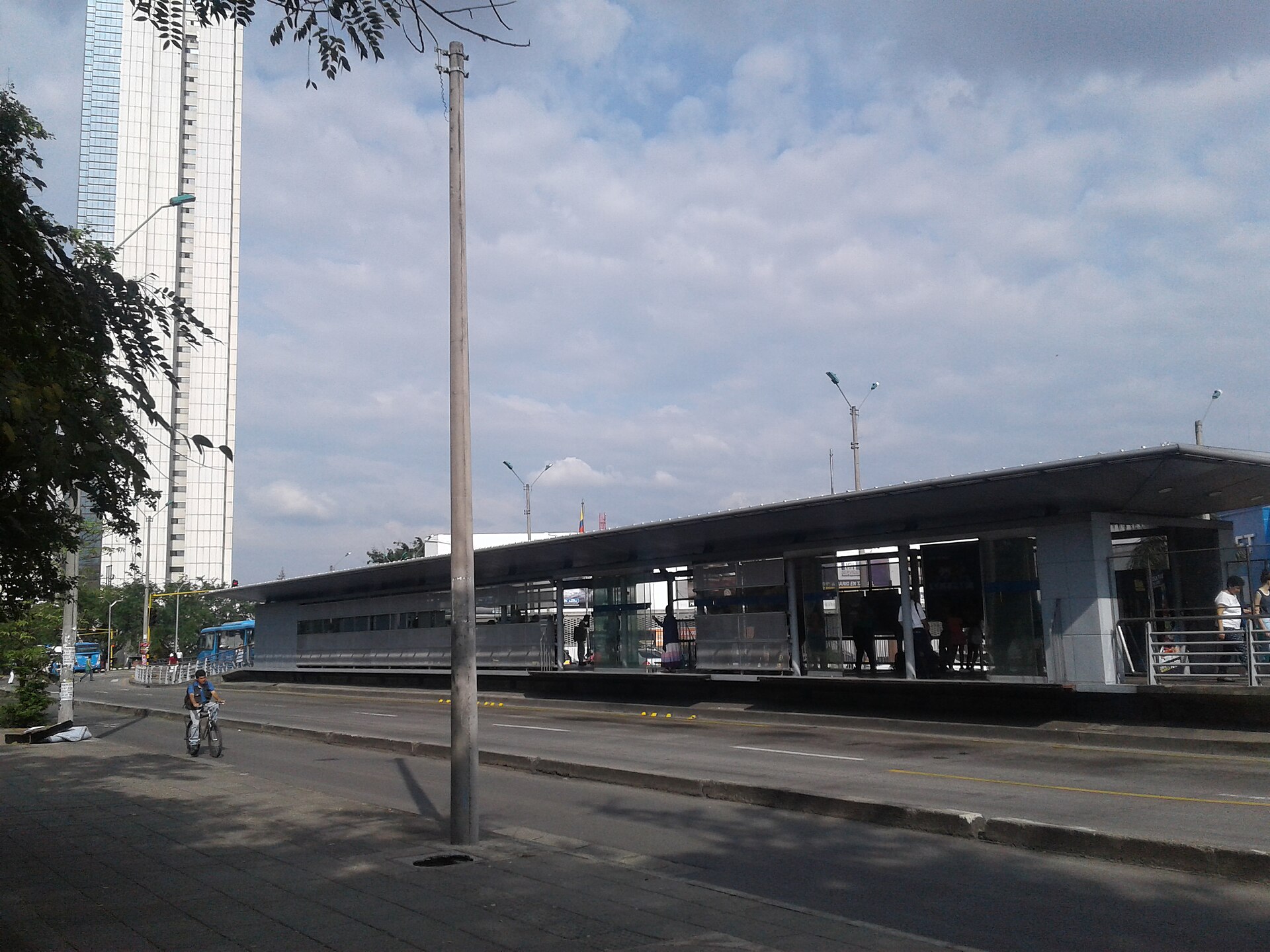
The city’s public transport includes buses and the MIO mass transit system, the city says. Metro Cali, the public company behind the MIO, published a draft rule in July 2026 on payments for scrapping old buses.
The nearest big airport is Alfonso Bonilla Aragón, in the neighbouring town of Palmira. The Buenaventura railway line that reached Cali in 1915 once tied the city to the Pacific.
Daily life revolves around salsa, food and football. The Feria de Cali, the year-end fair, is the biggest event.
The city says it has the country’s largest public library system, with 61 libraries. It also announced on 3 November that 162,000 students will get meals and school transport from January 2027.
For events, see our What to Do in Cali guide and the Feria de Cali report. Travel readers can also read the Colombia vs Chile match guide.
What It Means for US Readers
The State Department rated Colombia Level 3, reconsider travel, in the advisory we read, dated 17 April 2025. It names Arauca, Norte de Santander and Cauca, except Popayán, as Level 4, do not travel.
The advisory does not name Cali or Valle del Cauca. Cauca borders Valle del Cauca to the south, so travellers should check the latest advisory and avoid crowds.
US investors face a peso at COP 3,235.59 per US$1 on 4 November 2026. Colombia’s central bank held its rate at 12.25% on 30 October, after a 25 basis point rise from 1 October.
The Rio Times Latin America Power Map ranks Colombia among its neighbours. Our Colombia and the United States guide covers trade and visas.
What Prediction Markets Say
Polymarket, where users bet real money, runs a market on Colombia’s December rate decision. On 4 November 2026 it gave 62% for no change and 25.5% for a 25 basis point rise (9:40 a.m. ET).
Bigger rises stood at 5.9%, a 25 basis point cut at 2.7% and a bigger cut at 5.7%. The market has traded about US$37,300 in all, with US$14,600 on no change.
The market concerns national interest rates, not Cali, but borrowing costs shape construction and reconstruction. The bank’s policy rate stood at 12.25% from 1 October 2026.
Why we show this: prediction markets turn real-money bets into a live probability that moves within minutes of the news, which is why investors, campaigns and newsrooms in the United States now follow them closely. We show them next to polls and official results, never instead of them.
What Is Not Known
The city’s own share of national output was not found, since DANE’s release gives only a combined share for three departments. Rents and house prices were left out for lack of primary sources.
We found no official count of how many families have been paid. The city’s death toll of 154 is the 2 September count, and we did not confirm newer city figures.
The homicide data are police records, and the 2026 total is incomplete. We did not confirm the number of comunas or the council’s makeup, and the advisory may have changed since 17 April 2025.
The 2025 projection dropped ethnic breakdowns, so the Afro-Colombian count is from DANE’s earlier series. We also could not confirm the governor of Valle del Cauca or recent MIO ridership.
Frequently Asked Questions
Who is the mayor of Cali?
Alejandro Eder has been mayor since January 2024, and the city’s development plan runs to 2027. Local elections are due in October 2027.
How many people live in Cali?
DANE, the national statistics office, projects 2,269,983 residents for 2026. The 2018 census counted 2,119,901, the city says.
How badly did the August 2026 earthquake hit Cali?
The city counted 154 deaths, 1,657 injured and 24 buildings totally collapsed, in its update of 2 September. The quake was magnitude 7.4 and centred about 160 km away.
Is Cali safe for visitors?
Police data show 1,068 homicides in 2025, about 47 per 100,000 residents, and 847 in the first nine months of 2026. The US advisory for Colombia is Level 3, reconsider travel.
What is Cali known for?
Cali is known as Colombia’s salsa capital, with the Feria de Cali each December and the Petronio Álvarez Pacific music festival. The city says it also won the 2026 Shanghai Award for housing upgrades.
When was Cali founded?
Sebastián de Belalcázar founded Santiago de Cali on 25 July 1536, the city says. It has been the capital of Valle del Cauca since 1910.
Sources: DANE, population projections for Cali (August 2025 update), via the City of Cali statistics file; DANE, Gran Encuesta Integrada de Hogares: poverty, Gini and labour market for Cali; DANE, departmental accounts (3 July 2026); City of Cali, history of the city; City of Cali, information in English; City of Cali, the mayor; City of Cali, earthquake official information repository (update of 2 September 2026); City of Cali, bulletin on earthquake aid payment points (3 November 2026); City of Cali, Shanghai Award 2026 bulletin (3 November 2026); US Geological Survey, event us6000tjl2; Colombian National Police homicide data, open data portal; Superfinanciera, official exchange rate (TRM), 4 November 2026; Banco de la República, policy rate and decisions (30 October 2026); US State Department, Colombia travel advisory; Polymarket, Central Bank of Colombia decision in December.
This article was produced by The Rio Times’ automated newsroom system. How we use AI · Report an error · Editorial responsibility: Matthias Camenzind, Editor-in-Chief
The Cali Guide
What The Rio Times publishes for foreigners in Cali, Colombia.
Coming up in Cali
- Colombia vs Chile in Cali on Friday 13 November 13 Nov
- Feria de Cali 2026 Salsódromo in Colombia on 25 December 25 Dec
- Cali Salsa Fair Runs 25 to 30 December 2026 30 Dec
Living in Cali
Understand Colombia