What Is Bancolombia? Colombia’s Largest Bank, Its Owners and What Investors Should Know
COMPANIES · COLOMBIA
Key Facts
- —The company Colombia’s largest bank, with roots going back to 1875, owned since 2025 by the holding company Grupo Cibest.
- —The numbers Grupo Cibest earned 4.19 trillion pesos (about US$1.26 billion) in the first half of 2026.
- —The owners Listed in Bogotá and New York, with Grupo Sura holding about 46 percent of the voting shares.
- —The catch Most of its profit depends on Colombia, where inflation and the fiscal deficit remain high.
Bancolombia is Colombia’s largest bank and the core of the Grupo Cibest financial group. This guide explains what it does, how it earns money, who owns it and what its numbers mean for outsiders.
For anyone who lives in, trades with or invests in Colombia, Bancolombia is hard to avoid. Since May 2025 the bank has sat under a new parent company, Grupo Cibest, whose shares trade in Bogotá and New York.
What Bancolombia Is
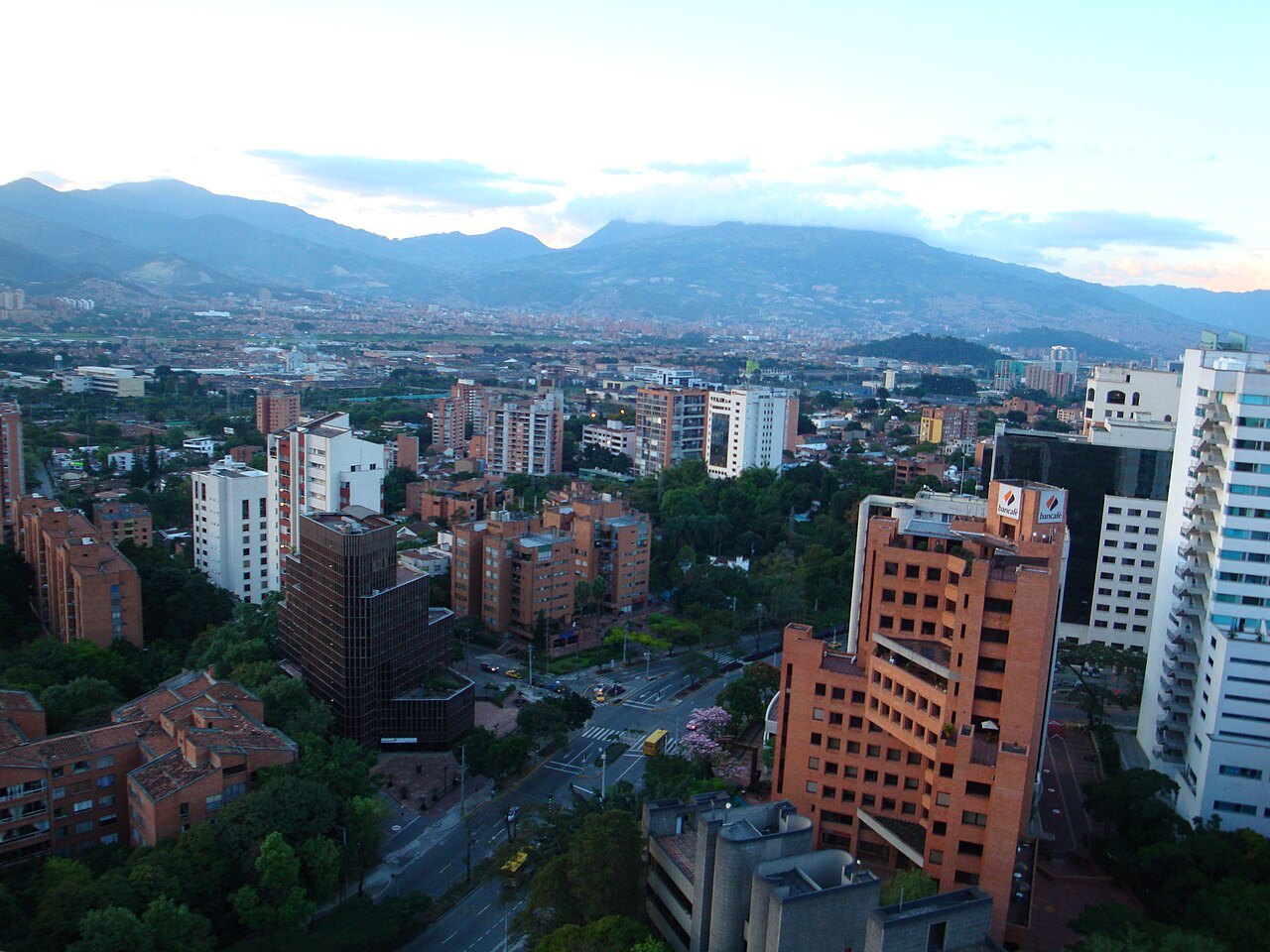
Bancolombia is a commercial bank based in Medellín, Colombia’s second city, in the Andean department of Antioquia. Colombia sits in the north-west of South America, has about 53.4 million people and uses the Colombian peso.
The country is roughly twice the size of France, with coasts on both the Caribbean and the Pacific. Its banks are supervised by the Superintendencia Financiera, the national financial regulator, and deposits are insured by the state agency Fogafín.
The bank traces its roots to Banco de Colombia, founded on 29 January 1875, and to Banco Industrial Colombiano, founded in 1945. The two merged in 1998, and the mortgage lender Conavi and the investment firm Corfinsura were folded in during 2005.
In 1995 Banco Industrial Colombiano became the first Colombian company to list on the New York Stock Exchange. It did so through American depositary receipts (ADRs), certificates that let US investors trade foreign shares.
In May 2025 the group reorganised itself under a holding company, Grupo Cibest, which kept the New York ticker CIB. Shareholders received one Grupo Cibest share for each Bancolombia share, and the new shares began trading on 19 May 2025.
Today Bancolombia is the main operating bank inside Grupo Cibest, which owns all of it. The group also owns the wallet Nequi, the payments firm Wompi, the crypto platform Wenia and two Central American banks.
Peso figures in this guide are converted at about 3,330 pesos per US dollar. That is the official reference rate for 25 September 2026, as published by the Banco de la República, the central bank.
Where It Operates
Colombia is the heart of the business. At the end of 2025, 79 percent of the group’s loans were in Colombia, the regional business magazine E&N reported.
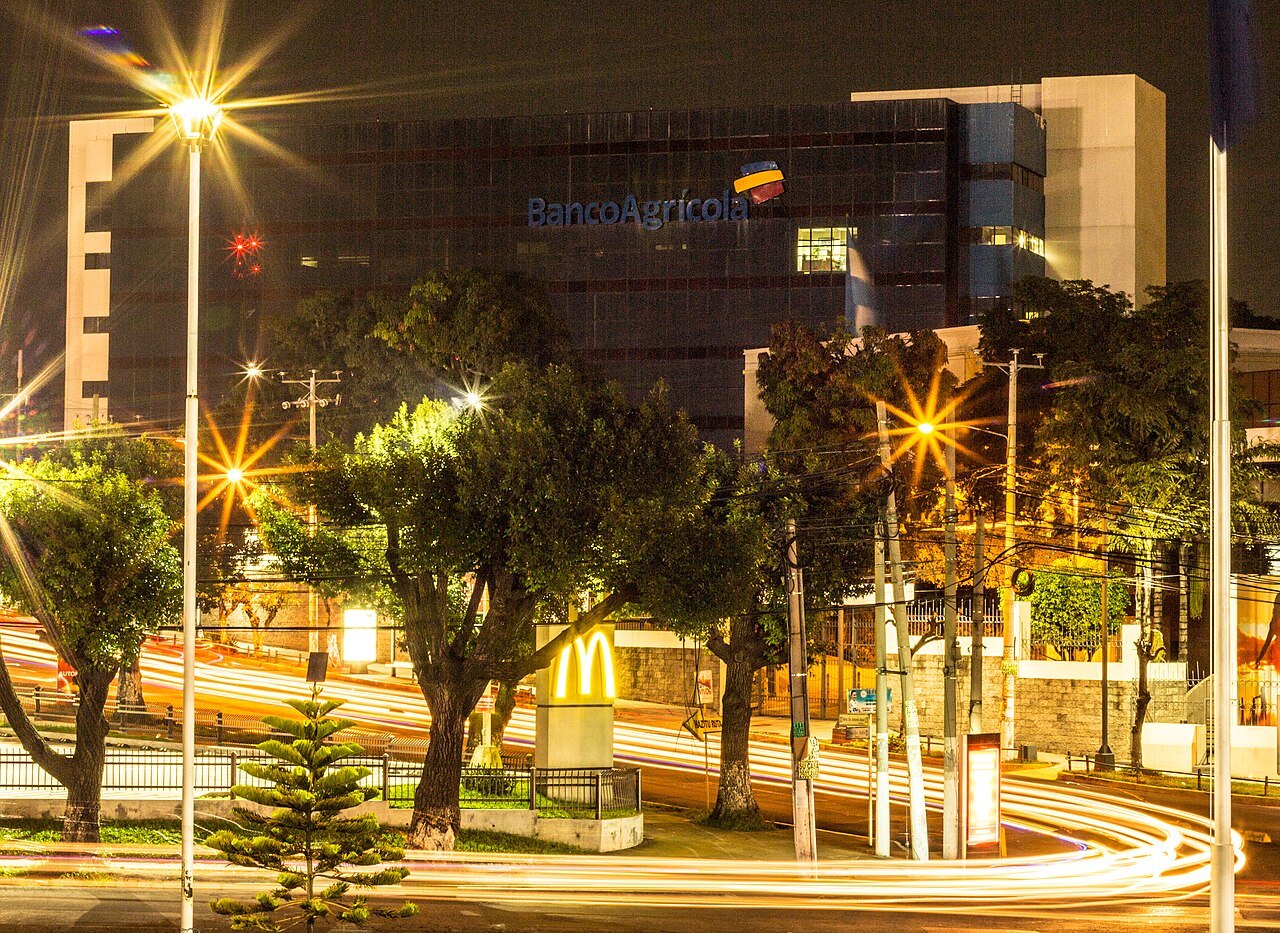
In El Salvador the group owns Banco Agrícola, bought outright in 2007 and known locally as Bancoagrícola. El Salvador uses the US dollar, so the bank’s loan book of about US$4.9 billion needs no conversion.
In Guatemala it owns Banco Agromercantil, known as BAM, which it bought in two steps between 2012 and 2015. Guatemala uses its own currency, the quetzal, and the business is reported as Grupo Agromercantil.
Each foreign unit is small next to the Colombian bank. In the second quarter of 2026, Bancolombia earned 2.59 trillion pesos (about US$776 million) on a consolidated basis.
Banco Agrícola earned 110.7 billion pesos (about US$33 million) in the same quarter. Grupo Agromercantil in Guatemala earned 97.8 billion pesos (about US$29 million).
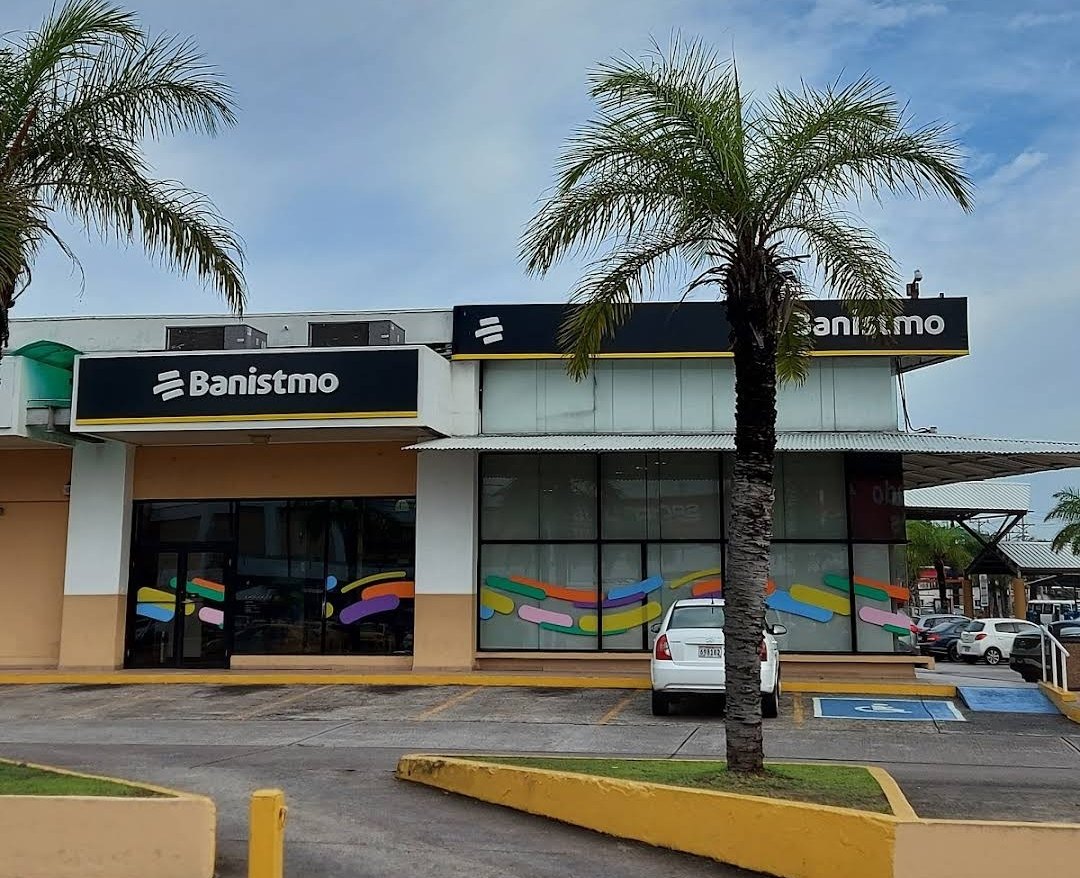
Panama, which also uses the US dollar, was home to the group’s fourth bank until mid-2026. On 30 June 2026 Grupo Cibest completed the sale of Banistmo, its Panamanian bank, for US$1.418 billion.
The buyer was Banco La Hipotecaria, a subsidiary of the Salvadoran financial group Inversiones Cuscatlán Centroamérica. Bancolombia had bought the business from HSBC in 2013 and renamed it Banistmo.
As Rio Times reported when the Banistmo sale closed, the group keeps an offshore Bancolombia branch in Panama. Banistmo kept its name and its more than 600,000 customers after the change of owner.
Live Company IntelligenceGrupo Cibest S.A. — the full investor dossier
Wall Street view
Valuation & profitability
Price & risk
$47.8652-wk high
$103.97
Revenue trend · 6y
Ownership
Dividend
How It Makes Money
Like most banks, Grupo Cibest earns mainly from the gap between what it charges borrowers and what it pays depositors. In second-quarter 2026 this net interest income rose 23.8 percent year on year, to 6.04 trillion pesos (about US$1.81 billion).
Bankers track this with the net interest margin, interest income minus funding costs as a share of earning assets. The group’s margin rose to 7.94 percent in the quarter, from 6.99 percent a year earlier.
Fees are the second engine. Net fees reached 1.37 trillion pesos (about US$411 million), led by insurance sales, payments, cards and deal structuring.
Most lending goes to companies rather than households. At the end of June 2026, commercial loans made up 65.5 percent of gross loans of 262.3 trillion pesos (about US$78.8 billion).
Consumer loans accounted for 20.4 percent and mortgages for 13.7 percent. Management expects faster growth in mortgages and consumer credit than in corporate lending in 2027.
Deposits, the main source of funding, totalled 271.0 trillion pesos (about US$81.4 billion) at the end of June 2026. Sight deposits, which customers can withdraw at any time, made up 57 percent of funding.
The Numbers
Grupo Cibest reported its results for the second quarter of 2026 on 10 August 2026. Net income was 2.73 trillion pesos (about US$820 million), up 52.4 percent year on year and 87.4 percent on the first quarter.
That gave an annualised return on equity of 28.7 percent, a measure of profit relative to shareholders’ capital. Management then raised its full-year target for that return to between 21 and 22 percent.
For the first half of 2026, net income reached 4.19 trillion pesos (about US$1.26 billion). Forbes Colombia put the increase at 18.6 percent compared with the first half of 2025.
Credit quality improved during the quarter. Provisions for bad loans fell 17 percent from the first quarter, and the annualised cost of risk was 1.56 percent of loans.
The balance sheet shrank after Banistmo left the group, with total assets down 6.7 percent from March. Total assets were 363.1 trillion pesos (about US$109 billion) and shareholders’ equity 38.1 trillion pesos (about US$11.4 billion) on 30 June.
The year 2025 looked very different on paper. Net income fell 39 percent to 3.82 trillion pesos (about US$1.15 billion), from 6.27 trillion pesos (about US$1.88 billion) in 2024.
The cause was a goodwill impairment of 3.4 trillion pesos (about US$1.02 billion) linked to the Banistmo sale. Goodwill is the premium paid above an acquisition’s book value, and it was cut to reflect the lower sale price.
Who Owns It and Who Runs It
Grupo Cibest has two classes of shares on the Colombian stock exchange in Bogotá. There are 508.5 million ordinary shares, which carry votes, and 436.2 million preferred shares, which do not.
In New York the stock trades under the ticker CIB, with each ADR representing four preferred shares. The company had 52,243 shareholders in March 2026, including pension funds, companies and private savers.
The largest shareholder is Grupo Sura, a Medellín-based investment group with interests in insurance and pensions. It holds about 235 million ordinary shares, roughly 46 percent of the votes and about a quarter of all shares.
The chief executive of Grupo Cibest is Juan Carlos Mora Uribe, a career banker at the group. He joined Bancolombia as a credit analyst in 1991 after studying business administration at EAFIT University in Medellín, Cambio reported.
In August 2026 the company proposed an extraordinary dividend of 1.2 trillion pesos (about US$360 million), put to shareholders on 26 August. It amounted to 1,271 pesos (about US$0.38) per share and drew on capital freed by the Banistmo sale.
Mora told Forbes Colombia the payout returned profits to shareholders “while preserving the financial strength needed to keep growing”. The group also runs a share buyback of up to 1.35 trillion pesos (about US$405 million), approved in March 2026.
Nequi and the Digital Push
Nequi, launched by Bancolombia in 2015, is a mobile wallet for opening an account, sending money and borrowing by phone. It had 28.8 million accounts at the end of June 2026, of which 23.5 million were active.
On 1 September 2026 Nequi began operating as a separate financing company within Grupo Cibest, outside Bancolombia itself. The Superintendencia Financiera supervises it, and Fogafín covers its users’ deposits.
Nequi lends small sums, from 50,000 pesos (about US$15) to 5,550,000 pesos (about US$1,670), over 1 to 48 months. Existing loan terms did not change with the split, as Rio Times explained for Nequi borrowers.
Nequi’s loan book reached 2.2 trillion pesos (about US$661 million) at the end of June 2026. Deposits held in the app reached 7.6 trillion pesos (about US$2.28 billion).
In 2026 the group bought all of Avista, a fintech that lends to pensioners and workers through payroll deductions, known as libranza. Rio Times reported that Avista had an active loan book of about 1.5 trillion pesos (about US$450 million) in June 2026.
Banks and Colombian Politics
Because Bancolombia is so large, it sits at the centre of debates over credit, interest rates and the role of private banks. Those debates sharpened under the left-wing president Gustavo Petro, who left office in August 2026.
Petro repeatedly floated forced investment, a rule obliging banks to channel part of their lending into sectors chosen by the state. In February 2026 he told critics, as the Cartagena daily El Universal reported, that forced investment “has been law since 1962”.
In 2024 Juan Espinal, a congressman for the right-wing Centro Democrático party, accused Petro of generating “economic panic”, La FM reported. He said the president always presented himself as “an enemy of business owners”.
Independent analysts also raised doubts. In Portafolio in 2024, Camilo Herrera, founder of the consultancy Raddar, called forced investment “good at heart, but dangerous for everyone”.
The political wind changed on 7 August 2026, when the right-wing Abelardo de la Espriella took office as president. His finance minister, Miguel Gómez Martínez, has pledged to respect the independence of the central bank.
Gómez has also said that business needs to be freed from the constraints that stop it from growing. De la Espriella faces a fragmented Congress, so new banking rules need support beyond his own movement.
What It Means for Foreigners and Investors
For foreigners living in Colombia, the bank’s reach matters most. Bancolombia said in January 2025 that it processes about 70 percent of the transactions in Colombia’s financial system, Valora Analitik reported.
For investors, the simplest route is the CIB receipts in New York, which are priced in US dollars. Their value still depends on the peso, because the group earns and reports mostly in Colombian currency.
The peso has swung sharply in 2026, as the Rio Times coverage of its rally showed. The official rate stood at 3,440.83 pesos per dollar on 1 July and about 3,330 in late September.
The main risks come from Colombia itself. The central bank kept its policy rate at 12 percent in a split 4-3 vote on 31 July 2026.
Annual inflation stood at 6.33 percent in August, more than double the 3 percent target. High rates support bank margins, but they can also push more borrowers into arrears.
Public finances are a second worry, with a fiscal deficit that Grupo Cibest put at about 6.5 percent of gross domestic product. S&P Global and Fitch both rate Colombia’s government debt at BB, below investment grade.
Concentration is a third risk. With Banistmo gone, the group depends even more heavily on its Colombian bank.
What to Watch
The first test is whether the strong margins of 2026 last. Management expects a full-year net interest margin of 7.4 to 7.6 percent, below the second-quarter level.
The second is Nequi’s life as a separate company. Its loan book grew 14 percent in the second quarter, and the question is whether bad loans stay under control.
The third is policy under de la Espriella, whose government inherits high debt and a central bank still fighting inflation. Any new rules on credit, bank taxes or interest-rate caps would matter most for the largest lender.
Capital is the last thing to watch after the Banistmo sale. Management expects Bancolombia’s stand-alone solvency ratio, a measure of capital strength, to reach 15.3 percent by year end.
As of September 2026, it is not clear how fast the peso, inflation and interest rates will settle under the new government. Those three numbers will drive Bancolombia’s margins, its bad loans and its returns in dollars.
Frequently Asked Questions
Is Bancolombia the same as Grupo Cibest?
No. Grupo Cibest is the holding company created in May 2025, and Bancolombia is its main bank. Shareholders swapped their Bancolombia shares one for one.
Is Bancolombia listed on the New York Stock Exchange?
Yes, through Grupo Cibest’s American depositary receipts under the ticker CIB. Each receipt represents four preferred shares, which carry no voting rights.
Who owns Bancolombia?
Grupo Cibest owns all of Bancolombia. Grupo Cibest’s largest shareholder is Grupo Sura, with about 46 percent of the voting shares.
What is Nequi?
Nequi is a mobile wallet launched by Bancolombia in 2015. Since 1 September 2026 it has operated as a separate financing company within Grupo Cibest.
Does Bancolombia still own Banistmo in Panama?
No. Grupo Cibest sold Banistmo for US$1.418 billion, and the sale closed on 30 June 2026.
How much did Grupo Cibest earn in 2026?
In the first half of 2026 it earned 4.19 trillion pesos (about US$1.26 billion). Second-quarter profit alone was 2.73 trillion pesos (about US$820 million).
This article was produced by The Rio Times’ automated newsroom system. How we use AI · Report an error
In depth
LatAm Markets: Live Signals → — real-time movers, turnover leaders and FX across Latin America.
Read More from The Rio Times