
Politics: Colombia
Colombia’s former president Gustavo Petro has been told to take down 12 posts in which he accused the national registrar who runs the country’s elections of fraud. The Council of State, Colombia’s highest court for disputes with the government, made its ruling public on Tuesday 17 November 2026.
The case matters to readers in the US because Colombia is a key US partner on drugs and trade. It also draws a line on how far a head of state may accuse election officials without objective evidence, as the court judged.
No reply from Petro was reported in the outlets we checked as of Wednesday 18 November 2026. The court itself stressed that it did not decide whether fraud occurred in the 2026 presidential election.
Key Facts
- Who. Gustavo Petro, Colombia’s former president, must delete posts accusing registrar Hernán Penagos of fraud.
- What. The Council of State, Colombia’s top court for state disputes, ordered 12 posts on X removed.
- When. Made public on Tuesday 17 November 2026; removal is due within five days of notification.
- As of Wednesday 18 November 2026, 6:30 p.m. GMT
- Power Index Colombia ranks 6th of 14 in The Rio Times Latin America Power Index, with 51.1 points (November 2026 edition).
A Colombian court has told its former president to delete accusations of electoral fraud against the national registrar, while stressing that it did not judge the election itself.
The Big Picture
Petro left office on 7 August 2026, when the new government of President Abelardo de la Espriella took over. The 12 posts at issue were published on X between 2 June and 5 August 2026, while Petro was still in power.
Petro also made statements on the same accusations at a Council of Ministers meeting, the cabinet session, on 14 July 2026. Semana, a Colombian news magazine, quoted one statement the court wants removed on 17 November 2026: “No entregaron los escrutinios de claveros del voto en el exterior, muchísimo el de Estados Unidos, porque ahí está el fraude”, a claim about overseas vote counts, including those cast in the United States.
On 6 August 2026 Penagos asked Petro to rectify and received no reply, Infobae, a Colombian news site, and Portafolio, a Colombian business daily, reported on 17 and 18 November 2026. Penagos then filed his tutela, and the court admitted it on 30 September 2026, Publimetro, a Colombian daily, reported on 5 October 2026.
After the admission, Petro wrote on X, as Publimetro reported on 5 October 2026, that the matter “is in the hands of the courts”. The ruling came about seven weeks later.
What We Know
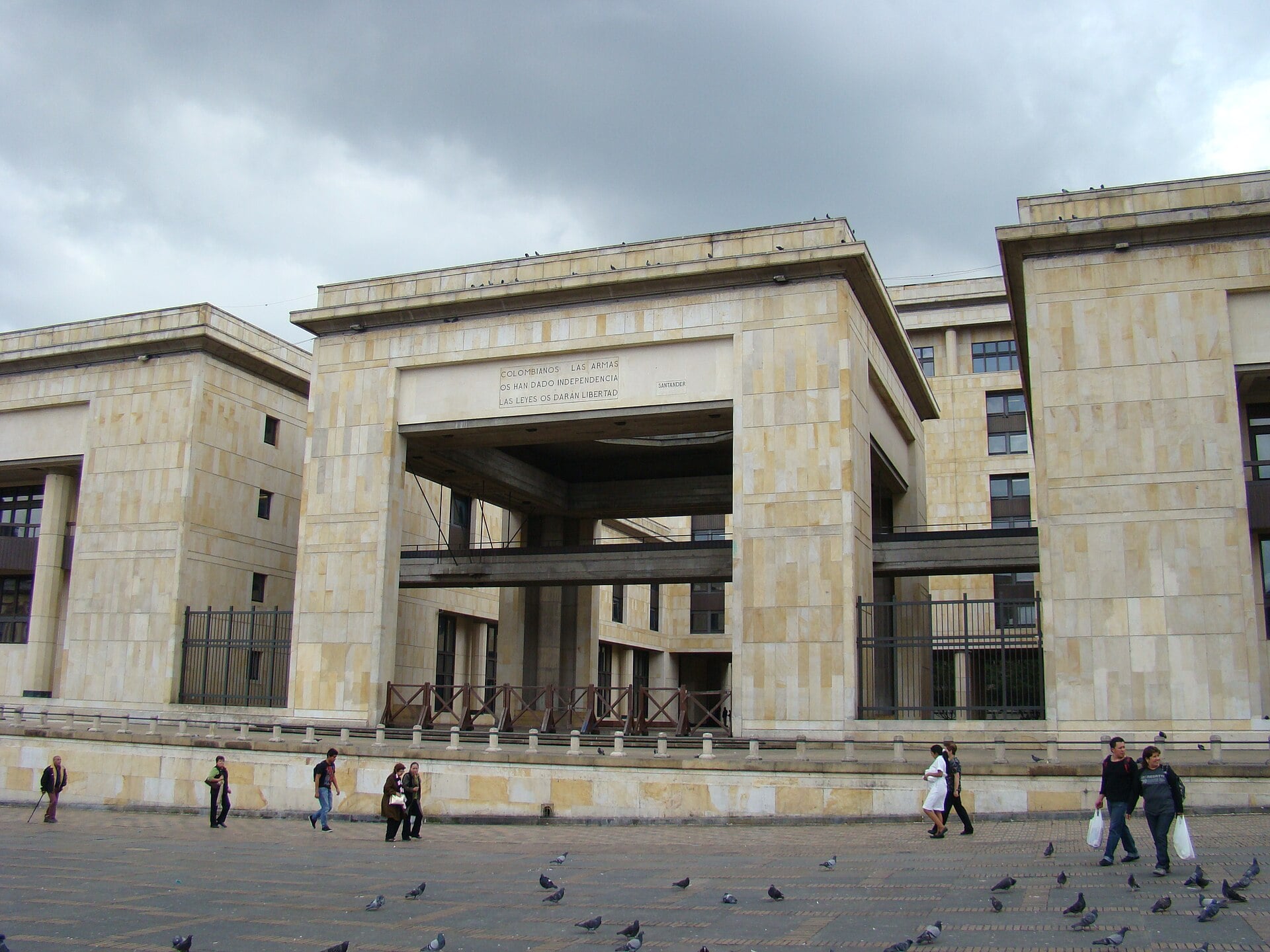
The ruling came from Section Three, Subsection C, of the Council of State. Judge Nicolás Yepes Corrales was the rapporteur, the judge who drafts the decision, Infobae reported on 17 November 2026.
The court protected Penagos’s rights to honour and good name, and the good name of the Registraduría, the body that runs Colombian elections. It ordered Petro to remove the 12 posts from his X account within five days of notification.
Petro must also remove, from any social network or medium he runs, the statements made at the Council of Ministers on 14 July 2026. Semana reported that he may not again accuse Penagos or the Registraduría of electoral fraud or crimes unless a final judicial decision backs it.
Infobae said the order does not stop Petro from criticising the electoral process or the registrar’s management. He may still give political opinions, report irregularities and take part in legal proceedings.
Infobae and Portafolio reported the court’s reasons. The posts presented crimes and fraud as fact without objective evidence, and no electoral or judicial authority has declared fraud.
The court said a president carries reinforced duties of truthfulness and verification. Portafolio added that leaving office on 7 August 2026 does not remove responsibility for earlier statements.
Petro’s defence cited his criminal complaint of 13 October 2026 to the Fiscalía, the prosecutor’s office, as support for the posts, Infobae reported. The court replied that the complaint does not prove the accusations, because it came months after the posts.
Why It Matters
The ruling sets limits on what an ex-president may say about the body that runs elections, in a country that is a key US partner on drugs and trade. President Abelardo de la Espriella now governs after an election in which Petro alleged fraud.
What to Watch
The first checkpoint is the five-day deadline, which runs from notification of the ruling; the date of notification is not confirmed. The second is a possible appeal, or a possible review by the Constitutional Court if no appeal is filed; that date is not confirmed either.
What Is Not Known
It is not known whether Petro will comply or appeal, or when he was notified. The exact signing date also differs by outlet, because Portafolio gives 30 October 2026 while other outlets say the ruling became public on 17 November.
Outlets differ on the count: most say 12 posts, Portafolio says 13, and reports on the admission said 14. None quotes the ruling text, and we have not read it ourselves. The full list of the 12 posts, the Registraduría’s response and the court that would hear an appeal are also unknown.
What It Means for You
For readers in the US, this is a domestic Colombian ruling with no direct effect on trade or travel. Its relevance lies in a key US partner, where a court has applied an evidence test for fraud claims against election officials.
In Plain English
- Council of State: Colombia’s highest court for disputes with the government.
- Tutela: a fast legal action to protect a basic constitutional right.
- Registraduría: the national body that runs Colombian elections; Hernán Penagos is its head.
- Fiscalía: Colombia’s prosecutor’s office, where Petro filed a criminal complaint.
- Constitutional Court: the court that may review the ruling if it is not appealed.
Frequently Asked Questions
Why must Petro delete the posts?
The court found the posts presented fraud and crimes as fact without objective evidence. It said a president has reinforced duties of truthfulness and verification, and that leaving office does not remove responsibility for earlier statements.
Can Petro still criticise elections?
Yes. Infobae reported that the order does not stop him criticising the electoral process or the registrar’s management, giving political opinions, reporting irregularities or taking part in legal proceedings.
Did the court rule on fraud in the 2026 election?
No. The court said it did not decide whether fraud occurred in the 2026 presidential election. It added that no electoral or judicial authority has declared fraud.
Can Petro appeal the ruling?
It is a first-instance ruling. Infobae reported that it goes to the Constitutional Court for possible review if not appealed; who hears an appeal, and the deadline, are not known.
Sources
Infobae, 17 November 2026 · Semana, 17 November 2026 · Vanguardia, 18 November 2026 · Portafolio, 18 November 2026 · Vanguardia, 5 October 2026 · Publimetro, 5 October 2026
Related Coverage
Colombia news · Petro and De la Espriella clash over the deficit · Who is Abelardo de la Espriella · Colombia’s 85 extraditions under De la Espriella
This article was produced by The Rio Times’ automated AI newsroom. Editorial responsibility: Matthias Camenzind, Publisher and Editor-in-Chief. The Rio Times also runs Ask Rio Times, which answers from 100,000+ of our own articles, the daily Latin America Power Map, and prediction-market odds on elections and markets.. How we use AI · Report an error