
SURINAME · HISTORY
Key Facts
- What is happening Jennifer Geerlings-Simons became Suriname’s first woman president on 16 July 2025, fifty years after independence from the Netherlands.
- Why it matters Dutch rule, slavery and contract labour made Suriname a very mixed society, and a 1980 coup still shapes its politics.
- The numbers Dutch rule began in 1667 and ended on 25 November 1975. Slavery ended on 1 July 1863.
- Who is who Maroons descend from enslaved people who escaped into the forest; Hindustani and Javanese families descend from Asian contract workers.
- What to watch First oil from the US$10.5 billion GranMorgu offshore project is expected in 2028, so watch for production milestones.
- What it means for you A Houston oil company, APA Corporation, held half of the biggest oil project at its 2024 decision, linking this history to US investors.
Suriname is a small country on South America’s northern coast whose people came from four continents. This guide walks through its history, from the first inhabitants to independence, a coup, civil war and oil.
Suriname history is the story of a small country shaped by Indigenous peoples, Dutch planters, enslaved Africans and Asian contract workers. It became independent on 25 November 1975 and now expects its first offshore oil in 2028.
This guide follows that past in order, as of November 2026. More sits on the Rio Times Suriname page, in Suriname Explained 2026, the culture pillar and the politics pillar.
Suriname History in Brief
The list below gives the turning points, and the sections after it give the detail. Each date was checked against official or archive records.
- Before 1651: Indigenous peoples live along the coast and in the southern forests.
- 1651 and 1667: British planters found the first lasting colony, and a Dutch fleet seizes it in 1667.
- 1760 to 1767: the colonial government signs peace treaties with three Maroon peoples who had escaped slavery.
- 1 July 1863: slavery is abolished, followed by ten years of state supervision of freed people.
- 1853 to 1939: contract workers arrive from China, British India and Java.
- 25 November 1975: Suriname becomes independent after self-government from 1954.
- 1980 to 1991: a coup, the killings of December 1982, a war in the interior and the return of elections.
- 2010 to 2025: Bouterse is elected president, Chan Santokhi follows in 2020, and Geerlings-Simons in 2025.
Indigenous Peoples and the Dutch Colony
Indigenous peoples lived in the land now called Suriname long before any European ship arrived. Their descendants still live along the rivers and in the southern forests, and they press the state for land rights.
The first lasting European settlement came in 1651, founded by British planters with enslaved people. In 1667 a Dutch fleet seized the colony, and the Netherlands kept it in exchange for New Amsterdam, now New York.
From 1683 a company called the Society of Suriname ran the colony as a plantation economy. UNESCO, the UN culture agency, dates the street grid of Paramaribo to that year and Fort Zeelandia to 1667.

Slavery, Maroons and Contract Workers
The plantations ran on the forced labour of enslaved Africans, and many escaped into the forest. Those who settled in the interior became the Maroons, who built societies of their own.
Colonial authorities signed peace treaties with the Ndyuka in 1760, the Saamaka in 1762 and the Matawai in 1767. The treaties let the Maroons live in the interior and keep their own governance, religion and culture.
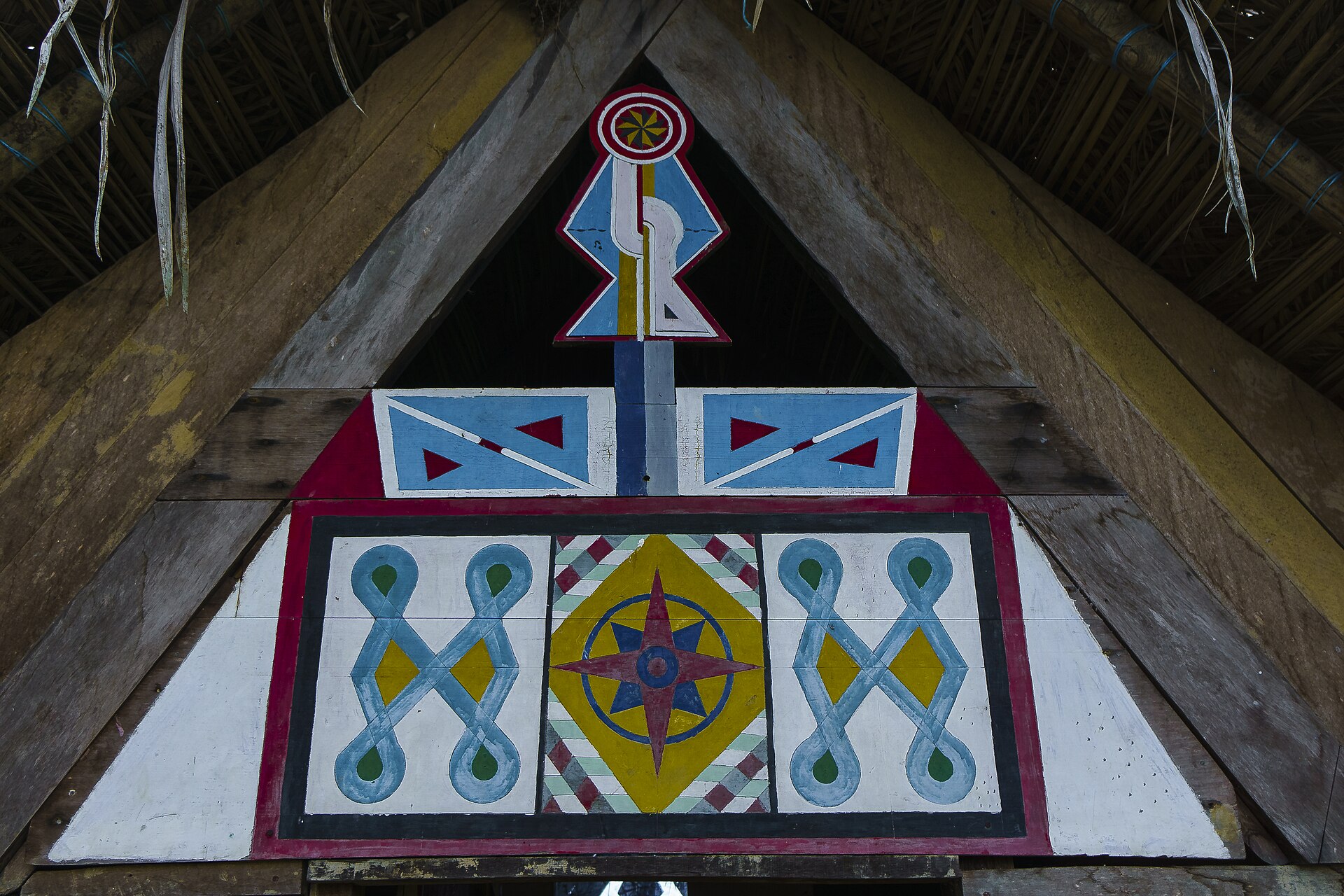
The Netherlands abolished slavery in Suriname on 1 July 1863, but freed people stayed under state supervision for ten years. The day is remembered each year as Keti Koti.
Planters then recruited contract workers, first from China and Madeira from 1853. About 34,000 more came from British India between 1873 and 1916, and about 33,000 from Java between 1890 and 1939.
Many stayed after their contracts ended, and their descendants are today’s Hindustani (Indian-descended) and Javanese communities. They live beside Chinese, Creole (of mixed African and European descent) and Maroon communities in one small country.
Independence, Coup and the Interior War
Suriname gained universal suffrage in 1948 and self-government within the Dutch kingdom in 1954. The US company Alcoa had begun mining bauxite, the ore of aluminium, in 1916.
In the 1960s the Afobaka dam on the Suriname River was built to power an aluminium smelter. The Nieuwe Instituut, a Dutch design institute, says its reservoir flooded about 43 villages of Saramaka and Ndyuka Maroons.
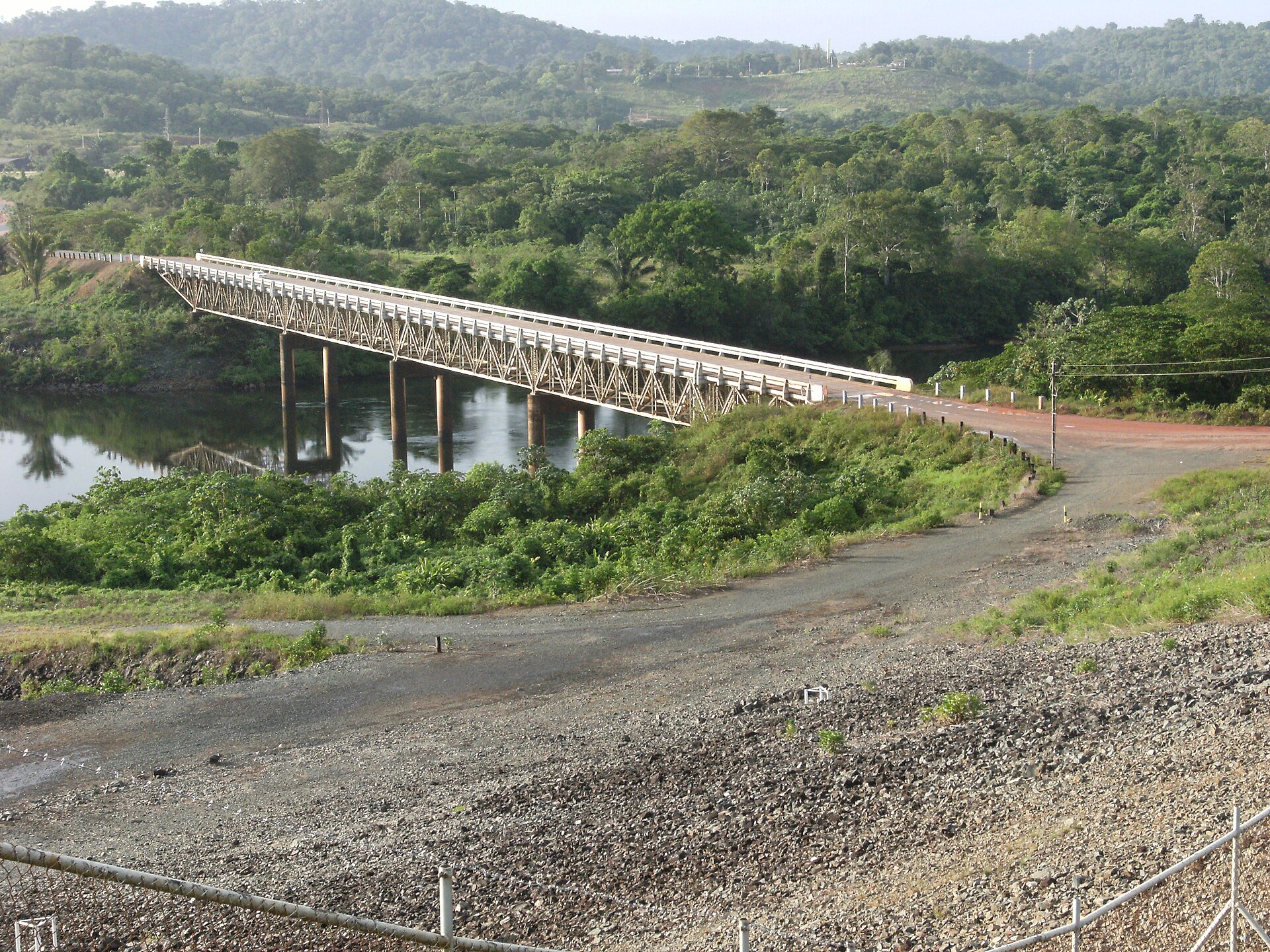
Suriname became independent from the Netherlands on 25 November 1975, with Johan Ferrier as president and Henck Arron as prime minister. On 25 February 1980 army officers led by Dési Bouterse overthrew Arron’s government.
In December 1982 soldiers abducted 16 government critics, including lawyers and journalists, and killed 15 at a fortress in Paramaribo. A trial over the killings began in 2007 and ended with a conviction in 2019.
From 1986 the Jungle Commando, a Maroon rebel group led by Ronnie Brunswijk, fought the army in the interior. The Inter-American Court of Human Rights found that state agents killed at least 39 people at Moiwana village on 29 November 1986.
The Court, a regional human rights tribunal, ruled against Suriname on 15 June 2005. It counted at least 200 civilians, mostly Maroons, killed in army operations in 1986 and 1987.
Elections, Bouterse and the Road to Oil
Civilian government returned after elections in November 1987, but the army seized power again in December 1990. Ronald Venetiaan became president after the 1991 elections.
Bouterse returned as an elected leader and was chosen president in 2010 and again in 2015. He had led the 1980 coup, and the case over the 1982 killings stayed open until 2019.
On 29 November 2019 a military court sentenced Bouterse to 20 years for the December 1982 killings. He denied the charges, and he died in December 2024 at the age of 79.
Chan Santokhi was chosen president by parliament in July 2020. In the elections of May 2025 no party won a majority, and parliament chose Jennifer Geerlings-Simons on 6 July 2025.
Geerlings-Simons leads the National Democratic Party and was sworn in on 16 July 2025 as the first woman president. The World Bank counts about 640,000 people in Suriname in 2025.
On 1 October 2024 TotalEnergies, a French oil company, approved the US$10.5 billion GranMorgu offshore project, with first oil expected in 2028. APA Corporation, a Houston oil company, held 50% then, and Staatsolie, the state oil company, announced an option for 20%.
The Dutch government apologised for its role in slavery on 19 December 2022, and King Willem-Alexander did so on 1 July 2023. He visited Suriname from 1 to 3 December 2025, the first visit by a Dutch head of state in 47 years.
UNESCO describes Paramaribo’s historic centre as mainly wooden buildings that blend Dutch and other European styles with local influences. The same mixing shows in the communities who share the country today.
What It Means for US Readers
Suriname’s past explains a present that US investors follow, because APA Corporation held half of GranMorgu in 2024. Oil money is expected from 2028, in a country that depends on a single large project.
The history also shows why the army, old leaders and the Dutch link still matter in politics. Travellers will find Paramaribo’s historic centre, a UNESCO World Heritage site since 2002, but should check the State Department advisory before booking.
First oil is still about two years away. Any revenue forecast for Suriname therefore remains a projection until the offshore platform starts producing.
What Is Not Known
The total number of Africans brought to Suriname is not settled, and the counts of Indian and Javanese workers are estimates. The ethnic shares of the latest census were not re-checked for this guide.
The legal status of the December 1982 case after Bouterse’s death was not confirmed. The terms of any Dutch programme on the legacy of slavery had not been published in the documents checked.
Staatsolie’s final stake in GranMorgu was not confirmed, and no official start date beyond the 2028 target is known. No prediction market on Suriname with real trading was found for this guide.
Frequently Asked Questions
When did Suriname become independent?
Suriname became independent from the Netherlands on 25 November 1975. Johan Ferrier was its first president and Henck Arron its first prime minister.
Who ruled Suriname before independence?
The Dutch ruled Suriname from 1667, after taking it from the English. In 1954 it gained self-government within the Dutch kingdom.
When was slavery abolished in Suriname?
Slavery ended on 1 July 1863. Freed people had to work under state supervision for ten more years.
Who are the Maroons of Suriname?
Maroons are descendants of Africans who escaped slavery and built their own communities in the interior. They signed peace treaties with the colonial government in 1760, 1762 and 1767.
What happened in Suriname in 1980?
Army officers led by Dési Bouterse overthrew the elected government on 25 February 1980. In December 1982, 15 government critics were killed at a fortress in Paramaribo.
Who is the president of Suriname in 2026?
Jennifer Geerlings-Simons of the National Democratic Party has been president since 16 July 2025. She is the first woman to hold the office.
When will Suriname produce offshore oil?
TotalEnergies and APA Corporation expect first oil from the GranMorgu project in 2028. The project costs about US$10.5 billion and targets 220,000 barrels a day.
Sources: TotalEnergies, GranMorgu final investment decision (1 October 2024); World Bank, population of Suriname (2025); UNESCO, Historic Inner City of Paramaribo (World Heritage, 2002); Government of the Netherlands, apology for slavery (19 December 2022); Royal House of the Netherlands, state visit to Suriname (1 to 3 December 2025); Inter-American Court of Human Rights, Moiwana Community v. Suriname (judgment of 15 June 2005); Nieuwe Instituut, Afobaka dam (all accessed 4 November 2026).
This article was produced by The Rio Times’ automated newsroom system. How we use AI · Report an error · Editorial responsibility: Matthias Camenzind, Editor-in-Chief
Expat Guide to Suriname
What The Rio Times publishes for foreigners who live in or move to Suriname.
Start here
- Suriname Bank Account for Foreigners 2026: Banks, Documents and Dollars
- Taxes in Suriname for Expats: Rates, Residency and the Guilder Question
- Healthcare in Suriname for Expats: Paramaribo Hospitals, Insurance and the Dutch Link
- Suriname Visa and Residency 2026, Fees, Permits, Timelines
Understand Suriname