
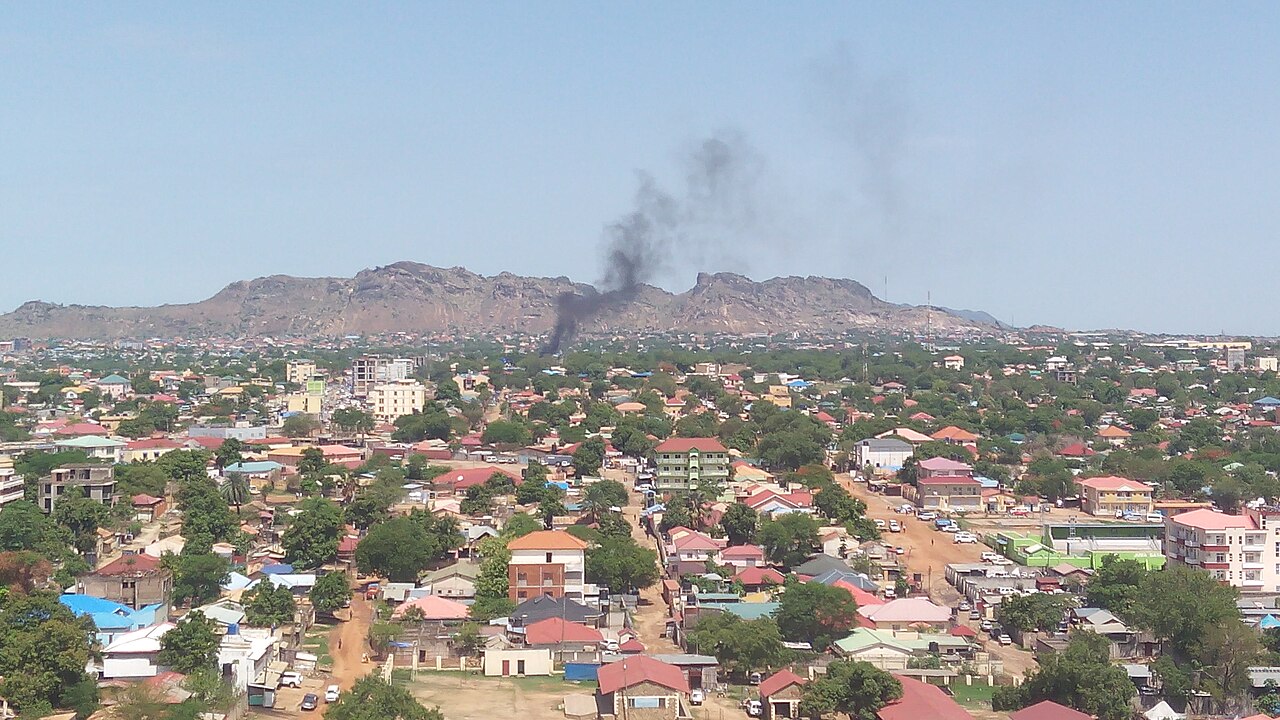
South Sudan plans to build a temporary centre in its capital, Juba, for citizens returning home from Egypt. The Ministry of Humanitarian Affairs and Disaster Management made the plan public this week.
Separately, the cabinet approved more than US$26.5 million on 4 September for the emergency return of these citizens. For readers outside Africa, the plan shows how one government organises a large return from a neighbouring country.
Key Facts
- What South Sudan plans a temporary reception and rehabilitation centre in Juba for citizens returning from Egypt.
- Who Caretaker (interim) Humanitarian Affairs Minister Peter Mayen Majongdit signed a deal with China’s Bai Chuan construction company.
- Money The cabinet approved more than US$26.5 million on 4 September for repatriation and reintegration.
- Unknown The centre’s cost, capacity, site and timeline have not been announced.
- As of 18 November 2026
South Sudan is preparing to receive citizens returning from Egypt. The announcement rests on the minister’s own statement, and key details remain open.
The Big Picture
The plan built up in stages over about ten weeks. The cabinet approved the money on 4 September, the embassy in Cairo opened registration for voluntary returns, and the ministry made the Juba centre public this week.
South Sudan’s Council of Ministers (the cabinet), chaired by President Salva Kiir Mayardit, approved more than US$26.5 million on 4 September for emergency repatriation and reintegration. The money covers transport, travel documents, coordination with Egyptian authorities, reception arrangements and assistance.
The South Sudanese embassy in Cairo is registering citizens who wish to return voluntarily. The government targets about 20,000 vulnerable people, and an earlier embassy estimate puts more than 100,000 South Sudanese in Egypt.
The record is silent on why people are choosing to return. The embassy describes the registration as voluntary, and the ministry has given no reasons for the returns.
What We Know
The ministry said, in a statement made public this week, that Minister Majongdit signed an agreement with China’s Bai Chuan Water Conservancy and Electric Power Construction Company Limited. The company will build a temporary reception and rehabilitation centre in Juba.
The minister told state media that returnees would receive temporary accommodation and reintegration support before moving to their communities. Those communities lie across the country’s ten states and three administrative areas.
He said the centre will also serve internally displaced people, who are uprooted inside their own country. It will also serve refugees and future returnees from other countries.
“The company has agreed to construct facilities that will be used for the reception and integration of South Sudanese nationals returning from Egypt,” the minister told state media. He said the centre would stand in Juba.
Why It Matters
The cabinet’s 4 September decision sets the scale of the effort. Divided by the 20,000 people the government targets, US$26.5 million comes to at least US$1,325 per person, our own arithmetic that assumes the whole sum is spent on that group.
The government says the effort targets about 20,000 vulnerable people. The full list of priority groups has not been published.
Returnees will arrive in a country whose first election, now planned for 11 February 2027, is still ahead. A reception centre in Juba gives the state a fixed place to register and assist people before they travel on.
Food, health and shelter needs rise when many people arrive at once, so a fixed reception point matters to aid agencies. The International Organization for Migration (IOM, the UN migration agency) is expected to support the voluntary return.
What to Watch
The date for the start of construction is not confirmed. The date of the first flights for registered returnees is also not confirmed.
What Is Not Known
The ministry has not said what the centre will cost, how many people it can hold, or where in Juba it will stand. It has also not given a timeline or named the funding source for the building.
It is unclear whether the US$26.5 million approved on 4 September covers the centre. The ministry has also not said how many of the 20,000 targeted people have registered so far.
Frequently Asked Questions
Why is South Sudan building a centre in Juba?
The ministry says the centre will give returnees from Egypt temporary accommodation and reintegration support. It will also serve displaced people, refugees and future returnees from other countries.
Who is building it?
The ministry said that China’s Bai Chuan Water Conservancy and Electric Power Construction Company Limited agreed to build it. The announcement rests on the minister’s own statement.
How much money has been approved?
The cabinet approved more than US$26.5 million on 4 September for emergency repatriation and reintegration. It has not said whether this covers the Juba centre.
How many South Sudanese live in Egypt?
An earlier embassy estimate puts the number above 100,000, about 57,000 of them registered refugees with UNHCR, the UN refugee agency. The government targets about 20,000 vulnerable people for return.
Sources: South Sudan Ministry of Humanitarian Affairs and Disaster Management (statement of November 2026); South Sudan Embassy in Cairo; Council of Ministers decision of 4 September 2026; UNHCR.
This article was produced by The Rio Times’ automated AI newsroom. Editorial responsibility: Matthias Camenzind, Publisher and Editor-in-Chief. The Rio Times also runs Ask Rio Times, which answers from 100,000+ of our own articles, the daily Latin America Power Map, and prediction-market odds on elections and markets.. How we use AI · Report an error
Horn of Africa and the Red Sea
- Horn of Africa 2026: Why It Matters and Who Backs Whom
- Ethiopia’s Neighbors Explained, Ports, Eritrea, Somalia
- Eritrea Explained 2026, a Red Sea Country Guide
- Somalia Explained: Al-Shabaab, Somaliland, the Ports and the Fight Over a 2026 Vote