
Trade: Egypt and India
Egyptian Prime Minister Mostafa Madbouly and India’s Commerce Minister Piyush Goyal agreed on Monday 16 November 2026 to aim for US$12 billion in trade between their countries and to study a preferential trade agreement. They met at the cabinet headquarters in the New Administrative Capital, Egypt’s new government district east of Cairo.
Madbouly said trade stood at about US$6.6 billion in 2025, so the goal is roughly 80% above today’s level. A preferential trade agreement would lower tariffs on chosen goods, and the two sides have so far agreed only to study whether one is feasible.
Key Facts
- Who. Egyptian PM Mostafa Madbouly and India’s commerce minister Piyush Goyal, meeting in Egypt’s new capital.
- Target. US$12 billion in bilateral trade, against about US$6.6 billion in 2025.
- Investment. Indian firms have invested about US$4.5 billion in Egypt, mostly in chemicals and petrochemicals.
- Next. A feasibility study of a preferential trade deal and new working groups; no dates set.
- As of 16 November 2026, 19:00 GMT.
Egypt and India want to lift trade to US$12 billion, but so far they have agreed only to study a tariff deal and set up working groups.
What the Two Governments Agreed
Goyal called the US$12 billion goal “a first step”, according to the Egyptian cabinet’s account of the meeting. He said both sides would pick priority sectors and form working groups in the coming months, followed by sector trade missions.
Egypt’s Minister of Investment and Foreign Trade, Mohamed Farid, said the working groups would draw on land set aside for an Egyptian-Indian investment zone, with plots to be shown during the joint trade committee’s ministerial meetings. Goyal is in Cairo for a session of the joint trade committee, a body of both governments that oversees trade talks, and for a business forum, the cabinet said.
Madbouly welcomed talks on an Indian industrial zone inside the Suez Canal Economic Zone (SCZone), a state-backed industrial and port area along the canal. He also pointed to cooperation between the Sovereign Fund of Egypt, the state investment fund, and India’s National Investment and Infrastructure Fund (NIIF), a government-backed infrastructure investor.
Where Trade and Investment Stand
Indian investment in Egypt totals about US$4.5 billion, the cabinet said, concentrated in chemicals and petrochemicals. Companies named were TCI Sanmar, Aditya Birla and Uflex, Indian chemicals, industrial and packaging groups.
India’s embassy in Cairo puts bilateral trade at US$6.5 billion in the Indian fiscal year 2025-26, which runs from April to March. Madbouly’s US$6.6 billion is a figure for 2025, so the two numbers may cover different periods.
Madbouly listed food security, information technology, pharmaceuticals, renewable energy, textiles, car making and chemicals as priority sectors. Goyal added Suez Canal ports, shipbuilding, railways, green hydrogen, tourism, museums and business mobility.
The Bigger Picture
Madbouly said ties moved to a strategic partnership in 2023. The goal itself is not new: an Egyptian press report of 18 March 2025 described Egypt’s then investment minister, Hassan El-Khatib, and Goyal setting US$12 billion as a five-year aim during a visit to India.
Egypt trades far more with China. Egyptian officials put trade with China at about US$20 billion, roughly three times the India figure, and Chinese investment in Egypt at more than US$10 billion.
Why It Matters
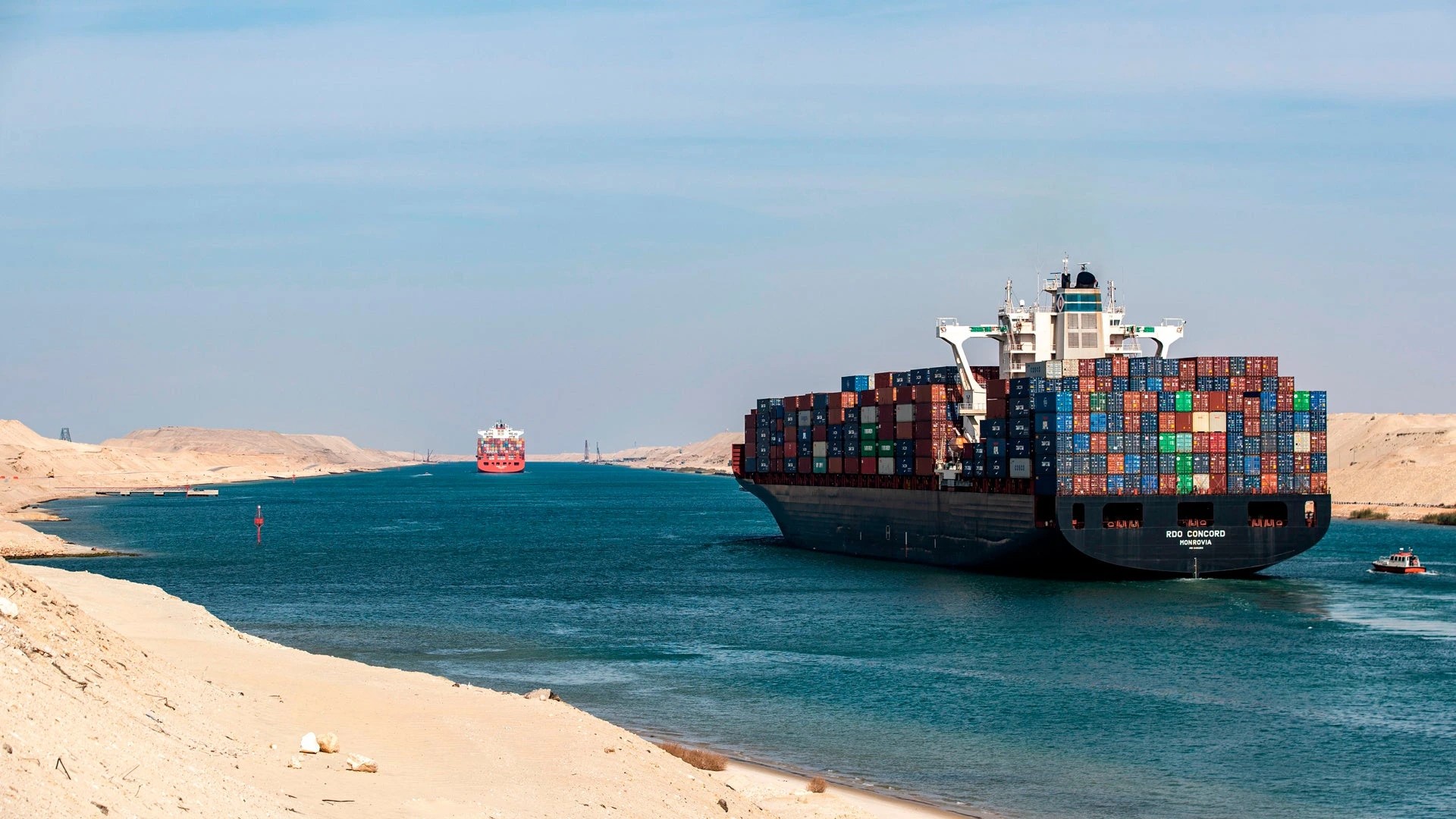
An Indian zone beside the Suez Canal would let firms make goods next to one of the main shipping routes between Asia and Europe, which is the logic of Egypt’s pitch. Indian groups already hold about US$4.5 billion of investment, the cabinet said, so the first test is whether new money follows.
Readers who follow Egyptian industry or Suez shipping can read more in our reports on Egypt’s chemical exports to India, the Russian industrial zone planned in the SCZone and Suez Canal revenue. More is on our Egypt page.
What Is Not Known
No date was given for the working groups, the trade missions or the feasibility study, and no text of a preferential agreement has been published. Trade figures differ by source and period, and we could not match the US$6.6 billion to a statistics office release.
Frequently Asked Questions
What did Egypt and India agree on 16 November 2026?
They set a goal of US$12 billion in bilateral trade and agreed to study a preferential trade agreement. Working groups and sector trade missions are to follow.
What is a preferential trade agreement?
It is a deal in which two countries cut tariffs on selected goods without a full free-trade area. Egypt and India have only agreed to study whether one is feasible.
How much has India invested in Egypt?
About US$4.5 billion, according to the Egyptian cabinet, mostly in chemicals and petrochemicals. Named investors include TCI Sanmar, Aditya Birla and Uflex.
Sources: Egyptian Cabinet of Ministers, statement on the Madbouly-Goyal meeting, 16 November 2026; Embassy of India in Cairo, India-Egypt relations.
This article was produced by The Rio Times’ automated AI newsroom. Editorial responsibility: Matthias Camenzind, Publisher and Editor-in-Chief. The Rio Times also runs Ask Rio Times, which answers from 100,000+ of our own articles, the daily Latin America Power Map, and prediction-market odds on elections and markets.. How we use AI · Report an error