SOUTH SUDAN · NEIGHBOURHOOD
Key Facts
- The country Landlocked South Sudan: 12.19 million people in 2025, independent from Sudan since 9 July 2011, with its capital in Juba.
- Land neighbours Sudan, Ethiopia, Kenya, Uganda, the Democratic Republic of Congo and the Central African Republic.
- Oil route Almost all its exports are crude oil, sent through a 1,368 km pipeline across Sudan that ruptured in February 2024.
- Refugees At the end of 2025, 1,033,579 South Sudanese refugees lived in Uganda, 634,954 in Sudan, 422,871 in Ethiopia and 202,772 in Kenya.
- Regional clubs Member of IGAD, the Horn and East Africa bloc, of the eight-state East African Community and of the African Union.
- Border flashpoint Abyei, claimed by both Sudan and South Sudan, saw drone strikes on Monday 19 October 2026 that killed more than 80 people.
- Next vote General elections are planned for December 2026, the first since 2010.
South Sudan neighbours six countries, and almost every one of them shapes its oil, its food, its refugees and its politics. This guide explains who they are, what each one means for Juba and why it matters to a US reader.
As of October 2026, elections are planned for December, and drone strikes killed over 80 people in Abyei.

South Sudan and Its Neighbours in Plain English
South Sudan is a landlocked country in East Africa with about 12.19 million people as of 2025. It became independent from Sudan on 9 July 2011, and its capital is Juba.
With no coast, South Sudan relies on its six neighbours for its sales, its shop stock and its refuge. The short guide below explains the names you will meet when reading about South Sudan neighbours.
- Juba: the capital, home to the government, the election commission and the embassies.
- UNMISS: the United Nations Mission in South Sudan, a peacekeeping force set up on 9 July 2011 to protect civilians and support the peace process.
- UNISFA: the UN Interim Security Force for Abyei, a separate peacekeeping force in the border area that Sudan and South Sudan both claim.
- IGAD: the Intergovernmental Authority on Development, a bloc of the Horn and East Africa with its secretariat in Djibouti.
- UNHCR: the UN refugee agency, whose counts at the end of 2025 are used in this guide.
- World Bank: the global development lender whose March 2025 economic report is the main source for the oil and trade figures here.
Who Borders South Sudan
South Sudan shares land borders with six countries, and each one pulls it in a different direction. The list below gives each neighbour’s population in 2025, as counted by the World Bank.
Among South Sudan neighbours, Ethiopia and Congo each have more than nine times as many people as its 12.19 million. Uganda, Kenya and Sudan each have more than four times its population.
- Sudan, to the north: 51.7 million people, and the country whose pipeline carries South Sudan’s oil.
- Ethiopia, to the east: 135.5 million people, and the host of 422,871 South Sudanese refugees.
- Kenya, to the south: 57.5 million people, and one of the two neighbours with which South Sudan runs large trade deficits.
- Uganda, to the south: 51.4 million people, and the entry point for most of South Sudan’s imports.
- Democratic Republic of Congo, to the south-west: 112.8 million people, and the country whose Ebola threat the UN mission watches closely.
- Central African Republic, to the west: 5.5 million people, the smallest of the six.
Sudan, the Neighbour That Controls the Oil Route
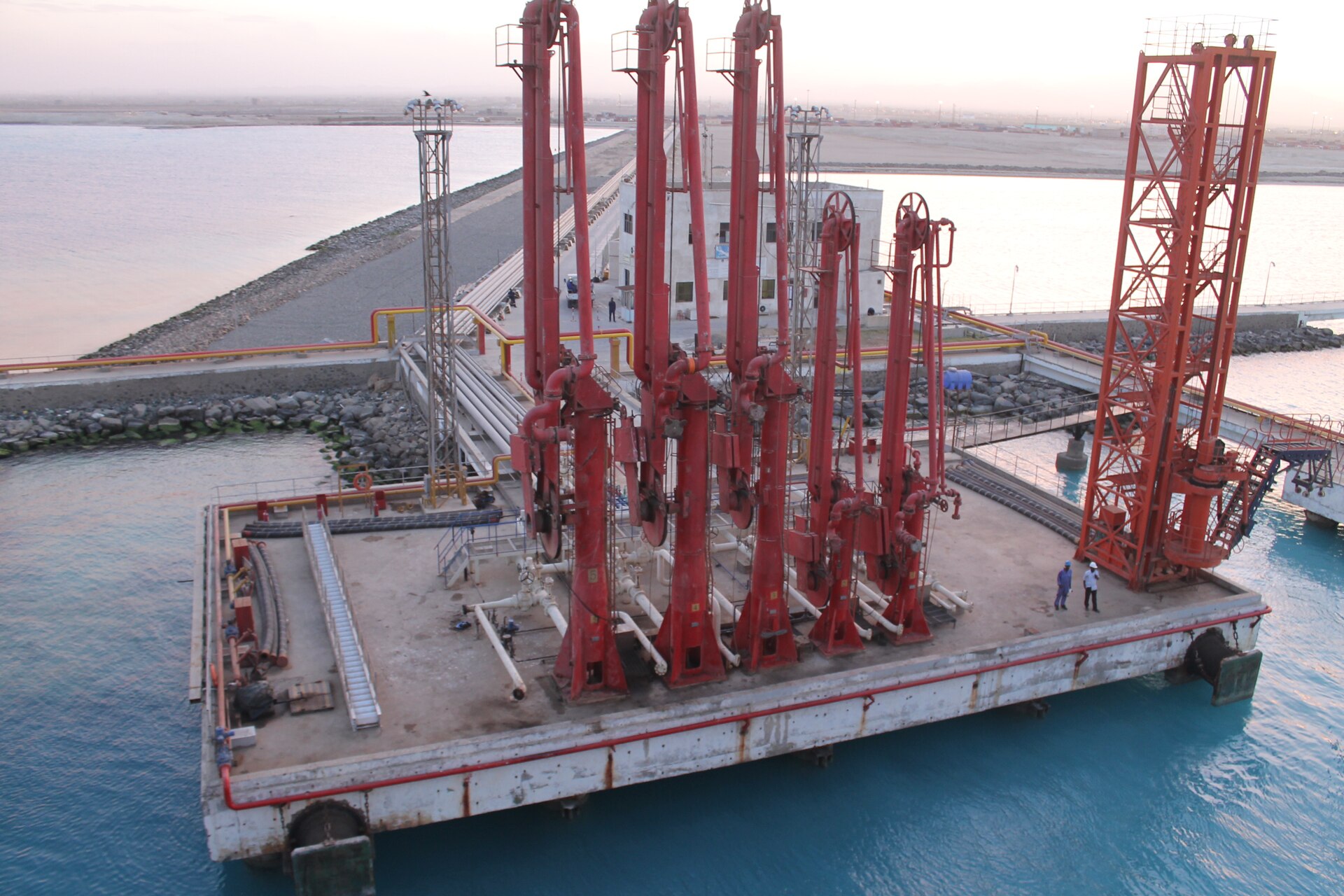
Almost all of South Sudan’s exports are crude oil, and much of it must cross Sudan to reach the sea. The Bashayer pipeline runs 1,368 kilometres from Upper Nile State to Port Sudan on the Red Sea.
Before it ruptured in February 2024, the pipeline carried about 95,000 barrels a day, or 65 percent of South Sudan’s output. The World Bank estimated losses of about US$7 million a day, and output fell from 144,000 to about 60,000 barrels a day.
More than half of South Sudan’s government revenue came from this one crude blend in 2023. When the flow stopped, public salaries fell into arrears, and as of mid-March 2025 the pipeline was still not operational.
The consortium running the fields behind the pipeline includes Nilepet of South Sudan, CNPC and Sinopec of China, and Petronas of Malaysia. For the wider story of Sudan’s war, read our report on the Geneva talks on Sudan.
Abyei, the Border Region Both Sides Claim
Abyei is a border area that Sudan and South Sudan both claim. The UN peacekeeping force UNISFA has guarded it since 2011.
The UN Security Council has repeated that Abyei must stay demilitarised, meaning free of all forces except UNISFA. UNISFA said violence at the Amiet Common Market on Tuesday 15 September 2026 killed 26 people and injured 82.
That violence followed the killings of a Ngok Dinka man and a Misseriya man on 14 and 15 September. The two men belonged to communities that live in the area, and UNISFA said the killings raised tensions.
On Monday 19 October 2026, drone strikes hit the area near Amiet Market and Todach. UNISFA said on 26 October that more than 80 people had been killed.
The UN Secretary-General asked the governments of Sudan and South Sudan to help prevent further attacks and to uphold Abyei’s demilitarised status. The Security Council called for a full, transparent and prompt investigation.
Uganda, Kenya and Ethiopia, the Trade Routes
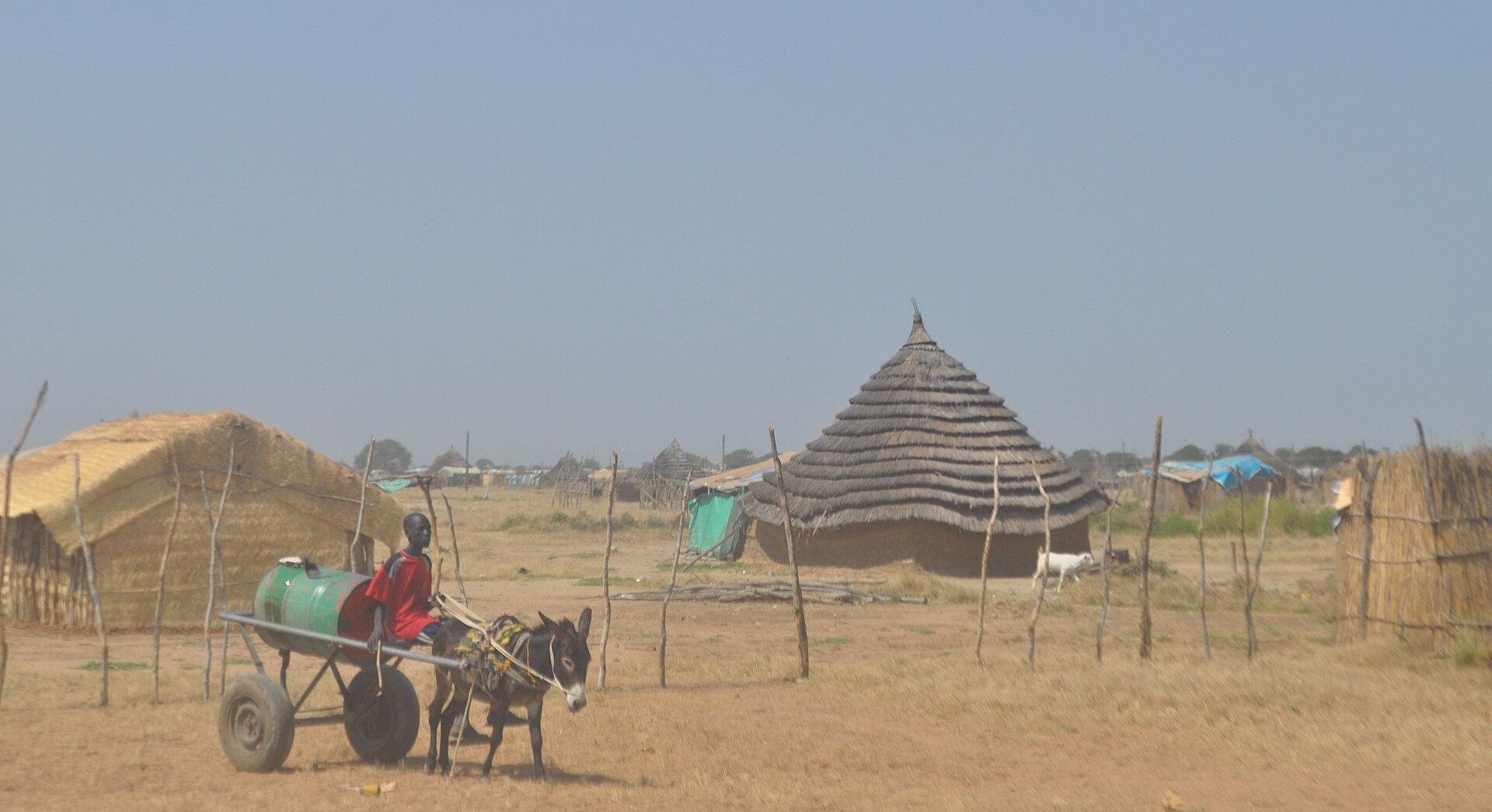
Uganda is South Sudan’s most important door to the outside world. In March 2025 the World Bank said Nimule handled 90 percent of cargo entering South Sudan, and most imports came from Uganda.
The road from Nimule to Juba is 192 kilometres long, and the bank counted 15 checkpoints along it. The government ordered illegal checkpoints removed in early December 2024, but the bank noted that they often return.
South Sudan runs large trade deficits with Uganda and Kenya, because it depends on imports and sells almost nothing except oil. Maize shipments from Uganda in the third quarter of 2024 were 87 percent below the same quarter of 2023.
South Sudan also signed a memorandum of understanding with Djibouti, Uganda and Ethiopia to build a land corridor for regional trade. The bank said such a corridor could ease pressure on South Sudan’s trade over the medium term.
Our guides to Uganda and its neighbours and to Ethiopia and its neighbours explain the other side of these borders. A report on Uganda’s geopolitics shows who else competes for influence in Kampala.
Refugees and Displacement Across the Borders
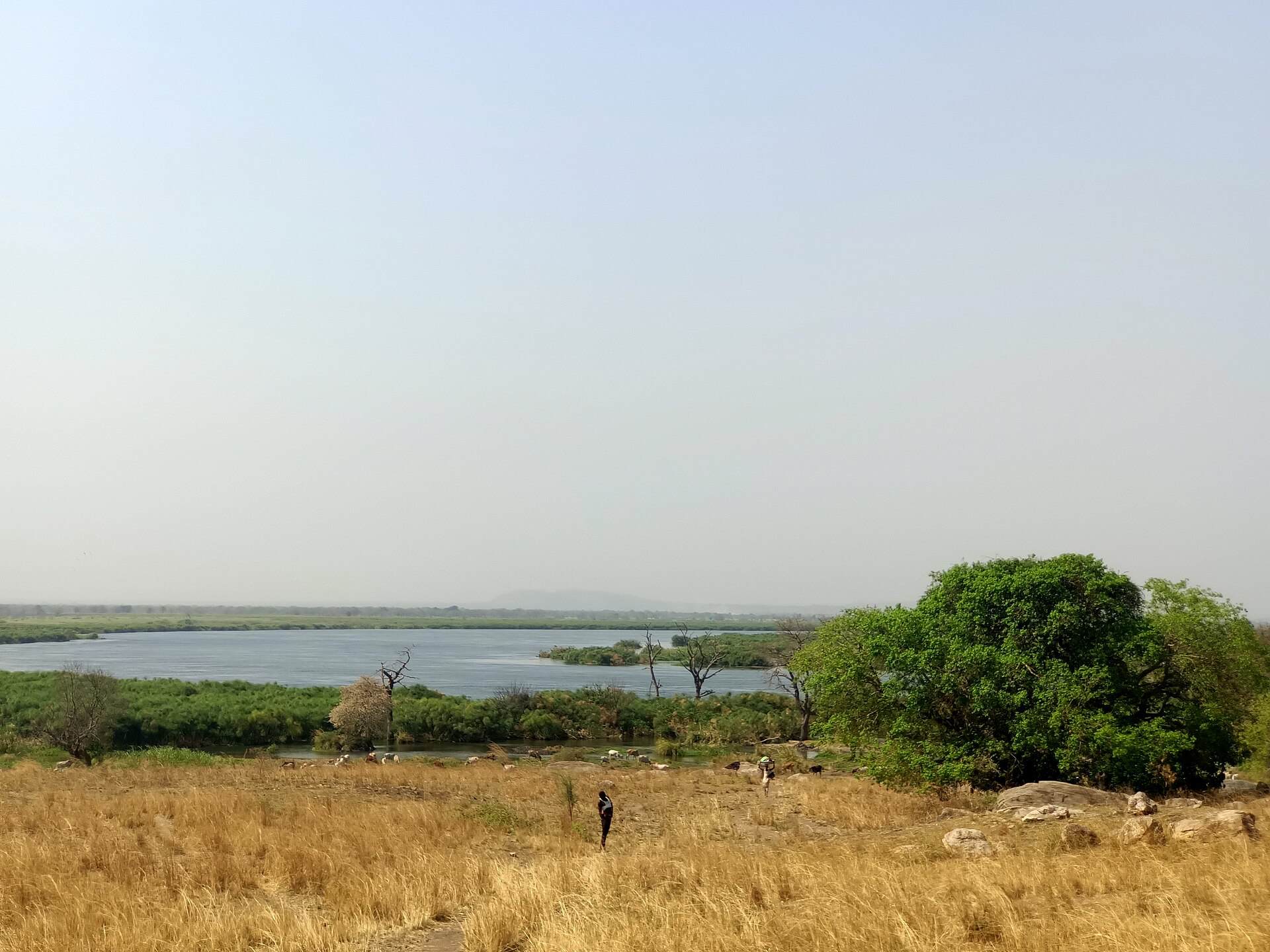
UNHCR counted 1,033,579 South Sudanese refugees in Uganda at the end of 2025, more than in any other country. Sudan hosted 634,954, Ethiopia 422,871 and Kenya 202,772.
Congo hosted 56,404 South Sudanese refugees and the Central African Republic 3,326. Those numbers are small beside the hundreds of thousands recorded in Uganda, Sudan and Ethiopia.
Inside South Sudan, UNHCR counted 1,277,527 internally displaced people at the end of 2025. The UN mission told the Security Council on 6 August that violence displaced over 420,000 people in January to June 2026.
The flow also runs the other way. The same official said South Sudan hosts about 1.4 million people fleeing Sudan’s war and keeps its borders open to them.
UNHCR counted 571,066 refugees from Sudan living in South Sudan at the end of 2025. The UN mission head also said on 6 August that the threat of Ebola in Congo required sustained vigilance in South Sudan.
The Regional Clubs, From IGAD to the Nile Basin
South Sudan joined IGAD in 2011, as its eighth member state. Its neighbours Ethiopia, Kenya, Sudan and Uganda are members too, and its secretariat is in Djibouti.
South Sudan is also one of eight partner states of the East African Community, a regional bloc. The other seven are Burundi, Congo, Kenya, Rwanda, Somalia, Tanzania and Uganda.
The Nile Basin Initiative, a partnership of ten Nile countries, counts South Sudan, Egypt, Ethiopia, Sudan, Uganda and Kenya as members.South Sudan joined the African Union on 27 July 2011.The Nile Basin Initiative also lists a South Sudan and Uganda power link project, and our Africa hub has more on the continent.The UN mission head said on 6 August 2026 that the UN works with the African Union and IGAD to reduce violence.
The December Election and the Neighbours
President Salva Kiir Mayardit leads South Sudan. On Friday 16 October 2026 the National Elections Commission said it is preparing for elections in December, the first since 2010.
The commission’s chairperson, Gabriel Bol Deng, had just visited South Africa to discuss help with electoral materials, staff training and digital systems. On 6 August the UN mission head said concerns were growing about conditions for credible, peaceful and inclusive elections.
On 6 August 2026 the UN mission said opposition leader Riek Machar had been detained almost a year and was on trial. Our report on the UN warning of a constitutional coup covers the political fight in Juba.
For the neighbours, an election dispute matters because each of them already hosts South Sudanese refugees and trades across the same borders. The numbers in this guide show how large the exposure of South Sudan neighbours is.
What It Means for US Readers
The US Embassy in South Sudan lists a Level 4: Do Not Travel advisory, citing unrest, crime, kidnapping, landmines and health risks. Anyone planning a trip should check the current advice and the Ebola entry rules for South Sudan travellers before booking.
The United States also runs a South Sudan sanctions programme under Executive Order 13664, which blocks the property of certain persons. Investors and aid groups should screen partners against the lists of the US Treasury’s Office of Foreign Assets Control, known as OFAC.
Oil leaves through Sudan and cargo arrives through Uganda, so a shock in either reaches South Sudan’s economy and food prices. The pipeline, the Nimule border and the Abyei attacks all matter to anyone with money or staff in the country.
What Is Not Known
As of October 2026, it is not known whether oil flows through the Sudan pipeline at full capacity. The latest World Bank figures date from March 2025, and it is also not known who flew the drones that struck Abyei.
It is not known whether the December elections will go ahead on schedule or whether the main opposition parties will take part. It is also not known how many South Sudanese refugees will return from Uganda, Sudan, Ethiopia and Kenya after the vote.
Frequently Asked Questions
Which countries border South Sudan?
South Sudan shares land borders with Sudan, Ethiopia, Kenya, Uganda, the Democratic Republic of Congo and the Central African Republic. It has no coastline.
Why does South Sudan depend on Sudan?
Its crude oil travels through a 1,368-kilometre pipeline across Sudan to the Red Sea, and oil is almost all of its exports. The pipeline ruptured in February 2024 and was still not operational in mid-March 2025, the World Bank said.
Where do most South Sudanese refugees live?
Uganda hosted 1,033,579 South Sudanese refugees at the end of 2025, according to UNHCR. Sudan hosted 634,954, Ethiopia 422,871 and Kenya 202,772.
What is Abyei?
Abyei is a border area that Sudan and South Sudan both claim, guarded by the UN force UNISFA. Drone strikes there on 19 October 2026 killed more than 80 people, UNISFA said on 26 October.
Which regional groups does South Sudan belong to?
South Sudan is a member of IGAD, the East African Community, the African Union and the Nile Basin Initiative. It joined IGAD in 2011 and the African Union on 27 July 2011.
When are South Sudan’s next elections?
The National Elections Commission is preparing general elections for December 2026. They would be the first since 2010.
Is it safe for Americans to travel to South Sudan?
The US Embassy’s website lists a Level 4: Do Not Travel advisory, citing unrest, crime, kidnapping, landmines and health risks. Americans should check the latest advice before any trip.
Sources: World Bank, World Development Indicators for South Sudan, Sudan, Ethiopia, Kenya, Uganda, Congo and the Central African Republic (population), 2026-10-08; World Bank, South Sudan Economic Monitor, Seventh Edition (oil pipeline, trade, borders), 2025-03-01; UNHCR, Refugee Data Finder population statistics for 2025 (refugees from South Sudan and in South Sudan), 2026-10-29; UN Mission in South Sudan, remarks by the Special Representative to the UN Security Council, 2026-08-06; UN Mission in South Sudan, press release on the Wau Court Martial, 2026-10-09; UN Interim Security Force for Abyei, statement on the Amiet Market violence, 2026-09-17; UN Security Council, press statement on the 19 October drone attacks in the Abyei Area, 2026-10-23; UN Interim Security Force for Abyei, update on the 19 October drone attack, 2026-10-26; National Elections Commission of South Sudan, NEC Chairperson arrives in Juba from South Africa, 2026-10-16; Intergovernmental Authority on Development (IGAD), history, membership and secretariat, 2026-10-29; IGAD, secretariat contact details (Djibouti), 2026-10-29; African Union, East African Community page and list of member states, 2026-10-29; Nile Basin Initiative, who we are and Cooperative Framework Agreement, 2026-10-29; US Treasury, Office of Foreign Assets Control, South Sudan-related sanctions, 2026-10-29; US Embassy in South Sudan, travel advisory notice, 2026-10-29.
This article was produced by The Rio Times’ automated newsroom system. How we use AI · Report an error · Editorial responsibility: Matthias Camenzind, Editor-in-Chief
Horn of Africa and the Red Sea
- Horn of Africa 2026: Why It Matters and Who Backs Whom
- Ethiopia’s Neighbors Explained, Ports, Eritrea, Somalia
- Eritrea Explained 2026, a Red Sea Country Guide
- Somalia Explained: Al-Shabaab, Somaliland, the Ports and the Fight Over a 2026 Vote
Brazil runoff date: Sunday, October 25, poll closing times and when results start · Brazil runoff polls: Flávio 51%, Lula 49% · Kalshi and Polymarket odds
Rotate for Best Experience
This report is optimized for landscape viewing. Rotate your phone for the full experience.
You've reached your free article limit
Subscribe to The Rio Times for unlimited access to our reporting from across Africa.
Keep reading for free
Your first article was on us. Register with your email address to read 6 free articles every month. You will also receive Africa Intelligence: African markets, politics and business, every weekday morning.