South Sudan Explained 2026, the World’s Youngest Country

SOUTH SUDAN · COUNTRY GUIDE
Key Facts
- —What it is The Republic of South Sudan, the world’s youngest country, independent since July 9, 2011.
- —Why it matters It is an oil-producing, landlocked state whose stability affects East-Central Africa and global oil logistics.
- —The numbers More than 10 million people, roughly two-thirds of the population, were projected to need humanitarian assistance in 2026, according to the World Bank.
- —The catch President Salva Kiir dissolved the transitional unity government and appointed a caretaker administration on September 22, 2026; elections are scheduled for December 22, 2026.
- —What it means for you For foreigners, exchange-rate risk and uneven security are the two largest practical concerns in 2026.
South Sudan explained: it is the world’s youngest country, an oil-producing and landlocked state whose political transition remains unfinished. President Salva Kiir dissolved the transitional unity government and appointed a caretaker administration on September 22, 2026; elections are scheduled for December 22, 2026.
South Sudan sits in East-Central Africa, bordered by Sudan, Ethiopia, Kenya, Uganda, the Democratic Republic of the Congo and the Central African Republic. This guide explains its geography, people, political system, economy, daily life and what to watch in 2026.
What South Sudan Is
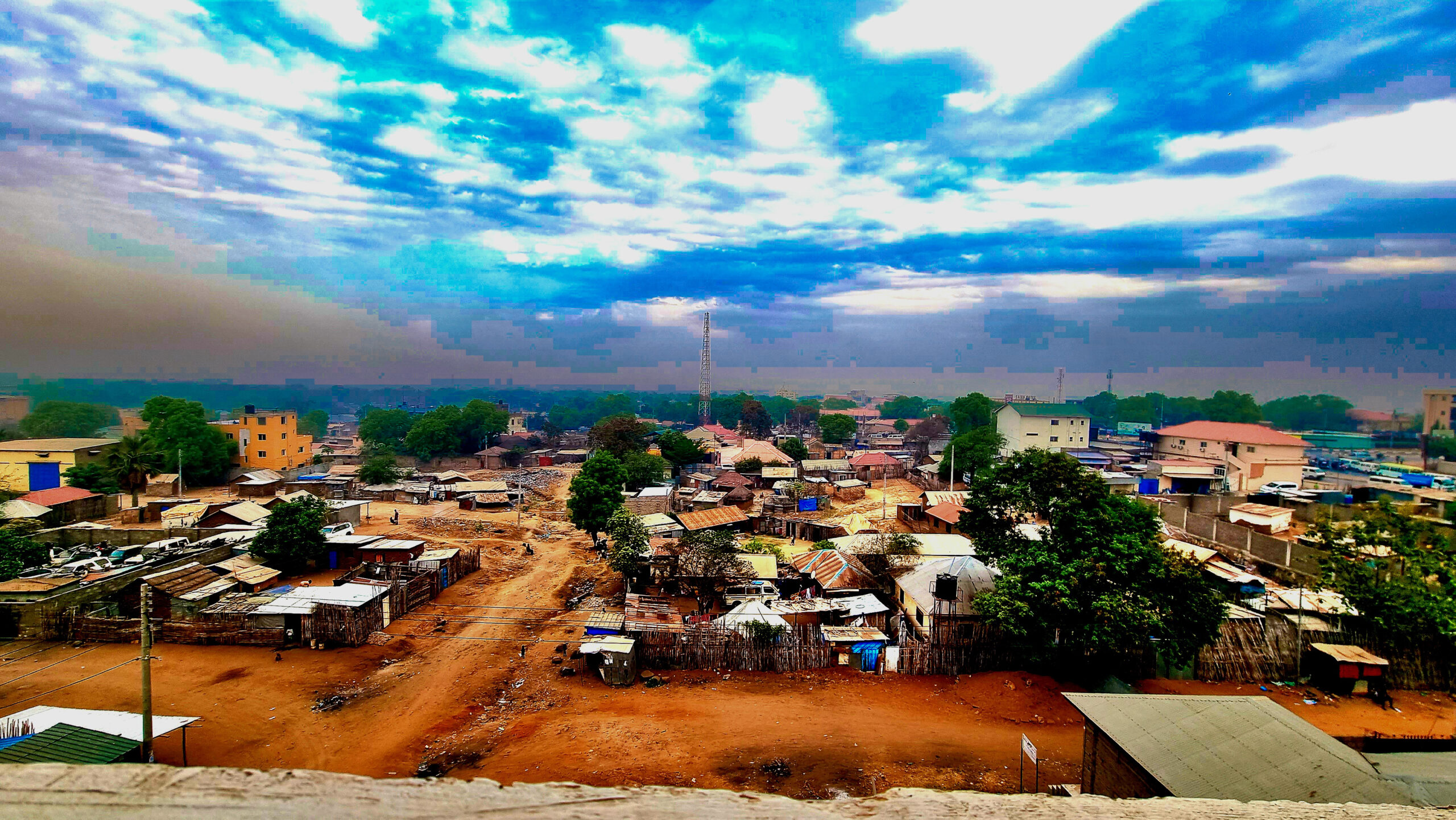
South Sudan is a presidential republic that has never fully consolidated its constitutional order. It became independent from Sudan on July 9, 2011, after a referendum in which southern voters overwhelmingly supported separation. The official language is English, and the capital is Juba, on the White Nile in Central Equatoria.
The country is landlocked. It borders Sudan to the north, Ethiopia to the east, Kenya and Uganda to the southeast, the Democratic Republic of the Congo to the southwest, and the Central African Republic to the west. Its territory is dominated by broad savannahs, wetlands and seasonal floodplains.
The most distinctive physical feature is the Sudd, one of the world’s largest tropical wetlands. The White Nile and its tributaries shape transport, agriculture, livestock movements and settlement patterns. Seasonal flooding can isolate communities for months, while roads become difficult or impossible to use during the rainy season.
South Sudan is divided into 10 states and several administrative areas, including Abyei, Greater Pibor and Ruweng. However, the national government dissolved the state governments and legislative assemblies in September 2026 as part of the caretaker arrangement. Juba remains the political and commercial centre, while other important towns include Wau, Malakal, Bor, Yambio, Aweil and Rumbek.
How South Sudan Came About
South Sudan’s independence in 2011 followed decades of conflict between Sudan’s central government and southern armed movements. The 2018 peace agreement, formally implemented in February 2020, created the Revitalized Transitional Government of National Unity. That arrangement brought President Salva Kiir Mayardit’s Sudan People’s Liberation Movement together with opposition groups led by Riek Machar and other parties.
Under the transitional arrangement, executive power was concentrated in the presidency and a group of vice presidents representing the major peace-agreement parties. Before the September 2026 dissolution, the vice-presidential offices listed by the Ministry of Justice were held by Riek Machar Teny Dhurgon as First Vice President, James Wani Igga, Taban Deng Gai, Rebecca Nyandeng De Mabior and Hussein Abdelbagi Akol as vice presidents.
That arrangement changed materially in September 2026. President Kiir dissolved the transitional unity government, the national legislature, the state governments and the state assemblies. He also relieved the first vice president and the other vice presidents of their positions. The decree established a caretaker administration, with government ministries and institutions instructed to continue operating under interim arrangements until elected institutions take office.
The People and Identity
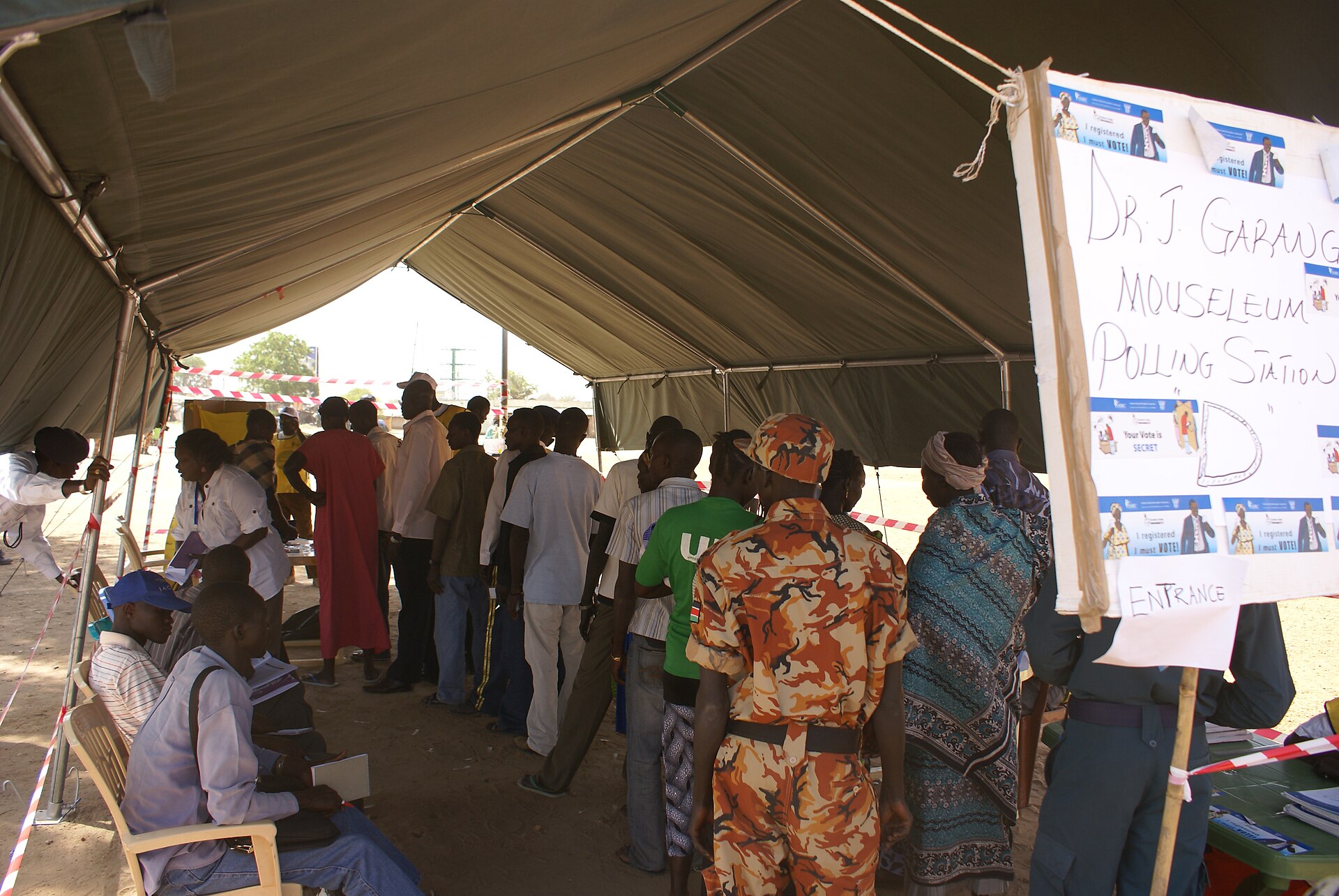
South Sudan has a highly diverse population, with many ethnic groups and languages. The largest communities commonly identified in political and demographic discussions include the Dinka, Nuer, Shilluk, Bari, Azande, Anyuak, Murle, Kakwa, Luo and Jie, among others. Ethnicity, locality, cattle ownership, political allegiance and access to land all influence social and political life.
Ethnic identity is not simply cultural. During periods of conflict, political competition has often been organised through ethnic and regional networks. Christianity and traditional African religions are widespread, while Islam is especially present in northern and border communities. Religious affiliation varies significantly by region and community.
English is the official working language of government and formal education. Arabic, particularly Juba Arabic, is widely used in daily commerce and inter-community communication. Numerous local languages remain central to family, community and cultural life. The population is young, rural and highly mobile. Many people have been displaced internally or have crossed into neighbouring countries as refugees.
The World Bank projected that more than 10 million people, about two-thirds of the population, would require humanitarian assistance during 2026. This figure describes a country where formal institutions and modern services exist but are unevenly distributed and often depend on private providers, humanitarian agencies or international organisations.
The Political System in 2026
South Sudan’s political framework remains transitional rather than fully consolidated. As of October 3, 2026, President Salva Kiir Mayardit remains in office, while a caretaker administration oversees the country ahead of elections scheduled for December 22, 2026. The September 2026 legal changes allowed President Kiir to remain in office during the election period and removed the vice-presidential arrangement created by the 2018 peace agreement.
The caretaker government is not the same as the pre-September transitional cabinet. The September order named caretaker officials for the main portfolios, including Africano Mande Gedima (Presidential Affairs), Martin Elia Lomuro (Cabinet Affairs), Cecilia Adut Manyok (Foreign Affairs), Ayor Akuoch Anok (Defence), Rizik Zachariah Hassan (Interior), Wek Mamer Kuol (Justice), Obote Mamur Mete (National Security), Athian Diing Athian (Finance), Awow Daniel Chuang (Petroleum), Labanya Margret (Trade) and Ateny Wek Ateny (Information and ICT).
These appointments should be treated as current caretaker offices, not as evidence that the country has returned to a normal post-election constitutional system. South Sudan’s general elections are scheduled for December 22, 2026; the National Election Commission has officially set that date, and the transitional period was extended in September 2024 from December 2024 to December 2026. The key uncertainty for residents, investors and diplomats is whether the elections will be held on schedule and whether the process will be accepted by the main political and armed actors.
The Economy and Oil
South Sudan’s economy is dominated by oil. Crude production, oil export infrastructure and the government’s relationship with Sudan have a direct effect on public revenue, foreign exchange availability, public salaries and the value of the South Sudanese pound. The country exports oil through infrastructure in Sudan. Damage and disruption to the export route caused a major economic shock.
The economy remains vulnerable because government revenue depends heavily on oil, exports depend on infrastructure outside South Sudan, the country has limited foreign-exchange reserves, public spending has been financed partly through banks and the central bank, government salary arrears have become severe, and food, fuel and imported goods are highly exposed to exchange-rate movements.
The World Bank reported that public-sector salary arrears had reached eight to 13 months by January 2026. It also reported that the fiscal deficit widened to 6.7% of GDP in fiscal year 2025, with significant off-budget spending obscuring the full scale of the deficit. The World Bank’s assessment put average food inflation at 234% in fiscal year 2025. It also reported that the official exchange rate depreciated by 198%, while the parallel-market rate depreciated by 224%, with an average market premium of 41%.
| Indicator | Figure | Period | Source |
|---|---|---|---|
| Oil production | 157,000 barrels per day | Early fiscal year 2026 | World Bank |
| Salary arrears | 8 to 13 months | January 2026 | World Bank |
| Fiscal deficit | 6.7% of GDP | Fiscal year 2025 | World Bank |
| Average food inflation | 234% | Fiscal year 2025 | World Bank |
| Official exchange rate depreciation | 198% | Fiscal year 2025 | World Bank |
| Parallel-market rate depreciation | 224% | Fiscal year 2025 | World Bank |
Currency and Banking
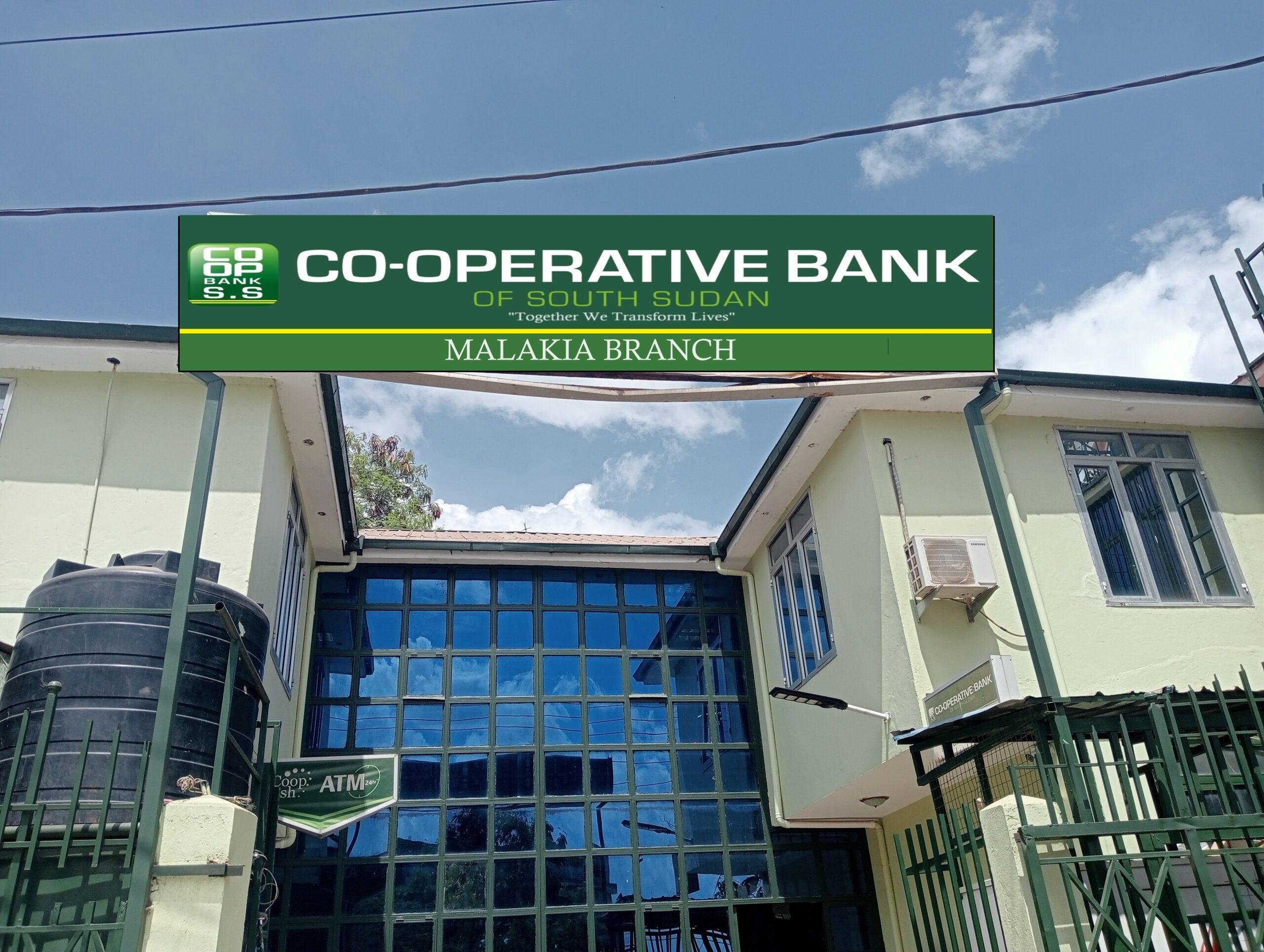
The Bank of South Sudan is responsible for monetary and financial-system policy. The central bank’s stated mandate is price stability and a sound financial system. Its published exchange-rate page says official rates are published on weekdays and can change according to market conditions and transaction size.
The Bank of South Sudan’s website displayed, on October 2, 2026, indicative rates including a US dollar selling rate of SSP 5,837.0824 and a buying rate of SSP 5,664.5578. The euro selling rate was SSP 6,694.7357 and the buying rate SSP 6,399.2578. The Kenyan shilling selling rate was SSP 45.1961 and the buying rate SSP 43.7249. The Ugandan shilling selling rate was SSP 1.4758 and the buying rate SSP 1.4286.
These are official central-bank quotations, not necessarily the rates available in every commercial transaction. The existence of a parallel market remains an important practical feature of the economy. For foreign residents and investors, prices are commonly understood in relation to the US dollar even when transactions are formally denominated in SSP. Exchange-rate risk is one of the country’s largest business risks.
Daily Life and Security
Daily life differs sharply between Juba and the rest of the country. In Juba, residents and expatriates find the country’s largest concentration of international organisations, embassies and diplomatic missions, banks and telecommunications companies, hotels, restaurants and private schools, private medical clinics, construction firms and logistics providers, and security and transport services.
Outside Juba, access to paved roads, electricity, banking, healthcare and communications is far more limited. Many communities depend on subsistence agriculture, fishing, livestock, humanitarian assistance or informal trade. Livestock, particularly cattle, has economic, cultural and political importance. Cattle are used for food, bridewealth, social status and wealth storage. Competition over grazing areas and water can combine with local political tensions to produce violence.
Agriculture is the main livelihood for much of the population, but food production is disrupted by insecurity, displacement, flooding, poor roads and limited access to tools and markets. South Sudan has substantial agricultural potential, but commercial agriculture remains underdeveloped. The humanitarian situation is driven by conflict and localised insecurity, displacement, flooding, weak public services, economic collapse and inflation, food insecurity, and refugee movements from neighbouring Sudan.
Security conditions vary by state, county and even road. Juba is more institutionalised and commercially active than many rural areas, but it is not comparable to a stable middle-income capital. Road travel outside the capital can involve checkpoints, insecurity, poor road conditions, seasonal flooding and limited emergency assistance. The 2018 peace agreement reduced the scale of the national civil war but did not eliminate armed competition or local conflict.
What It Means for Foreigners and Investors
For foreign residents, investors and expats, South Sudan in 2026 presents a narrow but real set of opportunities alongside significant risks. The oil sector remains the main formal economic anchor. The caretaker administration has kept ministries operating, but the political transition creates uncertainty about contracts, permits and the durability of decisions made before the December 22, 2026 elections.
The practical cost of importing goods, paying suppliers or repatriating profits depends on which exchange rate is legally available and whether foreign currency can actually be obtained through the banking system. The World Bank’s figures show that the official and parallel-market rates can differ sharply. Businesses that cannot access foreign currency at the official rate may face much higher effective costs.
For newcomers, the most important practical point is that formal institutions and modern services exist, but they are unevenly distributed. In Juba, private providers fill many gaps left by weak public services. Outside the capital, humanitarian agencies and international organisations often provide the only reliable services. Anyone planning to live or work in South Sudan should assess security conditions for specific locations, not for the country as a whole.
What to Watch
South Sudan’s general elections are scheduled for December 22, 2026; the National Election Commission has officially set that date, and the transitional period was extended in September 2024 from December 2024 to December 2026. The key uncertainty is whether they will be held on schedule and whether the process will be accepted by the main political and armed actors. President Kiir is to remain president during the electoral period until a newly elected president is sworn in.
Beyond the election, watch the oil export route through Sudan. Any disruption to that infrastructure directly affects government revenue, foreign exchange availability and the value of the South Sudanese pound.
Finally, watch the humanitarian and economic indicators. The World Bank’s projection that more than 10 million people would require humanitarian assistance in 2026, combined with salary arrears of eight to 13 months and food inflation of 234% in fiscal year 2025, suggests that social pressures will remain high regardless of the election outcome. For anyone engaging with South Sudan, the gap between formal institutions and daily realities is the central fact to understand.
Related reading: South Sudan dissolves its transitional government; South Sudan restarts oil exports as Machar faces trial; South Sudan’s budget rests almost entirely on oil; Africa news and analysis.
Frequently Asked Questions
Is South Sudan safe for foreigners in 2026?
Security conditions vary by state, county and even road. Juba is more institutionalised and commercially active than many rural areas, but road travel outside the capital can involve checkpoints, insecurity, poor road conditions and seasonal flooding.
What is the currency of South Sudan?
When are South Sudan’s elections scheduled?
South Sudan’s general elections are scheduled for December 22, 2026; the National Election Commission has officially set that date, and the transitional period was extended in September 2024 from December 2024 to December 2026.
Who is the president of South Sudan in 2026?
Salva Kiir Mayardit remains in office as of October 3, 2026. He is to remain president during the electoral period until a newly elected president is sworn in.
What is South Sudan’s main export?
Crude oil is the main export.
How many people need humanitarian assistance in South Sudan?
The World Bank projected that more than 10 million people, about two-thirds of the population, would require humanitarian assistance during 2026.
What languages are spoken in South Sudan?
English is the official working language of government and formal education. Juba Arabic is widely used in daily commerce, and numerous local languages remain central to family and community life.
Sources: boss.gov.ss, sudantransparency.org, boss.gov.ss, claritydesk.org, mojca.gov.ss, bti-project.org.
This article was produced by The Rio Times’ automated newsroom system. How we use AI · Report an error · Editorial responsibility: Matthias Camenzind, Editor-in-Chief