South Africa and the United States, Relations Explained

SOUTH AFRICA · AFRICA
Key Facts
- —What is happening The United States has charged South Africa a 12.5% tariff since 24 July 2026 and ordered aid halted in February 2025. The State Department, the US foreign ministry, announced a visa policy on 15 September 2026.
- —Why it matters Goods and services trade between the two countries was about US$28.8 billion in 2025. US tariffs, visas and aid decisions therefore reach South African farms, factories and jobs.
- —The numbers In 2025 US goods exports to South Africa were about US$6.3 billion and imports US$16.5 billion. The US goods deficit was US$10.2 billion, with a US$1.9 billion services surplus.
- —Who is who Cyril Ramaphosa is South Africa’s president, Ronald Lamola its foreign minister and Parks Tau its trade minister. L. Brent Bozell III is the US ambassador in Pretoria.
- —What to watch Watch the US decision on South Africa’s 2027 eligibility under the African Growth and Opportunity Act, a duty-free scheme extended to 2028. Also watch for any change to the 12.5% tariff.
- —Prediction markets Polymarket, a real-money betting platform, prices 79.9% odds that South Africa’s December 2026 inflation rate tops 5.0%. The price was recorded on 27 October at 9:42 a.m. ET.
- —What it means for you Americans can visit South Africa for up to 90 days without a visa, per its Home Affairs department. US importers pay the 12.5% duty on most South African goods, with exemptions.
Washington and Pretoria are partners that now disagree on trade, land, Gaza and aid. This guide explains where they stand in October 2026.
South Africa US relations in October 2026 rest on a tariff, a trade-preference law now extended to 2028 and a visa policy. The two countries traded about US$28.8 billion in goods and services in 2025, by US government estimate.
The disputes began in February 2025 with an American executive order and have widened since. More coverage sits on the Rio Times South Africa page.
South Africa US Relations in One Page
Three measures define the relationship today. The first is a 12.5% US tariff on most South African goods, in force since Friday, 24 July 2026.
The second is the African Growth and Opportunity Act (AGOA), a US law giving duty-free entry to many African goods. A law signed on Wednesday, 2 September 2026 extends it to 2028, while eligibility for 2027 is under review.
The third is a visa-restriction policy announced by the US State Department on Tuesday, 15 September 2026. Its full text could not be opened at a State Department page, so its reach is not described here.
Behind all three sits the order of Friday, 7 February 2025, which told US agencies to halt aid to South Africa. The text cites a land law, South Africa’s stance on Israel and its ties with Iran.
Pretoria’s formal reply to these measures was not confirmed. Its wider position is covered in South Africa geopolitics explained.
Who Is Who on Both Sides
Names matter here, because most of the pressure comes from a few offices. The South African holders are listed on official government sites in October 2026.
- Cyril Ramaphosa: South Africa’s president, inaugurated for the seventh democratic administration on 19 June 2024. His deputy is Paulus Mashatile.
- Ronald Lamola: South Africa’s Minister of International Relations and Cooperation, who runs foreign policy through the department known as DIRCO.
- Parks Tau: Minister of Trade, Industry and Competition, who leads trade talks through the department known as the DTIC.
- L. Brent Bozell III: US ambassador to South Africa, confirmed by the US Senate on 18 December 2025.
- The US Trade Representative (USTR): the White House trade office that sets tariffs under Section 301 and runs the AGOA review.

Trade and the 12.5% Tariff
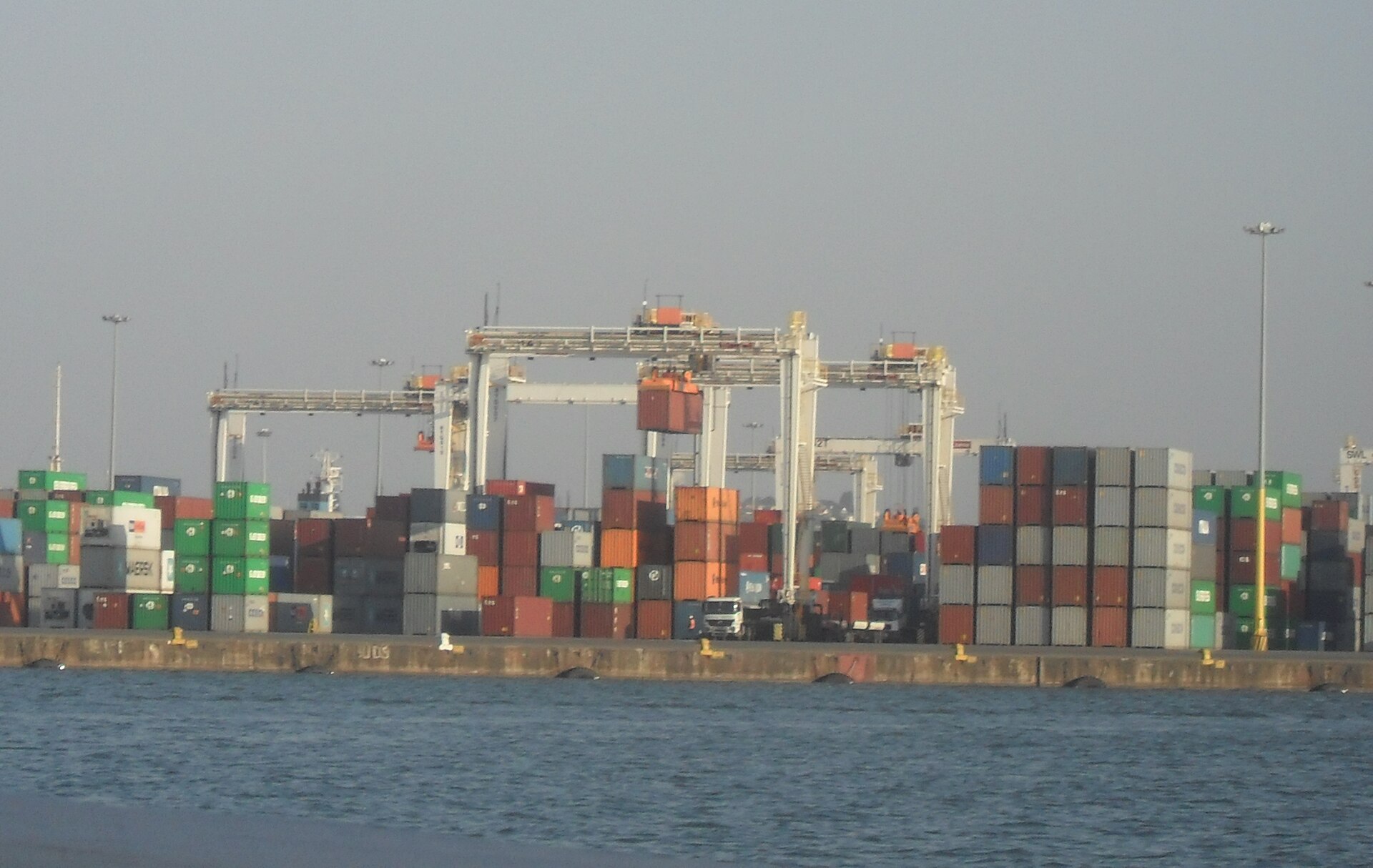
The USTR estimates 2025 goods trade at US$22.7 billion. US exports were US$6.3 billion, up 8.1% from 2024, and imports were US$16.5 billion, up 12.1%.
That leaves a US goods deficit of US$10.2 billion, up 14.7%. Services run the other way, with US exports of US$4.0 billion against imports of US$2.0 billion.
Combined goods and services trade was US$28.8 billion, up 10.1%, and the USTR counts a US services surplus of US$1.9 billion. These are estimates, not final customs data.
On 28 July 2026 the USTR published its Section 301 action on 60 economies, including South Africa. Section 301 is a US trade law that lets the USTR punish unfair practices with tariffs.
The investigations began on 12 March 2026 and asked whether each economy bans imports made with forced labor. The USTR found that all 60 had failed to impose and effectively enforce such a ban.
South Africa pays 12.5% on products entering on or after 12:01 a.m. Eastern time on 24 July 2026. Economies that have committed to a ban, including through trade agreements, pay 10%.
The notice exempts goods already under Section 232 tariffs, a separate US law on national security, and civil aircraft. From 31 July 2026 it also exempts patented pharmaceuticals, and its annexes list many other exempt products.
The notice says products with special tariff treatment still owe the new duty unless it states otherwise. It names no AGOA exception in the text that could be read.
AGOA and the 2027 Review
AGOA was enacted in 2000 and gives eligible sub-Saharan countries duty-free access for more than 1,800 products. Countries must show progress on markets, the rule of law and political pluralism.
The Continuing Appropriations and Extensions Act, 2027 (H.R. 6500, Public Law 119-103) was signed on Wednesday, 2 September 2026. Its Section 2008 replaces 2026 with 2028 as the AGOA end date.
On 30 June 2026 the USTR opened its 26th annual review of country eligibility for 2027. Its notice then listed South Africa among the 2026 beneficiary countries and put the expiry at 31 December 2026.
The USTR held a public hearing on Thursday, 23 July 2026, and had published no result for South Africa by 27 October. The review looks at each country’s record on markets, the rule of law and political pluralism.
For the wider contest over African trade, read Who backs whom in Africa. For South Africa as a regional power, read South Africa and its neighbours.
Visas, Refugees and Deportations
The US State Department announced a new visa-restriction policy on Tuesday, 15 September 2026. Only the date is cited here, because the announcement text could not be opened on a State Department page.
The policy’s legal text, the people it covers and the number affected are therefore not described here. Check the State Department site for the wording.
The order of 7 February 2025 also told the State and Homeland Security departments to prioritise humanitarian relief for Afrikaners. Afrikaners are South Africans of mainly Dutch descent, who speak Afrikaans.
That relief includes admission through the US Refugee Admissions Program, which resettles people fleeing persecution. The order asked for a plan to be sent to the President.
No official count of South Africans deported from the United States was confirmed. Deportation figures are therefore left out of this guide.
Security, Israel, Iran and the Gaza Court Case
The order of 7 February 2025 cites South Africa’s Gaza case and its ties with Iran as threats to US policy. It also says the Expropriation Act 13 of 2024, a land law, lets the state seize Afrikaner farmland without compensation.
South Africa filed its case against Israel at the International Court of Justice (ICJ), the UN’s top court, on 29 December 2023. It concerns the Genocide Convention in the Gaza Strip.
On 21 May 2026 the court fixed time-limits for the written Reply and Rejoinder. On 22 September 2026 Colombia withdrew its declaration of intervention in the case.
Changes in military ties or new US sanctions on South African officials were not confirmed. The measures verified for this guide concern trade, visas and aid.
Aid, Investment and Companies
The order of 7 February 2025 says the United States shall give South Africa no aid while the practices it lists continue. Agencies were told to halt aid to the maximum extent allowed by law.
Agency heads may still approve aid they judge necessary or appropriate. How much aid has actually stopped or restarted was not confirmed.
US services exports to South Africa were about US$4.0 billion in 2025. No official figure for the stock of US direct investment was confirmed.
South Africa is also courting other markets. Its trade ministry said on 22 October 2026 that a China zero-tariff scheme gives exporters certainty beyond 2028.
For South Africa’s budget and debt, read South Africa budget deficit narrows to 3.9%. For the full country profile, read South Africa explained.
The Diaspora and People Ties
The US Census Bureau, the national statistics agency, counts the foreign-born by country of birth, and South Africa is a listed category. The current figure could not be retrieved, so no number is given here.
The one people-to-people measure verified is the order’s refugee priority for Afrikaners. It covers admission through the US Refugee Admissions Program, not a general visa category.
What It Means for US Readers
Importers pay the 12.5% Section 301 duty, on top of normal duties, on most South African goods entering since 24 July 2026. Goods under Section 232, civil aircraft and patented medicines are exempt.
US exporters sold about US$6.3 billion of goods and US$4.0 billion of services to South Africa in 2025, by USTR estimate. The 12.5% duty applies to goods entering the United States, not to US exports.
US passport holders may visit South Africa for up to 90 days without a visa, per its Home Affairs department’s exempt-country list. Check the department’s current entry rules before you go.
Read the State Department’s current travel advisory for South Africa before booking, because levels change. The advisory level could not be re-confirmed for this guide.
The US Consulate General in Durban issues security alerts for its region. Check the US Embassy and consulate websites for the latest notice before travelling there.
Investors should watch the AGOA review, any change to the 12.5% rate and the visa policy’s reach. Each can affect South African companies that sell to the US.
What Prediction Markets Say
Polymarket, a US platform where users bet real money, runs a market on South Africa’s year-on-year inflation for December 2026. It showed 79.9% for inflation above 5.0% and 10.3% for 4.7% to 5.0% on 27 October at 9:42 a.m. ET.
About US$102,000 has traded, and the market settles on the December 2026 report of Statistics South Africa, the national statistics office. The market rules schedule that report for 20 January 2027.
The market is about prices, not diplomacy. It is a bet, not a forecast from The Rio Times.
Why we show this: prediction markets turn real-money bets into a live probability that moves within minutes of the news, which is why investors, campaigns and newsrooms in the United States now follow them closely. We show them next to polls and official results, never instead of them.
What Is Not Known
The result of the AGOA eligibility review for 2027 had not been published by 27 October 2026. The Section 301 notice was not checked for every product line in its image annexes.
The legal text of the visa policy and the number of people it affects were not confirmed at a State Department page. South Africa’s formal reply to the measures was also not confirmed.
No official figure for US direct investment, for US aid already stopped, or for South Africans in the United States was confirmed. The current State Department travel advisory level was also not confirmed.
The exact products exempted from the 12.5% tariff sit in long annexes and were not listed one by one. Check the Federal Register notice of 28 July 2026 for your goods.
Frequently Asked Questions
What is the US tariff on South Africa in October 2026?
The United States charges 12.5% on most South African goods under Section 301, since 24 July 2026. Section 232 goods, civil aircraft and patented medicines are exempt.
Is South Africa still in AGOA?
South Africa was on the 2026 beneficiary list, and the 2027 review had no published result by 27 October 2026. A law signed on 2 September 2026 extends AGOA to 2028.
What are the new US visa restrictions on South Africa?
The State Department announced a visa-restriction policy on 15 September 2026. Its full text could not be confirmed at a State Department page, so its reach is not described.
Does the United States still give South Africa aid?
A 7 February 2025 order told agencies to halt aid to South Africa to the maximum extent allowed by law. Agency heads may approve exceptions.
Do Americans need a visa for South Africa?
South Africa’s Department of Home Affairs lists US passport holders as visa-exempt for stays of up to 90 days. Check its current entry rules before travelling.
How much do the two countries trade?
Goods and services trade was about US$28.8 billion in 2025, including US$22.7 billion in goods. Those are USTR estimates, not final customs data.
What is AGOA?
The African Growth and Opportunity Act, a US law of 2000, gives eligible sub-Saharan countries duty-free entry for more than 1,800 products. Countries must show progress on markets, the rule of law and political pluralism.
Sources: USTR, South Africa trade page (2025 estimates); USTR, Section 301 forced-labor actions, Federal Register (28 July 2026); USTR, AGOA 2027 eligibility review (30 June 2026); US Congress, Public Law 119-103 (H.R. 6500), approved 2 September 2026; White House, Addressing Egregious Actions of the Republic of South Africa (7 February 2025); International Court of Justice, South Africa v. Israel; South Africa Department of Trade, Industry and Competition; South Africa DIRCO; South Africa Department of Home Affairs, exempt countries; Presidency of South Africa; Polymarket, South Africa Annual Inflation 2026 (27 October 2026).
This article was produced by The Rio Times’ automated newsroom system. How we use AI · Report an error · Editorial responsibility: Matthias Camenzind, Editor-in-Chief
Part of our ongoing coverage
Africa: The New Scramble — the great-power contest over the continent.
Expat Guide to South Africa
What The Rio Times publishes for foreigners who live in or move to South Africa.
Start here
- Renting in South Africa as a Foreigner in 2026
- Phone and Internet Setup in South Africa
- Best Places to Live in South Africa for Expats 2026
- South Africa Taxes for Expats 2026: What You Pay
City guides
Cape Town, Johannesburg, Durban
Coming up in South Africa
- Soweto Derby 2026: Date, Kick-Off, Tickets and TV 31 Oct
- Kruger Park Fees Rise to US$42 a Day on 1 November 1 Nov
- Kunye Jozi XI Fills Johannesburg's Huddle Park on 7 November 7 Nov
- Jill Scott Plays Pretoria and Cape Town in November, First Album in a Decade 7 Nov
Understand South Africa