
GUIDES · SOUTH AFRICA
Key Facts
- —The country South Africa is the only African country with its own seat in the G20, beside the African Union. President Cyril Ramaphosa leads a multi-party coalition as of October 2026.
- —The US file Since 24 July 2026 most South African goods pay an extra 12.5% US tariff. Cars, steel and aluminium pay separate Section 232 tariffs instead; citrus, nuts and platinum are exempt.
- —AGOA The US duty-free scheme for Africa was extended to 31 December 2028 by a law signed on 2 September 2026. South Africa’s own eligibility is reviewed every year.
- —The rupture Washington excluded South Africa from its 2026 G20, announced visa curbs on South African officials on 15 September 2026 and has a list of “five asks” outstanding.
- —China South Africa’s largest export market and largest supplier in 2025: US$12.42 billion of exports and US$20.50 billion of imports, per the Western Cape trade agency Wesgro.
- —Next dates Local elections on Wednesday 4 November 2026; the US AGOA eligibility list for 1 January 2027; the US-hosted G20 summit in Miami in December 2026.
South Africa geopolitics in 2026 is defined by a deep rift with the United States. Washington has hit Pretoria with tariffs, visa curbs and a G20 exclusion, while South Africa leans harder on China, BRICS and Europe. For US importers, investors and mining buyers, the outcome decides prices, supply and market access.
How South Africa Sees the World in 2026
South Africa calls its foreign policy non-aligned. In practice it trades most with China and Europe and sits in BRICS with Russia and Iran. It also relies on the US for high-value exports. Pretoria argues it can keep all of those doors open at once.
President Cyril Ramaphosa leads the African National Congress (ANC), the centre-left party that has governed since 1994. Since the 2024 election it has shared power in the Government of National Unity, a multi-party coalition. Its main partner is the Democratic Alliance (DA), a liberal, pro-market party led by Geordin Hill-Lewis since 12 April 2026.
The two partners disagree on Washington. Ronald Lamola, the ANC’s minister of international relations and cooperation, defends Pretoria’s positions on Israel, Iran and land. Dean Macpherson, the DA’s minister of public works and infrastructure, told Semafor in September 2026 that doing without the US was a “misguided” idea.
These debates now play out before local government elections on Wednesday 4 November 2026. The Cooperative Governance minister set that date in the Government Gazette. Foreign policy has become a campaign issue. That makes quick concessions to Washington politically expensive for the ANC.
The United States File: Tariffs and AGOA
Trade is where the rift costs money. In 2025 South African goods faced a 30% US tariff under emergency powers. In February 2026 the US Supreme Court ruled those emergency tariffs unlawful. A temporary 10% global tariff replaced them until 24 July 2026, the Congressional Research Service says.
On Friday 24 July 2026 a new 12.5% duty took effect under Section 301 of the Trade Act of 1974. The US Trade Representative found that 60 economies, South Africa among them, failed to ban imports made with forced labour. Economies with such a ban, or a commitment to one, pay 10% instead.
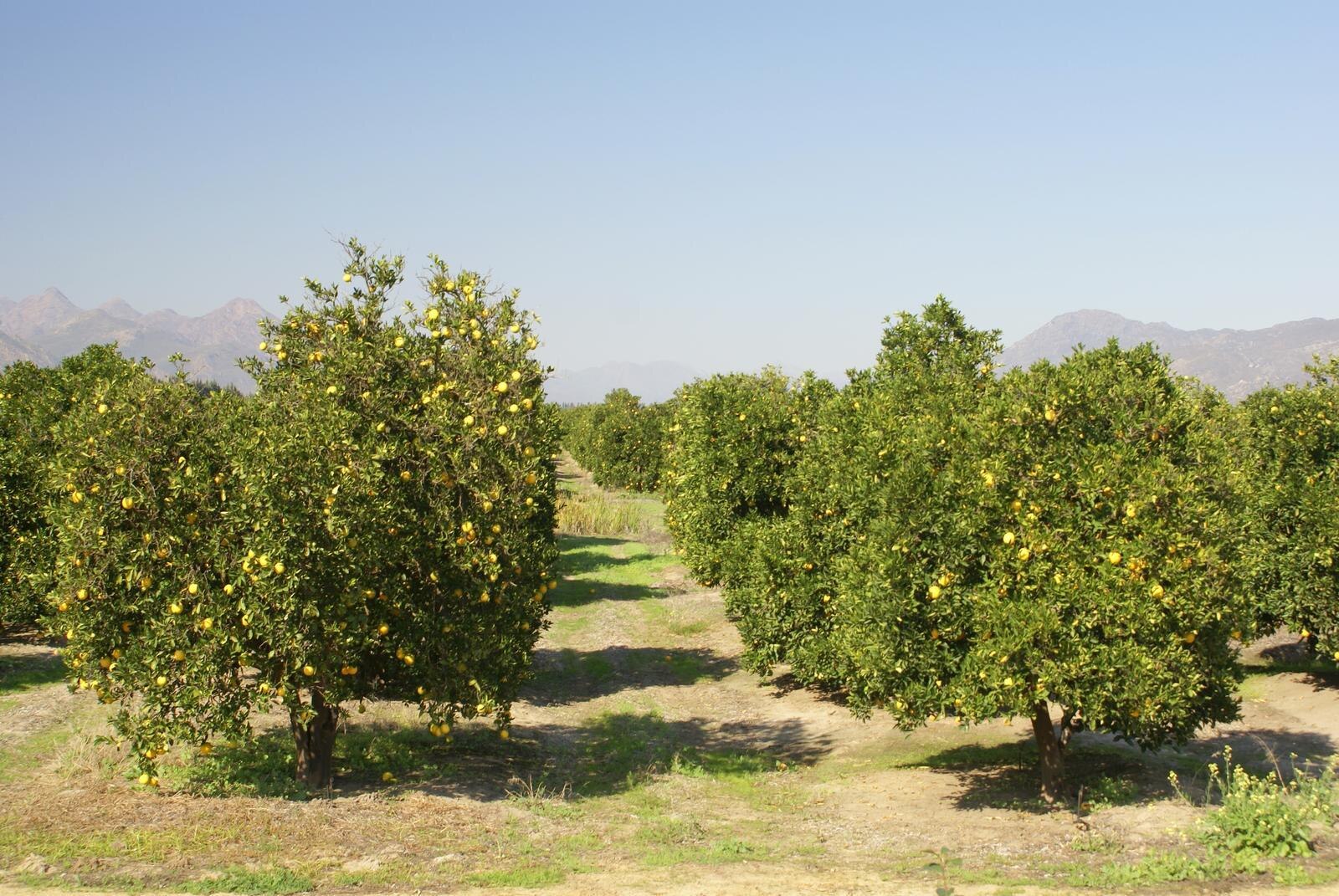
Several key lines escaped. Platinum and other precious metals, citrus, fruit juices and nuts are exempt, Engineering News reported. Passenger vehicles, steel and aluminium are excluded from the new duty because they already pay Section 232 tariffs, with cars at 25%.
The African Growth and Opportunity Act (AGOA), the US duty-free programme for sub-Saharan Africa, lapsed on 30 September 2025. Congress revived it in early 2026 to the end of that year. On Wednesday 2 September 2026 President Donald Trump signed a funding law that extends AGOA to 31 December 2028.
The extension secures the programme, not South Africa’s place in it. The president decides eligibility every year, and the review for 2027 opened in June 2026, Business Day reported. In December 2025 the US Trade Representative’s office told senators it was open to treating South Africa differently from other AGOA countries.
The United States remains South Africa’s third-largest export market, taking US$8.28 billion of goods in 2025, according to Wesgro. Only China and Germany bought more. Pretoria asked Washington to spare platinum, vehicles, citrus, seafood, wine and nuts, a guide to what it sells there.
Refugees, Visas and the Five Asks
The political quarrel began with Executive Order 14204 of 7 February 2025, “Addressing Egregious Actions of the Republic of South Africa”. It halted US aid and offered resettlement to Afrikaners, the Afrikaans-speaking white minority. Pretoria rejects the claim that white South Africans face persecution.
The refugee programme has grown since. The US ceiling for fiscal year 2026 was set at 7,500, “primarily” Afrikaners, on 30 September 2025. On 21 May 2026 an emergency determination raised it to 17,500, with the extra places reserved for Afrikaners, the Federal Register shows.
Washington’s conditions are known as the “five asks”, a term used by US ambassador Leo Brent Bozell III. In his late-September account, two are largely met. Pretoria does not interfere with refugee processing, and the Expropriation Act, which allows nil compensation in some cases, is before the courts.
Three remain open, Bozell wrote. Washington wants the “Kill the Boer” chant condemned and rural crime made a funded priority. It also wants alternatives to Black Economic Empowerment ownership rules in mining and telecoms.
On Tuesday 15 September 2026 Secretary of State Marco Rubio announced visa restrictions. They target people behind “uncompensated land seizures, race-based discrimination” or incitement in South Africa. The State Department named no one. Ramaphosa has since sent Trump a formal reply, which Bozell said failed to meet any of the three open asks.
Diplomacy has frayed too. The US expelled ambassador Ebrahim Rasool in March 2025. His successor, Roelf Meyer, presented credentials to Trump only on 21 May 2026. In late September 2026 the foreign ministry formally protested to Bozell for a third time. Lamola then told the Sunday Times the envoy should “get out of the kitchen”.
The G20 Rupture
South Africa chaired the G20 in 2025 and hosted the leaders’ summit in Johannesburg on 22 and 23 November. The United States did not attend. On 26 November 2025 Trump said South Africa would not be invited to the 2026 G20, which the US hosts in Miami.
The US then left Pretoria off its first sherpa meeting in Washington in December 2025, Daily Maverick reported. Poland was invited as a guest. Ramaphosa’s office had already said that South Africa is “a member of the G20 in its own name and right”. No G20 rule lets one member expel another.
Pretoria treats 2026 as a lost year rather than a permanent loss. Its finance ministry has called the exclusion a temporary setback and expects a normal seat under the United Kingdom’s presidency in 2027. The African Union, a permanent G20 member, still speaks for the continent at the table.
Minerals: What Washington Needs From the Bushveld
Minerals are the strongest card Pretoria holds. In 2024 South Africa was the world’s leading producer of platinum, chromium and manganese, the US Geological Survey says. It mined about 70% of the world’s platinum, 46% of its chromium and 40% of its manganese.
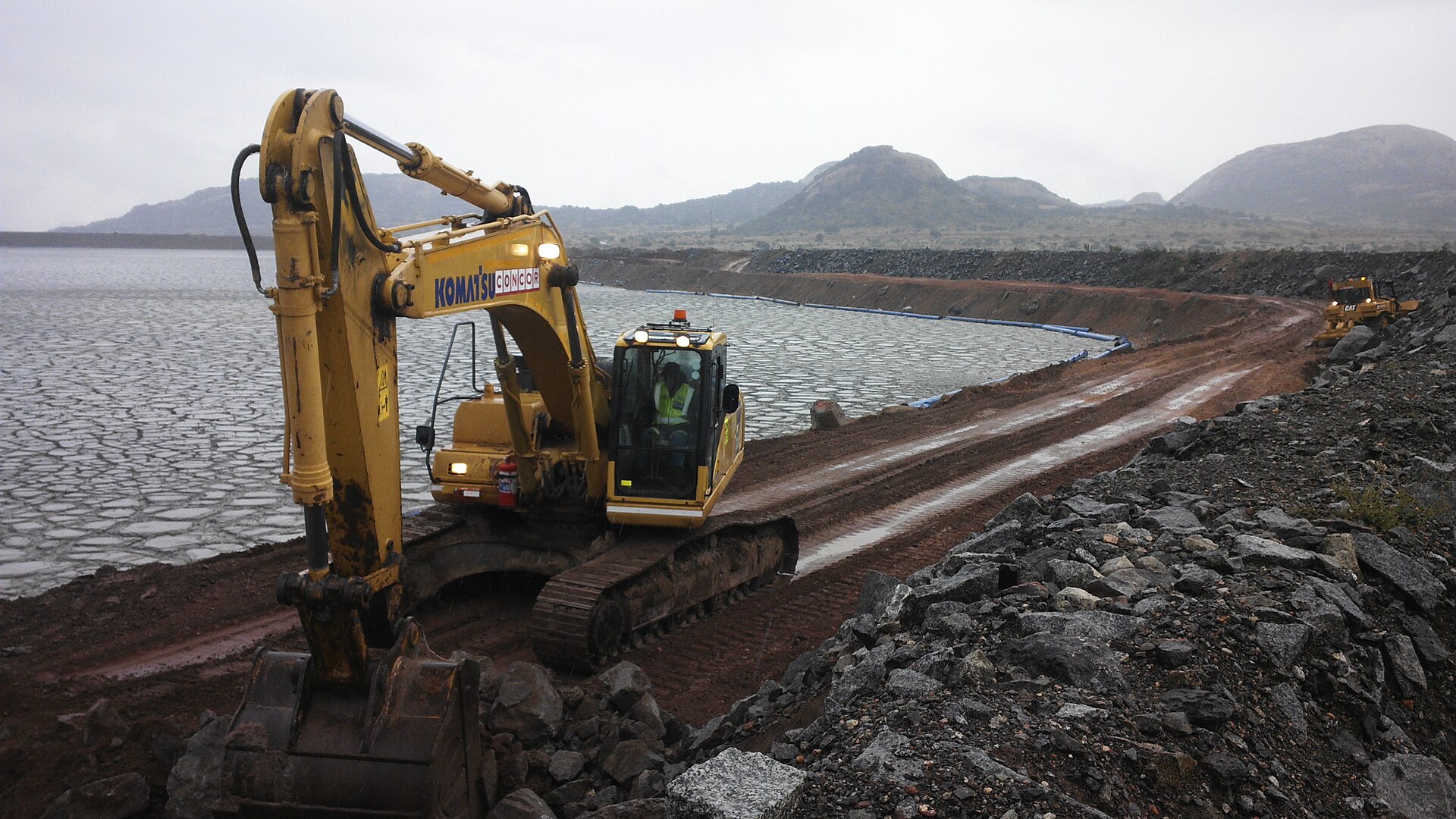
The US depends on that supply. Imports covered 89% of the platinum it used in 2025. From 2021 to 2024, 49% of those imports came from South Africa. South Africa also supplied 37% of US palladium imports, used in catalytic converters.
Reserves point the same way. The USGS puts South Africa’s platinum-group metal reserves at about 63,000 tonnes, out of a world total above 76,000 tonnes. Most sit in the Bushveld Complex. Platinum and precious metals were spared the 12.5% tariff. That fits US exemptions for raw materials it cannot produce in sufficient quantities.
China, BRICS and Russia
China is South Africa’s biggest single trading partner. In 2025 it bought US$12.42 billion of South African goods, 10.66% of all exports. It supplied US$20.50 billion of imports, 19.46% of the total. The result was a deficit with China of about US$8.08 billion, Wesgro data show.
South Africa sits in BRICS beside Brazil, China, Egypt, Ethiopia, India, Indonesia, Iran, Russia, Saudi Arabia and the United Arab Emirates. Ramaphosa attended the 18th BRICS summit in New Delhi on 12 and 13 September 2026. His office said he would push intra-BRICS trade and investment in African infrastructure.
Ties with Russia are cordial but thin in trade. On 11 September 2026 Ramaphosa met Vladimir Putin in New Delhi, where Putin marked 20 years of their 2006 friendship treaty. He said trade “may not be increasing at a rapid pace”, the Kremlin record shows. Ramaphosa declined Putin’s invitation to the Russia–Africa summit in Moscow on 28 and 29 October, citing the election campaign.
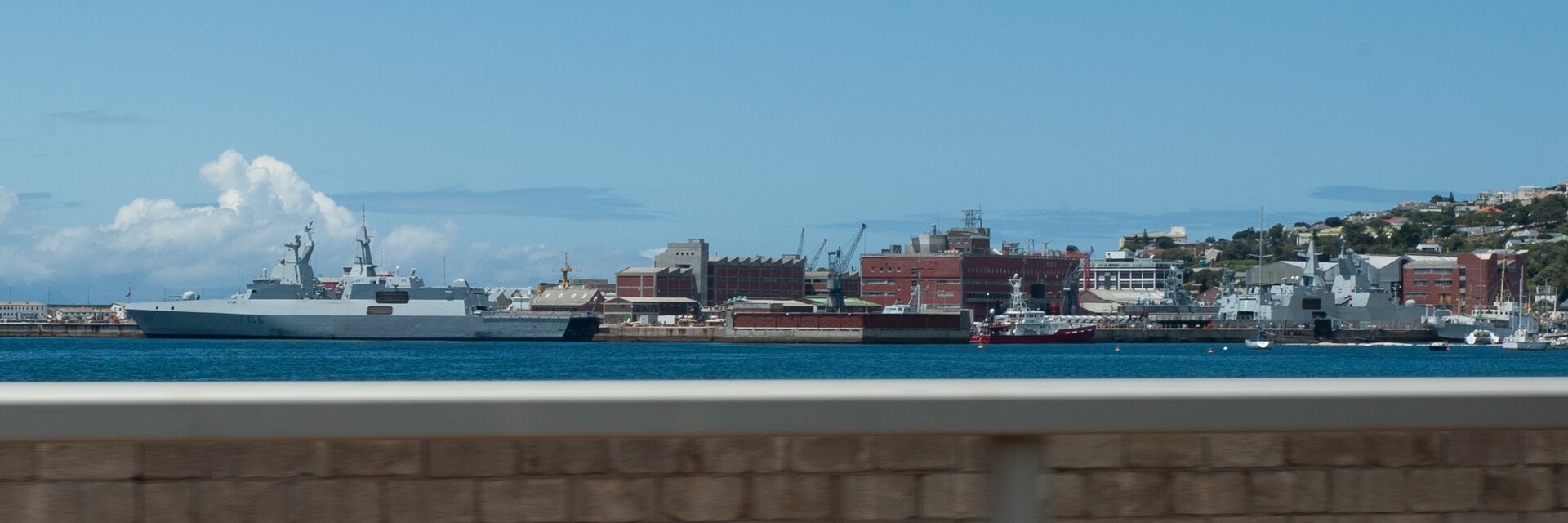
The sharpest friction came at sea. From 9 to 16 January 2026 South Africa hosted Will for Peace 2026, a China-led BRICS Plus naval exercise off Simon’s Town. Chinese, Russian, Iranian and Emirati warships took part, and Iran’s role drew criticism, defenceWeb reported.
The EU, the Gulf, India and the Israel Case
The European Union is South Africa’s largest trading partner as a bloc. Two-way trade reached €49.5 billion (about US$55.6 billion) in 2023, the South African government says. Euro amounts here use about US$1.12 per euro, derived from South African Reserve Bank rand rates on 6 October 2026.
At a summit in Cape Town on 13 March 2025, the first in seven years, both sides opened talks on a Clean Trade and Investment Partnership. The EU also announced a €4.7 billion (about US$5.3 billion) Global Gateway package for clean energy, transport and vaccine production.
The Gulf matters mainly for fuel and for BRICS. Saudi Arabia and the United Arab Emirates are now full BRICS members. Imports from Oman and the UAE grew fastest among South Africa’s top ten suppliers from 2021 to 2025, Wesgro says. India, which chairs BRICS in 2026, was the third-largest supplier, with US$7.35 billion of goods in 2025.
Israel is the issue that most angers Washington. South Africa filed its genocide case against Israel at the International Court of Justice on 29 December 2023. The court has set 22 November 2027 for South Africa’s reply and 22 May 2029 for Israel’s. No ruling on the merits is near.
The US has entered the proceedings itself. On 12 March 2026 it filed a declaration of intervention under Article 63 of the court’s statute. Namibia, Hungary and Fiji filed the same day. Israel has also challenged the court’s jurisdiction, which South Africa must answer in its reply.
What It Means for US Readers
Importers and exporters. Most South African goods pay 12.5% on top of normal US duties, but citrus, nuts, platinum and precious metals do not. Cars, steel and aluminium follow the separate Section 232 regime. Watch the AGOA eligibility list for 1 January 2027 before signing 2027 contracts.
Investors. Platinum-group metals, chromium and manganese tie US manufacturing to South African mines, and tariff exemptions show Washington knows it. Political risk now runs through visa policy, the five asks and the November local elections rather than through markets alone.
Travellers and expats. The September 2026 visa policy targets officials and others responsible for specific policies, with some family members, not ordinary visitors. Americans living in South Africa should expect sharper rhetoric from both governments during the election campaign.
Connected Coverage
South Africa: all Rio Times coverage
South Africa and Its Neighbours in Southern Africa
Who Is Cyril Ramaphosa? South Africa’s President, His Coalition and What to Watch
What Is Not Known
Whether South Africa stays on the AGOA list for 2027 is undecided, and no publication date has been announced. Nor is it known what Washington will do after Ramaphosa’s reply. Bozell called the visa policy “a first response”.
The State Department has not said who falls under the September 2026 visa policy. It is unclear whether Pretoria will adopt a forced-labour import ban that could cut its tariff to 10%. Accounts also differ on how fully Iran’s ships took part in the January 2026 exercise.
Frequently Asked Questions
Why are relations between South Africa and the United States so tense in 2026?
Washington objects to South Africa’s land, empowerment and race policies, its ICJ case against Israel and its ties with Iran. Since February 2025 it has cut aid, resettled Afrikaners as refugees, excluded Pretoria from the 2026 G20 and announced visa curbs on officials.
What US tariff do South African goods pay?
Since 24 July 2026 most South African goods pay an extra 12.5% under Section 301 of the Trade Act of 1974. Platinum, precious metals, citrus, fruit juices and nuts are exempt, while cars, steel and aluminium pay separate Section 232 tariffs.
Is South Africa still part of AGOA?
Yes, for now. A law signed on 2 September 2026 extends AGOA to 31 December 2028, but the US president reviews each country’s eligibility every year, and the list that takes effect on 1 January 2027 has not been published.
Why is South Africa not at the 2026 G20?
The United States, which holds the 2026 presidency, said in November 2025 it would not invite South Africa to the Miami summit. Pretoria says no member can expel another and expects to return under the UK presidency in 2027.
Who is South Africa’s biggest trading partner?
China is the biggest single partner. In 2025 it bought US$12.42 billion of South African goods and sold US$20.50 billion. The European Union is larger as a bloc, and the United States is the third-largest export market.
What are the US “five asks” of South Africa?
They are conditions set out by US ambassador Leo Brent Bozell III. Two concern refugee processing and expropriation; three remain open: condemning the Kill the Boer chant, prioritising rural crime and widening alternatives to empowerment ownership rules in mining and telecoms.
Sources: Congressional Research Service, report on AGOA; US Department of State, visa restriction policy, 15 September 2026; Federal Register, Presidential Determination 2026-14; Federal Register, Presidential Determination 2025-13; Congressional Record, AGOA Extension Act; Congress.gov, H.R.6500; Federal Register, USTR Section 301 forced-labour action; USGS, Platinum-Group Metals, Mineral Commodity Summaries 2026; USGS, South Africa country profile; International Court of Justice, case 192; The Presidency, ICJ order statement; The Presidency, 18th BRICS Summit; Kremlin, meeting with Cyril Ramaphosa; DIRCO, statement on G20 participation; SAnews, EU summit; Council of the EU, EU-South Africa summit; SAnews, local elections proclamation; Electoral Commission of South Africa; South African Government, Exercise Will for Peace 2026; South African Reserve Bank, market rates; Wesgro, China factsheet June 2026; Democratic Alliance, leadership results; Engineering News; Business Day; Daily Maverick, five asks; Daily Maverick, op-ed by Ambassador Bozell; Daily Maverick, G20 sherpa meeting; Daily Maverick, Roelf Meyer; Newsweek, Bozell five-point update; TimesLive, Lamola on Bozell; defenceWeb; Semafor; IOL Business Report, G20 setback. All accessed 6 October 2026.
This article was produced by The Rio Times’ automated newsroom system. How we use AI · Report an error · Editorial responsibility: Matthias Camenzind, Editor-in-Chief
Part of our ongoing coverage
Africa: The New Scramble — the great-power contest over the continent.