San Miguel Comparte Fights Hunger in Mexico’s Culinary Hub
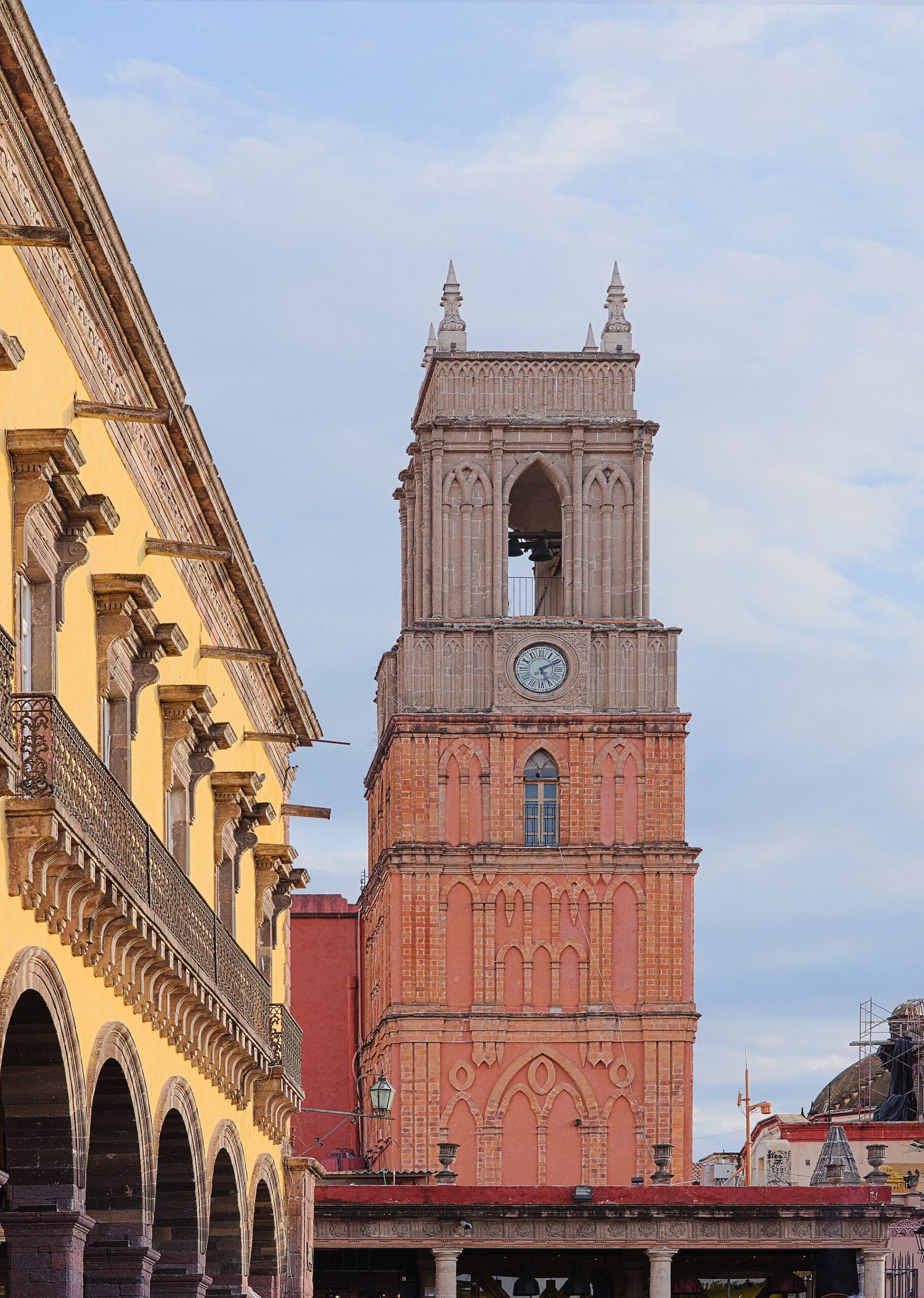
Culinary Tourism & Social Impact
Key Facts
—Initiative. San Miguel Comparte is a campaign promoted by Banco de Alimentos San Miguel de Allende (BASMA).
—Core Mission. It rescues surplus food to reduce waste and support vulnerable families.
—Distintivo BASMA. A recognition for restaurants and hotels that integrate food donation and sustainability.
—Broader Goal. To position San Miguel de Allende as Mexico’s first conscious gastronomic capital.
—Participation. The project invites restaurants, hotels, businesses, residents, and visitors to take part.
A new civic initiative called San Miguel Comparte is working to make San Miguel de Allende Mexico’s first conscious gastronomic capital by linking the city’s celebrated food scene to direct social and environmental action.
What San Miguel Comparte Actually Does
San Miguel Comparte is a project led by BASMA, a local organisation focused on food rescue and community support. It collects surplus food that is still fit for consumption and distributes it to hundreds of families in need.
The operation tackles two problems at once: hunger and food waste. Restaurants, hotels, and businesses donate excess food instead of discarding it, creating a direct link between the city’s high-end culinary economy and its most vulnerable residents.
Food rescue of this kind relies on a simple but disciplined logistics chain. Perishable items must be collected, inspected, and redistributed quickly, often within the same day, to remain safe and nutritious.
That requires close coordination between donor kitchens and the teams that deliver meals to families.
In many tourist cities, the gap between restaurant abundance and neighbourhood need is stark. A single hotel breakfast buffet can generate dozens of untouched portions that would otherwise go to landfill.
Capturing even a fraction of that stream can meaningfully supplement household food budgets.
Redefining What a Gastronomic Capital Means
San Miguel de Allende already enjoys international fame for its restaurants, cooking schools, and food festivals. The conscious gastronomic capital concept adds a new layer: culinary prestige should be measured by how much a destination contributes to local well-being.
The initiative argues that a truly great food city does not only serve world-class meals. It also ensures that food reaches those who need it most and that the environmental cost of dining is taken seriously.
This reframing matters because the term “gastronomic capital” has traditionally been used as a marketing label, focused almost exclusively on visitor experience. Adding a social-responsibility requirement changes the conversation from “how good is the food” to “who benefits from the food economy.”
For a city that draws thousands of culinary tourists each year, the shift is both symbolic and practical. It asks whether the brand value generated by fine dining can be harnessed to close, rather than widen, local inequalities.
The Distintivo BASMA and How Businesses Join
A central tool is the Distintivo BASMA, a recognition awarded to establishments that integrate food donation and sustainable practices into their daily operations. Restaurants, hotels, and other businesses can earn the distinction by committing to regular surplus food rescue.
The visible badge signals to diners and guests that an establishment is part of the solution. For business owners, it offers a way to differentiate themselves in a competitive market increasingly shaped by conscious consumer choices.
Such certification programmes work best when the criteria are clear and the verification is consistent. Participating businesses typically need to document what they donate, maintain food-safety standards during handling, and agree to periodic checks.
The resulting transparency builds trust with customers who want to support responsible operators.
Why This Matters for Investors and Expats
San Miguel de Allende has long been a magnet for foreign residents and investors drawn by its colonial architecture, cultural life, and safety. The conscious gastronomic capital push adds a new dimension to the city’s value proposition.
Properties and businesses associated with verified sustainability and social impact programmes tend to hold value better over time. For expats considering a move, a city that formalises food rescue and community support signals a cohesive, well-managed civil society.
There is also a practical angle for foreign residents who run hospitality businesses. Earning the Distintivo BASMA can serve as a bridge to the local community, helping newcomers demonstrate commitment beyond commercial interest. In a city where expat-local relations are sometimes delicate, that signal carries weight.
The Latin America Read-Through
Mexico’s tourism sector is under pressure to demonstrate that growth does not come at the expense of local communities. San Miguel Comparte offers a replicable model for other destinations across the region.
If the initiative succeeds, it could influence how cities from Oaxaca to Mendoza brand themselves. The idea that a place earns its culinary reputation partly through social responsibility is a quiet but significant shift in Latin American tourism thinking.
Many regional destinations face the same underlying tension: culinary fame attracts investment, but it can also strain local infrastructure and deepen inequality. A model that bakes food rescue into the tourism identity from the start offers a template for managing that tension before it becomes a crisis.
What to Watch Next
The project’s trajectory depends on how many restaurants and hotels sign up for the Distintivo BASMA in the coming months. Early adoption by well-known establishments will set the tone.
Local government endorsement would accelerate the initiative, but the model is designed to work through civic and business channels regardless. Watch for data on tonnes of food rescued and families served as the key performance indicators.
Another open question is whether the conscious gastronomic capital label resonates with international travellers when they make booking decisions. Will visitors actively seek out Distintivo BASMA holders, or will the value remain mostly local and reputational?
The answer will shape how other cities choose to adapt the model.
It will also be worth observing whether the initiative expands beyond food rescue into related areas such as kitchen-oil recycling, composting, or partnerships with local farms. A broader sustainability portfolio would deepen the conscious-capital claim and give participating businesses more ways to engage.
More: Mexico news in English, every day from The Rio Times.
Frequently Asked Questions
What is San Miguel Comparte?
San Miguel Comparte is a BASMA-led initiative in San Miguel de Allende, Mexico, that rescues surplus food from restaurants, hotels, and businesses to distribute to vulnerable families. Its broader mission is to position the city as Mexico’s first conscious gastronomic capital by linking culinary prestige to social and environmental responsibility.
How does the Distintivo BASMA work?
The Distintivo BASMA is a recognition awarded to establishments that commit to regular food donation and sustainable practices. It serves as a visible signal to customers that a business actively contributes to reducing food waste and supporting the local community.
Why does the conscious gastronomic capital concept matter for San Miguel de Allende?
The concept redefines culinary excellence to include social impact, not just restaurant quality. For a city with a large expat population and a tourism-driven economy, it strengthens the brand, supports property values, and demonstrates that growth can benefit all residents.
Sources
Connected Coverage
Pachuca Hosts International Primal Energies Festival of Theatre and Butoh
Guadalajara October Festivals 2026: Dates, Concerts, and Artists Revealed
Sources: BASMA.
This article was produced by The Rio Times’ automated newsroom system. How we use AI · Report an error · Editorial responsibility: Matthias Camenzind, Editor-in-Chief
Expat Guide to Mexico
What The Rio Times publishes for foreigners who live in or move to Mexico.
Start here
- Mexican Peso Falls Past 18.40 on Central Bank Minutes
- Crocodiles in Puerto Vallarta Safety Guide
- Mexico Security and Crime Explained 2026
- Mexico Visa Options 2026 Explained
City guides
Mexico City, Playa del Carmen, Tulum, Puerto Vallarta, Mérida, Oaxaca, San Miguel de Allende, Guadalajara, Monterrey, Cancún
Coming up in Mexico
- Xcaret Festival Opens in Playa del Carmen on 30 October 30 Oct
- Mexico City Grand Prix 2026: Schedule, Tickets and TV 30 Oct
- Day of the Dead 2026 in Mexico City: Dates and Parade 31 Oct
- When Is Day of the Dead 2026? 1 and 2 November 2 Nov
Understand Mexico