
MEXICO · NATURAL RESOURCES
Key Facts
- —The country About 131 million people; the world’s largest silver producer in 2025.
- —Who owns it The nation owns minerals, oil and water; miners hold 30-year concessions.
- —Oil Pemex produced 1.64 million barrels of liquids a day, August 2026.
- —What happened Lithium nationalised in 2022; GM corn planting banned by constitution, 2025.
- —The US link Mexico bought US$30.3 billion of US farm goods in 2024.
- —Still open Rio Grande water Mexico owes the US under a 1944 treaty.
Silver, oil, farmland and forests make Mexico a resource power next door, but the state decides who digs, drills and pumps.
Mexico resources range from the world’s largest silver output to offshore oil, fertile farmland and highland forests. Water is the one resource in short supply.
For Americans, Mexico’s choices shape silver and copper supply, US corn sales, fuel flows and water for Texas farms.
How Mexico Resources Are Owned
Article 27 of the 1917 constitution is the starting point. It says land and water within Mexico’s borders belong originally to the nation, which may grant private use.
Oil and gas in the ground remain national property in every contract, the constitution states. A 2024 amendment, published on 31 October, redefined state energy firms such as Pemex as “state public companies”.
Pemex, short for Petróleos Mexicanos, is the state oil company. It can still sign contracts with private partners, and their output counts in its figures.
Metals work through concessions issued by the Economy Ministry. Since a reform of 8 May 2023, a concession lasts 30 years, with one possible 25-year extension.
The same Mining Law bars new concessions in protected natural areas and in zones without available water. Lithium is the exception to the concession system, because it is reserved for the state.
Water rights are handed out by Conagua, the National Water Commission. Article 27 also protects ejidos, the communal landholdings created after the 1910–1920 revolution.
President Claudia Sheinbaum of the left-wing Morena party has governed since 1 October 2024. Daily coverage sits on the Rio Times Mexico news page, and the wider business map is in Who Runs Mexico’s Economy.
Silver, Copper and Gold
Mexico mined about 6,300 tonnes of silver in 2025, according to the US Geological Survey (USGS), the US government’s minerals statistics agency. That is nearly a quarter of estimated world output of 26,000 tonnes.
Peru came second with 3,600 tonnes and China third with 3,400, by the same estimates. Mexico also holds an estimated 37,000 tonnes of silver reserves.
Copper output was about 690,000 tonnes in 2025, and gold about 140 tonnes. That made Mexico the seventh-largest gold producer, by USGS estimates.
The biggest private player is Grupo México, a mining and rail conglomerate controlled by the Larrea family. It owns 88.9% of Southern Copper, which trades in New York, according to Southern Copper’s latest annual filing.
Grupo México runs the Buenavista del Cobre copper mine at Cananea, in the border state of Sonora. Newmont, the Denver-based gold miner, manages the Peñasquito gold and silver mine in Zacatecas.
Mexican and Canadian companies run many smaller silver and gold mines in the central and northern states. They pay federal mining duties, while landowners and ejidos negotiate access to the land.
The industry lobby, the Mexican Mining Chamber, wants the government to resume granting concessions. Rio Times coverage follows that push to restart concessions and the mining projects left stalled.

Oil and Gas: Pemex Past Its Peak
Pemex produced 1.637 million barrels a day of oil and other liquids from its fields in August 2026. That figure includes private partners, according to Pemex’s monthly statistics report.
Output averaged 1.655 million barrels a day from January to August 2026. That compares with 1.635 million across 2025 and 1.759 million in 2024.
For scale, US oil fields pump several times as much. Mexico’s output still matters because oil duties feed the federal budget.
Pemex reported 4.9 billion cubic feet a day of gas output in the same eight months. About 0.9 billion of that was nitrogen, which is not a fuel.
Crude exports have fallen much faster than output. Pemex shipped 276,000 barrels a day abroad in August 2026, against an average of 806,000 a day in 2024.
Pemex still imported 291,800 barrels a day of gasoline in August 2026. That was more than all the crude oil it exported that month.
Pemex’s debts also weigh on the country. Rio Times coverage of Fitch’s July 2026 review explains how the oil company affects Mexico’s sovereign credit rating.
Lithium: Nationalised Before It Was Mined
A reform published on 20 April 2022 declared lithium a matter of public utility and the heritage of the nation. The Mining Law now bars any concession, licence, contract or permit for it.
Exploration and processing belong to a decentralised state body attached to the Energy Ministry. It was created by decree in August 2022 as Litio para México, known as LitioMx.
The Mexican Geological Survey, a federal agency, must help it locate probable lithium reserves. Any area with lithium deposits counts as a national mining reserve.
The model differs sharply from Chile and Argentina, where private companies produce lithium under state rules. Mexico’s location next to the US car market is why the choice draws attention.
Farmland, Corn and Trade With the US
Mexico is the largest market for US farm exports, according to the US Department of Agriculture (USDA). It bought US$30.32 billion of US agricultural goods in 2024.
Corn led at US$5.62 billion, followed by pork at US$2.58 billion and dairy at US$2.47 billion. Soybeans added US$2.3 billion, by USDA figures.
Corn is also Mexico’s cultural staple, first domesticated there thousands of years ago. In March 2025 the country amended its constitution to protect native varieties.
The amendment says corn grown in Mexico must be free of genetic modification (GM). Any other use of GM corn must be assessed under separate laws for biosafety and health.
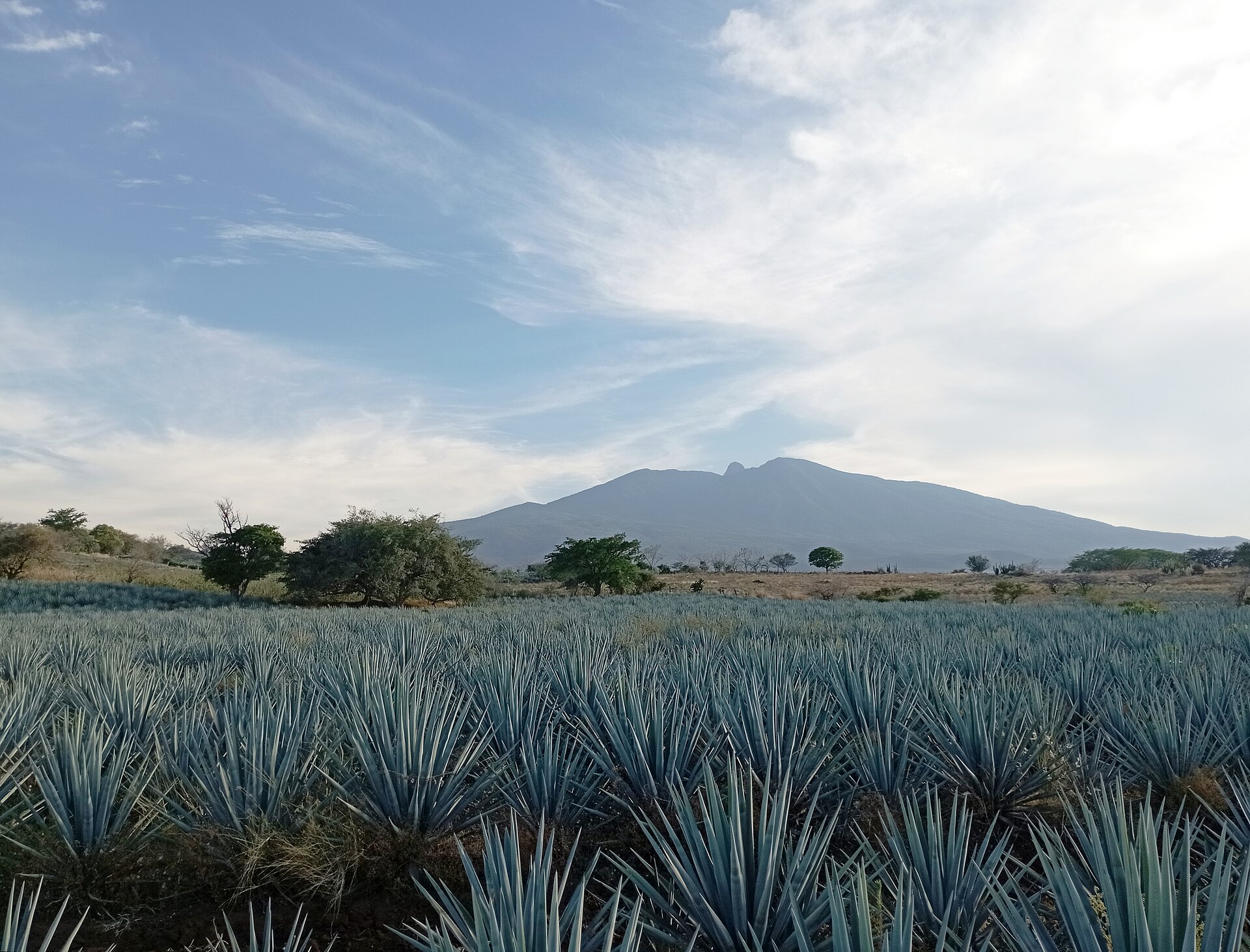
The ban applies to cultivation; other uses, including imported grain, fall under the assessment rule. Mexico’s own fields supply avocados, tomatoes, berries and agave for US shelves.
Farming and the US trade link are central to the nearshoring boom and the USMCA review. The USMCA is the trade pact between the US, Mexico and Canada.
Water: The Scarcest Resource
National waters are federal property, and Conagua issues the concessions to use them. Much of the north and centre is dry, while most rain falls in the south.
The 2023 mining reform bars new mining concessions where no water is available. It also requires mines to recycle at least 60% of their treated wastewater.
Shortages hit cities as well as farms. Experts quoted in Rio Times coverage warned that the water crisis could cost up to 5% of GDP.
Under a 1944 treaty, Mexico must deliver at least 1.75 million acre-feet of Rio Grande water to the US every five years. The US, in turn, sends Mexico 1.5 million acre-feet of Colorado River water a year.
An acre-foot covers an acre, roughly a football field, one foot deep. By 12 April 2025, Mexico had delivered only about 0.51 million acre-feet in the cycle ending that October.
That figure comes from the Congressional Research Service, the US Congress’s research agency. It also noted that President Donald Trump raised the prospect of tariffs and sanctions over the deliveries in April 2025.
Forests and Fisheries
Mexico’s forests run from pine, oak and fir in the highlands to tropical forest in Chiapas and the Yucatán Peninsula. Much forest land belongs to ejidos and indigenous communities rather than private owners.
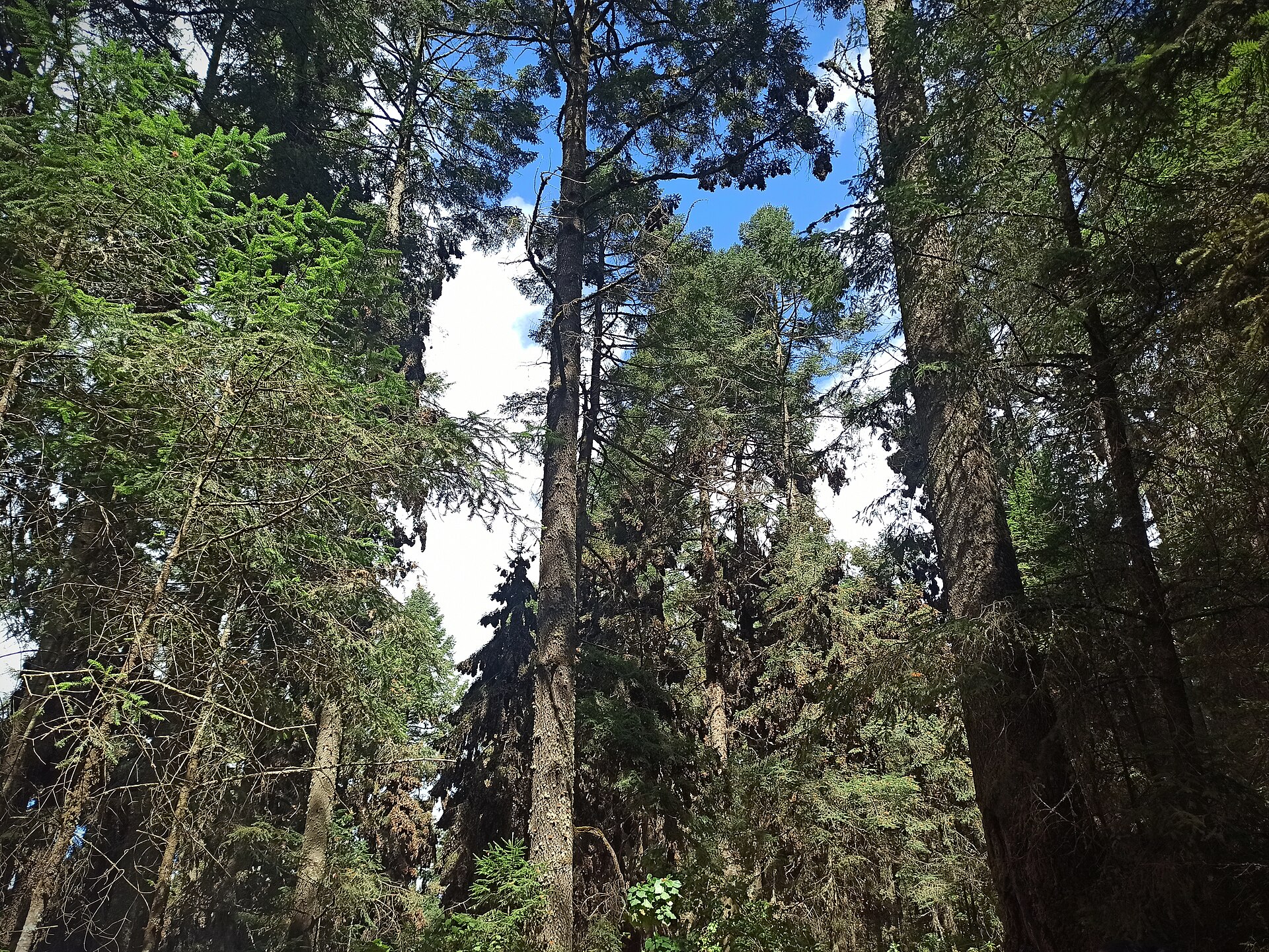
The fir forests of Michoacán and the State of Mexico shelter monarch butterflies that migrate from the US and Canada each winter. Logging, farm expansion and fires all press on these forests.
Mexico has coasts on the Pacific, the Gulf of California, the Gulf of Mexico and the Caribbean. Its fleets catch shrimp, tuna and sardines, regulated by Conapesca, the national fisheries commission.
In the upper Gulf of California, illegal gillnets set for the totoaba fish have pushed the vaquita porpoise toward extinction. The totoaba is prized for its swim bladder, which is smuggled to Asia.
The Environmental Cost
On 6 August 2014, about 40,000 cubic metres of acidic copper solution spilled from the Buenavista del Cobre mine. That is roughly 16 Olympic swimming pools, and it flowed into the Bacanuchi and Sonora rivers.
Federal authorities trucked drinking water to 12,975 residents of seven municipalities, according to a government white paper. Fishing on the Sonora River was suspended until March 2015.
Profepa, the federal environmental enforcement agency, imposed fines totalling at least MXN 19.5 million (about US$1.1 million). The company also committed up to MXN 2 billion (about US$110 million) to a river trust fund.
Peso conversions use 18.10 pesos per US dollar (open.er-api.com, 9 October 2026), not the rate of the time. The business magazine Expansión reported in December 2015 that the damage repair fell short.
Oil has its own costs, from gas flaring offshore to spills from pipelines and illegal taps. Open-pit mines, like the one pictured above, leave large pits and tailings that need watching for decades.
The 2023 mining reform added water-recycling and other environmental duties. How strictly those rules are enforced is one of the open questions in Mexican resource policy.
What It Means for US Readers
US investors hold Mexican resources through New York-listed shares such as Southern Copper and Newmont. Mining rules in Mexico City can move those stocks.
Mexico supplies nearly a quarter of the world’s mined silver, which is used in solar panels and electronics. Any disruption to Mexican mines can tighten supply for US manufacturers.
US farmers depend on Mexico as their biggest export market, so the corn rules matter in Iowa and Illinois. Fuel flows matter too, because Pemex still imports large volumes of gasoline.
Texas farmers in the Rio Grande Valley depend on treaty water from Mexico. When deliveries fall short, the issue quickly becomes part of US trade and tariff politics.
What Is Not Known
It is not confirmed whether LitioMx has produced any lithium commercially, or when it might. No production figures were found in official sources.
The final shortfall of the treaty cycle that ended in October 2025 is not confirmed here from a primary source. The same applies to the terms and progress of later catch-up arrangements.
It is unclear when, or whether, the federal government will resume granting new mining concessions. Current national figures on forest loss and fish stocks were not available from official sources.
Whether the drop in Pemex output in August 2026 is temporary is also unknown. Monthly figures can swing with maintenance, weather and storms in the Gulf.
Frequently Asked Questions
What are Mexico’s most important natural resources?
Silver, copper, gold, oil and gas lead the list, followed by farmland, forests and fisheries. Mexico was the world’s largest silver producer in 2025, by USGS estimates.
Who owns Mexico’s oil and minerals?
The constitution makes the nation the owner of minerals, oil and water. The state runs oil through Pemex and grants private mining concessions of 30 years.
Is Mexico still a big oil exporter?
Less than before. Pemex exported 276,000 barrels a day in August 2026, down from an average of 806,000 in 2024.
Can foreign companies mine lithium in Mexico?
No. Since April 2022 lithium is reserved for the state, and the Mining Law bars any concession or contract for it.
Why does Mexico owe water to the US?
A 1944 treaty requires Mexico to deliver 1.75 million acre-feet of Rio Grande water every five years. The US sends Mexico Colorado River water in return.
Does Mexico allow genetically modified corn?
Not for planting, under a March 2025 constitutional amendment. Other uses of genetically modified corn are assessed under separate laws.
Sources: INEGI, Intercensal Survey 2025; Pemex, Estadísticas Petroleras, August 2026; USGS Mineral Commodity Summaries 2026, silver, copper and gold; Constitution of Mexico (Articles 4, 27 and reforms of 2024 and 2025); Ley de Minería (last reform DOF 8 May 2023); Supreme Court DOF summary, 23 August 2022 (LitioMx decree); USDA Foreign Agricultural Service, Mexico; Congressional Research Service, 1944 US-Mexico Water Treaty (April 2025); Government of Mexico, Libro Blanco on the Sonora River spill; Southern Copper Form 10-K (SEC); Newmont operations; Expansión (all accessed 9 October 2026).
This article was produced by The Rio Times’ automated newsroom system. How we use AI · Report an error · Editorial responsibility: Matthias Camenzind, Editor-in-Chief