Pachuca Butoh Festival Brings Primal Theater to Mexico
Cultural Investment & Frontier Living
Key Facts
—Dates. The festival runs from 23 July to 16 August at the Centro Cultural del Ferrocarril in Pachuca, Hidalgo.
—Programme. Nine stage performances are scheduled, alongside intensive workshops, body-research laboratories, and artist talks.
—International Reach. Artists and companies from Mexico and Chile will participate, including companies and solo performers from Mexico and Chile.
—Tickets. Advance tickets cost 100 pesos (roughly US$5.50), with box-office prices at 120 pesos and discounts for students and INAPAM members.
—Venue. All events take place at the Sala Ramón Noble, a cultural space inside Pachuca’s historic railway cultural centre.
The second International Primal Energies Festival will bring nine stage works, Butoh, and body-research laboratories to Pachuca this July, signalling Hidalgo’s growing pull as a cultural-tourism destination for investors and expats watching Mexico’s decentralising arts economy.
A Festival Built on Physical Research
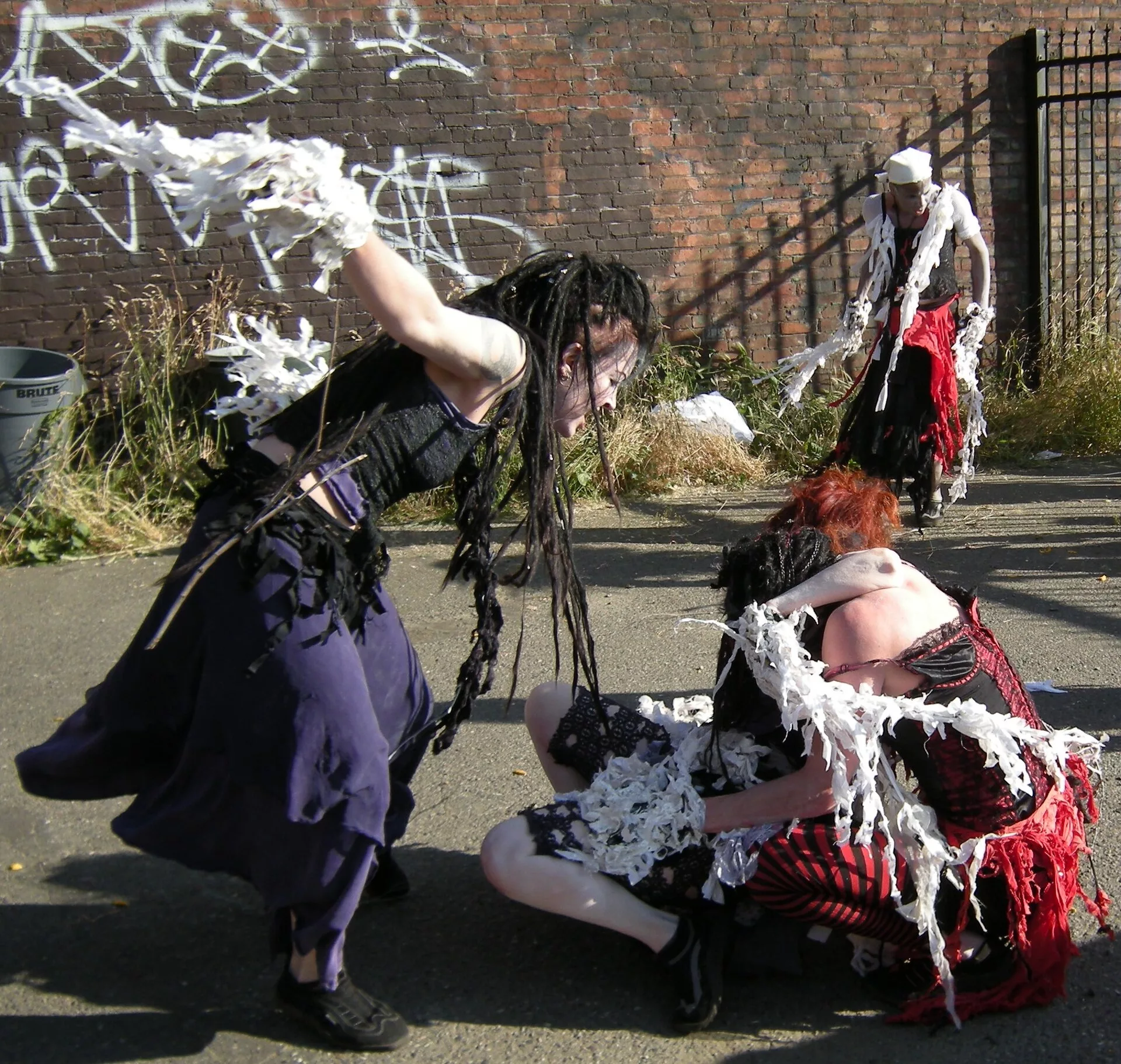
The second International Encounter “Energías de lo Primitivo: Investigación y Prácticas Escénicas” opens on 23 July at the Sala Ramón Noble inside Pachuca’s Centro Cultural del Ferrocarril. Organisers have programmed nine performances that span physical theatre, performative dance, and the Japanese-born Butoh form, alongside intensive training laboratories and artist talks.
The festival’s name points to its core inquiry: how primal, pre-verbal energy can be channelled through the body on stage. It is a niche that attracts serious practitioners and a dedicated international audience, making it a small but telling indicator of where Mexico’s contemporary arts infrastructure is deepening beyond the capital.
The Programme: From Strawberries to Animal Revolution
The opening performance on 23 July is “Sabor Fresa” by Racso Cabrera, a work that sets the tone for a month of body-forward experimentation. Guadalupe Lobos follows on 26 July with “Habitar la sal,” a piece that explores the body’s relationship with salt and arid landscapes.
Chilean artist Iko Lee brings “Animal Revolution,” a solo work that has drawn attention on the Latin American festival circuit for its raw physicality. Other programmed works include “Nadie supo de dónde venían” by La CoLeCtIvA, “Coatlicue” by Marien Luévano, “Presagios” by Teatro Cuerpo Social, “El sueño de la luna” by Eugenia Vargas, and “KI.
La respiración del tiempo” by Chile’s Teatro Iris.
Why Pachuca? The Decentralisation Play
Pachuca, the capital of Hidalgo, sits roughly 90 kilometres north of Mexico City, a drive that has become more manageable with improved highway infrastructure. The city has been quietly building a cultural corridor anchored by the Centro Cultural del Ferrocarril, a converted railway complex that now houses galleries, theatres, and workshop spaces.
For expats and investors tracking Mexico’s secondary cities, Pachuca offers a case study in how cultural programming can shift a city’s profile. The Primal Energies Festival is small by global standards, but its international bookings and training component suggest a serious long-term play rather than a one-off event.
The Chile Connection and Cross-Border Arts Economics
The presence of two Chilean acts — Iko Lee and Teatro Iris — is not accidental. Chile has developed a strong contemporary dance and physical-theatre ecosystem over the past two decades, supported by state funding and a network of festivals that regularly exchange work with Mexico.
These cross-border artistic relationships often fly under the radar of mainstream business coverage, but they map onto broader Pacific Alliance cultural and economic ties. For arts investors, the Mexico-Chile pipeline is a proven route for touring work and co-production deals that can access funding from multiple national sources.
Tickets, Access, and the Local Economy
Advance tickets are priced at 100 pesos (approximately US$5.50), with box-office sales at 120 pesos. Package deals and discounts for students and INAPAM members — Mexico’s national institute for older adults — make the festival accessible to a broad local audience.
These price points reflect a deliberate strategy to build audience loyalty rather than maximise short-term revenue. For a city like Pachuca, a month-long festival with international artists generates spillover spending in restaurants, hotels, and transport that can outstrip ticket income several times over.
What the Primal Energies Festival Means for Cultural Investors
Mexico’s cultural sector has been one of the more resilient segments of the economy, with festivals acting as anchors for tourism even when broader macroeconomic conditions tighten. The Primal Energies Festival fits a pattern of specialised, research-driven gatherings that attract a high-value audience willing to travel.
For expats considering Hidalgo as a base, the festival signals that Pachuca’s cultural calendar is becoming more sophisticated. The combination of performance, training, and international exchange creates the kind of soft infrastructure that makes a city livable for knowledge workers and remote professionals.
More: Mexico news in English, every day from The Rio Times.
Frequently Asked Questions
What is the Primal Energies Festival in Pachuca?
It is the second International Encounter “Energías de lo Primitivo,” a festival of physical theatre, performative dance, and Butoh running from 23 July to 16 August at the Centro Cultural del Ferrocarril. The programme includes nine stage performances plus workshops, body-research laboratories, and artist talks with participants from Mexico and Chile.
How much do tickets cost for the festival?
Advance tickets are 100 pesos (about US$5.50), while box-office tickets cost 120 pesos. Package deals and discounts are available for students and INAPAM members, making the festival accessible to a wide range of attendees.
Which international artists are performing at the festival?
Chilean artists Iko Lee and Teatro Iris are the international headliners, presenting “Animal Revolution” and “KI. La respiración del tiempo” respectively.
The rest of the programme features Mexican companies and solo performers including Racso Cabrera, Guadalupe Lobos, La CoLeCtIvA, Marien Luévano, Teatro Cuerpo Social, and Eugenia Vargas.
Sources
Connected Coverage
Guadalajara October Festivals 2026: Dates, Concerts, and Artists Revealed
San Miguel Comparte Aims to Make City Mexico’s First Conscious Gastronomic Capital
Sources: Centro Cultural del Ferrocarril.
This article was produced by The Rio Times’ automated newsroom system. How we use AI · Report an error · Editorial responsibility: Matthias Camenzind, Editor-in-Chief
Expat Guide to Mexico
What The Rio Times publishes for foreigners who live in or move to Mexico.
Start here
- Mexican Peso Falls Past 18.40 on Central Bank Minutes
- Crocodiles in Puerto Vallarta Safety Guide
- Mexico Security and Crime Explained 2026
- Mexico Visa Options 2026 Explained
City guides
Mexico City, Playa del Carmen, Tulum, Puerto Vallarta, Mérida, Oaxaca, San Miguel de Allende, Guadalajara, Monterrey, Cancún
Coming up in Mexico
- Xcaret Festival Opens in Playa del Carmen on 30 October 30 Oct
- Mexico City Grand Prix 2026: Schedule, Tickets and TV 30 Oct
- Day of the Dead 2026 in Mexico City: Dates and Parade 31 Oct
- When Is Day of the Dead 2026? 1 and 2 November 2 Nov
Understand Mexico