
MEXICO · FOOD
Key Facts
- —The country Mexico, whose traditional cuisine UNESCO listed as cultural heritage in 2010.
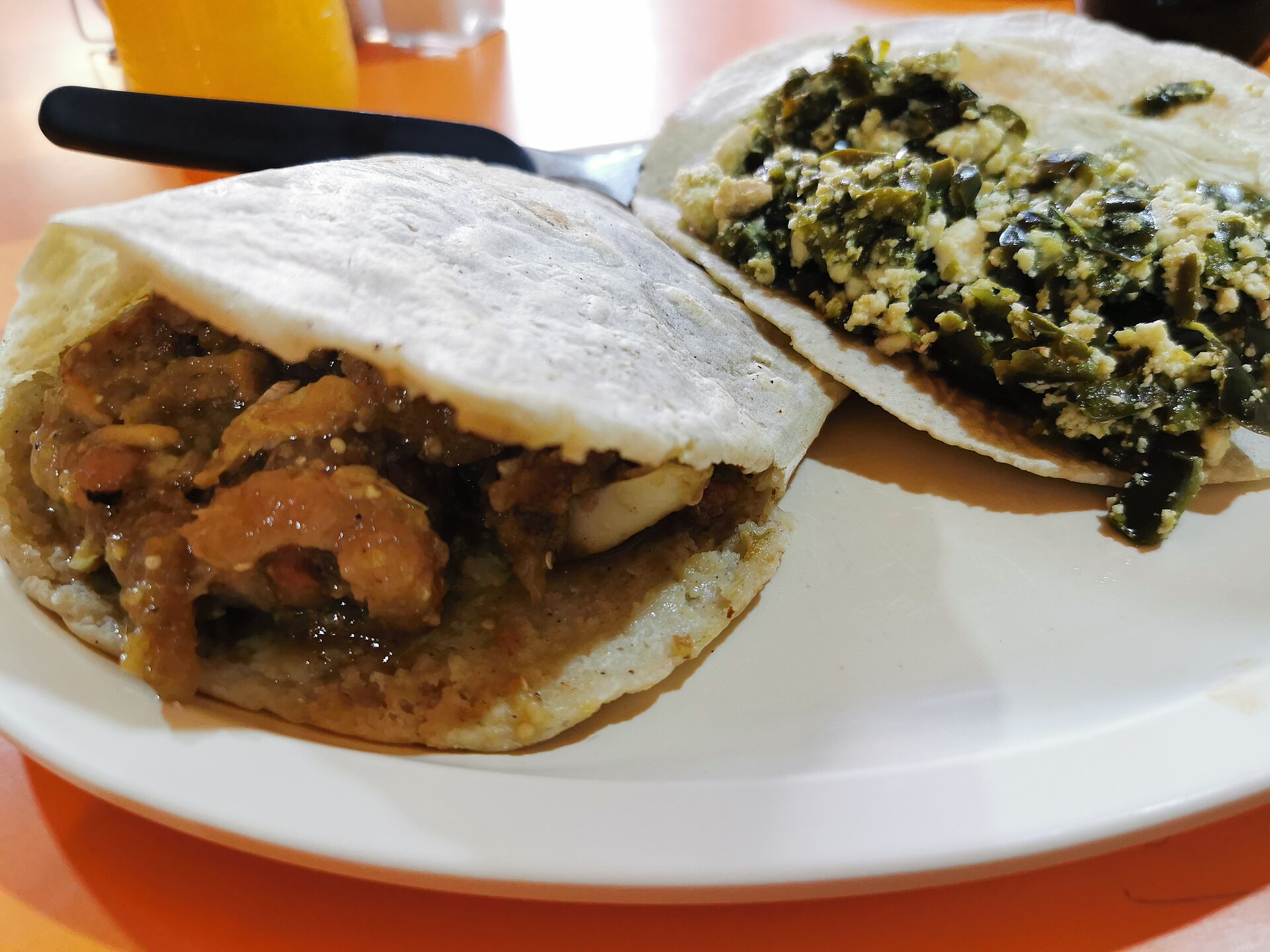
- —The dish A thick corn cake, griddled or fried, then split and stuffed.
- —The classic Chicharrón prensado, pressed pork crackling; beans and requesón cheese are common too.
- —What happened Average price rose 8.7% to 25 pesos (about US$1.39) by January 2026.
- —Where to eat Sonora Market, La Vikina and Mixcoac Market in Mexico City.
- —What it means for you Carry small peso notes; most adults pay cash for small purchases.
What a gordita is, what goes inside, what it costs in 2026 and how US visitors can order one in Mexico City.
Gorditas are thick corn cakes that Mexican cooks griddle or fry, slit open and stuff with fillings such as pressed pork crackling. In January 2026 a gordita cost 25 pesos (about US$1.39) on average, according to Mexico’s small-shopkeeper alliance.
For a US visitor, two gorditas make a full street breakfast for under US$3. The dish shares only its name with the fast-food item sold in the United States.
This guide covers the dough, fillings, regional styles, 2026 prices, where to look in Mexico City and how to order. For the wider menu, see this guide to 25 Mexican dishes and where to eat them.
What Gorditas Are and How They Are Made
The word means “little fat one”, a nod to the thickness of the dough. Spain’s Royal Spanish Academy defines the Mexican “gorda” as a corn tortilla “thicker than the common one”.
The dough is masa, made from corn cooked with lime, a process called nixtamalisation. UNESCO, which listed traditional Mexican cuisine as cultural heritage in 2010, names that technique among its foundations.
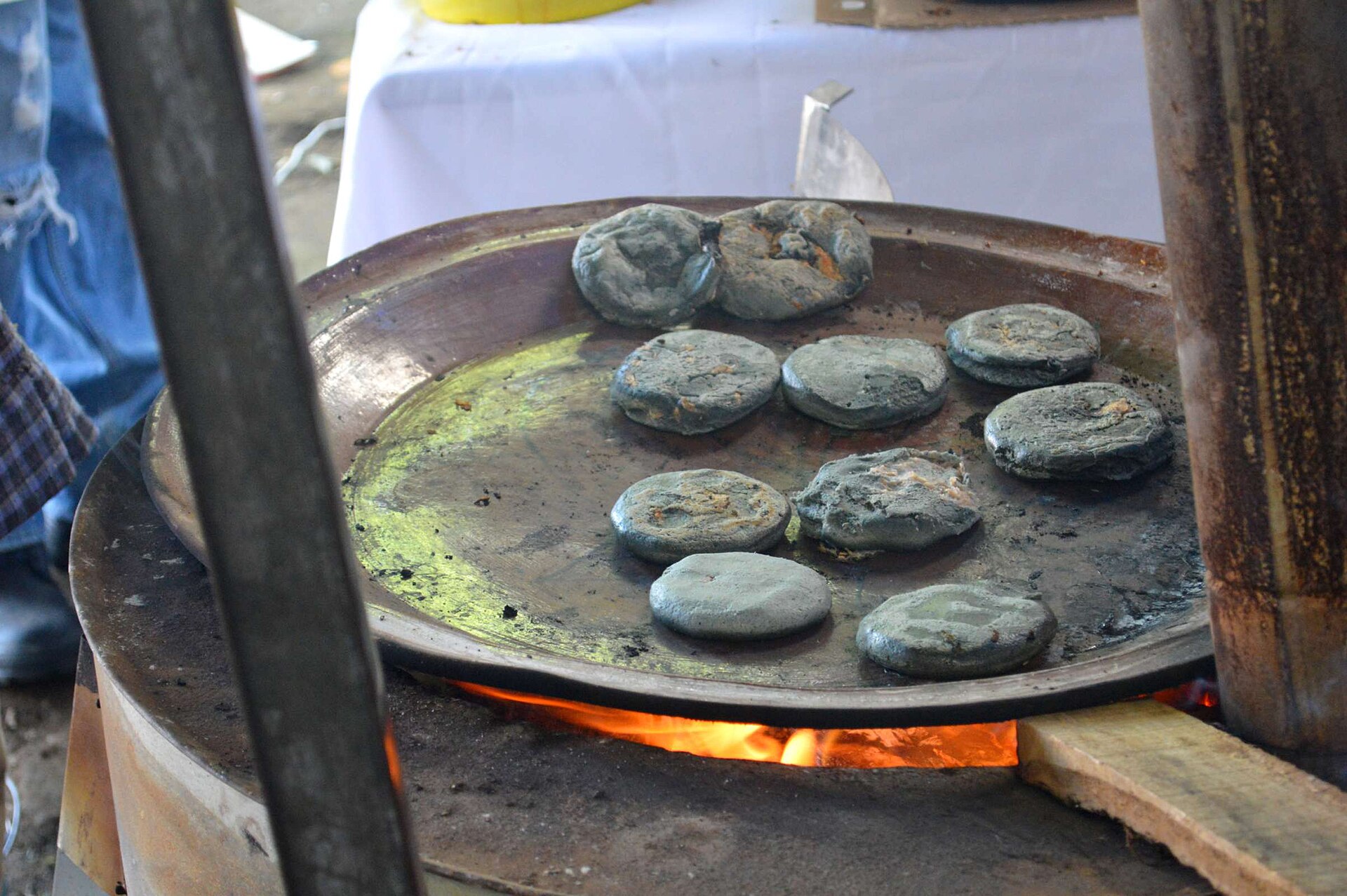
Cooks pat the masa into a thick disc and cook it on a comal, a flat griddle. Many then fry it in oil or lard for a crisp shell.
Once cooked, the cake is slit along one edge to make a pocket. The filling goes inside, followed by salsa, onion, coriander or cheese.
That pocket is what sets a gordita apart from its masa cousins on the same street-stall menu:
- Gordita: a thick round cake, split after cooking and stuffed like a pocket.
- Sope: a thick disc with a pinched rim, topped rather than filled.
- Tlacoyo: an oblong or triangular cake with the filling sealed inside before cooking.
- Pupusa and arepa: stuffed corn cakes from El Salvador and from Venezuela and Colombia, familiar to many US diners.

The Fillings to Know, From Pork Crackling to Beans
Chicharrón prensado is the filling that appears at nearly every stall in local guides to Mexico City gorditas. It is pork crackling and trimmings pressed into a dense block, then reheated with chilli until soft and spicy.
The other fillings named most often by Chilango, a Mexico City listings magazine, and the business daily El Financiero are these:
- Frijoles: refried beans, the standard meat-free choice.
- Requesón: a soft, ricotta-like fresh cheese, often mixed with chicharrón.
- Papa and haba: mashed potato or fava-bean paste, both cheap and filling.
- Tinga de pollo: shredded chicken stewed with tomato and chipotle chilli.
- Carnitas, suadero and pastor: taquería meats, offered by stalls that also sell tacos.
- Combinations: Gorditas Mixcoac’s “La Ricota” pairs chicharrón with requesón, El Financiero reported in 2022.
Toppings follow. Mexico City’s tourism portal notes that nearly everything off a comal can come with dry white cheese, crema (soured cream) or both.
Ask for “con todo” to get every topping, or “sin queso” and “sin crema” to skip the dairy. The same portal suggests the second option for delicate stomachs.
Regional Styles and the Sweet Gorditas of La Villa
Gorditas change flour and shape as you travel. The Comarca Lagunera, the Torreón area spanning Coahuila and Durango, is known for gorditas made with wheat flour rather than corn.
Chilango reported that style in 2022, with northern fillings such as asado, a red-chilli pork stew, and picadillo, minced meat. Mexico News Daily, an English-language outlet in Mexico, also describes flour versions in Coahuila and Durango.
Not every gordita is savoury. Around the Basilica of Guadalupe, the Catholic shrine in northern Mexico City, vendors sell Gorditas de La Villa.
Mexico City’s tourism portal describes them as small, slightly sweetened corn discs cooked on comales and wrapped in brightly coloured tissue paper. It calls them the obligatory sweet reward for pilgrims to the Virgin of Tepeyac.
Pilgrim numbers peak around 12 December, the feast of the Virgin of Guadalupe. A separate guide covers Virgin of Guadalupe Day in Mexico City and what to expect there.
What a Gordita Costs in 2026, in Pesos and US Dollars
The most recent national figure comes from ANPEC, the National Alliance of Small Shopkeepers, a lobby group for Mexico’s corner stores. Its January 2026 figures, reported by the newspaper Publimetro, put the average gordita at 25 pesos (about US$1.39).
That was two pesos (about US$0.11), or 8.7%, more than in January 2025. Conversions here use the central bank Banco de México’s FIX rate of 6 October 2026, 17.97 pesos per US dollar.
The same ANPEC list gives a sense of scale for other street staples, at January 2026 average prices:
- Taco de guisado (stew taco): 16 pesos (about US$0.89)
- Tamal: 25 pesos (about US$1.39)
- Gordita: 25 pesos (about US$1.39)
- Quesadilla: 27 pesos (about US$1.50)
- Sope: 30 pesos (about US$1.67)
- Huarache, a long sandal-shaped masa base: 40 pesos (about US$2.23)
- Comida corrida, a set lunch: 90 pesos (about US$5.01)
Averages hide a wide range. In November 2022 Chilango found Mexico City stalls charging from 15 pesos (about US$0.83) to 35 pesos (about US$1.95) per gordita.
Its examples, converted at the October 2026 rate, show how style and filling move the price:
- La Vikina, Calzada del Hueso at Calzada de Tlalpan: fried chicharrón, requesón or bean gorditas from 15 pesos (about US$0.83) in 2022.
- Gorditas Mixcoac, Mixcoac Market: from 15 pesos (about US$0.83), with loaded “atascadas” up to 42 pesos (about US$2.34) in April 2022, per El Financiero.
- El Güero, San Juan de Aragón Market: “ahogadas”, double-cooked and bathed in salsa, from 20 pesos (about US$1.11) in 2022.
- Gorditas 100% Laguneras, Colonia Ajusco in Coyoacán: wheat-flour Laguna style from 35 pesos (about US$1.95) in 2022.
- Raíces Centro Cultural, Colonia Banjidal: a plate of three cracked-corn gorditas for 65 pesos (about US$3.62) in 2022.
Expect more today. ANPEC’s figures show the street staples it tracks rose between 6.6% and 21.4% in the year to January 2026.
On those figures, budget roughly 25 to 45 pesos (about US$1.39 to US$2.50) per gordita at stalls in 2026. Loaded versions and sit-down antojerías, cafés that specialise in masa snacks, cost more.
Where to Find Good Gorditas in Mexico City
The safest bet is a busy public market. Mexico City’s government tourism portal names several gordita spots in its borough-by-borough food guide.
- Sonora Market (Venustiano Carranza): known for its herbal and folk-magic stalls, it also sells pork-rind gorditas, pambazos and pozole, the portal says.
- La Vikina (Calzada de Tlalpan at Calzada del Hueso, in the south): its crunchy gorditas with single, double or triple fillings “gather crowds”, according to the portal.
- Comal Oculto (San Miguel Chapultepec): a tiny restaurant the portal credits with lifting gorditas and suadero to “an excellent flavor level”.
- Mixcoac Market (Benito Juárez): El Financiero called Mixcoac the neighbourhood of legendary gorditas in 2022; Gorditas Mixcoac had then traded for over 40 years.
- Basilica of Guadalupe (Gustavo A. Madero): the place for sweet Gorditas de La Villa.
Hours skew to breakfast and lunch. Several stalls in Chilango’s 2020 guide opened around 8 a.m. and closed by mid-afternoon or early evening.
Stalls move and prices change, so check a recent listing or map review before crossing the city for one.
If your trip continues south, masa takes other forms, from Oaxaca’s giant tlayudas to the market snacks in this Puebla restaurant guide.
How to Order, Pay and Eat Safely
A few phrases cover most stalls, and even basic Spanish speeds things up:
- “Una gordita de chicharrón, por favor”: one pork-crackling gordita, please.
- “¿De qué tiene?”: what fillings do you have?
- “Con todo” or “sin queso, sin crema”: with everything, or no cheese and no cream.
- “¿Pica?”: is it spicy?
- “¿Cuánto es?”: how much is it?
- “Para llevar”: to take away.
Pay in pesos and carry coins and small notes. INEGI, Mexico’s statistics office, found that 85.2% of adults mostly paid cash for purchases up to 500 pesos (about US$28) in 2024.
That share was down from 90.1% in 2021, as cards and transfers grew. Break large notes first: a 500-peso note (about US$28) is a lot of change for a 25-peso (about US$1.39) snack.
The US Centers for Disease Control and Prevention (CDC) advises travellers to avoid street food. Those who eat it should choose food cooked and served steaming hot and skip raw vegetables.
The agency also lists fresh salsas made from raw fruit or vegetables among foods to avoid. It recommends a hepatitis A vaccine for unvaccinated travellers to Mexico aged one or older.
Locals apply a simpler test, echoed by Mexico City’s tourism portal. Eat where the queue is long and the food turns over fast.
What It Means for US Readers
Many Americans know the name from Taco Bell’s Cheesy Gordita Crunch, a soft flatbread wrapped around a crunchy taco shell. A Mexican gordita has no shell: it is corn masa, with the filling inside the dough.
At 25 pesos (about US$1.39), a gordita is cheap by US standards. A card-only traveller is still likely to struggle at stalls, so plan cash for every street-food stop.
Health planning is simple but worth doing before the flight. The CDC’s Mexico page, last reviewed on 3 September 2026, recommends hepatitis A vaccination for unvaccinated travellers.
Gorditas fit any itinerary, from a Mexico City layover to a long food trip. For timing, see the region-by-region guide to the best time to visit Mexico.
More on Mexico as a food destination in 2026 and wider practical coverage sit on the Rio Times Mexico page.
What Is Not Known
No government body publishes a price index for gorditas. ANPEC’s averages, as reported by Publimetro, do not state which cities or how many stalls were sampled.
The individual stall prices above date from 2022 and were not re-checked at each stall in October 2026. Opening hours and even locations can change without notice.
US dollar values move with the exchange rate. A stronger or weaker peso will change what a gordita costs a US visitor, even if the peso price stays the same.
Frequently Asked Questions
What is a gordita in Mexico?
A gordita is a thick cake of corn masa, griddled or fried, then split and stuffed like a pocket. The name means “little fat one”.
How much does a gordita cost in Mexico in 2026?
The average was 25 pesos, about US$1.39, in January 2026, according to the small-shopkeeper alliance ANPEC. Loaded versions and sit-down restaurants charge more.
What is the most popular gordita filling?
Chicharrón prensado, pressed pork crackling stewed with chilli, appears at nearly every stall in Mexico City guides. Beans, requesón cheese, potato and stews are common alternatives.
How is a gordita different from a sope or a tlacoyo?
A gordita is split and stuffed after cooking. A sope is topped like an open tart, and a tlacoyo is an oblong cake with the filling sealed inside.
Is it safe for US visitors to eat gorditas from street stalls?
The CDC advises avoiding street food and says those who try it should eat food served steaming hot. It also recommends skipping raw salsas and getting a hepatitis A vaccine.
Is a Mexican gordita the same as a Taco Bell gordita?
No. Taco Bell’s Cheesy Gordita Crunch wraps flatbread around a hard taco shell, while a Mexican gordita is a stuffed corn cake.
Are there sweet gorditas?
Yes. Gorditas de La Villa, small sweetened corn discs wrapped in coloured tissue paper, are sold around Mexico City’s Basilica of Guadalupe.
Sources: Primary: Banco de México, FIX exchange rate, 6 October 2026; INEGI, National Financial Inclusion Survey (ENIF) 2024, 13 March 2025; UNESCO, Traditional Mexican cuisine (2010); Real Academia Española, Diccionario, “gordo, gorda”; CDC, Health Information for Travelers to Mexico; CDC, Food and Water Safety; Mexico City government tourism portal, Street Food, Gustavo A. Madero, Coyoacán, Venustiano Carranza and Miguel Hidalgo food pages; Taco Bell, Cheesy Gordita Crunch. Regional: Publimetro, 18 January 2026 (ANPEC prices); Chilango, 16 November 2022; Chilango, 16 November 2020; El Financiero, 21 April 2022; El Financiero, 25 April 2023; Mexico News Daily, 7 June 2025 (all accessed 7 October 2026).
This article was produced by The Rio Times’ automated newsroom system. How we use AI · Report an error · Editorial responsibility: Matthias Camenzind, Editor-in-Chief