How to Stay Safe in Colombia in 2026: Advisories, Dating-App Risks and Regions to Avoid
GUIDES · COLOMBIA
Key Facts
- —What it is A practical safety guide for Colombia, South America’s second most populous country and a growing base for expats.
- —Who it’s for Expats, retirees, digital nomads and travellers heading to Bogotá, Medellín, Cartagena and the Caribbean coast.
- —The rules The US rates Colombia Level 3, “Reconsider travel”, with four departments and the Venezuelan border zone at Level 4. The UK advises against all but essential travel to parts of the country.
- —The catch Most crime against foreigners is opportunistic: drugging after dating-app meetings, robberies in street taxis and express kidnappings at ATMs.
- —What is still open How the armed strike declared in Santa Marta on 21 September plays out, and whether the new government’s security push reduces violence.
Safety in Colombia depends less on luck than on a handful of habits: how you meet people, how you get around and where you choose to go.
Millions of foreigners visit Colombia each year without trouble, yet both Washington and London warn of drugging, robbery and armed groups. This guide turns the official advice into plain steps for anyone living in or visiting the country.
What the official travel advisories say
As of 22 September 2026, the US State Department rates Colombia at Level 3, “Reconsider travel”. The current advisory was issued on 31 March 2026. It cites crime, terrorism, civil unrest, kidnapping and natural disasters.
Washington places five areas at Level 4, “Do not travel”. They are Arauca, Cauca except the city of Popayán, Valle del Cauca except Cali, Norte de Santander, and a 10-kilometre strip along the Venezuelan border.
The UK Foreign, Commonwealth and Development Office (FCDO) draws a longer but more local list. It advises against all but essential travel to all of Norte de Santander, including Cúcuta, all of Arauca and all of Cauca except Popayán.
The FCDO list also covers most of Chocó, western Valle del Cauca including Buenaventura, and the Urabá and Bajo Cauca regions of Antioquia. It adds Jamundí near Cali, Puerto Carreño in Vichada, a 5-kilometre strip along the Venezuelan and Ecuadorian borders, and parts of Nariño, Córdoba, Bolívar, Caquetá, Meta, Guaviare and Putumayo.
The FCDO makes useful exceptions. Quibdó, Nuquí, Bahía Solano and Capurganá in Chocó are outside its warning. So is San José del Guaviare, and the Caño Cristales river, if you fly in from La Macarena with a reputable operator.
For most foreigners the practical message is reassuring. Bogotá, Medellín, Cartagena, the coffee region and the Caribbean coast sit outside both governments’ red zones. Ignoring FCDO advice, however, can invalidate travel insurance.
How dangerous Colombia is in numbers
Colombia’s forensic institute, Medicina Legal, counted 14,780 homicides in 2025 in preliminary figures. That was up from 14,021 in 2024, as reported by El Colombiano in March 2026.
InSight Crime, a research group, put the national homicide rate at 25.8 per 100,000 people in 2025, against 25.3 in 2024. The National Police gave a similar rate of 26 per 100,000 and called it the lowest in seven years.
Those rates are several times higher than in Western Europe or the United States. But most killings happen in disputes between armed and criminal groups, often far from the neighbourhoods where foreigners live and stay.
Crime that targets visitors is harder to count. In Bogotá, the city’s security department recorded 161 robberies using scopolamine in the first eight months of 2024. The Attorney General’s Office had logged 915 complaints by May of that year, according to Noticias RCN.
The two agencies count differently, and many cases are likely never reported. Chapinero, a nightlife and business district popular with foreigners, topped the complaints list with 206 cases. For city-by-city homicide data, see our separate guide, Is Colombia Safe for Foreigners?
Dating apps, drugging and scopolamine
The single most specific warning for foreigners concerns dating apps. The State Department states that “many U.S. citizens in Colombia have been drugged, robbed, and even killed by Colombian criminals posing as dates”.
The US Embassy in Bogotá issued a security alert on 10 January 2024. It reported eight suspicious deaths of US citizens in Medellín between 1 November and 31 December 2023, involving suspected overdoses or homicides.
The embassy said criminals use dating apps to lure victims to hotels, restaurants and bars, then assault and rob them. Several of the deaths were linked to such meetings, according to the alert.
The FCDO describes the same pattern for British travellers. It says criminals work in teams, with women “easing the victim into a false sense of security”. Victims are then incapacitated and robbed.
Scopolamine, known locally as burundanga, is the drug most often named. The FCDO warns it can be given in food, drinks, cigarettes, aerosols and even paper flyers. Victims become disoriented quickly and may lose memory.
The drug can also cause loss of consciousness and, in large doses, death. Anyone who suspects they have been drugged should seek medical help at once, even if they feel better.
Practical rules for meeting people
Meet new contacts in busy public places and travel there on your own. Tell a friend where you are going, with the person’s profile and a time to check in.
Never leave a drink unattended and do not accept food, drinks or cigarettes from strangers. The FCDO also advises against inviting strangers to your accommodation, or going to theirs.
Carry only what you need for the evening: one card, a little cash and a phone with a backup elsewhere. Leave your passport in a safe and carry a colour copy of the photo page and visa, as the FCDO recommends.
Taxis, ride apps and express kidnappings
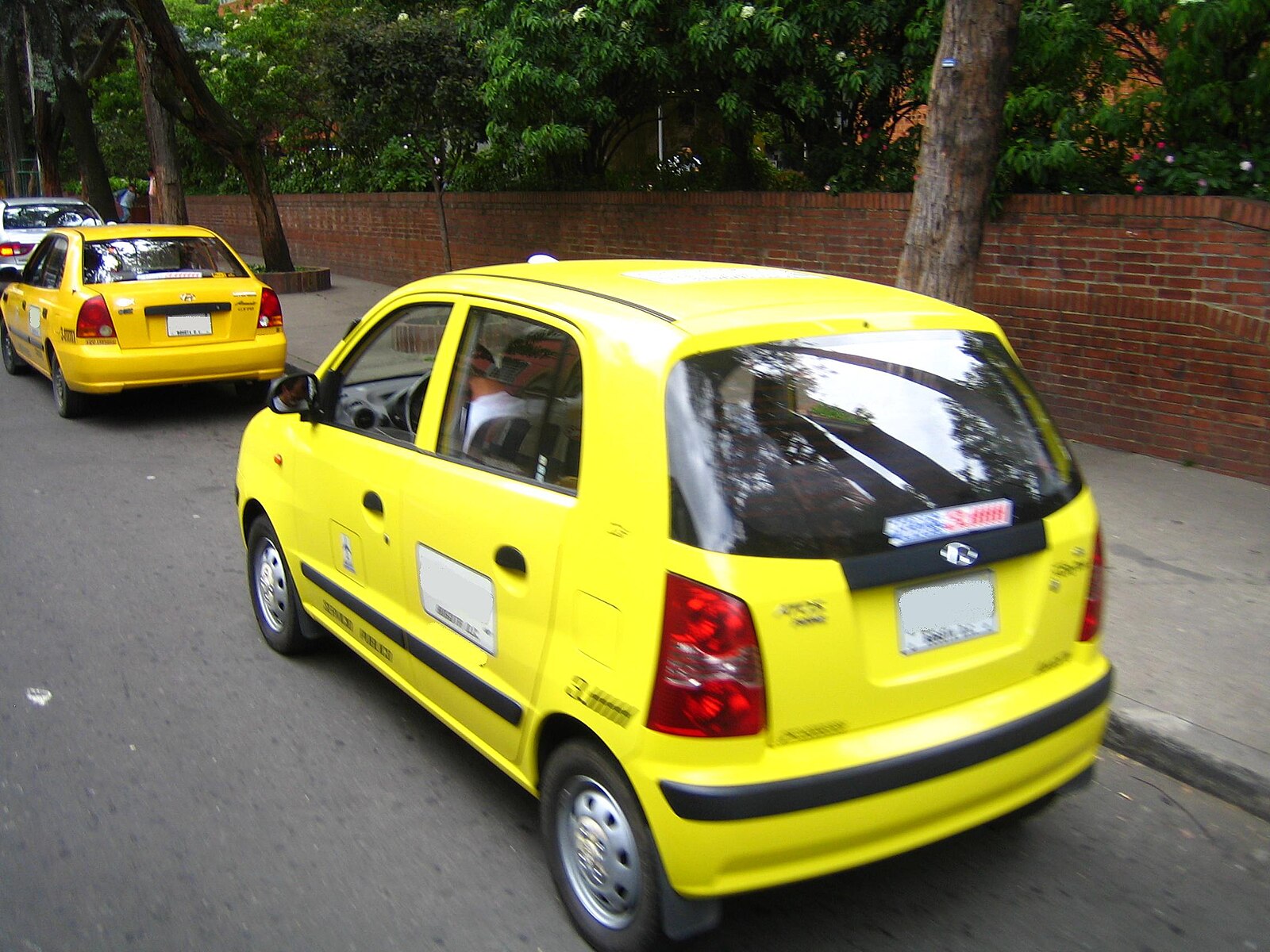
The second big risk is transport. The State Department says US citizens “have been killed during robberies while using taxis hailed on the street”. It recommends a dispatch service or transport app whenever possible.
US government staff in Colombia face tighter rules than tourists. They may not hail street taxis, use public transport or ride motorcycles, and need permission to travel to land borders.
The FCDO warns that “express kidnappings” are common. Colombians often call them “paseos millonarios”. Criminals, often posing as taxi drivers, seize a victim and force them to empty accounts at ATMs or by bank transfer.
Victims are usually released quickly, but people who resisted have been killed. If it happens to you, hand over what is demanded and do not fight back.
How to move around more safely
Order taxis through an app or a hotel, restaurant or company dispatch line. Check that the plate and driver match the booking before you get in, and share the trip with a friend.
Use cash machines inside banks, supermarkets or shopping centres during business hours. Both the US and UK governments give this advice, because express kidnappers often pick victims near street ATMs at night.
Be wary of people posing as police. The FCDO says fake officers in Bogotá may ask to inspect your money for counterfeits. Ask to be escorted to the nearest police post, known as a CAI.
City by city: Bogotá, Medellín and the Caribbean coast
The FCDO lists pickpocketing, mugging and armed robbery as problems in Bogotá, Medellín, Cali and on the Caribbean coast. It notes British nationals have been robbed at gunpoint in Bogotá’s historic La Candelaria district.
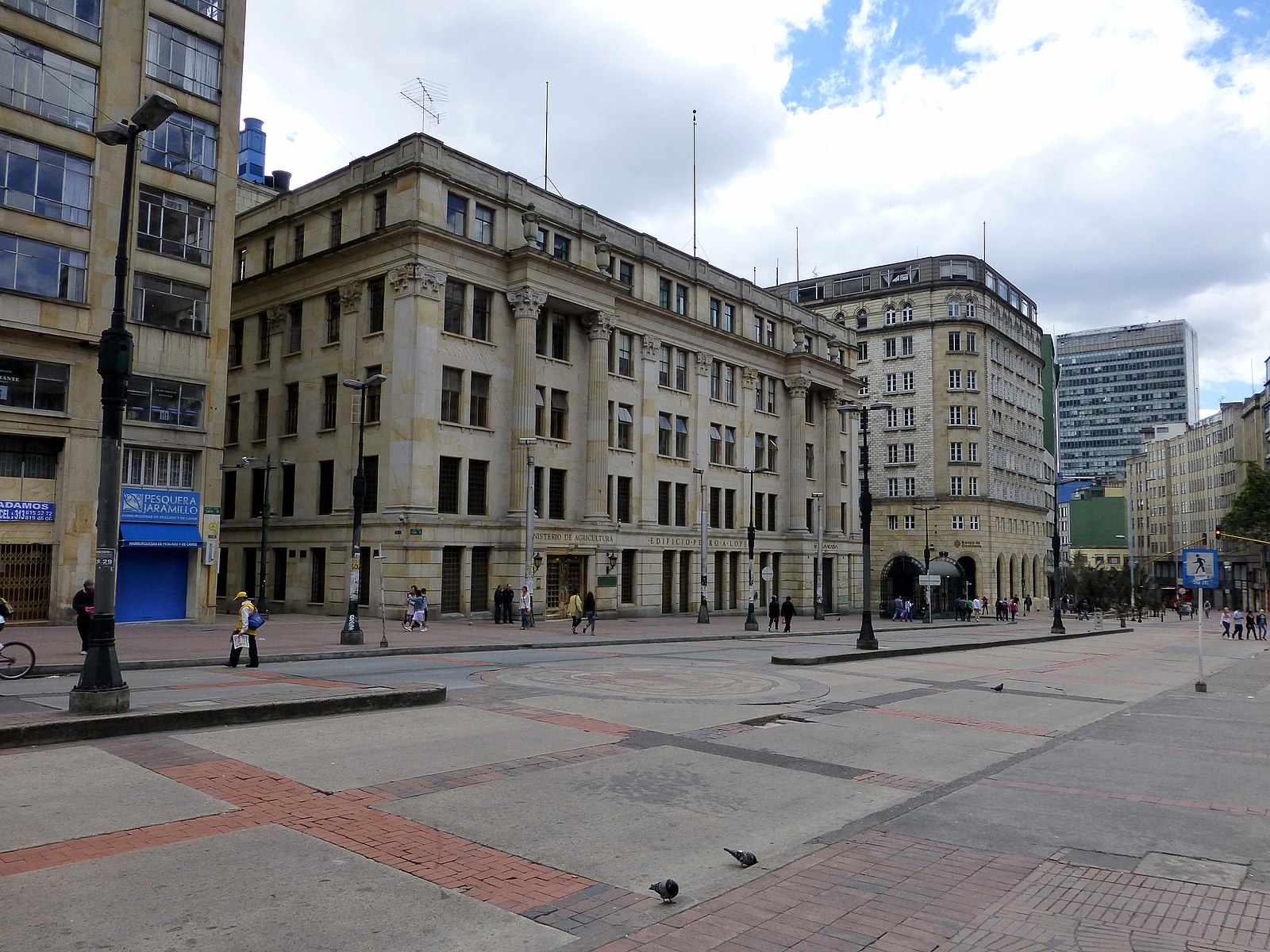
In Bogotá, phone theft is common in crowds and on the TransMilenio bus network. Keep phones out of sight on the street and take a booked car at night, even for short distances.
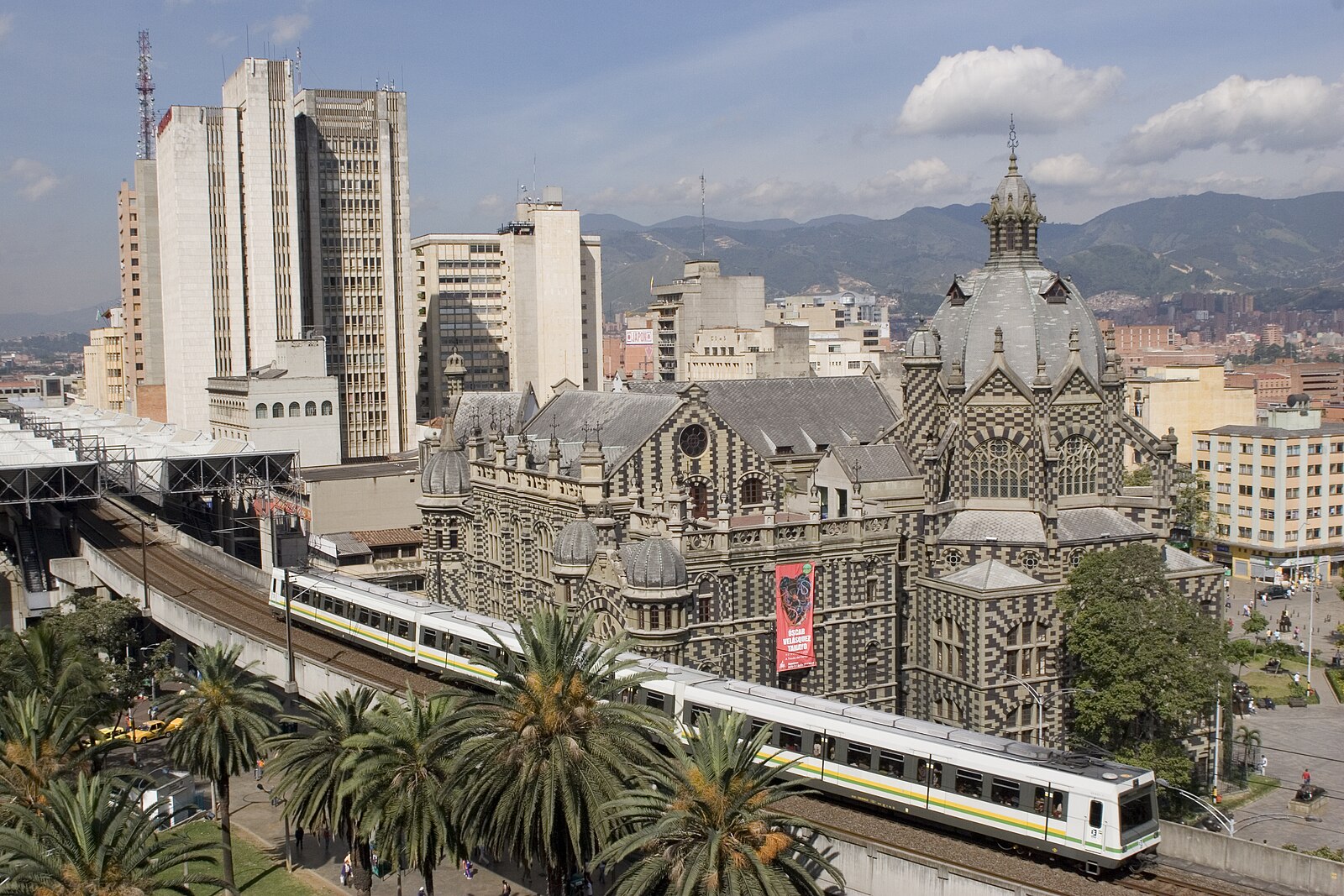
Medellín has become the centre of the dating-app problem because of its large foreign nightlife scene around El Poblado and Laureles. The city has also moved against sex tourism.
On 31 July 2026, Migración Colombia refused entry to four US citizens at Medellín’s airport over suspected links to sexual-exploitation tourism. None was reported to have a conviction or an arrest warrant. The case shows that immigration officers now screen arrivals’ social media and profiles.
Cartagena’s walled city and Getsemaní draw most visitors to the coast, and the FCDO’s street-crime warning covers them too. Agree prices before tours, boat trips and meals, and avoid isolated beaches after dark.
Santa Marta needs particular attention right now. On Monday 21 September 2026, police killed the second in command of the Autodefensas Conquistadoras de la Sierra Nevada (ACSN), a criminal group on the coast.
The group answered the same day with an armed strike, ordering businesses and transport to shut down. The strike affected the main coastal highway, Route 90, towards Tayrona National Park, Palomino and Riohacha.
If you are in or near Santa Marta, follow local authorities and your tour operator, and do not drive the coastal road at night. Check the latest FCDO and US Embassy messages before you travel.
Regions to avoid and why
The red zones on both maps have one thing in common: armed groups fighting over coca, illegal mining and smuggling routes. They include ELN guerrillas, dissident factions of the former FARC and the Clan del Golfo.
The FCDO says these groups “may attack with little or no warning”. Past methods include car bombs, grenades, drones and roadside explosives. Police and army posts are frequent targets, including in large cities.
Early September 2026 showed the pattern. Within one week there were a roadside bomb in Nariño, attacks on an army post and a police station in Cauca, one of them by drone, and large military operations in Guaviare.
Kidnapping for ransom also remains a risk in rural areas. The FCDO says foreigners linked to oil, mining and related companies have been taken in recent years, and that tourists are not exempt.
Natural hazards belong on the list as well. A magnitude 7.4 earthquake struck Chocó on Monday 10 August 2026, according to the FCDO. Know the exits in your building and keep an emergency bag at home.
A simple rule works for most foreigners. If a destination is in a Level 4 department or on the FCDO list, go only for essential reasons, with a local organisation that knows the area.
Elections, protests and politics
The FCDO warns of “a heightened risk of violence across the country when elections are held”. It blames interference by armed groups and criminal gangs, and advises avoiding rallies and crowds at polling stations.
That risk was real in the 2026 cycle. The senator and presidential hopeful Miguel Uribe Turbay was shot at a campaign event in Bogotá in June 2025 and died that August.
The national vote is now over. Abelardo de la Espriella won the runoff on 21 June 2026 and took office on 7 August 2026. The next nationwide vote, for governors, mayors and local councils, is due in October 2027.
De la Espriella has ended “Total Peace”, his predecessor’s policy of negotiating with armed groups, and ordered a harder military line. Whether that lowers or raises violence in contested regions will take months to judge.
Protests and strikes still happen often, sometimes at short notice. They can block roads and turn violent. Avoid demonstrations, allow extra time for airports and watch local news and social media.
What to do if something goes wrong
Dial 123, Colombia’s national emergency number, for police, ambulance or fire. If you think you were drugged, go to a clinic first and ask for a toxicology test.
File a police report, known as a denuncia, for any robbery. You will need it for insurance, bank claims and a replacement passport. Block cards and phones straight away.
US citizens can reach the embassy in Bogotá on +57 601 275 2000 after hours. There is also a US consular agency in Barranquilla. British and other nationals should keep their own embassy’s emergency number saved.
Register your stay with your government if it offers the option, such as the US Smart Traveler Enrollment Program. It helps consulates reach you during unrest, disasters or emergencies.
Finally, check that your insurance covers medical evacuation and does not exclude areas the FCDO or State Department warn against. Most visits end without incident, and a few habits make that far more likely.
Connected Coverage
Is Colombia Safe for Foreigners? Guide
Cost of Living in Colombia for Expats in 2026: Rent, Transport and Health in Five Cities
Colombia Explained: The Country, Its Politics, Its Economy and What to Watch
Colombia Denies Entry to Four Americans at Medellín Airport
Colombia Security: Four Fronts Open in a Single Week
How to Stay Safe in Peru in 2026: Advisories, Emergency Rules and Practical Tips
What Is Not Known
Colombia publishes no official count of crimes against foreigners. How often visitors are drugged or robbed after dating-app meetings cannot be measured from public data.
The 2025 homicide totals are preliminary, and police and Medicina Legal figures differ. Full-year 2026 data will not be available until early 2027.
How long the Santa Marta armed strike would last, and whether the ACSN would target visitors, was not known as of 22 September 2026.
Sources: US State Department travel advisory and country information for Colombia; US Embassy Bogotá security alert of 10 January 2024; UK FCDO travel advice for Colombia; Medicina Legal preliminary homicide data via El Colombiano; National Police year-end balance via Vanguardia; Bogotá Security Department and Attorney General’s Office data via Noticias RCN; all accessed 22 September 2026.
- travel.state.gov
- travel.state.gov
- co.usembassy.gov
- gov.uk
- gov.uk
- elcolombiano.com
- vanguardia.com
- noticiasrcn.com
More: Colombia news in English, every day from The Rio Times.
Frequently Asked Questions
Is Colombia safe for foreigners in 2026?
Most visits pass without trouble, but the US rates Colombia Level 3, Reconsider travel, and the UK advises against all but essential travel to parts of the country. The main risks for foreigners are drugging after dating-app meetings, robberies in street taxis and express kidnappings at ATMs. Bogotá, Medellín, Cartagena and the Caribbean coast sit outside both governments’ red zones.
Which parts of Colombia should I avoid?
The US lists Arauca, Cauca except Popayán, Valle del Cauca except Cali, Norte de Santander and a 10-kilometre strip along the Venezuelan border as Do not travel areas. The UK list also covers most of Chocó, western Valle del Cauca including Buenaventura, and parts of Antioquia, Nariño, Córdoba, Bolívar, Caquetá, Meta, Guaviare and Putumayo.
Are dating apps dangerous in Colombia?
They are the most specific risk named by the US and UK governments. The US Embassy reported eight suspicious deaths of US citizens in Medellín between 1 November and 31 December 2023, several linked to dating apps. Meet in busy public places, never leave a drink unattended, and do not invite strangers to your accommodation.
What is scopolamine and how is it used in robberies?
Scopolamine, known locally as burundanga, is a drug criminals use to disorient victims before robbing them. The UK government says it can be given in food, drinks, cigarettes, aerosols and even paper flyers. It can cause memory loss, unconsciousness and, in large doses, death, so seek medical help at once if you suspect it.
Is it safe to take taxis in Colombia?
Booked taxis are far safer than cars hailed in the street. The US State Department says US citizens have been killed during robberies in street taxis and recommends a dispatch service or transport app. Check that the plate and driver match the booking, and use ATMs inside banks or shopping centres.
What number do I call in an emergency in Colombia?
Dial 123 for police, ambulance or fire anywhere in Colombia. US citizens can reach the embassy in Bogotá after hours on +57 601 275 2000. File a police report, known as a denuncia, after any robbery, because insurers and banks will ask for it.
This article was produced by The Rio Times’ automated newsroom system. How we use AI · Report an error
Read More from The Rio Times