How to Stay Safe in Peru in 2026: Advisories, Emergency Rules and Practical Tips
GUIDES · PERU
Key Facts
- —What it is A practical safety guide for foreigners living in or visiting Peru, built on official advisories, decrees and statistics.
- —Who it’s for Expats, remote workers, retirees and travellers heading to Lima, Cusco, Arequipa and the Andes.
- —The rules The US rates Peru Level 2 (increased caution). Lima and Callao have been under a 60-day crime emergency declared on 28 August 2026.
- —The catch Most visits pass without trouble, but phone snatching, fake taxis and extortion-driven violence in poorer districts are real.
- —What is still open Whether the Lima emergency is renewed in late October, and how the 4 October local elections pass off.
Safety in Peru in 2026 comes down to a few habits: how you travel, where you stay and how you guard money and phones.
Peru is a Level 2 country for US travellers, the same tier as much of Europe. Yet Lima is living through an extortion wave and a state of emergency. This guide explains what the rules mean for you and what actually keeps foreigners out of trouble.
What the official travel advisories say
As of 21 September 2026, the US State Department rates Peru at Level 2, “Exercise Increased Caution”. That advisory was last reissued on 16 May 2025 and still stands.
Washington sets two areas at Level 4, “Do Not Travel”. One is the Colombia–Peru border area in the Loreto region, where drug trafficking and weak infrastructure limit policing.
The other is the Valley of the Apurímac, Ene and Mantaro Rivers, known as the VRAEM. It spans parts of Ayacucho, Cusco, Huancavelica and Junín, and remnants of the Shining Path remain active there.
The State Department warns that petty theft, carjackings, muggings and assaults “often happen even in daylight hours”. It also bars US government staff from driving at night outside cities, with a few exceptions, such as the Pan-American Highway from Lima to Huacho and to Paracas.
The UK Foreign, Commonwealth and Development Office (FCDO) draws similar lines. It advises against all but essential travel to the VRAEM. The same applies within 20 km south of the Putumayo River on the Colombian border.
The FCDO makes exceptions for the Amazon River itself and the triple-border area around Caballococha and Santa Rosa de Yavarí. Its advice was listed as still current on 19 September 2026.
For most foreigners this matters less than it sounds. Lima, Cusco, Arequipa, the Sacred Valley and the northern beaches all sit outside the restricted zones. Ignoring FCDO advice, however, can invalidate travel insurance.
The state of emergency in Lima and Callao
Peru’s government declared a 60-day state of emergency in Metropolitan Lima and Callao on 28 August 2026. The legal basis is Supreme Decree 123-2026-PCM. The stated goal is to fight organised crime and extortion.
The decree restricts four constitutional rights: the inviolability of the home, freedom of movement, freedom of assembly, and personal liberty and security. In practice, police gain wider powers to search homes and detain people.
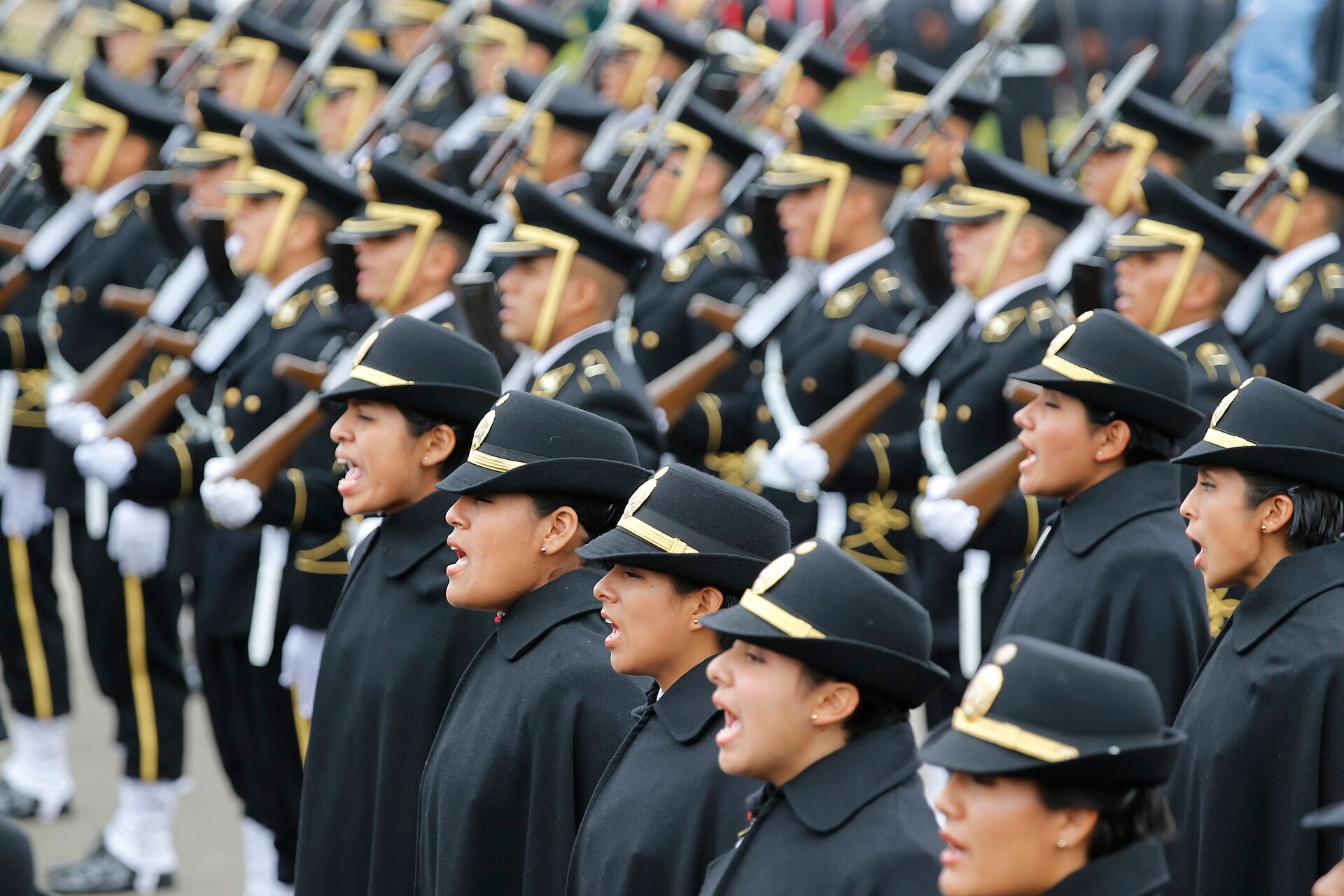
The National Police remain in charge of public order, with support from the armed forces. The decree orders patrols, sweeps and identity checks in “critical zones”, backed by drones and video surveillance.
According to Infobae, large religious, cultural and sporting events also need prior authorisation. Concert and match organisers usually handle this, but last-minute cancellations are possible.
Similar emergencies cover other coastal hot spots. Decrees published around 19 and 20 September added the Pisco and San Andrés districts in Ica. Others renewed coverage for Trujillo, Virú and Chepén in La Libertad, and for Tumbes and Zarumilla.
What changes for you is modest. Carry your passport or a clear copy and your entry record, because identity checks are more frequent. Be patient at checkpoints, answer calmly and do not film police operations.
How much crime is there? The numbers in context
The best measure is Peru’s statistics office, INEI, which surveys residents rather than counting police reports. Its latest report, published on 3 September 2026, covers interviews from February to July 2026.
It found that 24.0% of urban Peruvians aged 15 and over suffered at least one crime in the previous 12 months. In Lima and Callao the figure was 26.0%, down 1.9 percentage points on a year earlier.
The most common crime by far is robbery or attempted robbery of cash, a wallet or a mobile phone. INEI counted 13 victims per 100 residents nationally and 15 per 100 in Lima and Callao.
Victims in Lima and Callao said a firearm was used in 10.9% of cases, against 8.0% nationally. Fewer than one victim in five filed a police report, so official complaint numbers understate the problem.
Serious violence is rising but concentrated. INEI put Peru’s homicide rate at 10.7 per 100,000 people in 2025, up from 10.1 in 2024. That is still well below the region’s most violent countries.
Extortion is the defining crime of this period. Peru logged 25,196 extortion cases by 27 December 2025, up 20% on 2024, according to a year-end tally by Infobae. About 42% came from Metropolitan Lima.
Extortion gangs mainly target bus lines, small shops and builders, and 69 bus drivers were killed in 2025, according to the same tally. Foreign visitors are rarely the target, but they ride the same buses and walk the same streets.
Where to stay and how to read Lima’s districts
Most visitors and many expats base themselves in Miraflores, Barranco and San Isidro. These districts run visible municipal security patrols, known as serenazgo, and their main streets stay busy at night.
They are not crime-free. Phone snatching from café tables, pickpocketing on the Malecón clifftop walk and theft from parked cars all happen there.
Extortion killings and shootings cluster in large working-class districts on the city’s north, east and south fringes, and in Callao. Visitors rarely need to go there, and residents who work there tend to know which streets to avoid.
The historic centre is worth visiting in daylight, ideally with a guide or in a group. After dark, the side streets around it thin out quickly, so take a booked car back.
For long stays, choose a building with a doorman or controlled entrance and avoid ground-floor flats with street windows. Ask neighbours, not only landlords, how the block feels at night.
Taxis, buses and getting around safely
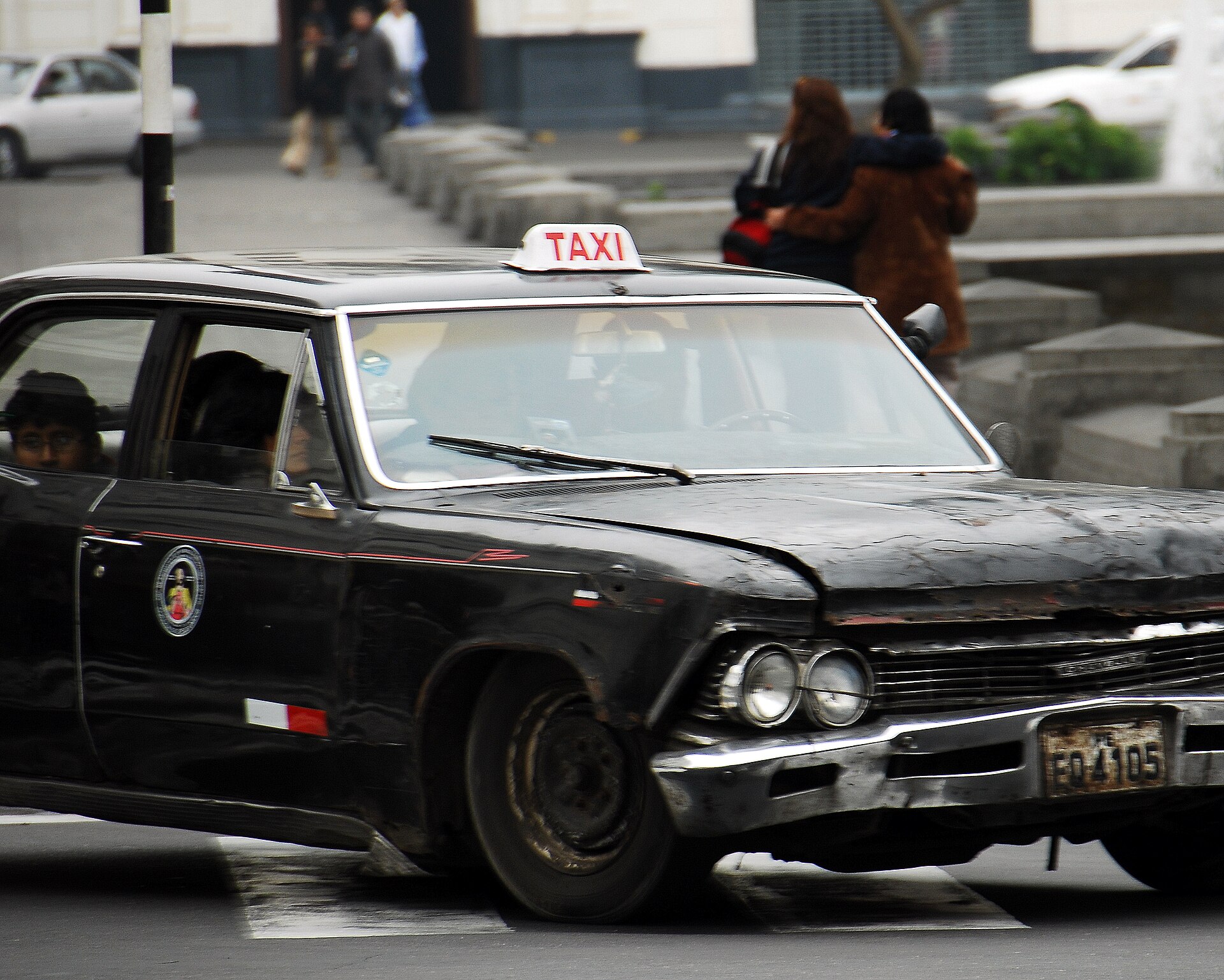
Transport is where most foreigners run into trouble. The FCDO warns of “express kidnappings”, in which armed criminals posing as taxi drivers force passengers to withdraw cash from ATMs.
The risk is highest with cars hailed on the street, especially at Jorge Chávez International Airport and bus terminals. The US State Department recommends app-based taxis, cars ordered by phone or services linked to major hotels.
In practice, use a ride-hailing app or the official taxi counters inside the airport terminal. Check the plate and driver name before you get in, and share your trip with a friend.
Keep your phone off the window side in slow traffic, and hold it close on pavements. Thieves on motorbikes often snatch phones from car windows and from pedestrians near the kerb.
For long-distance travel, the FCDO notes that armed robbers sometimes hold up provincial and inter-city buses. It adds that bus crashes are common, especially at night.
Choose established coach companies with registered departures from their own terminals, and travel by day where you can. On mountain roads, a daytime journey is safer on both counts.
Scams, money and nights out
Counterfeit banknotes circulate, and the FCDO reports that some street money changers in Cusco pass off outdated Peruvian intis. Change money at banks or exchange houses, and check notes before you walk away.
The US State Department advises using ATMs inside banks or shopping centres and withdrawing modest amounts. Carry one card, a little cash and a copy of your passport, and leave the rest locked away.
The FCDO warns that people have died after drinking methanol-contaminated alcohol. Methanol cannot be detected by taste or smell, so stick to bottled drinks from reputable bars and shops.
Keep your drink in sight in bars and clubs. If you feel suddenly unwell or confused, tell staff or a friend and seek help at once.
Both governments warn against ayahuasca ceremonies, and the US also warns against kambo. The State Department says US citizens have suffered serious illness or death, and some were assaulted or robbed while under the influence.
Peru punishes drug offences harshly. The State Department warns of long pre-trial detention and lengthy prison sentences in harsh conditions.
Beyond Lima: protests, the Andes and natural hazards
Outside the capital, disruption is a bigger risk than crime. The FCDO describes political protests as unpredictable and notes recent unrest in Lima, Arequipa, Ayacucho, Cusco, La Libertad, Madre de Dios and Puno.
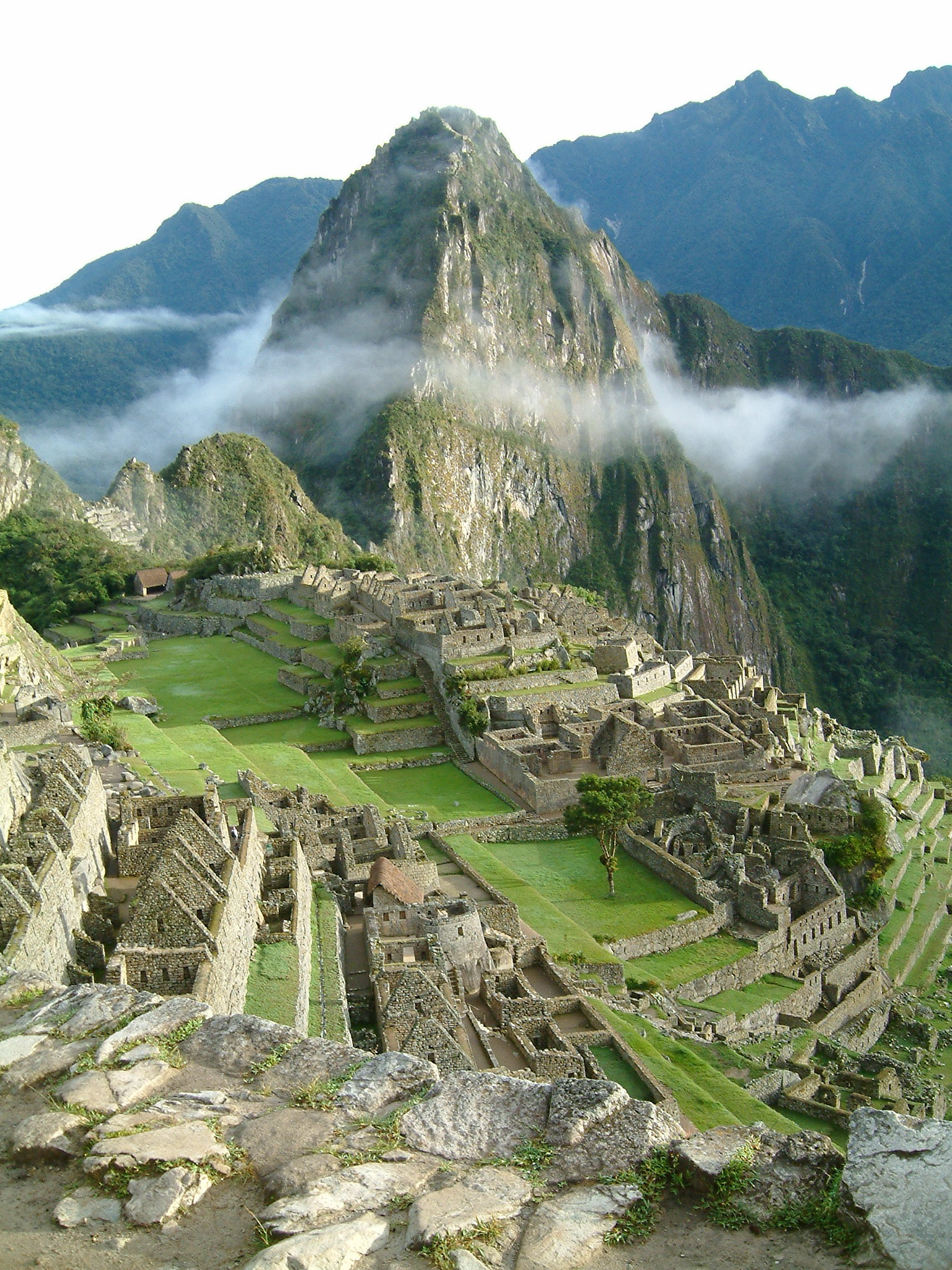
Protests can block roads, close airports and halt services, including routes to Machu Picchu. Build a buffer day into tight itineraries and avoid crowds and roadblocks, even peaceful ones.
Peru holds regional and municipal elections on Sunday 4 October 2026. Expect rallies before the vote and possible local tension afterwards, especially where results are close.
Altitude is the most common health issue for visitors. Cusco, Puno, Arequipa, Ayacucho and Huaraz all sit high enough to cause altitude sickness, so plan a slow first day or two.
Earthquakes are common throughout Peru. Learn the evacuation route in your hotel or building, and follow instructions from local authorities after any strong tremor.
The rainy season runs from November to May and brings landslides and floods to the Andes and the Amazon. The FCDO also reports that ash emissions from the Ubinas volcano in the south have forced some villages to evacuate.
For trekking and adventure tours, use licensed operators only. The FCDO suggests checking with iPerú, the official tourist information service.
If something goes wrong: numbers and steps
Call 105 for the National Police, 116 for the fire brigade and 106 for SAMU, the public ambulance service. The tourist police can be reached on 0800-22221, according to the US State Department.
If you are robbed, hand over what is demanded and do not resist. Resisting raises the risk of injury, and many robbers in Lima carry weapons.
Then file a police report, called a denuncia, at the nearest comisaría (police station) or with the tourist police. Insurers and consulates usually ask for a copy.
Contact your embassy if your passport is stolen or you are detained. The US Embassy in Lima can be reached on +51 1 618 2000.
Finally, register your trip with your government if it offers the option, such as the US Smart Traveler Enrollment Program. It helps consulates reach you during protests, disasters or emergencies.
Connected Coverage
Is Peru Safe for Foreigners? Guide
Peru Homicides Reached 248 in Seven Weeks. The Real Figure Is Probably Nearly Double.
Peru Bill Would End Sentence Reductions for Femicide, Kidnapping and Aggravated Robbery
Peru Joins a US Security Coalition as Washington Pushes Back on China
Investing in Peru as a Foreigner — What the Lima Market, the Mines and the Tax Rules Allow
What Is Not Known
INEI publishes victimisation data for residents only, with no breakdown for foreigners or tourists. How often visitors are targeted cannot be measured from official figures.
Decree 123-2026-PCM runs for 60 days from late August. Whether the government extends it again, widens it or lets it lapse was not known as of 21 September 2026.
Homicide and extortion counts differ between police, prosecutors and the death registry. Figures for 2026 are provisional, and independent analysts suggest official tallies undercount killings.
Sources: US State Department and UK FCDO travel advice for Peru; Supreme Decrees 123-2026-PCM and 132–134-2026-PCM via El Peruano and Infobae; INEI citizen-security statistics; Peru’s emergency-number listing (Pronatel); all accessed 21 September 2026.
- travel.state.gov
- travel.state.gov
- gov.uk
- gov.uk
- elperuano.pe
- infobae.com
- infobae.com
- gob.pe/inei
- infobae.com
- pronatel.gob.pe
- infobae.com
More: Peru news in English, every day from The Rio Times.
Frequently Asked Questions
Is Peru safe for expats and tourists in 2026?
The US State Department rates Peru at Level 2, exercise increased caution, the same tier as much of Europe. Most visits pass without trouble, but phone snatching, fake taxis and street robbery are common, and extortion violence is concentrated in poorer districts of Lima and other coastal cities.
What does the state of emergency in Lima mean for visitors?
Supreme Decree 123-2026-PCM, published on 28 August 2026, put Lima and Callao under a 60-day emergency. It restricts rights such as freedom of movement and assembly and allows army support for police patrols and identity checks. Visitors should carry their passport or a copy and stay calm at checkpoints.
Which parts of Peru should foreigners avoid?
The US and UK governments both warn against travel to the VRAEM valley in Ayacucho, Cusco, Huancavelica and Junin, and to the Colombian border area in Loreto. Lima, Cusco, Arequipa, the Sacred Valley and the northern beaches lie outside these zones.
What is the safest way to take a taxi in Peru?
Use a ride-hailing app, a car ordered by phone, a hotel service or the official taxi counters inside the airport terminal. Avoid cars hailed on the street, especially at the airport and bus terminals, where fake taxis are linked to express kidnappings.
What emergency numbers should I know in Peru?
Call 105 for the National Police, 116 for the fire brigade and 106 for the SAMU ambulance service. The tourist police can be reached on 0800-22221, and the US Embassy in Lima on +51 1 618 2000.
This article was produced by The Rio Times’ automated newsroom system. How we use AI · Report an error
Read More from The Rio Times