Colombia Security: Four Fronts Open in a Single Week
COLOMBIA · SECURITY
Key Facts
- —Nariño The army neutralised a roadside bomb at San Pedro de Cartago on 5 September and blamed the ELN.
- —Cauca FARC dissidents attacked an army post at Inza and a police station at Cajibio on 6 September.
- —The drones At El Carmelo in Cajibio the explosives were delivered by drone, according to accounts relayed by El País.
- —Guaviare Two large operations against dissident structures were reported, leaving 20 and 23 dead.
- —The catch A widely repeated figure of seven killed in a further Guaviare operation could not be confirmed.
- —The pattern All four events sit in departments where coca economies and armed groups overlap.
Four separate events in seven days, in three departments. Read together they describe where the fighting has moved.
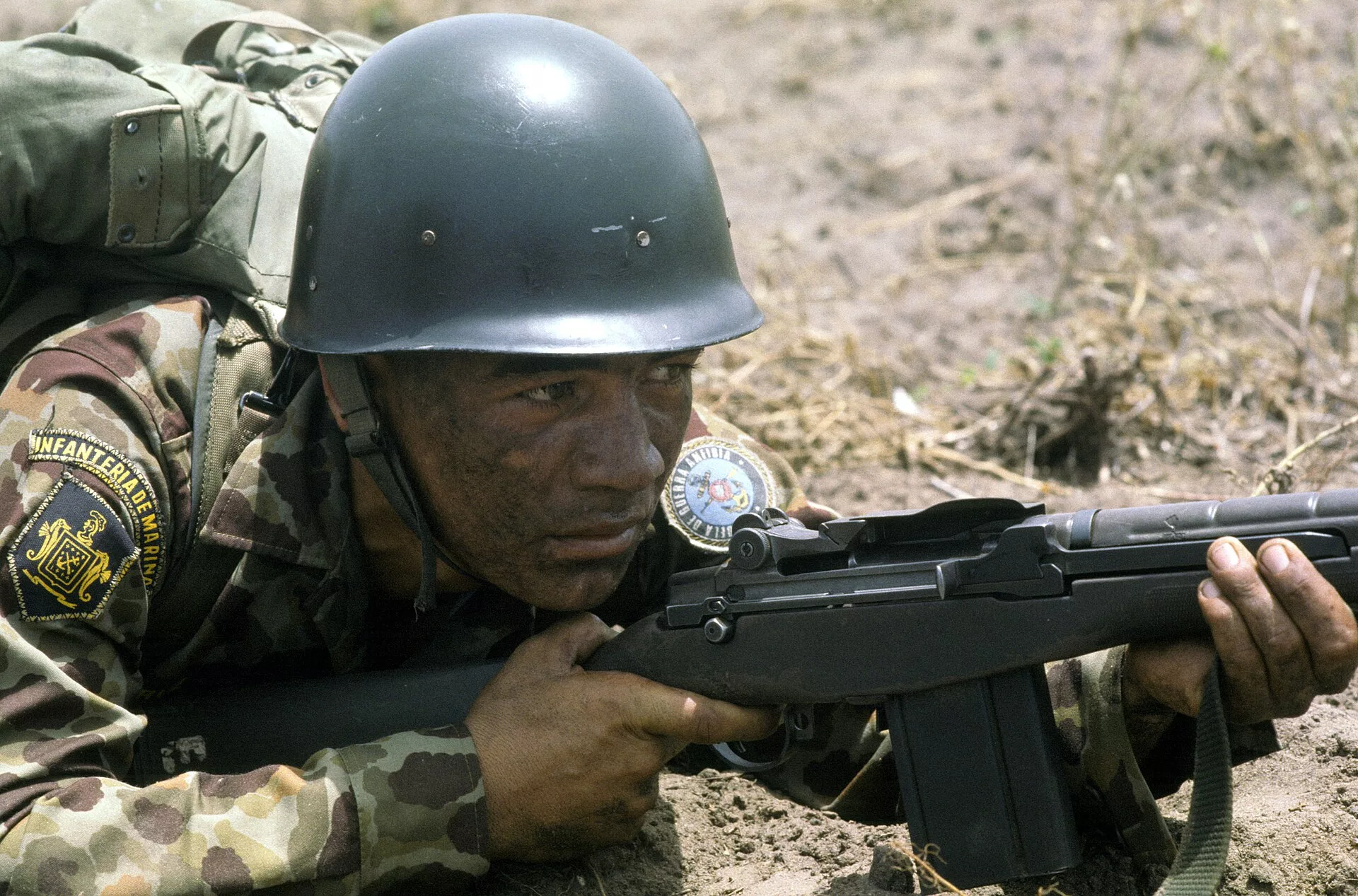
Four Colombia security events in seven days tell one story. They happened in Nariño, Cauca and Guaviare.
None is unusual on its own. Taken together they map where the armed groups still hold ground.
The Colombia security picture is no longer a single conflict. It is several local ones running at once.
Two involved attacks on the state. Two involved the state attacking first.
The geography is the point. All three departments sit on coca and trafficking corridors.
Nariño: A Bomb Defused
On Saturday 5 September the army reported neutralising an improvised explosive device. It was found in a rural area of San Pedro de Cartago in Nariño.
Soldiers of Combat Engineer Battalion 23, part of Brigade 23 under the Third Division, destroyed it in a controlled detonation. Nobody was hurt.
The army attributed the device to the ELN, specifically the Manuel Vásquez Castaño front. That is a military assessment, not a court finding.
The distinction matters. Attribution in Colombia is often contested and rarely tested in a courtroom.

Cauca: Two Attacks in One Night
On Sunday 6 September FARC dissidents attacked security forces at two places in Cauca. Infobae reported the attacks as simultaneous.
At Inza, in eastern Cauca, an army installation came under rifle fire and explosives. Soldiers returned fire to hold the position.
At El Carmelo, in the municipality of Cajibio, the police station was hit with explosives delivered by drones. That account came from local residents through El País of Cali.
Drone-delivered explosives have become routine in Cauca. They let a small group attack a fortified post without approaching it.
Guaviare: The Army on the Offensive
Guaviare saw the largest actions. Operation Azarias, reported on 1 September, was described by the government as leaving 20 dissidents dead.
Five people were captured and two minors were recovered in the same operation. The figures came from the presidency and were carried by El Universal.
A second offensive at Miraflores was reported on 3 September. Xinhua reported 23 dissidents killed and six captured.
An earlier action on 27 August targeted a structure linked to the alias Calarcá. Publimetro reported a preliminary count of eight killed at El Retorno.
The Figure That Does Not Check Out
A number circulating this week put seven dissidents killed in a further Guaviare operation. It does not match any verified report.
The confirmed Guaviare figures are 20, 23 and eight. None of them is seven.
The Rio Times could not verify the seven. It is left out here rather than repeated.
This kind of drift is common when several operations run in the same department within days. Numbers get merged in retelling.
What Connects Them
Nariño, Cauca and Guaviare are the three departments where dissident and ELN structures are strongest. Each sits on a route rather than a border.
Nariño runs down to the Pacific. Cauca links the highlands to that coast.
Guaviare opens into the Amazon lowlands and the frontiers beyond. Control of movement is worth more than control of territory.
That is the shape of the Colombia security problem now. Groups fight for roads and rivers rather than for towns.
What to Watch
The first marker is whether the Cauca attacks continue. Two posts hit in one night suggests coordination rather than opportunism.
The second is confirmation of the Guaviare casualty counts by an independent body. Presidential figures are announcements, not audits.
The third is drone use spreading beyond Cauca. If it appears in Nariño or Guaviare the cost of holding rural posts rises sharply.
Colombia security policy has not yet caught up with cheap aerial weapons. Countermeasures for fixed posts are expensive and slow to install.
More: Colombia news in English, every day from The Rio Times.
Frequently Asked Questions
What happened in Cauca?
On 6 September FARC dissidents attacked an army installation at Inza with rifle fire and explosives, and hit the police station at El Carmelo in Cajibio with explosives delivered by drones.
How many dissidents were killed in Guaviare?
Verified reports give 20 killed in Operation Azarias on 1 September, 23 at Miraflores on 3 September and a preliminary eight at El Retorno on 27 August. A widely repeated figure of seven could not be confirmed.
Who was blamed for the Nariño bomb?
The army attributed the device at San Pedro de Cartago to the ELN’s Manuel Vásquez Castaño front. That is an institutional assessment by the military, not a judicial determination.
Sources: Ejercito Nacional de Colombia, Infobae Colombia, El País (Cali), El Universal, Publimetro Colombia, Xinhua, Rio Times.
This article was produced by The Rio Times’ automated newsroom system. How we use AI · Report an error · Editorial responsibility: Matthias Camenzind, Editor-in-Chief