COLOMBIA · CITY GUIDE
Key Facts
- The city Medellín had about 2.5 million residents in 2026, according to the national statistics office, and is Colombia’s second-largest city.
- Safety The mayor’s office counted 183 homicides from January to September 2026, against 249 a year earlier, a drop of 27%.
- The economy Colombia’s economy grew 3.5% in the second quarter of 2026, and national inflation was 6.24% in the 12 months to August.
- The government Federico Gutiérrez is mayor, in a term that runs to the end of 2027.
- The metro The Medellín metro has 2 rail lines, 6 cable car lines and 1 tram line, and a new light-rail line is under construction.
- Power Index Colombia ranks 6th of 14 in The Rio Times Latin America Power Index, with 51.9 points (October 2026 edition).
This Medellín city guide explains Colombia’s second-largest city, a valley metropolis of about 2.5 million people in the Andes. It covers the economy, the neighbourhoods, who governs, how safe the city is and how people get around, as of October 2026.

In Plain English: Medellín and Its Valley
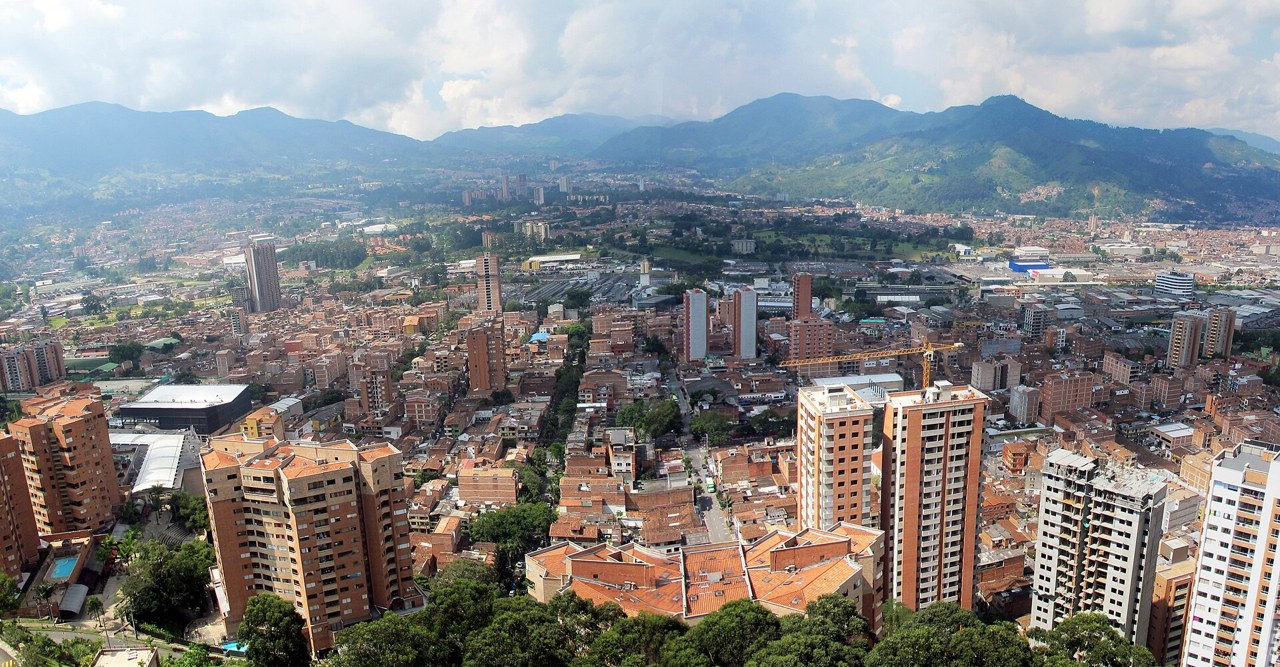
Medellín is the capital of Antioquia, a department (Colombia’s word for a state) in the north-west of the country. It sits in the Aburrá Valley, a long narrow bowl that the city shares with nine other municipalities.
This Medellín city guide uses DANE, the national statistics office, for population. DANE’s 2026 projection, based on the 2018 census, puts the city at 2,526,795 residents.
That is up from 2,427,133 in 2018, but DANE expects the number to ease to about 2,510,000 by 2030. Of the 2026 total, about 48,600 people live in rural areas and small settlements.
- Medellín is the city proper, run by its own mayor and city council.
- The Aburrá Valley is the wider urban area, with neighbours such as Envigado, Sabaneta, Itagüí and Bello that have their own mayors.
- Antioquia is the department around it, with a governor in Medellín and its own budget.
Why Medellín Matters to Colombia
Medellín is Colombia’s industrial and business capital outside Bogotá, and it is home to companies that sell far beyond the city. Grupo Nutresa, a large food company, and ISA, a power-grid operator, are based here.
The city also owns EPM (Empresas Públicas de Medellín), a public utility that supplies power, water and gas across Antioquia. Our EPM report follows the payments the utility makes to city hall.
Many readers know the name from the cartel era. The city is now better known for its metro, its cable cars and its foreign residents.
Our Colombia hub follows the country as a whole, and our Bogotá city pillar covers the capital that Medellín often competes with.
How the Medellín Economy Works
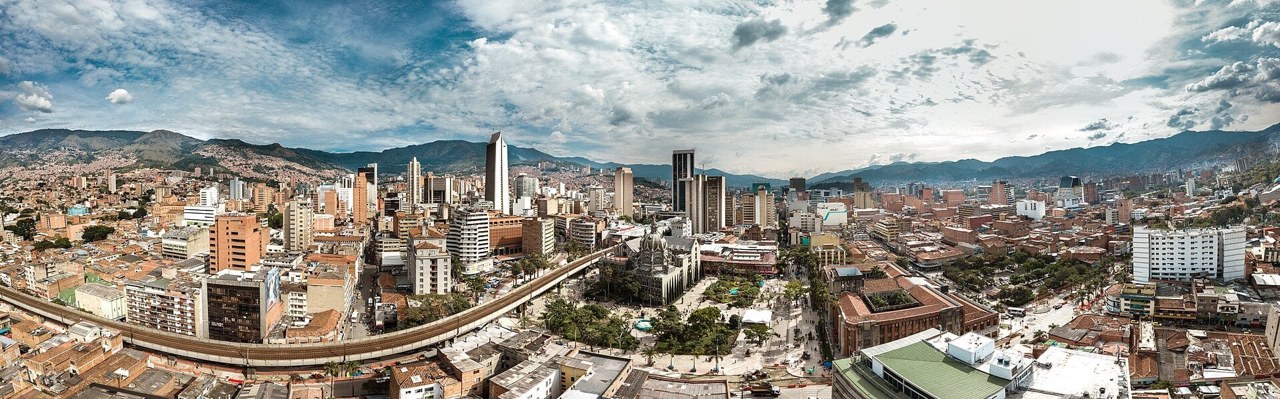
Any Medellín city guide starts with the national economy, which sets the mood in the city. DANE reported on 18 August 2026 that Colombia’s output grew 3.5% year on year in the second quarter.
Prices are rising faster than that. DANE’s latest published annual inflation rate, for August 2026, is 6.24%.
The peso moves with global risk appetite, and it stood at about 3,164 pesos (US$1) on 31 October 2026. A restaurant bill of 9,500 pesos (about US$3) shows how far a dollar goes.
Medellín’s economy rests on manufacturing, finance, health care, technology start-ups and tourism. José María Córdova, the airport in nearby Rionegro, serves the city and the wider Antioquia region.
Our Colombia power structure pillar explains which families and companies hold the national economy.
Neighbourhoods Worth Knowing
Medellín is divided into 16 comunas, or districts, and each has its own feel. The ones below are those that visitors and new residents meet first.
A Troubled Past in Comuna 13
Comuna 13 was the scene of Operation Orión, a military operation in 2002. The JEP, Colombia’s special peace court, has taken up the case, as our report explains.
- El Poblado is the wealthy southern district of glass towers, restaurants and nightlife, and the first stop for most foreign visitors.
- Laureles is a flatter, tree-lined residential area west of the centre, popular with families and long-stay residents.
- The Centro is the old downtown, with the Palacio de la Cultura, Plaza Botero and the busiest metro stations.
- Comuna 13, also called San Javier, is a hillside district reached by outdoor escalators and known for its street art.
- Envigado and Sabaneta are separate municipalities to the south, now so closely joined to Medellín that visitors rarely notice the border.
Who Governs Medellín
Medellín has a mayor and a city council, both elected for four years. The mayor’s office named Federico Gutiérrez, known as Fico, as mayor in its press release of 1 October 2026.
Gutiérrez took office on 1 January 2024, and his term runs to the end of 2027. Colombia holds its next local elections in late 2027, and the winner will take over in January 2028.
A City Hall With Big Plans
City hall runs schools, parks and local roads, and it co-finances the Metro de la 80 light-rail line. The national government, the department of Antioquia and the city share the work on security, health and transport.
- Federico Gutiérrez is the mayor, who also served as mayor from 2016 to 2019.
- The governor of Antioquia runs the department that surrounds the city, and works alongside the mayor on roads, health and security.
How Safe Medellín Is
Safety is the first question for most visitors, and the numbers have improved sharply. The mayor’s office said Medellín closed September 2026 with 5 homicides, against 24 in September 2025.
From January to September 2026 the city counted 183 homicides, against 249 in the same months of 2025. That is a cumulative rate of 6.9 per 100,000 residents, and the office projects 9.24 by the end of the year.
The United States rates all of Colombia Level 3, reconsider travel, in an advisory dated 17 April 2025. It lists parts of Arauca, Cauca and Norte de Santander, and the Venezuelan border, as Level 4, but it does not mention Medellín.
The State Department’s general advice is to keep a low profile, avoid displaying expensive items and stay alert. The advisory also warns that robbery and organised crime are widespread in parts of the country.
Getting Around by Metro and Cable Car
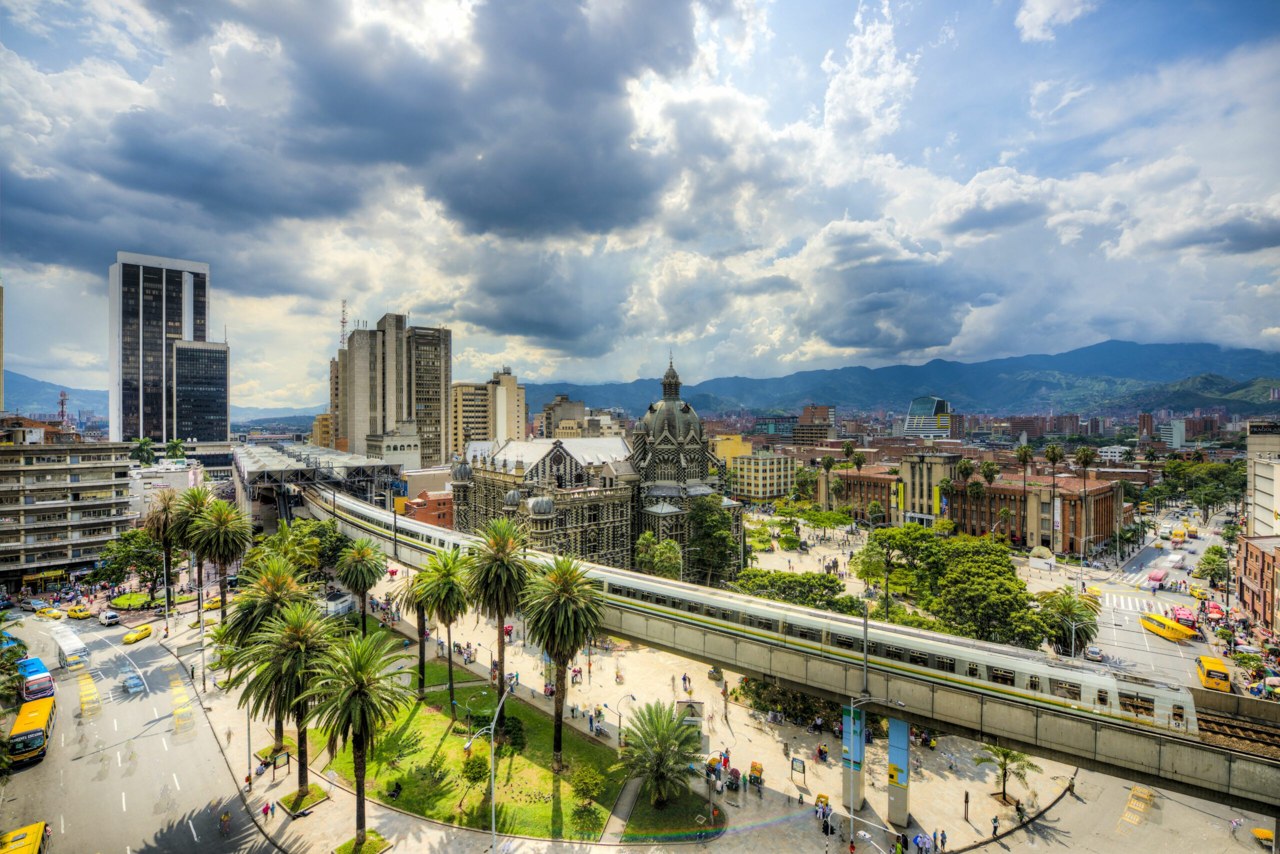
The Metro de Medellín is the pride of the city and Colombia’s first metro. It opened in the 1990s and links the valley by train, tram, cable car and bus.
This Medellín city guide counts 2 rail lines, 6 Metrocable (cable car) lines, 1 tram line and 3 bus lines. The cable cars carry residents of the steep hillside districts down to the valley floor, and tourists use them for the views.
The New Metro de la 80
The Metro de la 80 is a 13.25-kilometre light-rail line along the western avenue of the city. The project’s own website says the works have passed 40% of execution.
The line is meant to serve the western districts, which have long had no rail link. The metro company has not given an opening date.
Daily Life and the Calendar
The valley’s mild climate earned Medellín the nickname City of Eternal Spring, and daytime temperatures stay pleasant all year. Foreign residents cluster in El Poblado and Laureles, and our Medellín expat city page covers rents, visas and daily practicalities.
The city’s Christmas lights are a seasonal draw, as our Christmas lights guide explains. The lights are easy to reach by metro.
Concerts and festivals fill the calendar through the year, and the metro makes most venues easy to reach. Our Carlos Vives guide covers one of the big shows planned for 2027.
What It Means for US Readers
This Medellín city guide matters to US readers because the city is a top destination and a family home for many Colombian Americans. Our Colombia diaspora pillar explains who those families are and how money flows home.
US travellers should read the State Department’s Level 3 advisory before they go, and buy travel insurance that covers medical evacuation. Prices are quoted in pesos, and about 3,164 pesos (US$1) is the rate to remember.
Washington and Bogotá work together on trade, drugs and security, which our Colombia and United States relations pillar covers. Our Rio Times Latin America Power Index shows how Colombia ranks among the region’s powers.
What Is Not Known
DANE has not published a new census since 2018, so the 2026 population figure is a projection. A fuller count of the whole Aburrá Valley for 2026 is not available.
The metro company has not given an opening date for the Metro de la 80. The mayor’s office has not said who will run to succeed Gutiérrez in the 2027 election.
The State Department gives no advice specific to Medellín, and the city’s year-end homicide rate is only a projection. Whether the sharp fall in killings will last is not yet known.
Frequently Asked Questions
How many people live in Medellín?
DANE, Colombia’s national statistics office, projects 2,526,795 residents for 2026, based on the 2018 census. The wider Aburrá Valley is larger, as the city shares it with nine other municipalities.
Is Medellín safe for tourists?
The mayor’s office counted 183 homicides from January to September 2026, down 27% on a year earlier. The United States rates Colombia Level 3 but does not mention Medellín, so stay alert and avoid displaying valuables.
Who is the mayor of Medellín?
Federico Gutiérrez, known as Fico, is mayor. He took office on 1 January 2024, and his term runs to the end of 2027.
Does Medellín have a metro?
Yes, it was Colombia’s first metro, with 2 rail lines, 6 cable car lines and 1 tram line. A new light-rail line, the Metro de la 80, is under construction.
What does this Medellín city guide cover?
It covers the city’s population, economy, neighbourhoods, mayor, safety, metro and daily life, using official figures as of October 2026.
What currency do you use in Medellín?
The Colombian peso, which stood at about 3,164 pesos (US$1) on 31 October 2026.
Sources: DANE (Departamento Administrativo Nacional de Estadística), municipal population projections 2018-2042, 2026-11-01; DANE, GDP second quarter 2026 press release, 2026-08-18; DANE, consumer price index, 2026-10-21; Alcaldía de Medellín, press release on September 2026 homicides, 2026-10-01; US Department of State, Colombia Travel Advisory, 2025-04-17; Metro de Medellín, network lines, 2026-11-01; Metro de la 80 project website, 2026-11-01.
This article was produced by The Rio Times’ automated newsroom system. How we use AI · Report an error · Editorial responsibility: Matthias Camenzind, Editor-in-Chief
The Medellín Guide
What The Rio Times publishes for foreigners in Medellín, Colombia.
Coming up in Medellín
- JetSMART Buenos Aires Medellín: Five Flights a Week From 12 November 2026, Leaving Ezeiza at 02:45 12 Nov
- Juanes in Colombia: World Tour Plays Medellín's DAVIarena November 14 and Bogotá's Movistar Arena November 20 14 Nov
- Chayanne in Medellín, Colombia: DAVIarena Show on 19 November, From US$68 19 Nov
- Kris R Medellín Colombia November 20, 2026: Homecoming Show at DAVIarena 20 Nov
Living in Medellín
- Medellín vs Mexico City for Expats in 2026: The Visa Gap Decides It
- Expats See Medellín Rents Surge as Digital Nomads Flood El Poblado
- Medellín's Feria de las Flores, Explained: The Flower Festival Every Expat Should See Once
- Colombia Denies Entry to Four Americans at Medellín Airport
Understand Colombia
Brazil runoff date: Sunday, October 25, poll closing times and when results start · Brazil runoff polls: Flávio 51%, Lula 49% · Kalshi and Polymarket odds
Rotate for Best Experience
This report is optimized for landscape viewing. Rotate your phone for the full experience.
You've reached your free article limit
Subscribe to The Rio Times for unlimited access to our news, expat and nomad guides and market intelligence on Latin America and Africa.
Keep reading for free
Your first article was on us. Register with your email address to read 6 free articles every month. You will also receive The LatAm Brief: what moved in Latin American markets, politics and expat life, every weekday morning.
The Medellín Guide
What The Rio Times publishes for foreigners in Medellín, Colombia.
Coming up in Medellín
- JetSMART Buenos Aires Medellín: Five Flights a Week From 12 November 2026, Leaving Ezeiza at 02:45 12 Nov
- Juanes in Colombia: World Tour Plays Medellín's DAVIarena November 14 and Bogotá's Movistar Arena November 20 14 Nov
- Chayanne in Medellín, Colombia: DAVIarena Show on 19 November, From US$68 19 Nov
- Kris R Medellín Colombia November 20, 2026: Homecoming Show at DAVIarena 20 Nov
Living in Medellín
- Medellín vs Mexico City for Expats in 2026: The Visa Gap Decides It
- Expats See Medellín Rents Surge as Digital Nomads Flood El Poblado
- Medellín's Feria de las Flores, Explained: The Flower Festival Every Expat Should See Once
- Colombia Denies Entry to Four Americans at Medellín Airport
Understand Colombia