Nicaragua Visa and Residency 2026 — Routes, Costs and Realistic Timelines
GUIDES · NICARAGUA
Key Facts
- —What it is a residence system run by the migration authority under Ley 761, filed in person in Nicaragua.
- —Who it’s for retirees, people living on passive income, investors, employees of local firms and close family of residents.
- —What it costs around US$610 for a family-link file, with pension income floors quoted near US$1,200 a month.
- —Why it matters residence, not repeated tourist entries, is what makes a long stay in Nicaragua lawful.
- —The catch approval is quoted at six to eight months, and the authority sets no delivery deadline.
Nicaragua visa and residency rules moved in 2026, and the retiree bargain older guides describe no longer matches what professionals and the authorities now state.
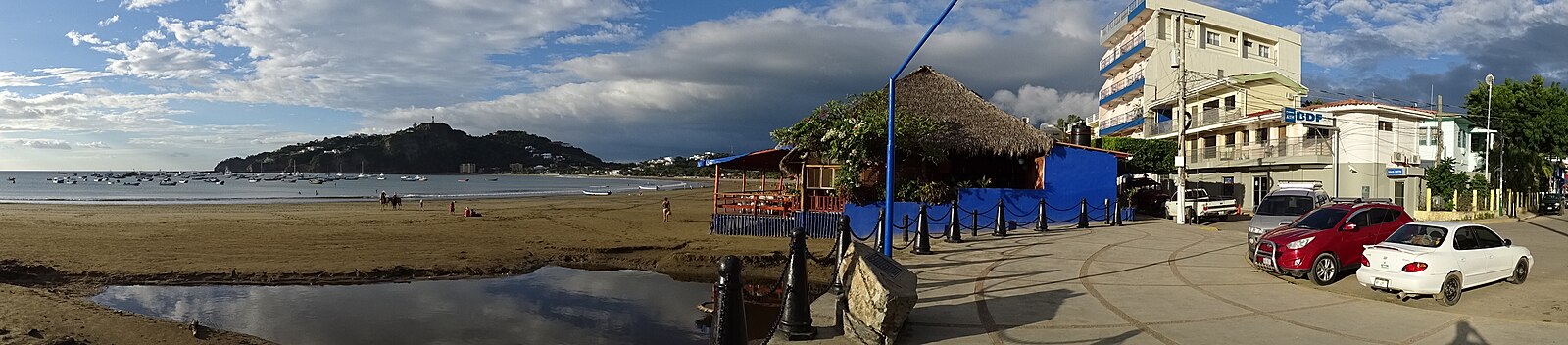
Nicaragua visa and residency planning in 2026 starts with two facts that older guides miss. The retiree route is now temporary residence, and naturalising here since January 2026 means giving up your other nationality.
Entry first: the CA-4 clock and the tourist card
A Nicaragua visa is not what most Western travellers need at the border, and residency is the separate, slower question. Nicaragua sits inside the CA-4 area with Guatemala, El Salvador and Honduras.
The United States State Department says travellers may move among the four countries for up to 90 days in total. It also reports a US$10 cash fee for a tourist entry stamp on arrival.
That stamp is valid for up to 90 days, and passports must carry six months of validity beyond arrival. Leaving for Honduras, Guatemala or El Salvador does not restart the clock.
Only leaving the CA-4 area entirely, for example to Costa Rica or Panama, begins a new count. The same department records a US$10 cash exit stamp for residents and a US$42 departure tax normally included in airfares.
Nicaragua visa and residency: the categories that exist
The framework is Ley 761, the general migration and foreigners law. A Central American law firm survey published in January 2026 states that pensioners are treated as temporary residents under it.
The practical routes are pension income, rentista passive income, investment, work with a local employer, and family ties. Each carries its own evidence test, and renewal terms differ between them.
Family-based residence is the route the authority has described most recently and most plainly. Nicaraguan outlets published its requirements on 2 September 2026, quoting the migration authority directly.
Work-based residence rests on a local employer relationship and a labour authorisation. The rentista route asks instead for documented passive income arriving from outside Nicaragua.
What the income thresholds really are
This is where older guides and current professional practice part company. The January 2026 regional survey puts Nicaragua’s referential pension minimum at US$1,200 a month.
Relocation sites still quote US$600 a month for the pension route and US$750 for rentista. Those numbers come from an older incentives law and could not be confirmed against any official schedule published today.
The investment route is usually quoted at about US$30,000 in a local business or in property. That figure also appears only in private guides, not in a published official table.
One current price point does exist. Nicaraguan reports of the authority’s September 2026 statement put the cost of a residence file at about US$610.
Nicaragua visa and residency budgets should therefore work from the higher, professionally quoted figure. Treat the lower numbers as unconfirmed until the migration authority or a Nicaraguan lawyer confirms them for your file.
The retiree tax perks, described carefully
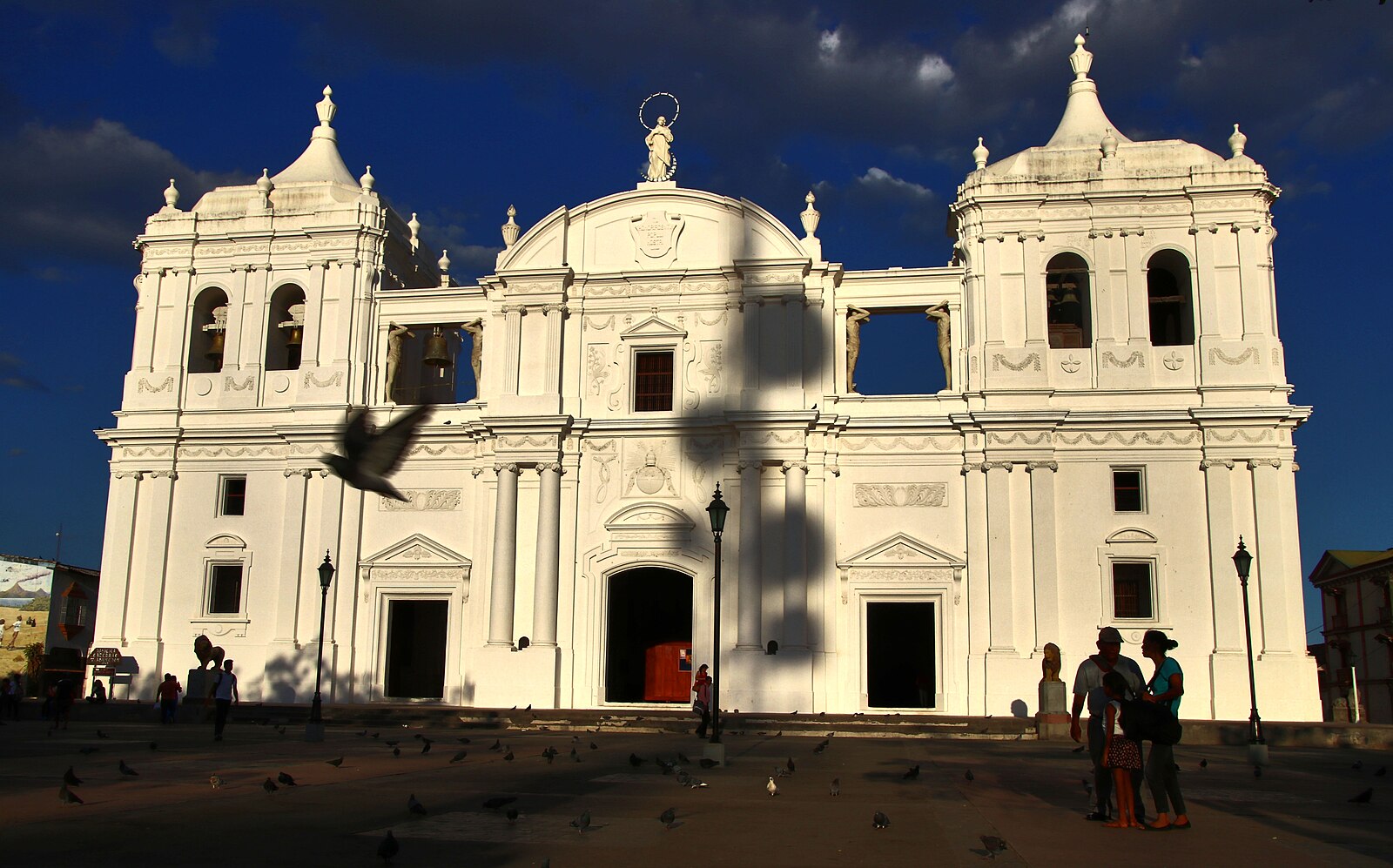
Older material promises duty-free import of household goods and a vehicle for retirees. The January 2026 survey states that the Nicaraguan pensioner residence now carries no tax benefits.
It also describes the requirements as stricter than they were in the past. That is a professional statement rather than an official customs notice, so check the current customs rules directly.
An import allowance is an expensive thing to assume. Confirm the treatment of your residence class in writing before you ship anything.
Filing with the migration authority: documents and offices
Every Nicaragua visa and residency file begins with paper, and the authority set out its list in September 2026. It starts with the application form and a letter explaining the request.
Next come a passport copy, an original birth certificate, apostilled or authenticated, and a police record from the country of origin. Interpol in Nicaragua can issue that record instead.
A health certificate is required, apostilled from home or obtained locally. Marriage certificates and children’s birth certificates are added where the file rests on family ties.
The file must also show how the applicant will cover living costs, through employment or a business of their own. No monthly figure was quoted alongside that requirement.
Nicaragua has been in the Hague Apostille Convention since 14 May 2013, so apostilles replace consular legalisation between member states. Documents that are not in Spanish need translation.
Files may be presented at migration service offices around the country or at the head office in Managua. The regional survey says the application must be made in person.
Timelines, the residence card and renewals
Nicaragua visa and residency timelines are the least predictable part of the move. The authority told Nicaraguan media it sets no time limit for delivering the residence card.
Applicants are called once their documents have been checked. The January 2026 survey estimates approval within six to eight months, which is an estimate and not a service guarantee.
Residence granted on family grounds runs for five years, according to the September 2026 reports. The marriage must be at least two years old before the application is made.
The card is issued through the authority’s registration and identity department. Renewal terms depend on the category, and they are not published as one consolidated table.
Permanent residence and the 2026 nationality change
On 14 January 2026 the National Assembly amended the constitution on nationality. The United States Embassy in Managua reports the change was published in the official gazette and took effect on 16 January.
The embassy states that Nicaraguan nationality is now lost when another nationality is acquired. Foreigners who naturalise forfeit their other citizenships.
One exception is recorded: citizens of other Central American countries resident in Nicaragua may naturalise and keep their own nationality. The embassy notes the change is not meant to be retroactive.
It also notes that the Nicaraguan government cannot determine a person’s United States citizenship. It can, however, deny or revoke a Nicaraguan citizenship claim.
It adds that enforcement rests with the Nicaraguan government and remains to be seen. For most foreign movers, residence rather than citizenship is now the realistic goal.
Property ownership for residents
Residence and property are separate questions here. Owning a house does not create a residence permit, and a permit does not settle a title question.
The investment route counts a purchase only where it meets the residency criteria and is documented as qualifying. No official published table sets that amount out.
Title, boundary and transfer checks belong with a Nicaraguan lawyer before money moves. Nicaragua visa and residency files are not a substitute for that work.
What the travel advisories say
Nicaragua visa and residency planning has to take the published advisories into account. The United States State Department places Nicaragua at Level 3, meaning reconsider travel.
Its stated reasons are crime, health, wrongful detention and arbitrary enforcement of local laws. The same department reports that the Nicaraguan government has denied entry to and expelled United States citizens.
Those are published government positions, not editorial conclusions. Other governments publish their own advisories, and they do not always agree, so read the one that covers your passport.
For a mover, the practical reading is narrow. Keep documents in order, leave on the passport you entered with, and register with your own embassy.
Common mistakes that cost movers time
Most Nicaragua visa and residency mistakes are made before anyone files. The first is living on tourist entries for years, because the CA-4 clock is shared and overstays carry daily fines.
The State Department warns that people who overstay may be stopped from leaving. The second mistake is trusting a single number found on a relocation site.
Pension and investment figures differ widely between sources, and the low ones could not be verified officially. The third is booking a move around an approval date.
With six to eight months quoted and no official deadline, a stalled file is a normal outcome. The fourth is assuming citizenship follows residence, which since January 2026 means renouncing your other nationality.
How Nicaragua compares with Costa Rica and Honduras
The January 2026 regional survey puts Costa Rica’s pension requirement at a lifetime pension above US$1,000 a month. It lists Honduras at US$1,500 and Nicaragua at a referential US$1,200.
On those figures Nicaragua is no longer the cheap option it is often described as. Costa Rica asks less pension income, although its wider costs and paperwork are heavier.
Honduras writes its thresholds into its migration law, and its immigration institute publishes them. The Nicaraguan figure is referential, and that difference matters more than the amounts.
Nicaragua visa and residency rules also moved faster in 2026 than those of its neighbours. That argues for local legal advice and a conservative timetable.
Border fees are collected in cash dollars, while everyday prices run in córdobas. The córdoba trades at about 36.9 to the dollar at 21 September 2026 exchange rates.
Connected Coverage
Honduras Visa and Residency 2026 — Routes, Income Rules and What They Cost
Frequently Asked Questions
Frequently Asked Questions
How long can I stay in Nicaragua without a residence permit?
The United States State Department says the tourist stamp is valid for up to 90 days. Those days are shared across Guatemala, El Salvador, Honduras and Nicaragua under the CA-4 arrangement. Crossing to another CA-4 country does not reset the count, and overstays carry daily fines.
What income do the residence routes ask for?
A Central American law firm survey from January 2026 gives a referential minimum of US$1,200 a month for the pension route. Lower figures of US$600 and US$750 circulate on relocation sites but could not be confirmed in any current official schedule. The investment figure of about US$30,000 is likewise unofficial.
How long does a residence application take?
The migration authority told Nicaraguan media in September 2026 that it sets no time limit for issuing the residence card. The same January 2026 survey estimates six to eight months to approval. Both are indications rather than guarantees, so do not book an irreversible move around them.
Can I keep my own nationality if I naturalise in Nicaragua?
Generally no. The United States Embassy in Managua reports that a constitutional change published on 16 January 2026 removed dual nationality in most cases. Citizens of other Central American countries resident in Nicaragua are the recorded exception.
Do I need to buy property to become a resident?
No. Property ownership and residence are handled separately, and a purchase does not by itself produce a permit. Under the investment route a purchase counts only where it meets the residency criteria and is documented as qualifying.
Sources: Figures come from the United States State Department country information and travel advisory pages, the United States Embassy in Managua, the Hague Conference apostille status table, a January 2026 Central American law firm survey of residency rules, Nicaraguan reports of the migration authority’s September 2026 requirement lists, and the Banco Central de Nicaragua.
- travel.state.gov
- travel.state.gov
- ni.usembassy.gov
- hcch.net
- consortiumlegal.com
- radiolaprimerisima.com
- eldiarionica.com
- bcn.gob.ni
This article was produced by The Rio Times’ automated newsroom system. How we use AI · Report an error
Read More from The Rio Times