Ecuador History Explained, From the Inca to the 2026 Vote
ECUADOR · HISTORY
Key Facts
- The land: Ecuador is an Andean country on the equator, which gives it its name, with about 18 million people.
- Early history: Valdivia culture about 3500 BCE; Inca rule from the late 1400s; Spanish conquest in the 1530s.
- Independence: First cry of independence 10 August 1809; Spain beaten at Pichincha 24 May 1822; republic in 1830.
- Turning points: Liberal Revolution 1895; oil from 1972; democracy 1979; peace with Peru 1998; the US dollar in 2000.
- Today: President Daniel Noboa, re-elected in April 2025, faces local elections on Sunday 29 November 2026.
- Power Index Ecuador ranks 8th of 14 in The Rio Times Latin America Power Index, with 37.2 points (November 2026 edition).
Ecuador history runs from coastal villages and the Inca empire through Spanish rule and a century of coups to today’s fight against drug gangs. This guide explains each stage for readers who know nothing about the country.
The story matters now because Ecuador votes on Sunday 29 November 2026 for mayors, provincial governors and councils. The past explains why the country is split between the highland capital Quito and the port city Guayaquil, and why presidents so often fall.
Ecuador History at a Glance
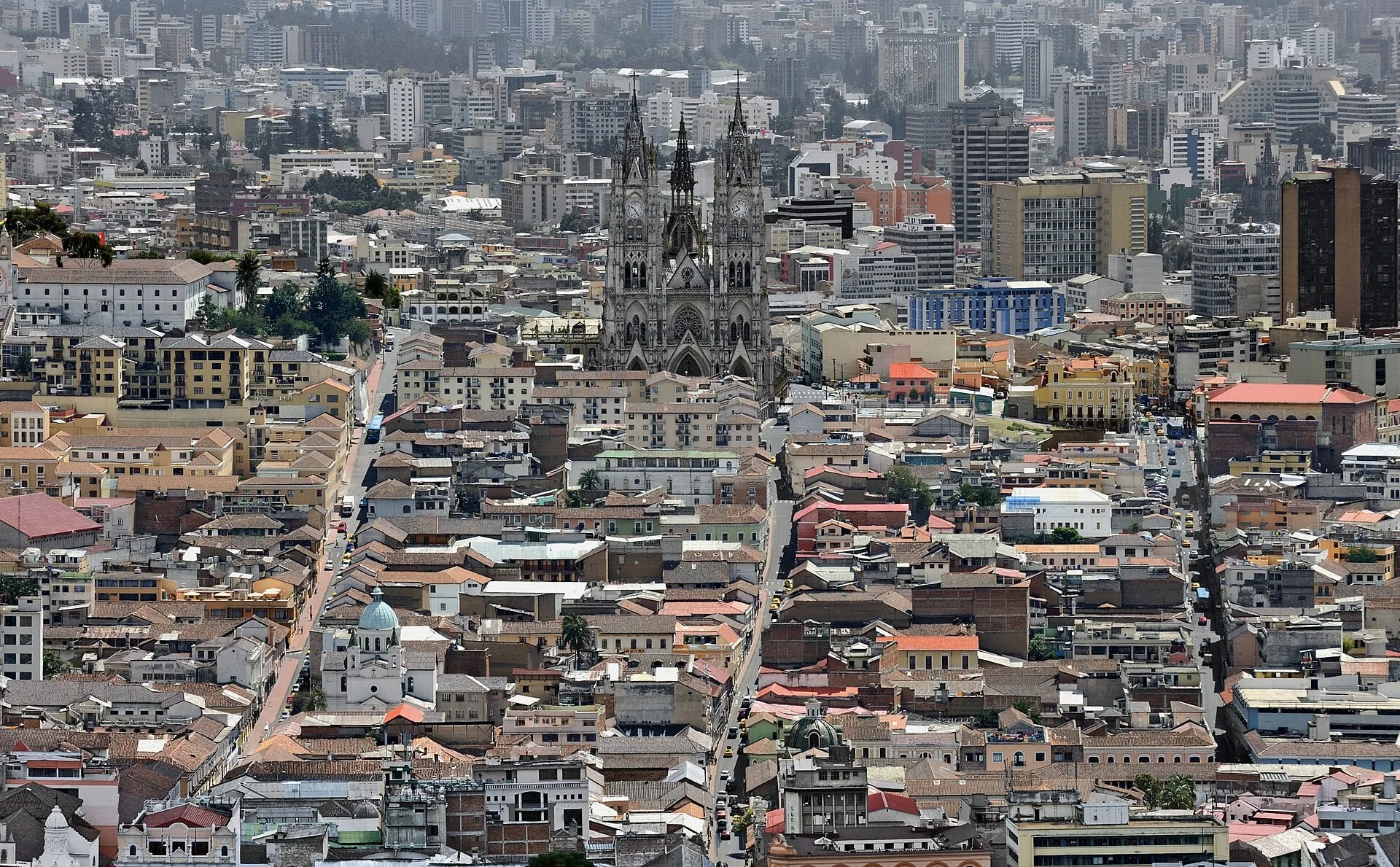
Ecuador is a small country between Colombia and Peru with four regions: the coast, the Andes, the Amazon and the Galápagos Islands. Its name is Spanish for equator, and early officials called the new state the State of the Equator.
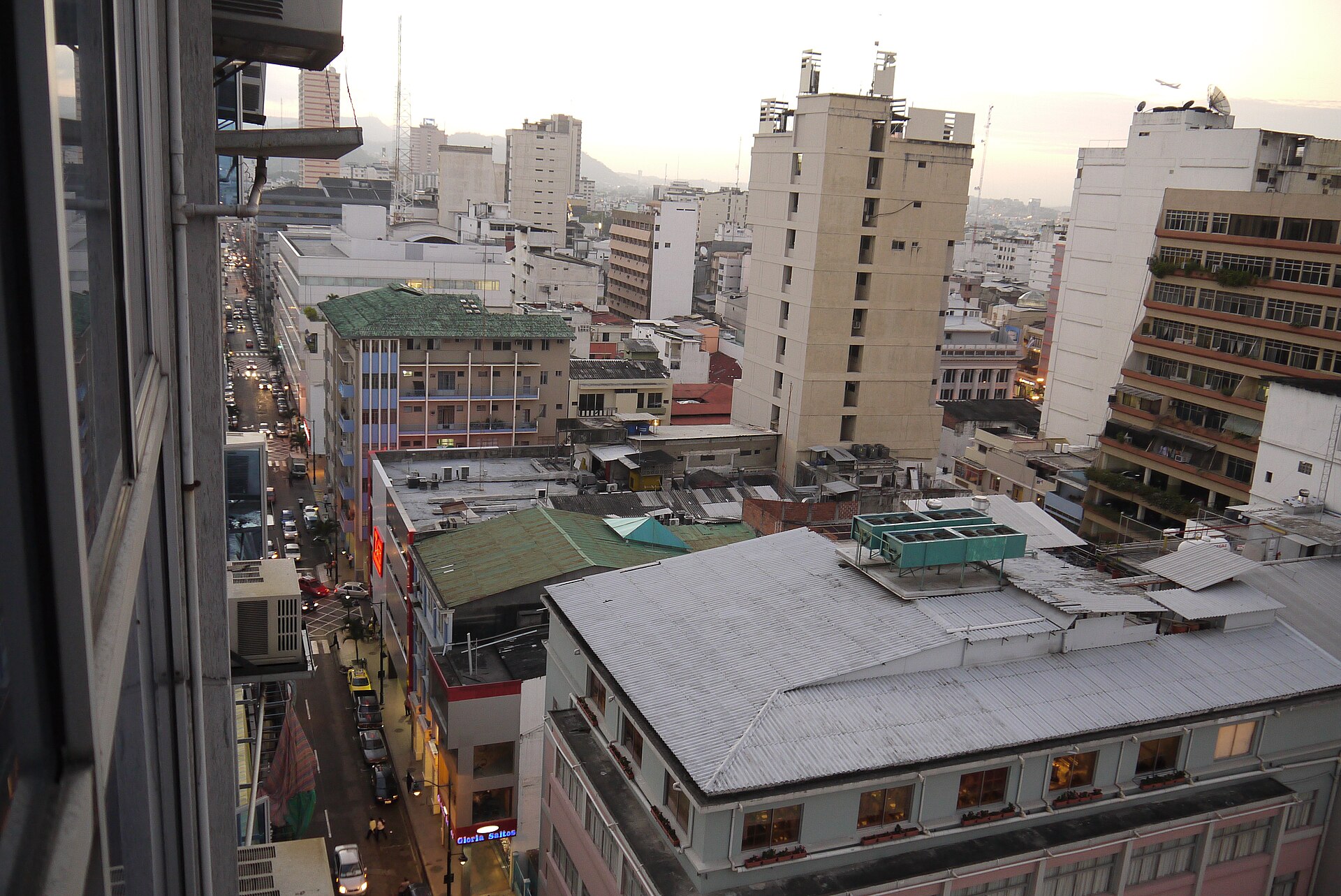
Two cities shape its politics: Quito, the capital in the Andes, and Guayaquil, the port and commercial centre on the coast. Their rivalry, between a conservative highland elite and a trading coast, runs through almost every chapter below.
The story has five stages: Inca rule, three centuries under Spain, a restless republic, the oil age after 1972 and the crisis years since 2000. For today’s power map, read our guide to who holds power in Ecuador.
Before the Spaniards, Cultures and the Inca
The Valdivia culture lived on the coast about 3500 BCE and is among the oldest settled societies in the Americas. In the highlands, peoples such as the Cañari in the south and the Quitu and Cara in the north built villages, farmed and traded.
The Inca, whose capital was Cuzco in Peru, began conquering the region in 1463 under the ruler Pachacuti. His son Topa Inca Yupanqui pushed the conquest north, and Huayna Capac, Topa Inca’s son, finished the job around 1500, and Quito became an important northern Inca centre.
After Huayna Capac died, his sons Huáscar and Atahualpa fought a civil war over the empire. Atahualpa won, but he was weakened just as Francisco Pizarro and a small Spanish force arrived in 1532.
The Spanish captured Atahualpa and executed him on 26 July 1533. The general Rumiñahui then burned Quito, and in 1534 the conquistador Sebastián de Benalcázar founded San Francisco de Quito on its ruins.
Spanish Rule and the Audiencia of Quito
Spain made Quito the seat of a royal court, the Real Audiencia de Quito, in 1563. The court governed a large territory under the Viceroyalty of Peru, and later under the Viceroyalty of New Granada, based in Bogotá.
Guayaquil, founded in the 1530s and re-established by the explorer Francisco de Orellana in 1537, grew into the main port. The highlands supplied textiles and food, while Indigenous communities carried much of the labour.
Quito became famous for the Baroque school of Quito, a style of church art that blends Indigenous and European traditions. Its historic centre, among the best preserved in Spanish America, was one of the first places named a UNESCO World Heritage site, in 1978.
The Road to Independence, 1809 to 1830
On 10 August 1809 Quito notables seized power in the name of the imprisoned Spanish king, Ferdinand VII, in the first cry of independence. Royalist troops crushed it, and in December 1812 the viceroy of Peru ended a second Quito rebellion.
Independence began at the port, where Guayaquil declared itself free on 9 October 1820 under the poet José Joaquín de Olmedo. General Antonio José de Sucre arrived to lead the campaign in May 1821.
Sucre won the decisive Battle of Pichincha on 24 May 1822, on the slopes of the volcano above Quito. The victory freed the highlands, and Ecuador joined Simón Bolívar’s Gran Colombia, a union with Colombia and Venezuela.
The union did not last, and Quito’s leaders dissolved it in May 1830. In August an assembly wrote a constitution for the State of Ecuador, with General Juan José Flores in charge.
A Fragile Republic, 1830 to 1895
The early republic was poor, regional and unstable, and Flores was pushed out in 1845. A coup followed in 1851, and in 1859, the Terrible Year, rival regions broke away from the capital.
Gabriel García Moreno, a conservative leader, ruled as president from 1861 to 1865 and from 1869 to 1875. He made Catholicism the state religion, built roads with forced Indigenous labour and made schooling free in 1871.
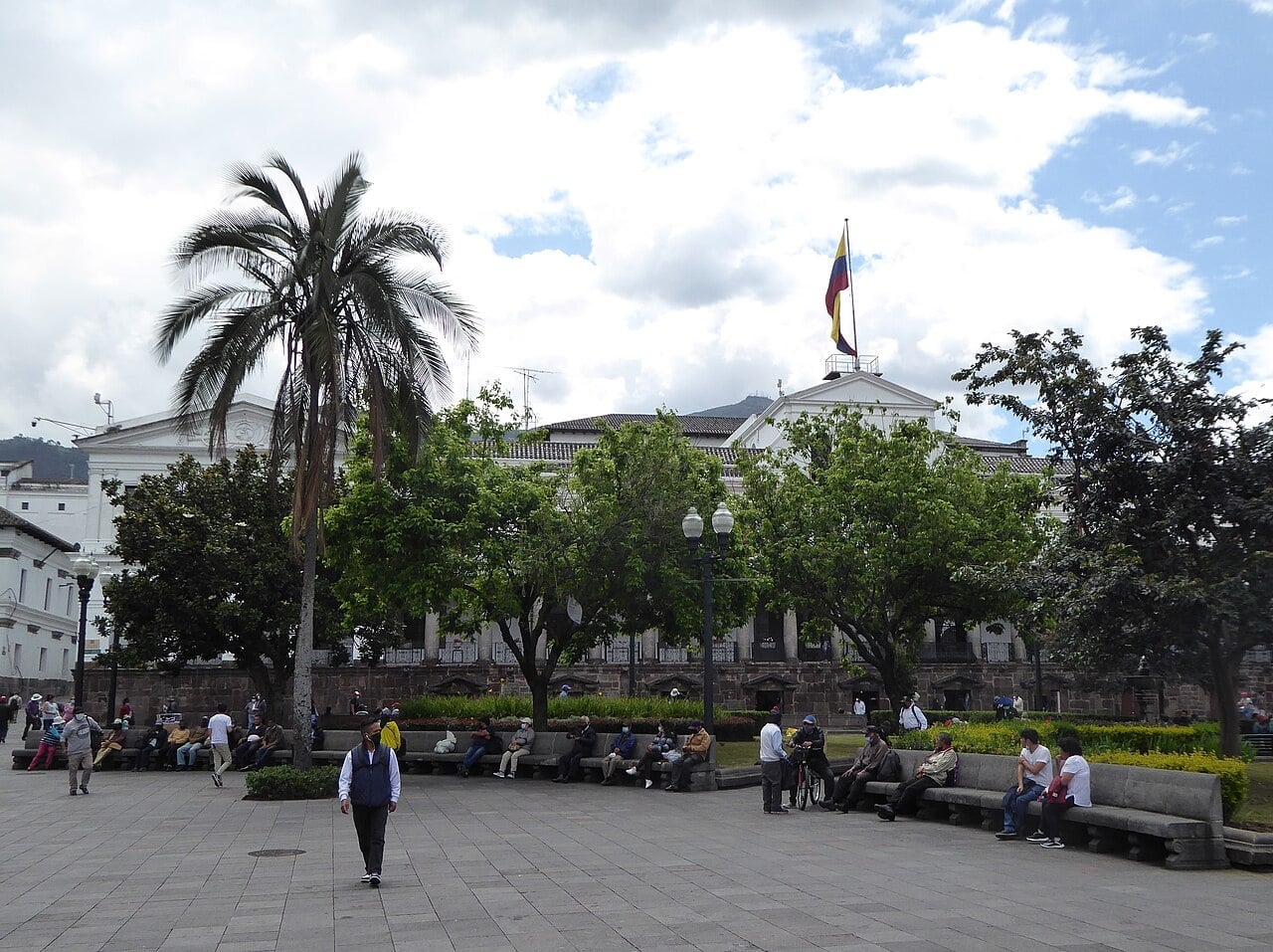
On 6 August 1875 attackers killed García Moreno on the steps of the National Palace in Quito, just after he won a third term. His death opened two decades of struggle between conservatives, backed by the church, and liberals, backed by the coast.
The Liberal Revolution and the Cacao Era
On 5 June 1895 the Liberals, led by General Eloy Alfaro, took power after an uprising that began on the coast. Alfaro’s government ended Catholicism’s status as the state religion, introduced civil marriage and divorce, and seized much of the church’s rural land.
Alfaro also finished the railway between Guayaquil and Quito in 1908, which linked the coast and the highlands. Critics said he was handing the country to foreign investors, and he was overthrown in 1911.
In 1912 a mob stirred up by the government murdered Alfaro in Quito after he was captured and brought there by train. His fall left Guayaquil’s bankers in control of a cacao economy that soon collapsed, because disease and foreign competition ended the boom in the 1920s.
In July 1925 a bloodless coup by young army officers ended Liberal rule. It opened an era in which the military often decided who governed.
Wars with Peru and the Banana Boom
The most colourful politician of the century was José María Velasco Ibarra, a populist who won the presidency five times, first in 1934. Ecuador had fourteen different chief executives in the 1930s, and most of his terms ended early.
Peru invaded on 5 July 1941, and a ceasefire took effect on 31 July. The Rio Protocol of 29 January 1942, backed by the US, Brazil, Argentina and Chile, made Ecuador give up claims to about 200,000 square kilometres.
After the war, bananas brought a new boom. Exports rose from about US$2 million to US$20 million between 1948 and 1952, under President Galo Plaza.
The boom ended in 1960 amid riots over unemployment, and Velasco Ibarra returned for a fourth term. The military overthrew presidents in 1961, 1963 and again in 1972.
Oil, Military Rule and the Return to Democracy
In February 1972 the army removed Velasco Ibarra for the last time and installed a junta led by General Guillermo Rodríguez Lara. That year oil from the Amazon began to flow, and the money funded roads, schools and a larger middle class.
The oil boom also brought high inflation, and the poor saw few benefits. By the late 1970s the generals agreed to hand power back, and voters approved a new constitution in a referendum in January 1978.
In 1979 Jaime Roldós, a reformist social democrat, became president and ended seven years of military rule. He died in a plane crash on 24 May 1981, but civilian government survived.
Crisis, Dollarisation and Indigenous Power
Indigenous people became a national political force when their confederation, CONAIE, formed in 1986. In June 1990 a week-long uprising blocked roads and cut off food to the cities, demanding land rights and recognition.
The border with Peru finally calmed after a short war in the Cenepa valley from 26 January to 28 February 1995. A peace agreement signed in Brasília on 26 October 1998 settled the dispute.
Congress removed the populist president Abdalá Bucaram in early 1997, and in 1999 a banking collapse sent the old currency, the sucre, into free fall. On 9 January 2000 President Jamil Mahuad announced that Ecuador would adopt the US dollar, at 25,000 sucres to US$1.
On 21 January 2000 Indigenous leaders and junior army officers, including Lieutenant Colonel Lucio Gutiérrez, helped force Mahuad out. Vice President Gustavo Noboa took over, kept the dollar plan, and the law took effect in March 2000.
Gutiérrez was elected president in 2002 and was removed by Congress and street protests in April 2005. Since then the dollar has given Ecuador low inflation, but the central bank cannot print money to fight a crisis.
The Correa Years and the 2008 Constitution
Rafael Correa, a left-wing economist, took office on 15 January 2007 and held power for ten years. His movement, now called Revolución Ciudadana, spent oil money on roads and welfare and took tighter control of the state.
On 28 September 2008 voters approved a new constitution, Ecuador’s 20th since 1830, with about 69% of the vote. It strengthened the presidency and created the muerte cruzada, which lets a president dissolve the Assembly but forces new elections for both.
Lenín Moreno, Correa’s former vice-president, won in 2017 and turned against his mentor. Guillermo Lasso, a conservative banker, took office on 24 May 2021 and in 2023 used the muerte cruzada to dissolve the Assembly.
Violence and the Noboa Era, 2023 to 2026
Cocaine changed Ecuador. Between 2019 and 2025 official killings rose from 1,189 to a record 9,216 a year, as gangs fought over ports, prisons and extortion rackets.
On 9 August 2023 gunmen shot dead the anti-corruption presidential candidate Fernando Villavicencio after a campaign event in Quito. The snap election that followed brought Daniel Noboa, a young businessman and son of a banana magnate, to office on 23 November 2023.
On 9 January 2024 Noboa signed Decree 111, which declared an internal armed conflict and ordered the armed forces to act against the gangs. He won a full term in a runoff on 13 April 2025 against Luisa González of Revolución Ciudadana, with 55.6% of the vote.
Voters still showed limits to his power. On 16 November 2025 they rejected all four questions in his referendum, including foreign military bases and a constituent assembly.
Revolución Ciudadana was suspended for nine months in March 2026 in an inquiry into alleged money laundering. González was ordered into pre-trial detention on 23 October 2026, and our explainer on her case sets out what is known.
What the 29 November Local Elections Decide
On Sunday 29 November 2026 about 13.8 million registered voters choose 23 prefects, 222 mayors, 1,366 councillors and 4,131 rural parish board members. Polls run from 7:00 a.m. to 5:00 p.m. in mainland Ecuador, the same as Eastern Time, and our election guide has the hours and rules.
The president and the National Assembly are not on the ballot, so Noboa’s own power is not at stake. It is the first local test for his young party, Acción Democrática Nacional, while the main opposition movement is suspended and runs under other labels.
The biggest prizes are Quito and Guayaquil, the two cities that have pulled Ecuador’s politics in opposite directions since 1830. Mayors and prefects control local fees, land use, water, roads and rubbish collection, and the winners take office on 14 May 2027.
The same day elects seven members of a citizen oversight council, called the CPCCS. That body names the attorney general and the comptroller general, which gives the vote weight beyond local politics.
A split between coast and highlands would revive an old rivalry, while a strong result for Noboa’s party would back his security-first course. The first election drill and a ten-night coastal curfew show how tense the run-up is.
More: Ecuador news in English, every day from The Rio Times.
Frequently Asked Questions
When did Ecuador become independent?
Quito’s first cry came on 10 August 1809, Guayaquil declared independence on 9 October 1820 and Sucre won at Pichincha on 24 May 1822. Ecuador left Gran Colombia and became a separate republic in 1830.
Why is the country called Ecuador?
Ecuador is Spanish for equator, and the country sits on the equator. Early officials called the new state the State of the Equator in 1830.
Why does Ecuador use the US dollar?
A banking collapse in 1999 destroyed the old currency, the sucre. President Jamil Mahuad announced dollarisation on 9 January 2000, and the law took effect in March 2000.
What are Ecuador’s local elections on 29 November 2026?
About 13.8 million voters elect prefects, mayors, councillors, rural parish boards and a seven-member oversight council. The president and National Assembly are not on the ballot.
Sources: US Office of the Historian, Ecuador country page; UNESCO World Heritage Centre, City of Quito; US Library of Congress, Ecuador: A Country Study; Constitution of Ecuador (text); National Electoral Council (CNE) of Ecuador, election calendar, 1 to 5 November 2026; International IDEA, Ecuador Local Elections 29 November 2026; Executive Decree 111, internal armed conflict, 9 January 2024; Peru-Ecuador Brasília Presidential Act, 26 October 1998.
This article was produced by The Rio Times’ automated newsroom system. How we use AI · Report an error · Editorial responsibility: Matthias Camenzind, Editor-in-Chief
Expat Guide to Ecuador
What The Rio Times publishes for foreigners who live in or move to Ecuador.
Start here
- Best Places to Live in Ecuador for Expats 2026
- How to Get Residency in Ecuador in 2026: Visas From US$1,446 a Month
- Cost of Living Cuenca, Ecuador — Rent, Bills and Doctors, Priced in Dollars
- Healthcare in Ecuador for Foreigners: Costs & Steps
City guides
Coming up in Ecuador
- Carlos Rivera and Reik in Ecuador: Joint Tour Plays Quito on 5 November and Guayaquil on 7 November 5 Nov
- Shakira in Quito, Ecuador: Three Stadium Nights at Estadio Olímpico Atahualpa on November 8, 9 and 11 8 Nov
- Soy Luna Ecuador: Guayaquil on 12 November, Quito on 14 November 12 Nov
- Anuel AA Guayaquil 2026: Puerto Rican Artist Plays Estadio Alberto Spencer, Ecuador, on 14 November 14 Nov
Understand Ecuador