Honduras Visa and Residency 2026 — Routes, Income Rules and What They Cost
GUIDES · HONDURAS
Key Facts
- —What it is a residence system set out in the Migration Law, with five main categories and one exceptional route.
- —Who it’s for retirees with a pension, people living on passive income, investors, employees of Honduran firms and relatives.
- —What it costs US$1,500 a month for pensionado, US$2,500 for rentista, or a US$50,000 investment plus US$5,000 deposit.
- —Why it matters residence, not property or long tourist stays, is what makes a life in Honduras lawful and stable.
- —The catch tax residence can begin after 90 days in a year, long before any residence card arrives.
Honduras visa and residency rules rest on one shared regional clock, five categories written into the Migration Law, and a tax test that starts at 90 days.
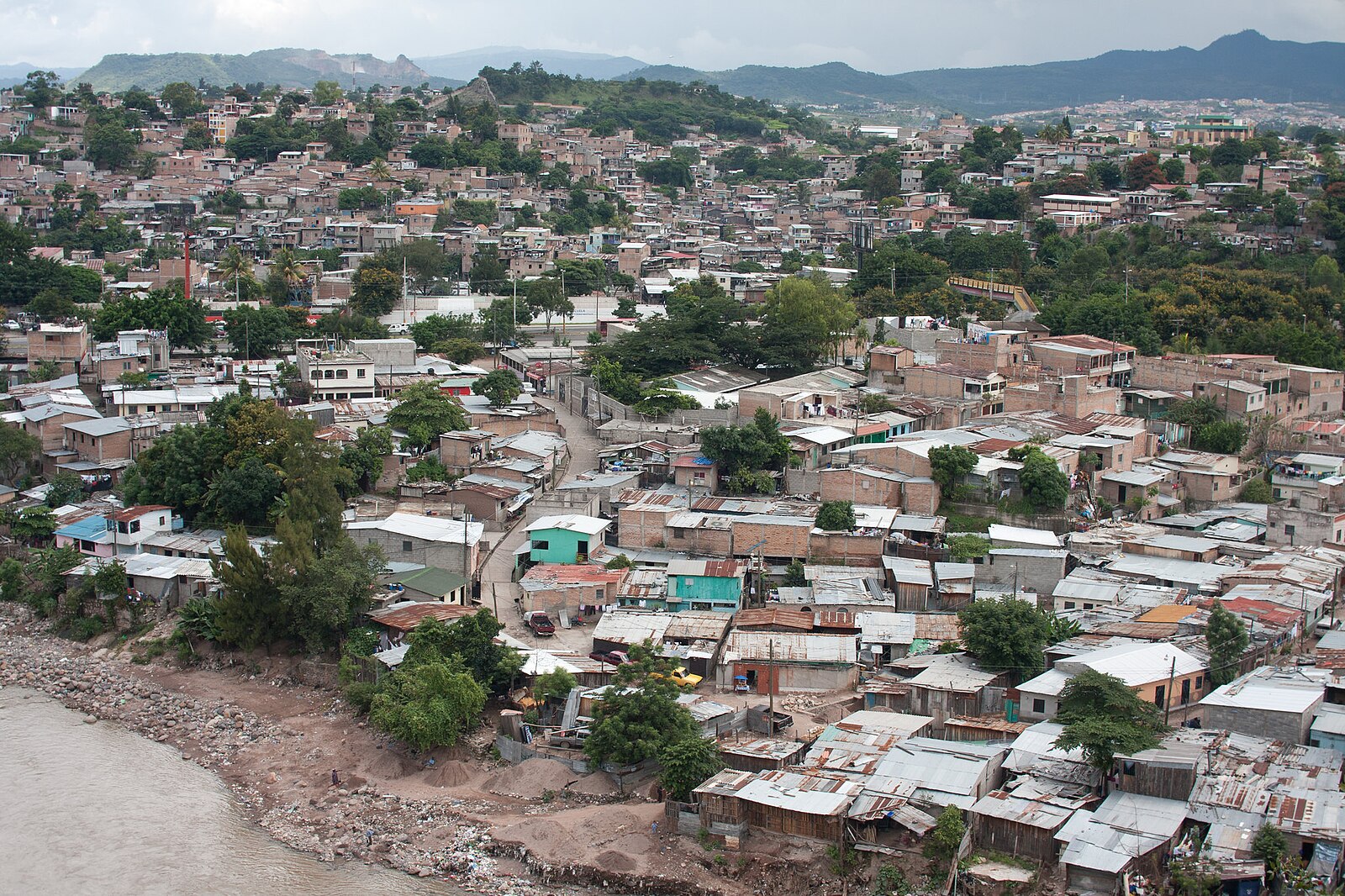
Honduras visa and residency planning in 2026 starts with a clock you share with three neighbouring countries. The 90-day tourist allowance covers Honduras, Guatemala, El Salvador and Nicaragua together, and moving between them does not reset it.
The CA-4 clock — 90 shared days across four countries
Honduras visa and residency planning has to begin with the CA-4, the shared entry zone with Guatemala, El Salvador and Nicaragua. Most visa-free visitors receive 90 days for the whole group, not 90 days in each country.
The United States State Department states the point plainly for its own citizens. Enter any of the four countries lawfully, and you may travel between them for up to 90 days in total.
So a border run to Guatemala or Nicaragua does nothing for your clock. Only leaving the CA-4 region entirely, for example to Mexico, Belize, Costa Rica or Panama, starts a new count.
The national migration institute allows an extension of stay, up to a cumulative 120 days in the region. It charges US$20 for each month extended, payable in lempiras at the official rate.
Entry stamps are not always written for the full 90 days, so read what the officer recorded. The regulation asks for any extension request three days before your current permission expires.
The residence categories the Migration Law sets out
The Honduras visa and residency framework sits in the Migration and Foreigners Law of 2003. Its categories are rentista, pensionado, investor, family-linked resident, and settled resident after five years.
A further line in the same article lets the responsible government secretariat authorise other cases. That clause is the legal hook for the exceptional route created in 2025.
There is no digital nomad or remote-work category anywhere in the law. Remote workers therefore rely on tourist entry, a special stay permit, or the rentista route.
Residence is granted by the state through the government secretariat responsible for governance and justice. The migration institute then registers the new resident and issues the card.
Pensionado and rentista — the two income tests
Two Honduras visa and residency categories carry most retirees and passive-income movers. Pensionado is for people with a permanent, stable pension generated abroad.
The law sets that pension floor at US$1,500 a month, proven with authenticated documents. Rentista instead asks for permanent, lawful and stable income of at least US$2,500 a month.
Rentista income may be generated abroad or inside Honduras. The statute adds no separate amount for each dependent, unlike some neighbouring systems.
Salary from a foreign employer sits awkwardly inside the rentista box. Pension statements, bank records and a letter from the paying institution carry far more weight.
Investor residence and the work-based route
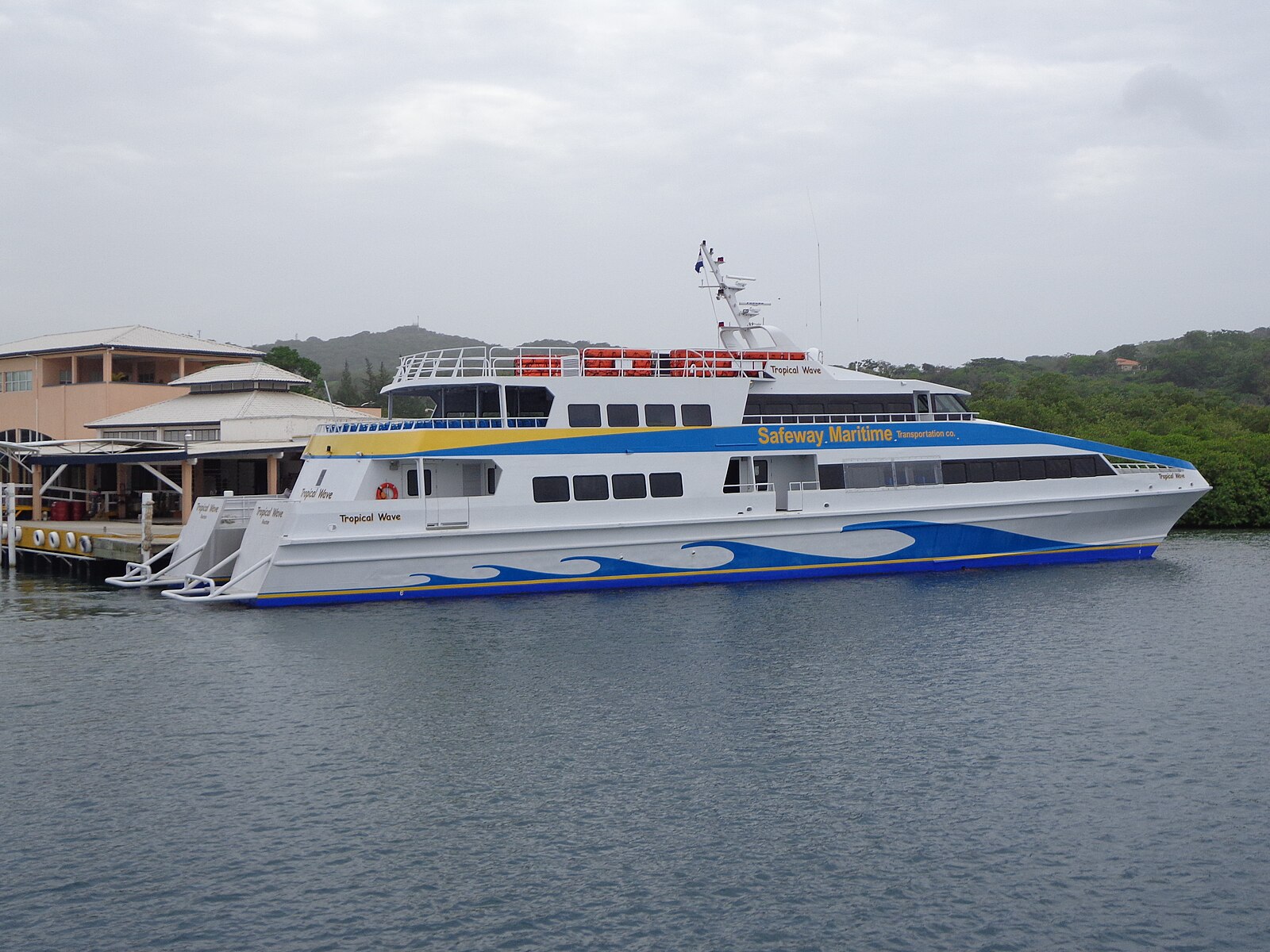
Investor residence asks for at least US$50,000 placed in Honduras, or the same value in local currency. A further US$5,000 guarantee sits at the Central Bank of Honduras.
The file needs a feasibility study and a timetable for the investment itself. Expect to document the source of the funds and the whole transfer trail.
Work-based stay depends on a Honduran employer and on a work authorisation. Labour law requires that at least 90% of staff and 85% of payroll be Honduran.
Narrow exceptions allow a reduction of up to ten percentage points in defined cases. Managers and directors are exempt, but no more than two of them per company.
One exception exists to cover a genuine shortage of Honduran technical specialists. Employers who use it must also run training programmes for Honduran workers.
Family ties and the 2025 exceptional route
Family is the third pillar of Honduras visa and residency law. It covers spouses, minor or dependent children, parents and grandparents, and relatives of Hondurans by birth.
In July 2025 the responsible secretariat issued Agreement 374-2025, published in the official gazette on 23 August 2025. It sets criteria for exceptional residency under the law’s open clause.
One path is for applicants who reach at least half the economic requirement of a standard category. Another covers workers with two years of continuous lawful residence and a work authorisation.
Humanitarian and family cases need 120 days of lawful stay plus supporting evidence. The agreement states clearly that approval stays discretionary, and is not an obligation on the state.
Documents, apostilles and the paper trail
Every Honduras visa and residency file rests on foreign documents that must be recognised locally. Honduras has belonged to the Apostille Convention since 30 September 2004.
Foreign public documents therefore need an apostille rather than consular legalisation. The regulation also requires police clearance from your country of origin and your last residence.
A medical certificate must be less than six months old at filing. The migration institute issues a certificate of your own entry and exit movements for the file.
Every foreign-language document needs an official Spanish translation. Translations, apostilles and expiring police certificates are where most files lose weeks.
Build the slow items first, because apostilles and certified translations set the real pace. Order the police and medical certificates late, since both carry an expiry date.
Timelines, renewals and the ladder to citizenship
A regional law firm comparison published in January 2026 puts Honduran processing at five to six months. The Roatán tourism bureau tells retirees to expect six to nine months instead.
Most residence cards are renewed every year before they expire. Settled residents and family-tie holders may hold cards valid for up to five years.
Five consecutive years of lawful residence opens the settled resident category, the closest thing to permanent residence. Naturalisation is a separate step, set by the Constitution rather than the Migration Law.
Central Americans by birth may apply after one year of residence, and Spaniards and Ibero-Americans after two. Other foreigners need more than three consecutive years, and must renounce their previous nationality unless a treaty allows otherwise.
Filing is normally handled through a legal representative named in a notarised power of attorney. The regulation lists that authorisation among the first documents in any residence file.
Tax residence can start long before the card
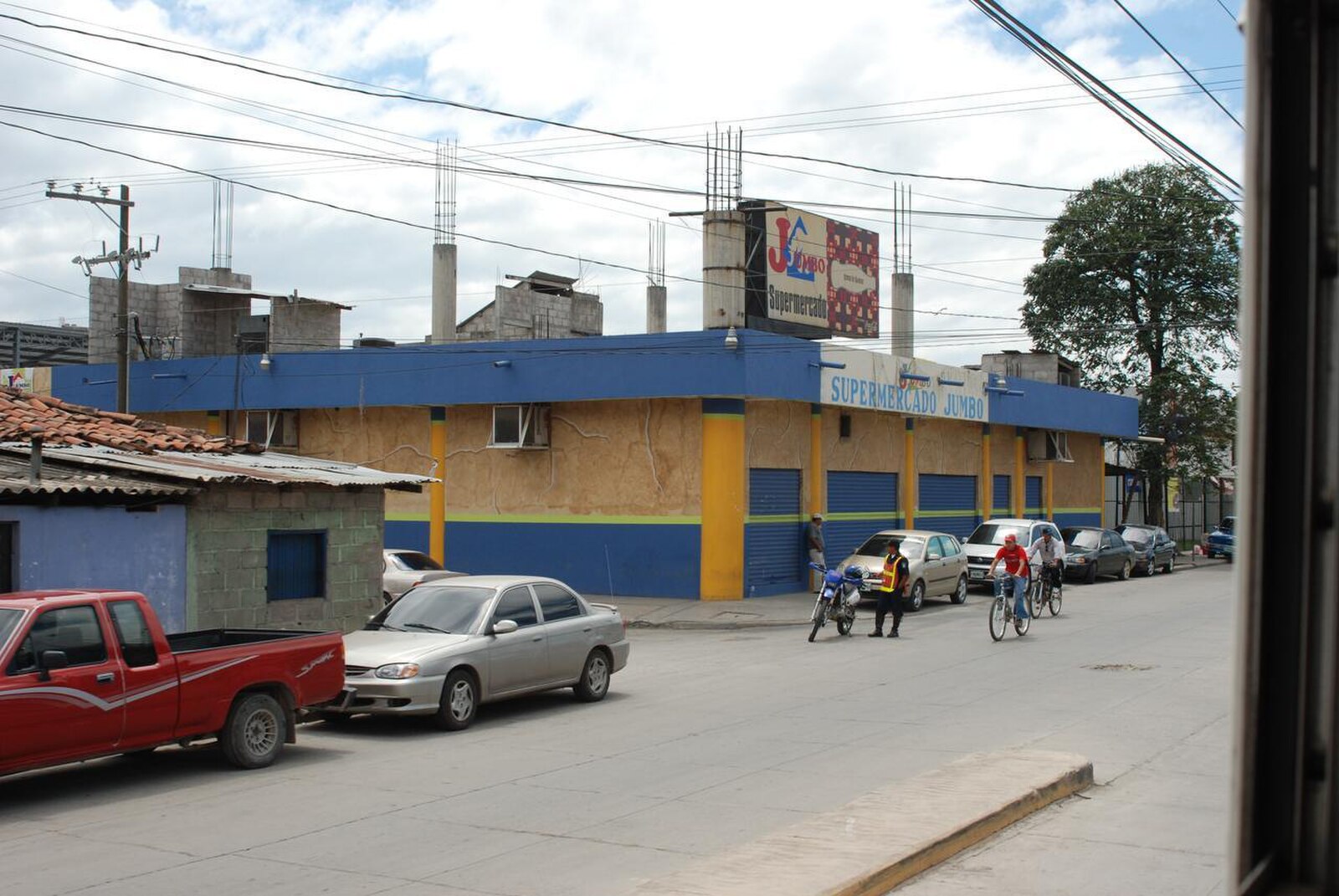
Tax residence is the part of Honduras visa and residency planning that movers most often miss. Honduras taxes on a territorial basis, so Honduran-source income is what the system reaches.
Professional tax summaries put the threshold at more than 90 days of presence in a fiscal year. Those days do not have to be continuous.
The income tax law itself defines a resident as someone actually living in the country. The day count is the practical test advisers apply, so confirm your position with a Honduran tax adviser.
The 2026 brackets exempt the first 228,324 lempiras (about US$8,470) a year, using 26.95 lempiras to the dollar on 21 September 2026. Income above that is taxed at 15%, then 20%, then 25%.
The Bay Islands — property is not permission
The Constitution bars foreigners from land within 40 kilometres (about 25 miles) of the coasts and borders. That restriction covers Roatán, Utila and Guanaja.
Decree 90-90 opens a narrow door in that wall. A foreign individual may buy one urban property of up to 3,000 square metres (about 0.74 acres) as a home.
On empty land, building must start within 36 months or a yearly surcharge of 20% of the assessed value applies. Larger tourism projects follow a separate approval track.
Property and Honduras visa and residency status are two separate systems. Buying a house on Roatán does not extend your stay by a single day.
The housing rule allows one property per foreign individual, except where land passes by inheritance. Anything larger runs through the project approval route instead.
Common mistakes that cost foreigners time and money
The first mistake is treating the 90 days as a Honduras-only allowance. The second is assuming a quick hop to Guatemala restarts the count.
Overstaying falls under the Migration Law, which lets the authority replace deportation with a payment. That payment is 10% of the highest services-sector minimum wage for each month of overstay.
Working without authorisation is a separate infraction, with fines fixed by the regulation. Tourist status never carries the right to work for a Honduran employer.
The migration institute is explicit about what follows 120 days: a special permit, a residence application, or departure. Living for years on rolling tourist stays fits none of those three options.
How Honduras visa and residency compares with three neighbours
A regional law firm survey from January 2026 puts the Guatemalan pension threshold at US$1,250, plus US$300 for each dependent. It lists Nicaragua at a referential US$1,200 and Honduras at US$1,500.
Panama asks US$1,000 a month, but that pension must be lifetime, which many foreign schemes never provide. Panama also sits outside the CA-4, so time there does not touch your Honduran clock.
Honduras therefore sits mid-range on pension income and near the top on passive income. The direction of movement since 2025 has been toward more flexibility, not less.
For a mover, the meaning is simple: residence is what makes everything else lawful and durable. What Honduras does not publish is a binding processing deadline, so every timeline here stays an estimate.
Connected Coverage
Taxes in Honduras for Expats 2026 — Territorial Rules, Rates and What You Owe
Cost of Living in Honduras 2026: What Expats Pay on 26.5 Lempiras to the Dollar
Frequently Asked Questions
Frequently Asked Questions
Does leaving Honduras for a few days reset the 90-day tourist stay?
It does not. The 90 days are shared across Honduras, Guatemala, El Salvador and Nicaragua under the CA-4 agreement. You have to leave the whole region, for example to Mexico, Belize, Costa Rica or Panama. Inside Honduras you can instead request an extension, up to a cumulative 120 days.
What income do pensionado and rentista residence require in Honduras?
The Migration and Foreigners Law sets a pension floor of US$1,500 a month for pensionado. Rentista requires permanent, lawful and stable income of at least US$2,500 a month. The statute adds no separate amount for each dependent. A 2025 ministerial agreement allows exceptional cases at half those amounts, at the authority’s discretion.
Can buying property on Roatán give me residency in Honduras?
It cannot. Under Decree 90-90 a foreigner may buy one urban property of up to 3,000 square metres as a home. That right exists independently of immigration status and creates none. You still need a residence category or valid entry permission to stay.
When does someone become tax resident in Honduras?
Professional tax summaries put the threshold at more than 90 days of presence in a fiscal year, continuous or not. The income tax law itself defines a resident as a person actually living in the country. Honduras taxes on a territorial basis, so Honduran-source income is what matters most. Confirm your own position with a Honduran tax adviser before relying on a day count.
How long does Honduran residence take, and can it lead to citizenship?
A regional law firm comparison published in January 2026 puts processing at five to six months. The Roatán tourism bureau tells retirees to expect six to nine months, and no official deadline is published. Five consecutive years of lawful residence opens settled resident status. Naturalisation follows constitutional periods of one, two or more than three years, depending on nationality.
Sources: Figures come from the National Migration Institute, the Migration and Foreigners Law and its regulation, the Constitution, the Labour Code, Decree 90-90, the 2025 ministerial agreement in the official gazette, the United States State Department, the Hague Conference apostille status table, and published professional tax and regional residency comparisons.
This article was produced by The Rio Times’ automated newsroom system. How we use AI · Report an error
Read More from The Rio Times