Taxes In Nicaragua For Expats 2026 — Residence Rules, Rates And Real Costs
GUIDES · NICARAGUA
Key Facts
- —What it is A territorial tax system that reaches Nicaraguan-source income only, for residents and non-residents alike.
- —Who it’s for Foreign retirees, remote workers, landlords and employees who spend real time in Nicaragua.
- —What it costs Nothing on the first 100,000 córdobas (about US$2,700) of local earnings, then 15–30 percent.
- —Why it matters A foreign pension normally falls outside the Nicaraguan tax base altogether.
- —The catch Remote work done inside Nicaragua counts as local income, whoever pays for it.
Taxes in Nicaragua for expats turn on one question — was the income earned inside the country, or outside it.
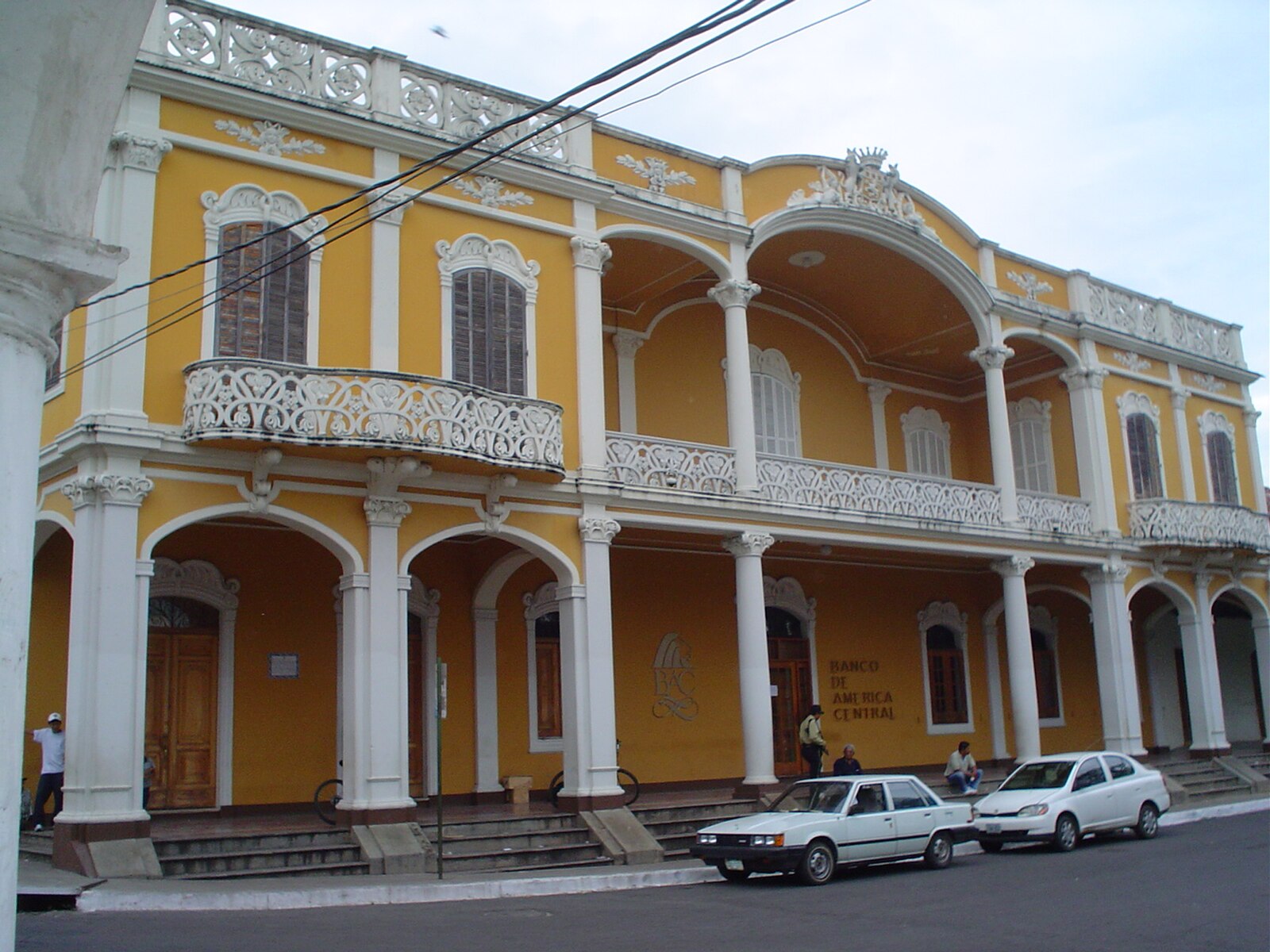
Taxes in Nicaragua for expats follow one principle — the country taxes income earned inside its borders and ignores the rest. That rule sits in Law 822, the tax code in force since 2012, and it still holds in 2026.
Taxes in Nicaragua for expats begin with the 180-day test
Nicaragua treats you as a tax resident once you spend more than 180 days here in a calendar year. The days do not have to run together.
That test sits in Article 7 of Law 822, as amended by Law 891 in 2014. It applies to people arriving from abroad, whatever passport they hold.
There is a second route into residence. If your main centre of economic interest sits in Nicaragua, the tax authority can treat you as resident.
Immigration status and tax residence are separate things. A permanent residence card does not by itself make you a Nicaraguan taxpayer.
The reverse is also true, and it catches people out. A tourist who keeps returning can cross 180 days without ever holding a residence card.
For expats, residence in Nicaragua changes the tax rate rather than the reach of the tax. It does not open or close the door to foreign income.
The territorial rule and what it leaves untouched
Taxes in Nicaragua for expats rest on a single levy, the IR, charged on Nicaraguan-source income. It reaches residents and non-residents alike.
Nicaraguan-source income means income from goods, services, assets, rights or activity inside the territory. Where the money is paid does not settle the question.
A foreign state or company pension therefore falls outside the Nicaraguan base. So do dividends, rent and gains from assets held abroad.
Paying that pension into a Nicaraguan bank changes nothing. The source follows the work or the asset, never the account.
Remote work is where the rule bites. Article 12 treats employment income as Nicaraguan when the work itself is performed on Nicaraguan soil.
So a freelancer sitting in Granada with only foreign clients is earning local income. Many foreign residents get this backwards, in both directions.
What you pay on Nicaraguan income
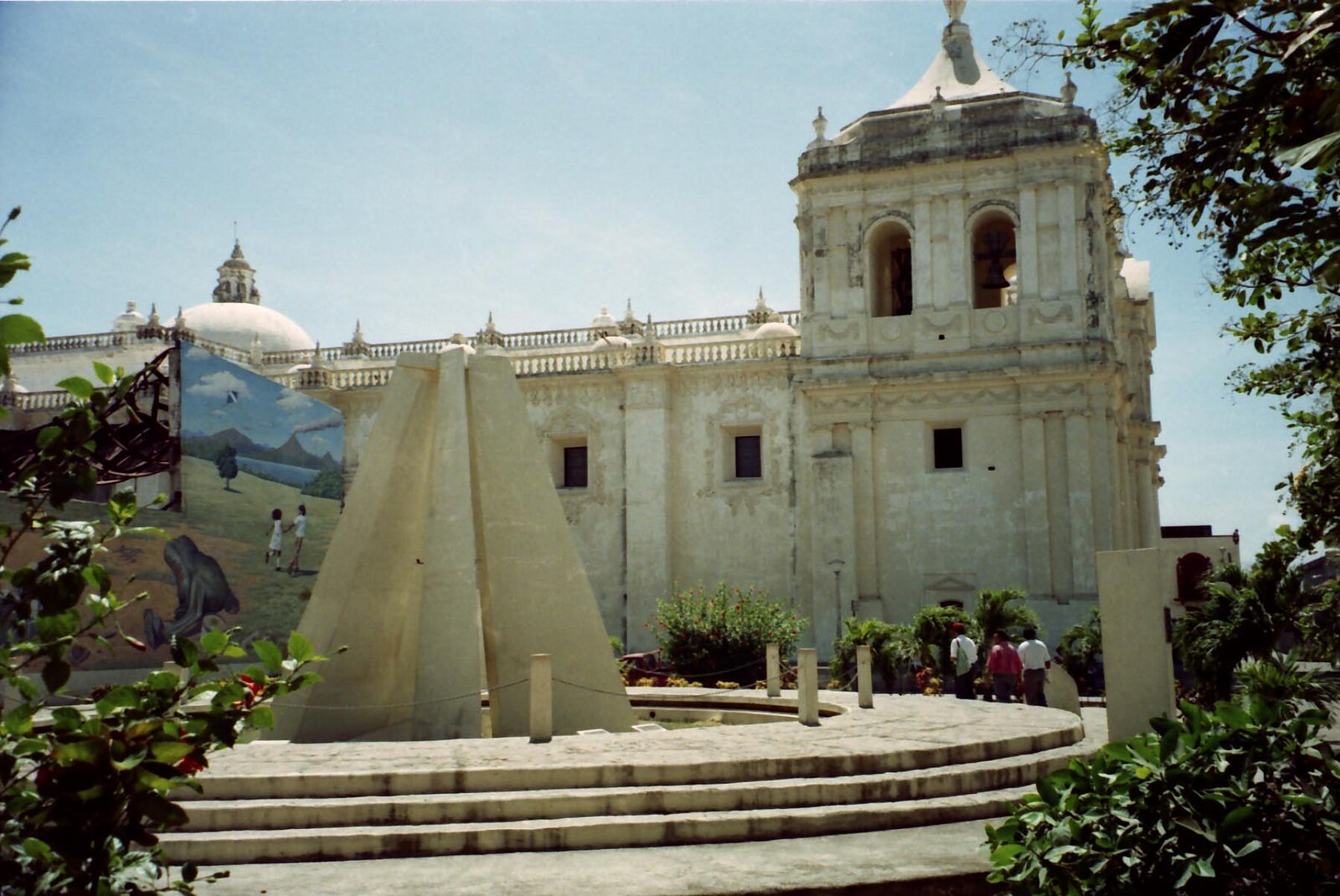
Taxes in Nicaragua for expats only start to bite once the income is local. The first 100,000 córdobas (about US$2,700) of annual net income is free of tax.
Above that, the rate is 15 percent to 200,000 córdobas (about US$5,400), then 20 percent to 350,000 córdobas (about US$9,500).
The scale runs at 25 percent to 500,000 córdobas (about US$13,600), and 30 percent above that. Conversions here use about 36.8 córdobas to the dollar, at 23 September 2026 exchange rates.
Non-residents are handled more bluntly. Law 987 sets a flat 20 percent final withholding on Nicaraguan work income and on most other business income.
Rent from a Nicaraguan property is capital income, taxed at 15 percent. A flat 20 percent deduction applies first, so the real bite is about 12 percent of gross rent.
Small traders have a simpler route. People earning up to 100,000 córdobas (about US$2,700) a month can sit in the fixed-quota regime instead.
Payroll, social security and sales tax
Employers withhold income tax monthly and are jointly liable if they fail to. That matters the day you hire a housekeeper or a driver.
Social security is run by INSS, the Nicaraguan Social Security Institute. Under the full regime, the worker contributes 7 percent of wages.
The employer pays 21.5 percent where the firm has fewer than 50 workers, and 22.5 percent at 50 or more. Those are among the heavier payroll charges in Central America.
IVA, the value-added tax, is charged at 15 percent. Exports of Nicaraguan goods and services supplied to non-residents are zero-rated.
Most expats never see this Nicaragua tax as a separate bill. It sits inside shop and restaurant prices, and there is no personal return to file.
It becomes visible the moment you register a business. Then you collect the tax, file it and carry the paperwork that comes with it.
Property tax and the cost of selling
Municipalities levy IBI, the property tax, under a decree dating from January 1995. The rate is 1 percent, charged on 80 percent of the assessed value.
That works out near 0.8 percent of value a year. Half falls due in the first quarter and half by the end of June.
Paying the whole bill in the first quarter earns a 10 percent discount. Municipal councils also allow a small fixed deduction from the base.
Selling is where the larger number appears. Law 987 replaced the old flat charge with a sliding final withholding on registered property transfers.
It starts at 1 percent on values up to US$50,000 and rises in steps to 7 percent above US$500,000. The law itself sets those bands in dollars.
Other capital income and gains carry 15 percent. Transactions with jurisdictions Nicaragua treats as tax havens carry 30 percent instead.
The retiree residency and what it actually gives you
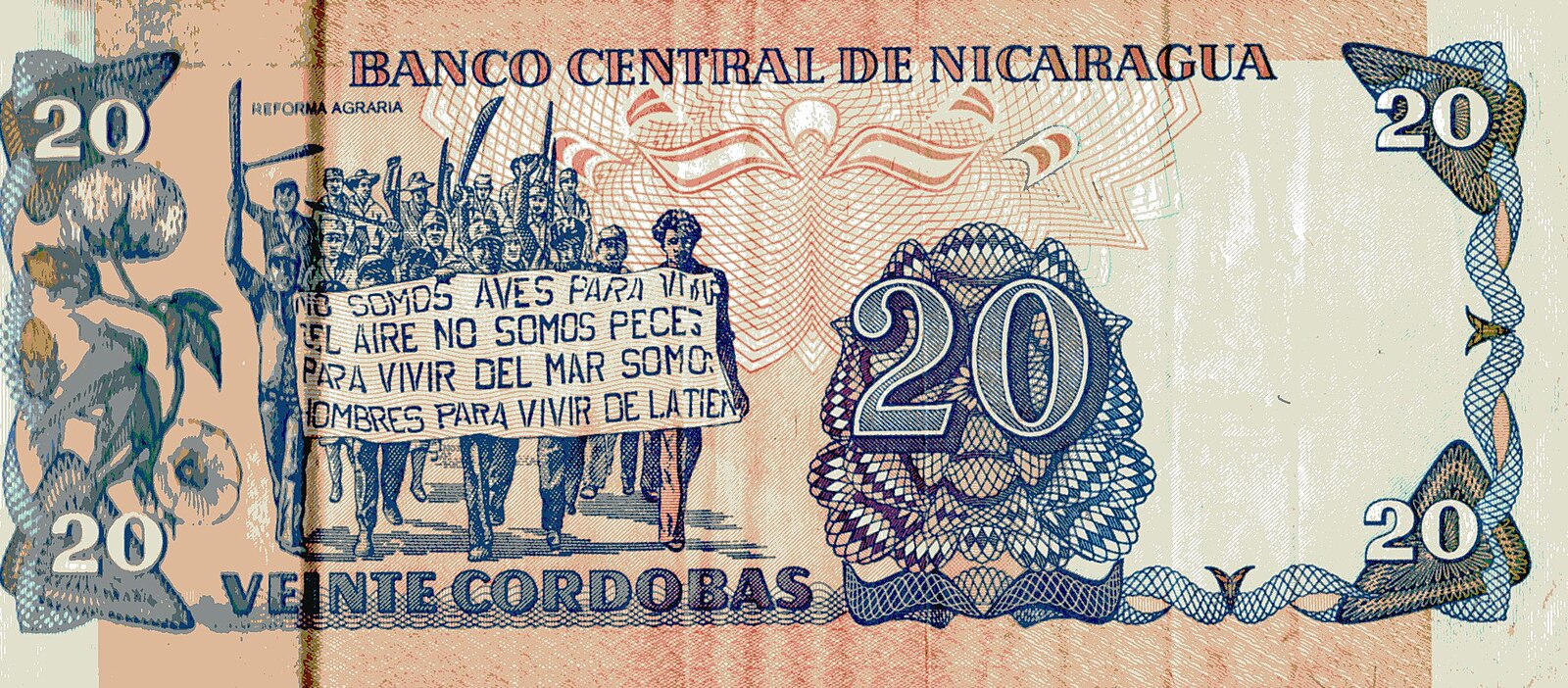
Law 694 of 2009 created the pensionado and rentista residence categories. INTUR, the tourism institute, approves them before immigration issues the card.
Law 987 raised the money test in 2019. A pensionado must show US$1,000 a month, a rentista US$1,250, generated abroad.
The benefits are customs benefits, not income tax benefits. They cover household goods up to US$20,000 and one vehicle up to US$25,000.
The vehicle relief covers import duty and IVA, and can be used once every four years. Building materials for your own home are relieved of IVA up to US$50,000.
Nothing in that list is a holiday from income tax. Taxes in Nicaragua for expats are decided by source, not by the residence card.
That distinction has a practical edge. Buy a flat in Granada and let it, and the rent is taxed as anyone else’s would be.
Filing, deadlines and the absence of treaties
The tax authority is the DGI, the General Revenue Directorate. It runs registration, returns and the taxpayer number you need for any local income.
The tax year is the calendar year, ending on 31 December. Law 987 moved the annual return to the last day of the second month afterwards.
For most taxpayers that means the end of February. Employees with a single employer and no extra deductions generally do not file at all.
Nicaragua has no double taxation treaties in force. Guatemala and Honduras are in the same position, while Costa Rica and Panama have signed several.
For expats, the absence of treaties matters less than it sounds, because Nicaragua taxes so little of their income. Where there is no local tax, there is no double tax to relieve.
US citizens stay inside the US system wherever they live. Income exempt in Nicaragua is still reportable at home, and accounts above US$10,000 must be reported separately.
How Nicaragua compares with Costa Rica and Honduras
All three neighbours tax on a territorial basis. The differences lie in the day counts and in what each country charges on local income.
Costa Rica treats you as resident after more than 183 days in the tax period. Honduras uses a much shorter test of more than 90 days.
Nicaragua sits between them at more than 180 days. For expats living on a foreign pension, the tax answer in Nicaragua matches both neighbours.
The gap opens once local income appears. Rates, payroll charges and property rules differ, and so does the cost of getting proper advice.
Nicaragua’s retiree route asks for a foreign pension of US$1,000 a month. That figure is set in law, and it has not moved since 2019.
The honest summary is that taxes in Nicaragua for expats rarely turn on the visa. Where you physically work, and where your assets sit, matters far more.
Connected Coverage
Nicaragua Visa and Residency 2026 — Routes, Costs and Realistic Timelines
Nicaragua Repealed Its Retiree Residence Law, Leaving One-Year Permits
Cost of Living in Nicaragua 2026: Comfortable Life on US$900–1,300
What Is Not Known
Nicaragua publishes little on how it applies the source rule to remote work. No public ruling settles the position of a foreigner working online for clients abroad.
The pensionado law still carries lower income figures in one article than the 2019 amendment sets in another. Which figure the tourism institute applies in practice is not published.
The filing date for salaried individuals is not clean. The statute points to the end of February, while several professional guides still describe a 90-day deadline.
Municipal practice on property tax varies. Each council sets its own valuation tables and fixed deduction, and those are not gathered in one public place.
Enforcement is the largest unknown. How actively the tax authority pursues small foreign-resident taxpayers is not something any published figure measures.
Sources: Figures and dates here come from Nicaragua’s tax code and its 2014 and 2019 reforms on the National Assembly’s legislation site, the INSS contribution schedule, the Central Bank’s 2026 exchange-rate notice, the 1995 property-tax decree, the pensionado law and published tax summaries.
- legislacion.asamblea.gob.ni
- legislacion.asamblea.gob.ni
- mem.gob.ni
- inss-princ.inss.gob.ni
- bcn.gob.ni
- migracionesnicaragua.files.wordpress.com
- plataformaurbana.cepal.org
- taxsummaries.pwc.com
Frequently Asked Questions
How many days make you a tax resident in Nicaragua?
More than 180 days in a calendar year makes you a tax resident. The days do not have to be continuous. A second test applies if your main centre of economic interest sits in Nicaragua.
Do expats pay tax on foreign pensions in Nicaragua?
Nicaragua taxes only Nicaraguan-source income, so a foreign pension normally falls outside the tax base. Paying it into a Nicaraguan bank account does not change that. The relief comes from the territorial rule, not from any retiree visa.
Does the Nicaragua retiree residency give tax benefits?
It gives customs benefits rather than income tax benefits. The main ones are duty-free household goods, one vehicle relief every four years, and relief on building materials for your own home. It is not a holiday from income tax.
What is the VAT rate in Nicaragua?
IVA, the value-added tax, is charged at 15 percent. Exports and services supplied to non-residents are zero-rated. For most foreign residents it simply sits inside everyday prices, with no personal return to file.
How much is property tax in Nicaragua?
Municipalities charge IBI at 1 percent, applied to 80 percent of the assessed value. That works out near 0.8 percent of value a year. Half falls due in the first quarter and half by the end of June.
Do US citizens still file US taxes while living in Nicaragua?
Yes. The United States taxes its citizens wherever they live. Income that Nicaragua does not tax can still be reportable at home, and foreign accounts above a low threshold must be reported separately.
This article was produced by The Rio Times’ automated newsroom system. How we use AI · Report an error
Read More from The Rio Times