
Politics: Paraguay
Key Facts
- Who. Paraguay’s president, Santiago Peña, announced his resignation on 5 November over the failure of Ueno Bank, a major lender.
- Why. Lawmakers had opened impeachment proceedings; Congress has received his letter but not formally accepted it.
- Next. Vice President Pedro Alliana is expected to finish the term to August 2028; not yet confirmed.
- Time. As of 5 November 2026, 17:30 GMT
Paraguay’s president looked into a camera on Thursday and told his country he was stepping down. Santiago Peña, a conservative who took office on 15 August 2023, announced his resignation in a video on 5 November as the failure of Ueno Bank turned into an impeachment fight.
Ueno Bank, a Paraguayan lender with almost three million customers, was put into closure by the central bank on Tuesday 3 November. Savers are now waiting for payouts from the state deposit guarantee fund.
For US readers, Paraguay is a major exporter of soy and beef and a South American partner of Washington, so a sudden change at the top is worth watching. We have no information yet on any reaction from the US government or from markets.
In plain English
The president says he is quitting before lawmakers could vote to remove him over a bank that failed. Congress still has to accept the resignation, and the vice president is expected to take over.
What We Know
Peña posted the video on his own and the presidency’s official X accounts. “I have decided to submit my resignation as President of the Republic,” he said.
He said he was acting for social peace and to preserve democratic institutions. He called it one of the hardest moments of his life.
He apologised to the people in the same video. “No office should stand above the wellbeing of Paraguay,” he added.
He then turned to the savers hurt by the crisis. “My greatest wish is that the return of those funds is guaranteed,” he said.
Peña wants depositors repaid through the Deposit Guarantee Fund (FGD), the state scheme meant to protect bank savings. Deputies took up an advance payout from the fund in an extraordinary session on Wednesday.
The Chamber of Deputies, the lower house of Congress, had opened an impeachment debate, known in Spanish as a juicio político, over Ueno Bank. The charge sheet lists five grounds.
The opposition alleged a conflict of interest tied to a stake Peña held in Ueno’s parent company until 2025. The charge sheet also raises the use of money from the IPS, the state pension institute.
The Colorado Party, the ruling conservative party, had said it would back impeachment, and former president Horacio Cartes, the party’s leader, backed it too. The Chamber’s president, Raúl Latorre, had said Peña would submit to the process.
After the resignation, the Chamber put the session in recess.
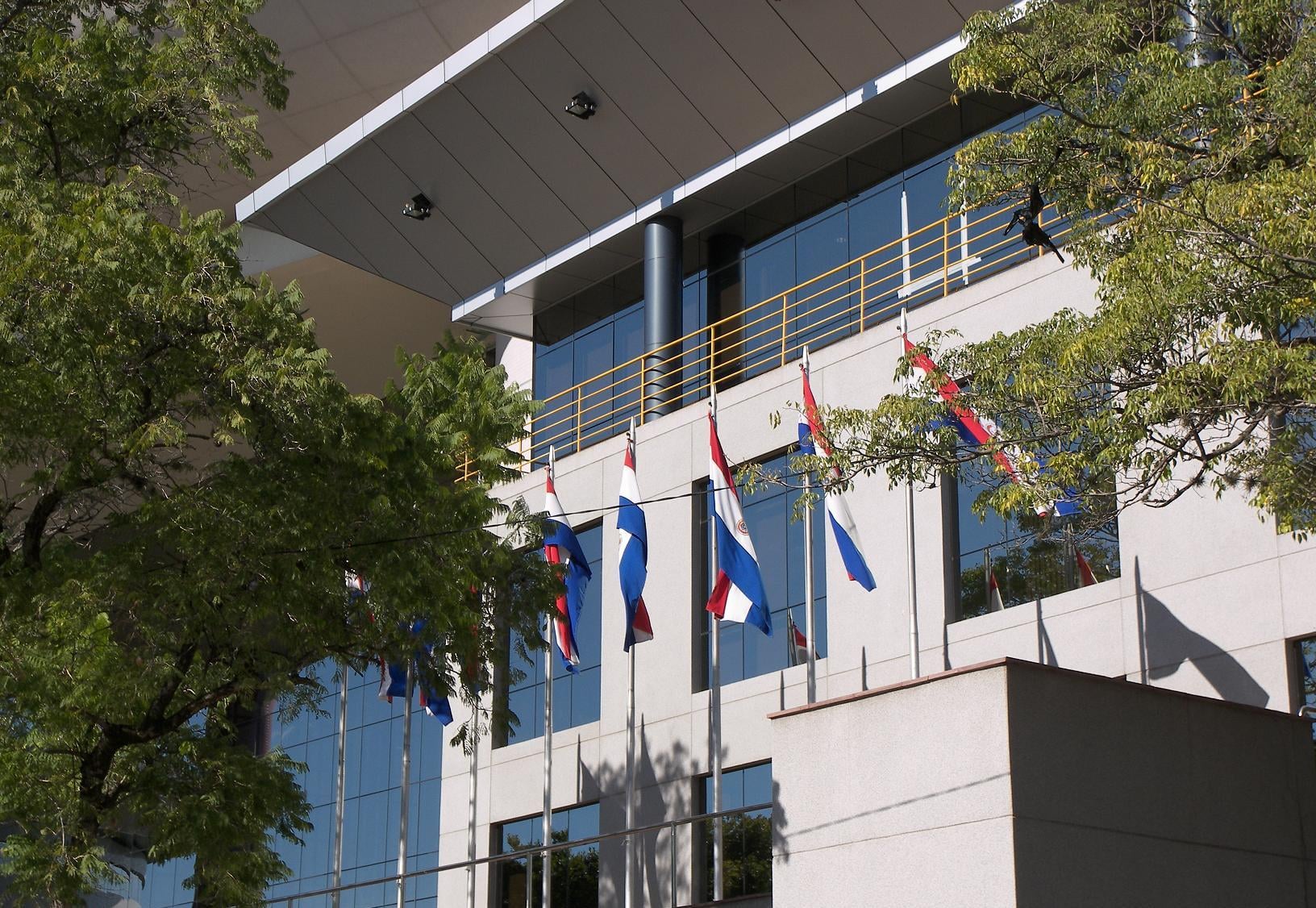
Inside the Ueno Bank Crisis
The central bank ordered Ueno’s resolution, a legal closure process, on Tuesday 3 November, and the central bank’s president, Carlos Carvallo, resigned, as we covered in our earlier report.The bank’s solvency, a measure of whether it can cover its debts, fell below 50% of the required minimum.
Ueno had also drawn large public deposits, including money from the IPS.On Thursday a judge ordered prison for six former Ueno directors, including Miguel Vázquez, and house arrest for two others.
The wider case has 27 defendants. The central bank has opened a web platform where savers can check their payout from the guarantee fund.
Peña also cancelled his trip to the Ibero-American Summit in Madrid, a gathering of leaders from Latin America, Spain and Portugal. The resignation document reached Congress on Thursday afternoon, and Congress has confirmed receipt.
Formal acceptance has not yet been confirmed. Local reports say the Senate president would call a joint session of Congress to take up the resignation, and a new president could be sworn in within a day.
The timing is unconfirmed, and some senators have said they might reject the resignation. Vice President Pedro Alliana is expected to take over and finish the term, which runs to August 2028.
That is expected rather than confirmed.
What Is Not Known
It is not known whether Congress will accept the resignation, or who will be sworn in and when. It is also unclear whether the impeachment will be dropped or only paused.
Nobody has said how large the FGD payout will be or how fast it will arrive. It is also unknown whether prosecutors will pursue Peña once he leaves office.
What It Means for Travelers and US Readers
Paraguay is a major soy and beef exporter, so US companies and investors with business there will want to see an orderly handover. We have no information on any US government reaction or any market reaction so far.
Anyone holding an account at Ueno should use the central bank’s web platform to check their payout. Visitors should follow official announcements from Congress, and our background piece on who holds power in Paraguay in 2026 explains the political landscape.
Our earlier report on the impeachment push shows how the case reached this point. More coverage is in the Paraguay section.
Frequently Asked Questions
Why did Peña resign?
He said he acted for social peace and to protect democratic institutions, as lawmakers weighed impeachment over the Ueno Bank crisis. He also apologised to the public.
Who becomes president of Paraguay?
Vice President Pedro Alliana is expected to take over until August 2028, but that is not confirmed. Congress has confirmed receiving the resignation, but formal acceptance is not yet confirmed.
What happens to Ueno Bank depositors?
Peña said he wants savers repaid through the Deposit Guarantee Fund (FGD). The central bank has opened a web platform for payout queries, but we have not confirmed amounts or dates.
Does this affect US travellers or investors?
We have no information on any US government or market reaction. Paraguay is a major soy and beef exporter, so investors may watch whether the handover stays orderly.
Sources
Presidency of Paraguay (video on X, 5 November 2026) · Paraguayan Congress · Court order in the Ueno Bank case · Central Bank of Paraguay
This article was produced by The Rio Times’ automated newsroom system. How we use AI · Report an error · Editorial responsibility: Matthias Camenzind, Editor-in-Chief