Chile Kast Government Resignations Reach 48 After Coquimbo Exit
Chile · Politics
Key Facts
- —Chile A regional energy secretary in Coquimbo resigned on 17 September 2026 over comptroller findings about his professional experience.
- —The running tally El Desconcierto counted 48 departures in six months on 17 September. El Ciudadano counted 47 on 16 September.
- —Why it keeps happening Regional secretaries are political appointments that must meet statutory professional requirements. The comptroller audits those credentials after they take office.
- —Who replaces him Juan Carlos Salinas Marabolí, the Coquimbo mining secretary, takes the energy portfolio on an interim basis.
- —A second resignation A Venezuelan activist quit a civil service communications post on 16 September during a comptroller inquiry into her hiring.
- —The catch The counts differ by cut-off date and by what each outlet includes. No single official tally is published.
A regional energy official quit in Coquimbo on Thursday, and the running tally of departures now depends on which newsroom is keeping it. The pattern behind them is the same one each time.
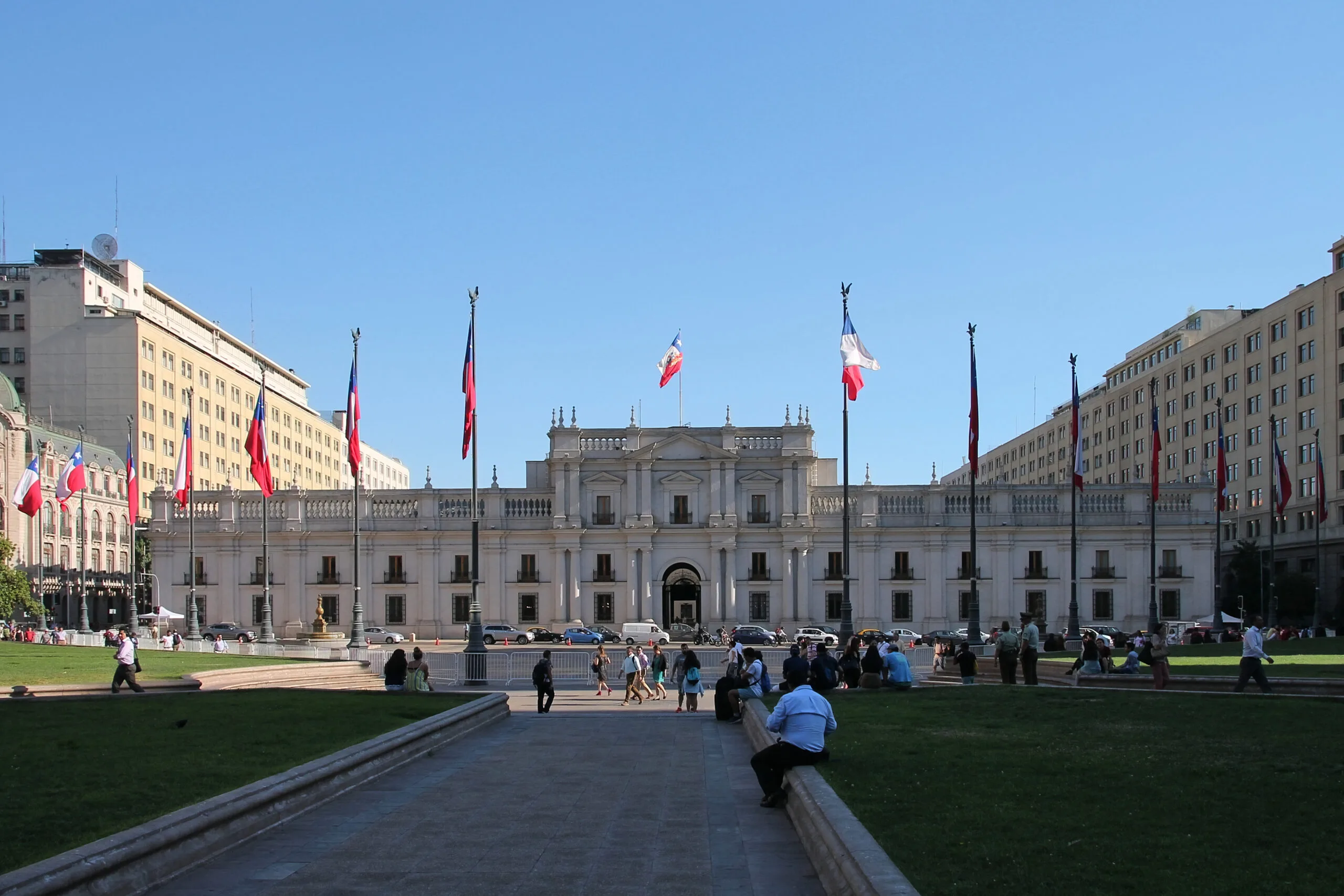
Chile Kast government resignations passed another marker on Thursday 17 September 2026. Fabián Páez left his post as regional energy secretary, or seremi, for the Coquimbo Region.
A seremi is a ministry’s representative in one of the country’s 16 regions. The departure was announced by the Delegación Presidencial Regional de Coquimbo, the president’s regional office, not by the Energy Ministry.
Why the energy secretary left
El Desconcierto, a left-leaning Chilean digital daily, reported that the Contraloría General de la República had raised observations about his credentials. The Contraloría is the country’s independent comptroller general.
The outlet said he held a degree requiring two years of professional experience that the comptroller could not validate. La Tercera quoted the regional office saying he left after learning of observations on professional experience.
Accounts differ on whether he went of his own accord. El Desconcierto and La Tercera say he resigned; Pauta and El Periodista say the government requested the resignation.
Juan Carlos Salinas Marabolí, the Coquimbo mining seremi, takes the energy portfolio on an interim basis. No permanent successor had been announced by Thursday evening.
Three tallies, three cut-off dates
El Desconcierto put Páez at number 48 over six months: 38 seremis, three ministers, six undersecretaries and others. BioBioChile, La Hora, Canal 9, Radio Maray and Radio Modelo carried the same framing on 17 September 2026.
El Ciudadano, a left-wing Chilean news site, counted 47 on 16 September 2026. Its breakdown was 37 seremis, three ministers, six undersecretaries and one presidential delegate.
A third figure comes from renunciaskast.cl, an independent tracker run by Danilo Herrera, which logged 49 departures on 17 September 2026. It counts resignations, removals, position changes and failed appointments, a broader definition than the newsrooms use.
Pauta and El Periodista headlined the same event as seremi number 38, which counts seremis only. Emol counted 42 departures at 157 days, on 14 August 2026, and no official tally is published.
How Chile fills these jobs
Chile Kast government resignations cluster in one layer of the state, and the reason is structural. Ministers are appointed and removed at the sole discretion of the president.
Regional secretaries are different. There are roughly 307 seremi posts across the 16 regions, including 16 created with the Ministry of Public Security in 2025.
Regional presidential delegates send shortlists of three names, the president signs the decree, and the sector minister countersigns. José Antonio Kast took office on 11 March 2026 for a four-year term.
He leads the Partido Republicano and a coalition called Cambio por Chile, with the Partido Nacional Libertario and the Partido Social Cristiano. So seremis are political appointments that must still satisfy statutory professional requirements.
The comptroller audits those requirements only after the appointment, which is when the problems surface.
The earlier departures
The first cabinet reshuffle came on 19 May 2026, 69 days into the government. Mara Sedini, the government spokesperson, and Trinidad Steinert, the security minister, both left.
Natalia Duco, the sports minister, later resigned over a comptroller controversy about the use of a state vehicle. Juan Pablo Rodríguez left the finance undersecretary post in June 2026 after a positive drug test.
Subsequent tests on Rodríguez came back negative. Jorge Olivares Puentes was removed as housing seremi for Antofagasta on 14 September 2026.
Housing Minister Iván Poduje said he had requested that resignation over grave deficiencies in regional agreements. The region’s housing target had been cut from 8,733 units to 3,268.
A day later the La Araucanía health seremi, José Bravo Burgos, was out. He had compared a fatal fire at an unlicensed elderly care home to closing a landfill.
The Health Ministry said the remarks lacked sensitivity toward families hit by the Pitrufquén nursing home fire. Karla Kepec left the Arica y Parinacota health post after recruiting staff through a Republican Party WhatsApp group.
Andrea Balladares is a senator and president of Renovación Nacional, a traditional right-wing party in the government’s orbit. Six months in, she said, this stops being an installation problem and becomes a management issue.
A resignation at the civil service agency
Lucy Depablos Chacón, a Venezuelan activist, resigned on Wednesday 16 September 2026. She headed communications and citizen participation at the Dirección Nacional del Servicio Civil, an agency under the Finance Ministry.
She began work in March 2026 and was formally contracted on 23 April 2026. The comptroller is examining whether her hiring as an expert was justified.
It asked for her academic, professional and labour background, and for objective evidence of the special knowledge required. BioBioChile frames the inquiry more narrowly, around whether she held a journalism degree.
Her gross pay reached 5.6 million Chilean pesos a month including bonuses, about US$5,865. That conversion uses 954.85 pesos to the US dollar, the rate quoted by BioBioChile on 17 September 2026.
El Desconcierto’s headline described her as linked to the UDI, a traditional right-wing party. The article named no membership, candidacy or sponsor, and CIDOB does not list the UDI in the governing coalition.
Safe-conduct passes for Venezuelans
Separately, the government will let Venezuelan migrants with expired passports leave Chile on a safe-conduct pass. Máximo Pavez, the undersecretary of the interior, announced the measure.
Chile will homologate, or formally recognise, a salvoconducto issued through the Venezuelan foreign ministry’s website. The Chilean foreign ministry issues a resolution declaring the document compliant with migration requirements.
Pavez said the Migration Law requires a valid passport, another valid travel document or a safe-conduct to leave the country. Venezuelans here cannot renew passports because Venezuela has no functioning consular service in Chile.
An earlier circular allowing exit on expired passports was rescinded on 16 August 2026 after failing comptroller review. Pavez said people who entered through unauthorised crossings still face a re-entry ban when they leave.
What it means in practice
For anyone dealing with a Chilean regional office, the practical issue is continuity. Chile Kast government resignations have concentrated in seremi posts, the layer that signs regional permits and administers sector agreements.
In Coquimbo the energy portfolio now sits with the mining secretary until a permanent name is signed. In Antofagasta the regional housing target fell from 8,733 units to 3,268.
For Venezuelan migrants the change is narrower than it looks. It solves an exit document problem, not the re-entry ban attached to unauthorised entry.
More: Chile coverage, every day from The Rio Times.
Frequently Asked Questions
What is a seremi?
A seremi, short for Secretario Regional Ministerial, is a ministry’s senior representative in one Chilean region. There are roughly 307 such posts across the country’s 16 regions. Regional presidential delegates propose three names, the president signs the appointment decree, and the relevant minister countersigns it. The job is political, but the holder must still meet the professional qualifications the law sets for the post.
What does the Contraloría do?
The Contraloría General de la República is Chile’s comptroller general, an independent body that audits the legality of state acts. It checks whether public officials meet the statutory requirements of the jobs they hold. Those checks usually happen after an appointment has already been made. That sequencing is why credential findings keep producing resignations months into a new administration.
Who is José Antonio Kast?
Kast is Chile’s president, sworn in on 11 March 2026 before a joint session of Congress. He leads the Partido Republicano, a populist right party, and the Cambio por Chile coalition. That coalition also includes the Partido Nacional Libertario and the Partido Social Cristiano. He took 58.16% in the runoff of December 2025, defeating Jeannette Jara.
Why can Venezuelans in Chile not renew their passports?
Venezuela has no functioning consular service in Chile, so expired passports cannot be replaced locally. Pauta attributes that gap to the absence of diplomatic relations between the two governments. Chilean law requires a valid travel document to leave the country, which left some people unable to depart legally. The new safe-conduct arrangement recognises a document issued through the Venezuelan foreign ministry’s website instead.
Sources: El Desconcierto on the Coquimbo energy secretary and the 48 count, La Tercera on the regional office wording and the interim replacement, El Ciudadano on the 47 count of 16 September, renunciaskast.cl on its broader 49-entry tracker, El Periodista on the government requesting the resignation, Emol on 42 departures at 157 days, Emol on how regional secretaries are appointed, El Desconcierto on the Renovación Nacional criticism, BioBioChile on the civil service resignation and salary, Pauta on the safe-conduct passes for Venezuelans, Senado de Chile on the 11 March 2026 inauguration
This article was produced by The Rio Times’ automated newsroom system. How we use AI · Report an error
Read More from The Rio Times