Egypt Residency Visa Requirements 2026 — Entry, Extensions and Long-Stay Routes
GUIDES · EGYPT
Key Facts
- —What it is A layered system of tourist entry, in-person extensions and separate residence permits for work, property or deposits.
- —Who it’s for Retirees, remote earners, investors and employees planning to stay in Egypt beyond a holiday.
- —What it costs Tourist visas cost US$30 single entry; residence fees and investment thresholds vary by route and change.
- —Why it matters Egypt has no formal retirement visa, so long-stayers must fit an existing residence category.
- —The catch Repeated tourist extensions are not residence, and overstays beyond the grace period can bring fines at departure.
Egypt residency visa requirements reward early planning: short visits are simple, but a long stay needs a real residence category.
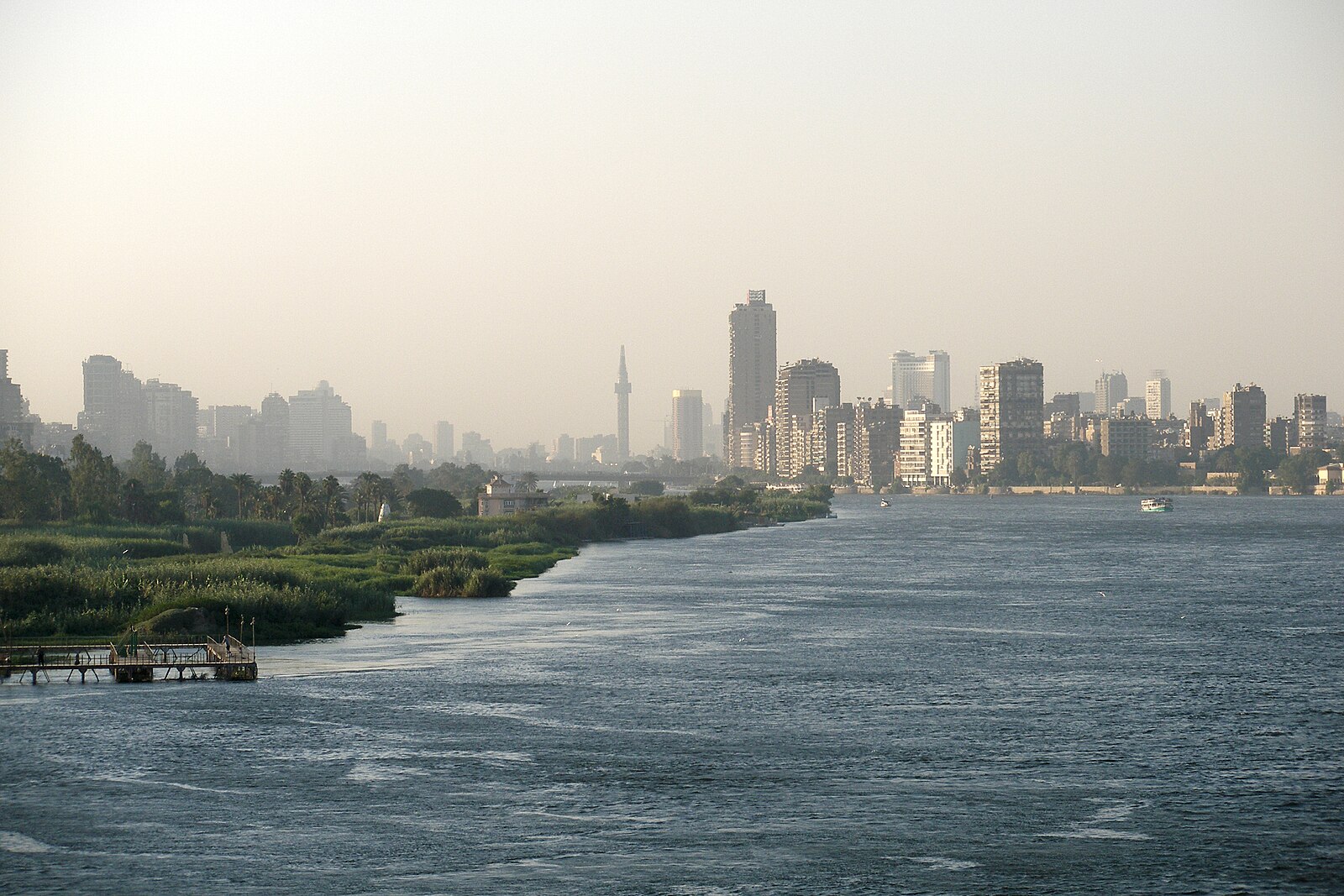
Egypt residency visa requirements in 2026 separate an easy tourist entry from the residence permits that long stays actually need. Most newcomers arrive on a 30-day tourist visa, then must choose a work, property, deposit or family route.
The entry landscape: e-visa, arrival visa and the Sinai stamp
Egypt runs an official e-visa portal, and approved airports sell a tourist visa on arrival to many nationalities. The standard tourist stay is 30 days, and passports need at least six months of validity.
All figures here use 19 September 2026 exchange rates, when the pound traded at about 52.1 Egyptian pounds to the dollar. Visa fees themselves are set in US$, not in pounds.
On 1 March 2026 the visa-on-arrival fee rose from US$25 to US$30. In late April the single-entry e-visa followed to US$30 and the multiple-entry e-visa to US$65.
Since 1 August 2026, Cairo International Airport has also offered a digital visa on arrival with a QR code. It costs US$36, including a US$6 digital service fee, and the paper sticker remains available.
A separate rule covers short resort stays in South Sinai. Air arrivals at Sharm el-Sheikh can get a free 15-day stamp covering Sharm el-Sheikh, Dahab, Nuweiba and Taba.
That stamp does not cover Cairo, Luxor or the rest of the country. Anyone planning to travel beyond those resorts needs a normal tourist visa.
Tourist extensions: the in-person renewal rhythm
A simple extension keeps you a tourist, so Egypt residency visa requirements do not yet apply. Visitors extend tourist status in person at offices of the Passports, Immigration and Nationality Administration.
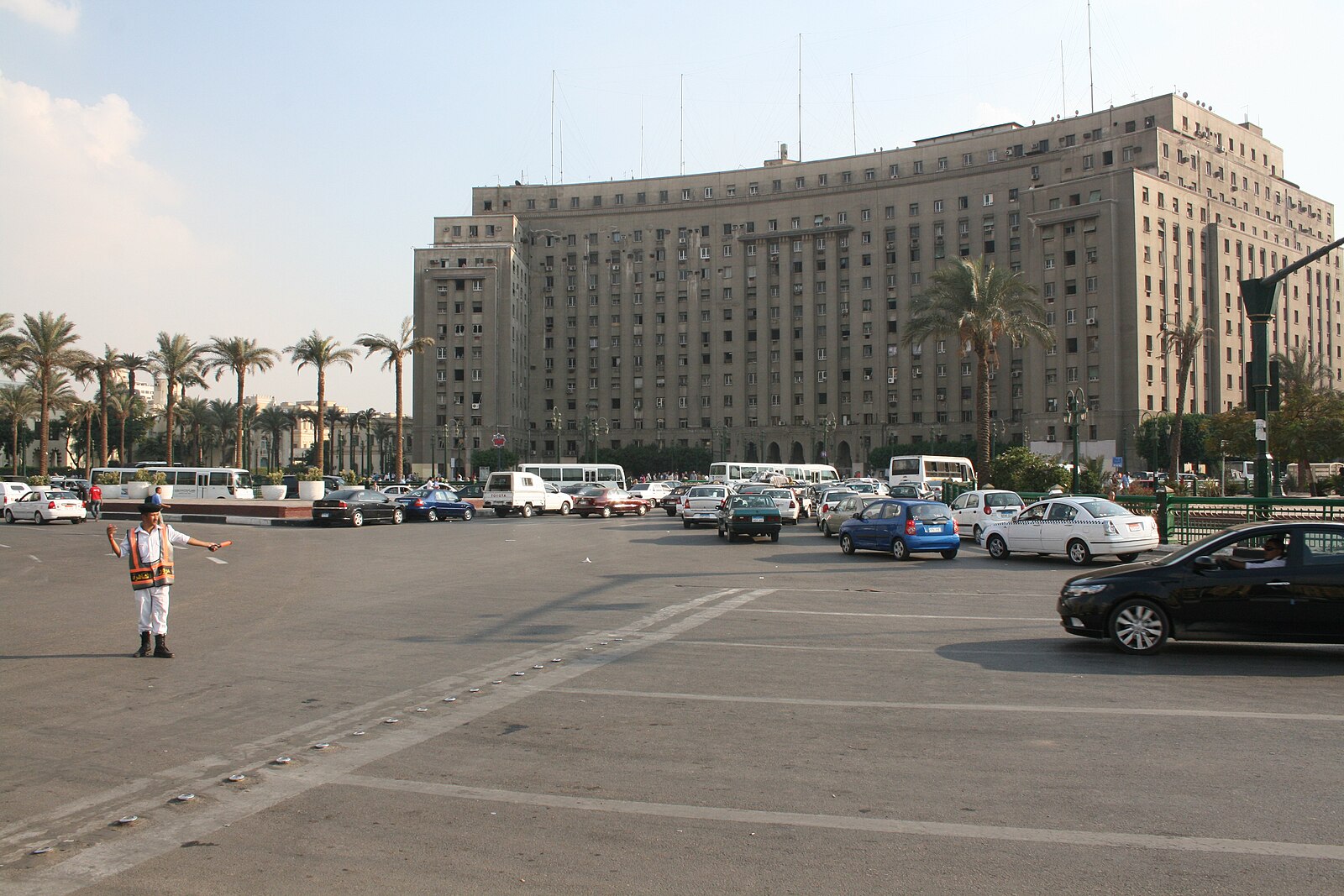
For decades the Mogamma building on Tahrir Square was the famous place to do this in Cairo. In July 2019 the administration moved its headquarters to Abbassia, and regional passport offices handle the same work.
The routine is physical and repetitive. You bring your passport, a form, photos and proof of address, pay at a counter and later collect a stamped extension.
Secondary guides describe extensions ranging from one month to about six months, depending on nationality, office and purpose. No official public table of lengths and fees exists, so expect variation between offices.
Work residence and the employer sponsor
Among Egypt residency visa requirements, the work route is the most tightly defined and depends on a job. An Egyptian employer, or a foreign company registered in Egypt, sponsors the work permit and the linked residence.
Professional advisers describe the work residence as usually valid for one year and renewed each year. Because the permit follows the job, losing or changing employers means restarting the paperwork.
Remote workers paid from abroad have no dedicated digital-nomad visa in Egypt. Many use tourist extensions for a while, then shift to property, deposit or family residence for longer stays.
Egypt residency visa requirements for property and bank deposits
Egypt grants renewable non-tourist residence to foreigners who own qualifying property or hold qualifying deposits in Egyptian banks. Under both routes, a larger investment generally brings a longer permit.
Lawyers and property firms quote property thresholds of roughly US$50,000 to US$200,000, linked to permits of one to five years. These figures come from secondary sources and have shifted over time, so no single official table can be cited here.
The deposit route works in a similar way. A foreign-currency deposit is kept in an Egyptian bank, and residence lasts while the money stays in place.
For both routes, funds usually must arrive from abroad in foreign currency through the banking system. Keep every transfer receipt, because the file must show where the money came from.
The retiree reality: no formal retirement visa
Egypt residency visa requirements contain no retirement category, unlike countries that set a pension-income test. Retirees must fit into an existing residence category.
In practice, long-stayers usually choose property residence, a bank deposit or a family link to an Egyptian spouse. Some rely on tourist extensions for years, but that status stays temporary and can be refused.
Foreign spouses of Egyptian citizens can apply for family residence, which advisers describe as renewable for up to five years. For mixed families it is often the steadiest route.
For a life lived here, the difference is real. A residence card makes banking, long leases and daily paperwork simpler than a string of tourist stamps.
Documents and the filing rhythm
Egypt residency visa requirements rest on a familiar paper set, whichever route you choose. Expect a passport, recent photos, a registered lease or title deed, and a bank letter or statement.
Property applicants usually add the registered purchase contract and proof that funds came from abroad. Work applicants add the employer’s sponsorship papers and the work permit.
Offices sometimes ask for extra items, such as a health check or security clearance. Bring originals and several copies, because requests vary between offices and over time.
Filing remains in person, with payment at the office and a second visit to collect the card. Plan for queues and for more than one trip.
Citizenship by investment: the framework since 2019
Law 190 of 2019 amended Egypt’s nationality law to let foreign investors apply for citizenship. Applications pass a government review that includes security checks before any decision.
The framework lists several channels, including buying property, investing in a business and placing a bank deposit. Payments must come from abroad in foreign currency.
In March 2023 the government lowered the entry points, reported at US$300,000 for state property and US$500,000 for bank deposits. Current amounts should be checked with the official unit, because they have changed before.
Citizenship by investment is a very different decision from residence. It suits a small group of investors, while most movers need only a renewable residence permit.
The currency layer: a managed float and foreign income

The pound has passed through several sharp adjustments, including the 2016 float and devaluations in 2022 and early 2023. On 6 March 2024 the Central Bank of Egypt moved to a market-determined rate.
That day the pound lost more than a third of its value, and it now trades at about 52.1 to the dollar. For residents with foreign income, a weaker pound makes local life cheaper, while local prices tend to catch up.
Foreign-currency shortages before 2024 made it hard to move money in and out. The flexible regime has eased that, but the history explains why investment routes insist on documented transfers from abroad.
No one can say where the pound will trade in a few years. A careful budget keeps a cushion for both inflation and exchange-rate moves.
Common pitfalls: overstays and the tourist-residence gap
Overstays are settled when you leave. The UK government warns that travellers whose visa has expired by more than 14 days may face a fine at departure.
The fine amount is not published in a clear official schedule, so it is best treated as unknown. Extending before expiry is simpler than paying at the airport.
The larger pitfall is treating tourist extensions as meeting Egypt residency visa requirements. Extensions are temporary permissions, and an office can shorten or refuse them.
Undocumented residents face a separate process. In September 2026 the cabinet gave them one more year to regularise, with a US$1,000 fee and papers from an Egyptian host.
How Egypt compares with Morocco and Turkey
Morocco lets many Western passport holders stay 90 days without a visa. Longer stays run through extensions and residence cards issued by the police.
Turkey lets many visitors stay 90 days in any 180-day period. Longer stays need a residence permit from the Presidency of Migration Management, applied for online.
Egypt residency visa requirements look heavier on paper than either alternative. Entry is cheap and easy, but long-stay residence is more paper-based and more tied to property, deposits or an employer.
For a mover with steady foreign income, all three can work. Egypt often costs less day to day, while its residence steps demand more patience in person.
What Is Not Known
Egypt residency visa requirements are becoming more digital at the border, but not yet inside the country. The QR-code arrival visa is a pilot, and no date has been set to retire paper stickers.
From 1 January 2027, a prime-ministerial decree adds a unified US$15 fee to entry and transit visas and some consular services. It comes on top of the base visa fee.
What is not known is just as important. Egypt does not publish one clear official schedule of residence fees, extension lengths or current investment thresholds.
The direction is toward higher fees and more documented money flows, with residence still built on paper files. Patient planning, and an early choice of category, still matter more than any single rule.
Connected Coverage
Egypt Raises Its Visa Levy to US$15, and the Real Price Is Higher
Egypt Replaces Visa Stamp with QR Code e-Visa in August
Is Egypt Safe for Expats — What the Road Data and the Advisory Maps Show
Sources: This guide draws on Egypt’s official e-visa portal, UK government travel advice for Egypt, Morocco and Turkey, Ahram Online, Egypt Independent, Egyptian Streets, Africanews, Andersen Egypt and iVisa.
Frequently Asked Questions
How much is an Egypt visa on arrival in 2026?
On 1 March 2026 the visa-on-arrival fee rose from US$25 to US$30. In late April the single-entry e-visa also moved to US$30, and the multiple-entry e-visa to US$65. Since 1 August 2026 Cairo International Airport has offered a digital visa on arrival with a QR code. It costs US$36, including a US$6 digital service fee.
How long can I stay in Egypt on a tourist visa?
The standard tourist stay is 30 days, and passports need at least six months of validity. Air arrivals at Sharm el-Sheikh can get a free 15-day stamp instead. That stamp covers Sharm el-Sheikh, Dahab, Nuweiba and Taba, but not Cairo, Luxor or the rest of the country.
Does Egypt have a retirement visa?
No. Egypt has no retirement category and sets no pension-income test. Retirees must fit an existing route, usually property, a bank deposit or a family link to an Egyptian spouse. Property thresholds quoted by lawyers run from roughly US$50,000 to US$200,000, and family residence is described as renewable for up to five years.
How much property do I need to buy for residence in Egypt?
Egypt grants renewable non-tourist residence to foreigners who own qualifying property. Lawyers and property firms quote thresholds of roughly US$50,000 to US$200,000, linked to permits of one to five years. Funds usually must arrive from abroad in foreign currency through the banking system. Keep every transfer receipt, because the file must show where the money came from.
What happens if I overstay my visa in Egypt?
Overstays are settled when you leave the country. The UK government warns that travellers whose visa has expired by more than 14 days may face a fine at departure. Extending before expiry is simpler than paying at the airport. From 1 January 2027 a decree also adds a unified US$15 fee on top of the base visa fee.
This article was produced by The Rio Times’ automated newsroom system. How we use AI · Report an error
Read More from The Rio Times