Buying Property in Egypt as a Foreigner 2026 — Rules, Costs and Getting Money Out
GUIDES · EGYPT
Key Facts
- —What it is A 1996 ownership law, eased since 2023, sitting on top of a registry most buyers never reach.
- —Who it’s for Foreigners wanting a home, a holiday base or a rental unit in Cairo or on the coast.
- —What it costs Registry fees are small and fixed by floor area — legal, agency and tax costs dominate.
- —Why it matters Egypt wants hard currency, so the rules reward money that arrives through a bank.
- —The catch Most Egyptian homes trade on contracts, not registered title, and foreigners usually cannot sell for five years.
Buying property in Egypt as a foreigner is legal and cheap to register — the hard parts are proving title and proving where the money came from.
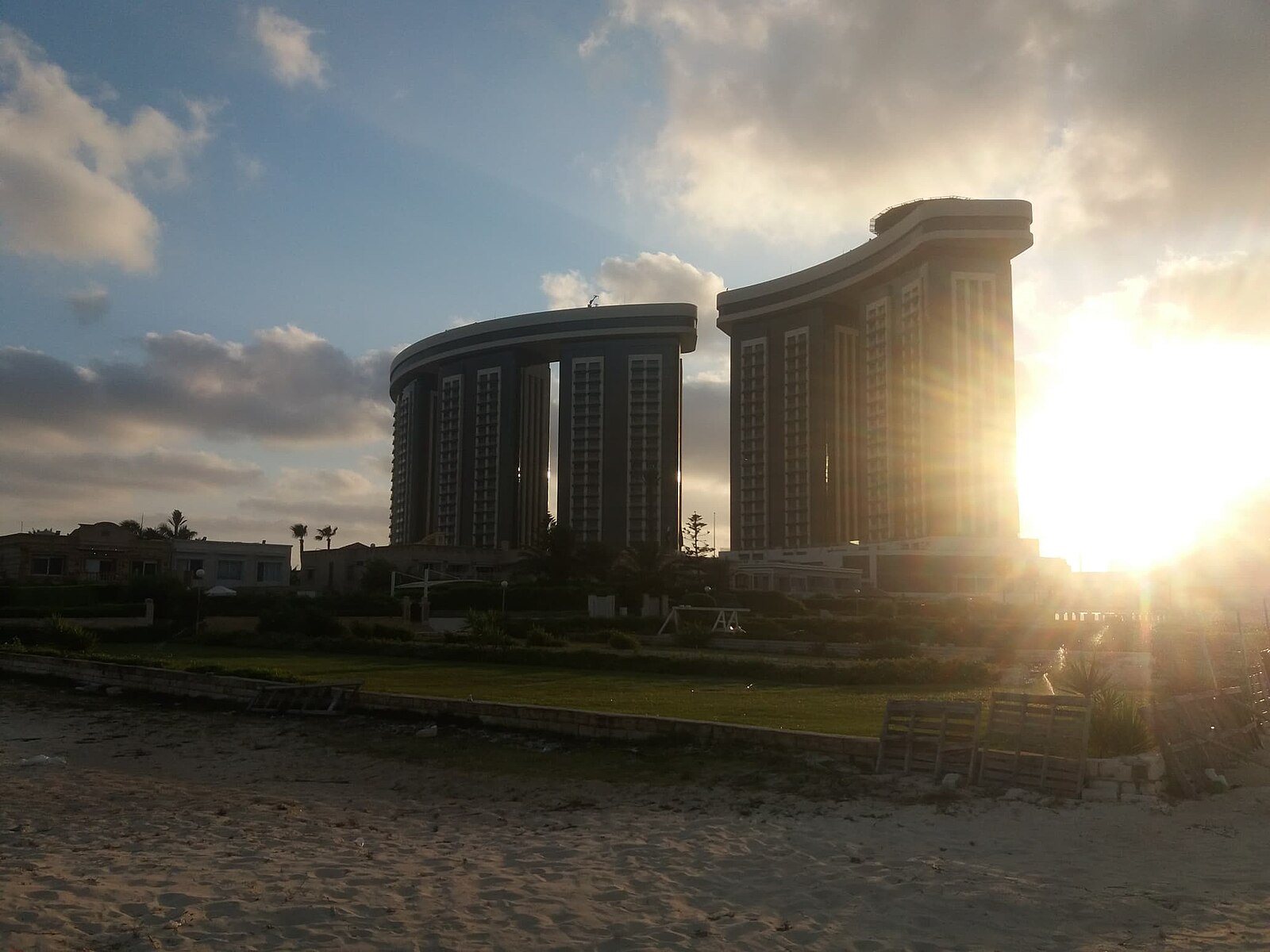
Buying property in Egypt as a foreigner is allowed under a law written in 1996, and eased by cabinet decisions since 2023. The two things that decide how well it goes are registration and the banking trail behind your money.
The law that sets the baseline
Buying property in Egypt as a foreigner runs mainly under Law 230 of 1996. It allows a non-Egyptian to own up to two properties, each no larger than 4,000 square metres.
The properties are meant for the owner and immediate family to live in. Buildings protected under the antiquities law are excluded altogether.
Two further rules bite. A foreign owner of undeveloped land must start building within five years of registration.
A foreigner may also sell only five years after registering ownership. The United States investment climate statement for Egypt notes that the prime minister can consent to an exemption.
What the 2023 and 2024 changes actually did
Buying property in Egypt as a foreigner became easier in 2023, because the state needed hard currency. Cabinet Decision 3562 of 2023 removed the cap on the number of units a foreigner may own.
The condition is that the purchase is paid in foreign currency sent from abroad. The same decision also made it easier to notarise contracts in state-supervised projects.
The statute itself still reads two properties and 4,000 square metres. Practitioners differ on how far a cabinet decision can stretch a written law.
That gap is the clearest open question in the whole file. Treat the old limits as live until your lawyer confirms in writing that your purchase falls outside them.
Registration, and why most homes never get there
Ownership passes on registration at the real-estate registry, the shahr al-aqari. It does not pass on the contract, the final payment or the keys.
Most Egyptian homes nonetheless change hands on contracts alone. A private contract binds the seller to you, but it does not bind the rest of the world.
Between the two sits a court judgment of validity and enforcement. It is stronger than a bare contract and weaker than registration, and it is common in the resale market.
The cost of stopping short shows up later. Buying property in Egypt as a foreigner without registration complicates resale, inheritance, lending and any claim against third parties.
Law 9 of 2022 tried to unblock the queue. It simplified proof of ownership and cut the old rule that forced buyers to pay the disposal tax before they could register.
What buying property in Egypt as a foreigner costs
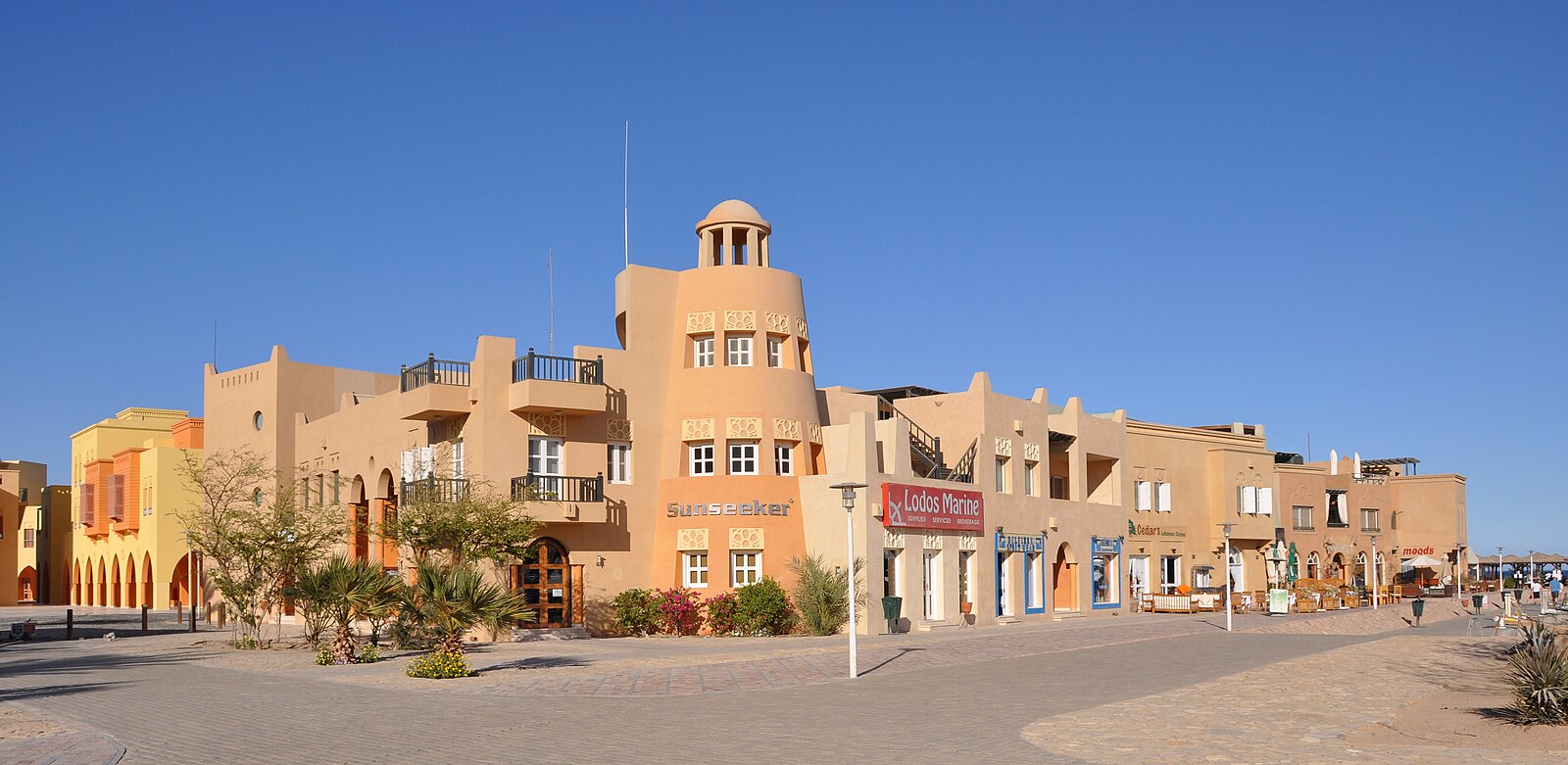
Buying property in Egypt as a foreigner is unusually cheap at the state counter. Egypt moved the registry fee from a percentage of the price to a fixed scale based on floor area.
Egyptian press reporting on the reform set it at 500 pounds (about US$10) for units up to 100 square metres. The top band was 2,000 pounds (about US$38) above 300 square metres.
All figures here use exchange rates of 21 September 2026, when the pound traded near 52 to the dollar. Egypt publishes no single consolidated tariff online, and agency guides quote caps we could not match to an official text.
Ask the registry office handling your file for the current scale. The larger numbers sit in legal fees, agency commission, survey work and developer charges.
On the way out, Egypt levies a 2.5% tax on the disposal value of built property or building land. It is charged on the whole price rather than the profit, and the seller owes it.
Sinai, farmland and the places closed to foreigners
Buying property in Egypt as a foreigner is not allowed everywhere. Sinai is a separate legal world, and Law 14 of 2012 restricts ownership there to Egyptians holding no other nationality.
Foreigners can hold usufruct instead — a registered right to use the property for a fixed term. The implementing rules allow up to 50 years for residential units.
Sharm el-Sheikh, Dahab and the Gulf of Aqaba sector were carved out by a 2022 presidential decree. Ownership there still belongs to Egyptians, with usufruct on state land running up to 75 years.
Every Sinai deal also needs clearance from the defence ministry, the interior ministry and general intelligence. Military zones, border strips, Red Sea islands, protected areas and archaeological sites are closed outright.
Agricultural land is barred to foreigners under Law 15 of 1963. The ban covers full ownership, bare ownership and usufruct alike.
Desert land runs under Law 143 of 1981, which Law 11 of 2024 amended in February 2024. A foreign investor may now own desert land needed to run or expand a business under the investment law.
The currency rule and the trail that gets money out
This is the part most buyers underestimate. Buying property in Egypt as a foreigner now requires proof that the price came from abroad in foreign currency.
The rule took effect on 26 March 2024, under Circular 41 issued the day before by the real-estate registration authority. The money must reach a bank authorised by the Central Bank of Egypt.
If the contract is priced in Egyptian pounds, the payment must still be made in foreign currency at the prevailing rate. If it is priced in foreign currency, the central bank must approve the sale first.
Ask your Egyptian bank for a written certificate of the inward transfer, and keep it. That certificate is what lets you take sale or rental proceeds out again in hard currency.
Investment Law 72 of 2017 guarantees transfer of invested funds abroad through banks registered with the central bank. The guarantee is only as good as the paperwork behind it.
Egypt floated the pound on 6 March 2024, and it has traded far weaker since. Money that entered outside the banking system may only come out in pounds, at whatever rate applies then.
Where foreign buyers actually look
Buying property in Egypt as a foreigner clusters in a handful of places. Cairo’s foreign demand concentrates east of the city, in New Cairo and the compounds around it.
Buyers there want newer stock, cleaner paperwork and an easier resale. Sheikh Zayed and 6th of October cover the western side, leaning towards villas and upper-middle apartments.
The North Coast is a summer market with a long off-season. Prices lean on the resort brand and on completion, which makes it the most speculative tier.
Hurghada and El Gouna sit on the Red Sea mainland, under the ordinary rules, and draw holiday and rental buyers. Sharm el-Sheikh looks similar in a brochure but is legally quite different.
That distinction matters more than any price list. Ask which side of the Gulf of Suez your project stands on.
Off-plan purchases and delivery risk
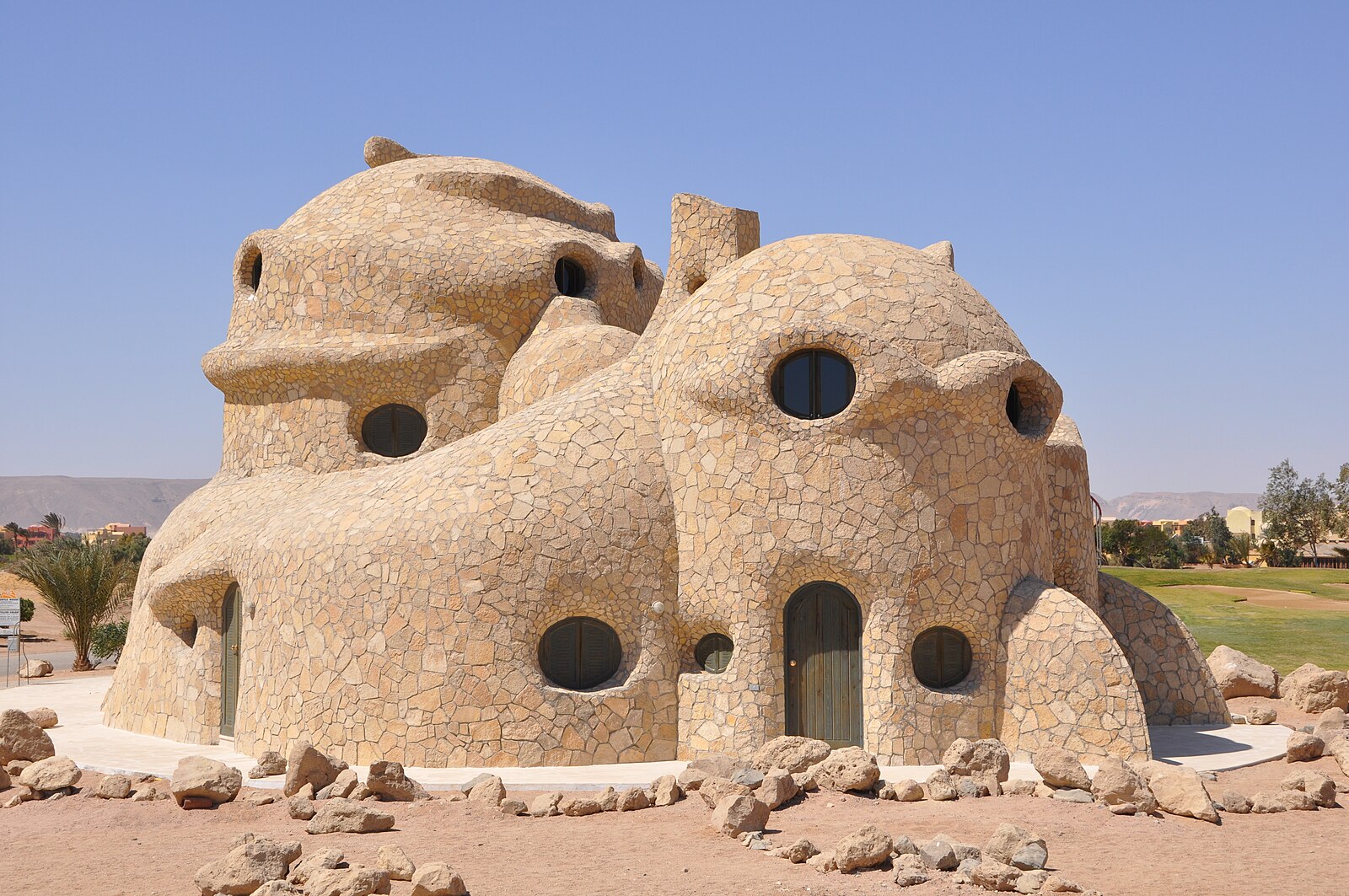
Much of the new-build market sells off-plan, funded by buyer instalments during construction. Delivery dates slip, specifications change and after-sales service varies widely.
The government said on 3 September 2026 that it was preparing a law to regulate developers. The text had not been published when this guide was written, so its protections are not yet law.
Until then the contract is your only protection. Insist on a dated handover schedule, a penalty for late delivery and proof of the developer’s land title and permits.
Marketing material is a sales document. It is not evidence of title, permits or a delivery date.
Residence, rent and tax
Buying property in Egypt as a foreigner can support a renewable residence permit, tied to the value you own. Reporting on the 2023 interior ministry decision sets the bands at US$50,000, US$100,000 and US$200,000.
Those bands carry one, three and five years respectively, renewable while you hold the property. The permit is not permanent residence, and it lapses if you sell.
It is a support, not a guarantee. The file must still be accepted, and the payment trail must match.
Holding a property attracts annual real-estate tax at 10% of net annual rental value. Law 3 of 2026 raised the exemption for a main home to 100,000 pounds (about US$1,900) of annual rental value.
Rental income is taxed separately as income, and the treatment depends on your residence status. Our Egypt tax guide covers the brackets and the filing calendar.
How Egypt compares with Morocco and Turkey
All three countries want foreign money, and all three police how it arrives. Morocco ties repatriation to a documented foreign-currency transfer, and Turkey requires a foreign exchange purchase certificate.
On ownership, Morocco is the simplest of the three. A foreigner may buy urban residential and commercial property freely, with agricultural land the main exception.
Turkey allows freehold up to 30 hectares per person, capped at 10% of any district, with military zones closed. Its citizenship route needs a purchase of US$400,000 held for three years.
Egypt sits between them on price and below them on ease. Entry prices are lower, the registry fee is trivial, and the legal and currency work is heavier.
The direction of travel in Egypt has been towards opening since 2023, not closing. It has also been towards tighter proof of where the money came from.
What this means if you are deciding
For most readers this is a five-year decision, not a trade. The disposal restriction, the top residence band and the practical registration timetable all run to roughly that length.
Buying property in Egypt as a foreigner works well for a home and a base. It works less well as a liquid asset priced in dollars.
What is not settled is how far the 2023 easing reaches, and what the coming developer law will require. Neither question has a published answer today.
So buy the paperwork, not the view. A registered title and a clean bank trail are what you will actually own in five years.
Connected Coverage
Egypt Residency Visa 2026 — Entry, Extensions, Long-Stay Routes
Taxes in Egypt for Expats 2026 — Residence, Income and Property
Healthcare in Egypt: Insurance Phase Two Opens in Minya, Foreign Residents Still Outside
Frequently Asked Questions
Frequently Asked Questions
Can a foreigner own property in Egypt in 2026?
Yes. Law 230 of 1996 lets a non-Egyptian own up to two properties for residential use, each up to 4,000 square metres. Cabinet Decision 3562 of 2023 removed the cap on the number of units where the price is paid in foreign currency from abroad. The statute itself still carries the old limits, so confirm your own position with a lawyer.
Why do so many Egyptian properties stay unregistered?
Registration at the real-estate registry has long been slow, costly and document-heavy, so most homes trade on contracts instead. A contract binds the seller to you, but only registration gives title that holds against everyone else. Law 9 of 2022 simplified proof of ownership and removed the rule that forced buyers to pay the disposal tax before registering.
How much does registering a property in Egypt cost?
Less than most buyers expect. Egypt replaced the old percentage fee with a fixed scale based on floor area, reported at 500 pounds (about US$10) for units up to 100 square metres and 2,000 pounds (about US$38) above 300 square metres. Egypt publishes no single consolidated tariff online, so confirm the current figure at the registry office handling your file.
Can a foreigner buy in Sharm el-Sheikh?
Not as freehold. Law 14 of 2012 reserves ownership of land and buildings in Sinai for Egyptians who hold no other nationality. A 2022 presidential decree treats Sharm el-Sheikh, Dahab and the Gulf of Aqaba sector separately, but ownership there still belongs to Egyptians. Foreigners are offered usufruct, a long-term right to use, subject to security clearance.
How do I get my money out of Egypt again?
Through the same channel it came in. Since 26 March 2024 a foreign buyer must show the purchase price was transferred from abroad in foreign currency to a bank authorised by the Central Bank of Egypt. Keep the bank’s certificate of that inward transfer, because it is the evidence that supports repatriating sale or rental proceeds later. Investment Law 72 of 2017 guarantees transfer abroad through registered banks, but the guarantee depends on the documents.
Does buying property give me residency in Egypt?
It can support an application, but it is not automatic. Reporting on the 2023 interior ministry decision ties renewable permits of one, three and five years to property values of US$50,000, US$100,000 and US$200,000. The property must be registered and the money must be traceable through the banking system. The permit is never permanent and it lapses when you sell.
Sources: Rules and figures come from the General Authority for Investment and Free Zones, the United States investment climate statement for Egypt, the PwC Egypt tax summary, an Egyptian legal translation of the Sinai development law, Egyptian law-firm analysis of the 2024 hard-currency circular, Al-Ahram reporting on the 2023 cabinet decision and on registration fees, the official Turkish investment guide and a Morocco real-estate law guide.
- gafi.gov.eg
- 2021-2025.state.gov
- taxsummaries.pwc.com
- eg.andersen.com
- adsero.me
- english.ahram.org.eg
- english.ahram.org.eg
- invest.gov.tr
This article was produced by The Rio Times’ automated newsroom system. How we use AI · Report an error
Read More from The Rio Times