Egypt Raises Its Visa Levy to US$15, and the Real Price Is Higher
EGYPT · TRAVEL
Key Facts
The change: Egypt will raise a statutory levy applied to entry and transit visas and to overseas consular services to US$15 from 1 January 2027. That is a 25% increase on the US$12 rate introduced this year.
The instrument: Prime Minister Mostafa Madbouly’s Decree No. 2553 of 2026 sets the charge at US$15, or its equivalent in foreign currency.
Where it applies: It covers entry and transit visas processed at Egyptian ports of entry, and visas and consular services handled by Egyptian embassies and consulates abroad.
The headroom: The underlying legal framework, amended in 2025, allows the government to set the charge at up to US$20. The new figure sits below that ceiling.
What it is not: This is not the total tourist visa price. Egypt’s official e-Visa platform currently lists tourism visas at US$30 for single entry and US$65 for multiple entry.
Still unanswered: Authorities have not announced revised traveller-facing visa prices for 2027, nor explained how the higher levy will be folded into e-visa and visa-on-arrival charges.
The other half of the policy: Egypt launched a digital visa-on-arrival pilot at Cairo International Airport on 1 August, using QR-based processing through online, mobile and airport channels, ahead of a wider rollout.
The Egypt visa levy rises to US$15 from 1 January 2027, a 25% increase on the US$12 rate introduced this year, under a decree signed by Prime Minister Mostafa Madbouly. It is a statutory charge folded into visa and consular pricing, not the price of the visa itself.
What the Egypt visa levy actually is
Decree No. 2553 of 2026 sets the charge at US$15, or its equivalent in foreign currency. It applies to entry and transit visas processed by Egyptian authorities at ports of entry.
It also applies to visas and consular services handled by Egyptian embassies and consulates abroad. That second category is the one most expatriates encounter, since it covers routine document work as well as travel.
The increase is US$3 on the US$12 levy that took effect on 1 January 2026. The legal framework, amended in 2025, permits a charge of up to US$20, so there is headroom for further rises.
Why the headline figure understates the cost
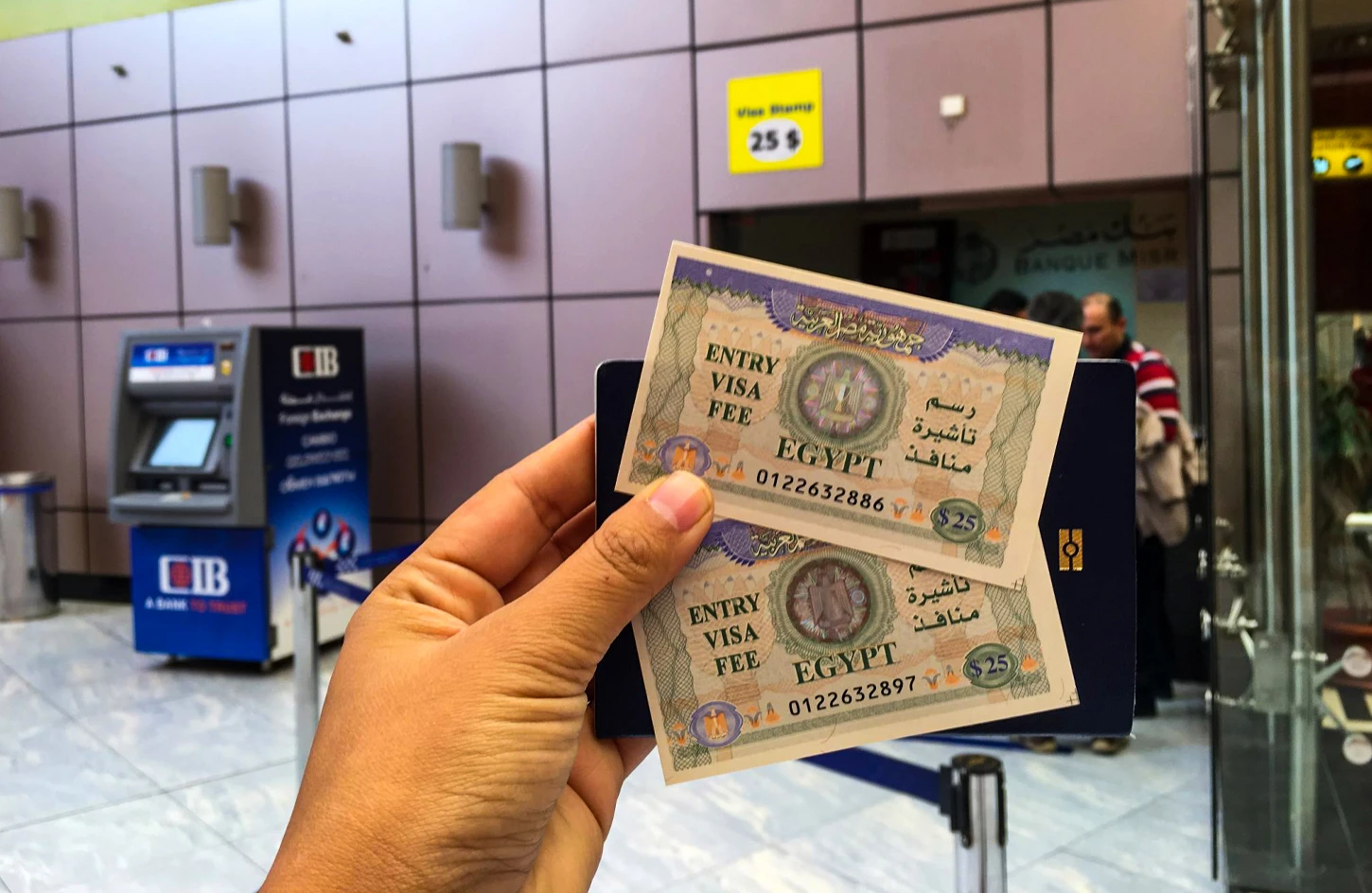
A US$15 levy is not a US$15 visa. Egypt’s official e-Visa platform currently lists tourism visas at US$30 for a single entry and US$65 for multiple entry, and the Ministry of Interior confirms the same US$30 for a visa on arrival.
Nor is the levy a brand-new charge stacked on top. The same levy already exists at US$12, and travellers today pay US$30 for a visa on arrival, not US$42. The decree therefore raises an existing embedded charge by US$3 rather than adding US$15 to anyone’s bill.
What has not been announced is how much of that US$3 will show up in the price travellers actually pay from January. The government has not published revised traveller-facing visa prices for 2027, nor explained how the higher levy will be incorporated into e-visa and visa-on-arrival charges.
The levy itself has a specific purpose. Under the legal framework updated as Law No. 175 of 2025, it helps finance Egypt’s Foreign Ministry buildings and missions abroad, and the law lets the prime minister set it at up to US$20.
The friction is going down while the price goes up
This is the second price movement of the year. On 1 March 2026 Egypt raised the single-entry tourist visa on arrival from US$25 to US$30, and in April the official e-Visa followed, moving to US$30 for single entry and US$65 for multiple entry.
On 1 August, Egypt launched a digital visa-on-arrival pilot at Cairo International Airport. Eligible travellers pay online or on arrival, receive a QR code and show it at passport control. The service currently costs US$36, being the US$30 visa plus a US$6 processing fee, and is expected to roll out gradually to other airports and ports.
That pairing is deliberate. The state is charging more while making the process faster, which is a familiar trade in tourism-dependent economies.
Whether travellers accept the trade depends on how visible the increase is at the point of purchase. A charge folded into a single e-visa price is felt differently from one added at a desk.
What it means if you travel to or live in Egypt
For short visits, the practical effect is small in absolute terms. Three dollars will not change anyone’s holiday plans.
For people who use consular services regularly, the cumulative effect is more noticeable. The levy applies to consular work at embassies and consulates, not only to tourist entry.
The date to plan around is 1 January 2027. Anything processed before then falls under the current US$12 rate.
Why states reach for levies like this
A charge attached to visas and consular services is administratively simple. It requires no new collection machinery and falls on people who are already paying something.
It is also foreign currency. For a government that has spent two years rebuilding reserves, a dollar-denominated fee at the border has an appeal beyond its size.
The ceiling of US$20 in the amended framework is the number to remember. It tells you how much further this particular lever can be pulled without new legislation.
The wider tourism strategy is what the levy sits inside. Egypt has been pushing visitor numbers hard, and pricing at the border is one of the few levers it controls directly.
The commercial question for the industry
Airlines and tour operators price packages well ahead of departure, so an announced increase that has not yet been translated into headline visa prices is awkward. They need the final number sooner than travellers do.
Egypt has been pushing hard on visitor volumes, and the Red Sea and Nile itineraries compete on total cost. A visible increase is a marketing problem even when the amount is trivial.
This is general information rather than travel or legal advice, and official fees change. The Egyptian government’s own published schedules are the authority, and readers should check them before booking.
Background: our egypt growth outlook cut 5 percent inflation delays rate cuts guide.
Background: our usd brl outlook real focus guide.
More: Egypt news in English, every day from The Rio Times.
Frequently Asked Questions
How much is Egypt’s visa levy rising?
From US$12 to US$15, a 25% increase, effective 1 January 2027 under Prime Minister Mostafa Madbouly’s Decree No. 2553 of 2026.
Is US$15 the price of an Egyptian tourist visa?
No. Egypt’s official e-Visa platform currently lists tourism visas at US$30 for single entry and US$65 for multiple entry. The levy already exists inside today’s prices at US$12, and the decree raises it by US$3; whether headline visa prices change in 2027 has not been announced.
What does the levy apply to?
Entry and transit visas processed at Egyptian ports of entry, and visas and consular services handled by Egyptian embassies and consulates abroad.
Could it rise further?
The legal framework amended in 2025 allows the government to set the charge at up to US$20, so the new figure sits below the permitted ceiling.
Is Egypt changing how visas are issued?
Yes. A digital visa-on-arrival pilot launched at Cairo International Airport on 1 August, using QR-based processing ahead of a wider rollout.
Connected Coverage
More from our Northern Africa desk and the wider Africa: The New Scramble. Egypt’s markets reforms are covered in the new short-selling rules on the EGX, and the region’s diplomacy in the Egypt, Algeria and Tunisia push on Libya.
Sources
- visasnews.com (Decree No. 2553 of 2026, Official Gazette 20 August 2026)
- visa2egypt.gov.eg (official e-Visa portal fee schedule)
This article was produced by The Rio Times’ automated newsroom system. How we use AI · Report an error · Editorial responsibility: Matthias Camenzind, Editor-in-Chief