Congo’s National Dialogue Gets an Organising Committee Appointed Entirely by the President
DR CONGO · POLITICS
Key Facts
- —What happened A presidential ordinance of 13 September 2026 created the organising committee for Congo’s national dialogue.
- —Who appoints it The coordinator, deputy coordinator and all members are appointed by the head of state.
- —The support body An eleven-expert technical secretariat is also designated by the presidency.
- —The process Consultations in all 26 provinces, followed by national assemblies in Kinshasa, over a maximum of three months.
- —Who is excluded Armed groups considered to be backed by foreign interests, including the AFC and M23.
- —The objection Critics say a committee appointed entirely by one office cannot convene a national dialogue.
A committee, a technical secretariat and eleven experts, all named by the same office.
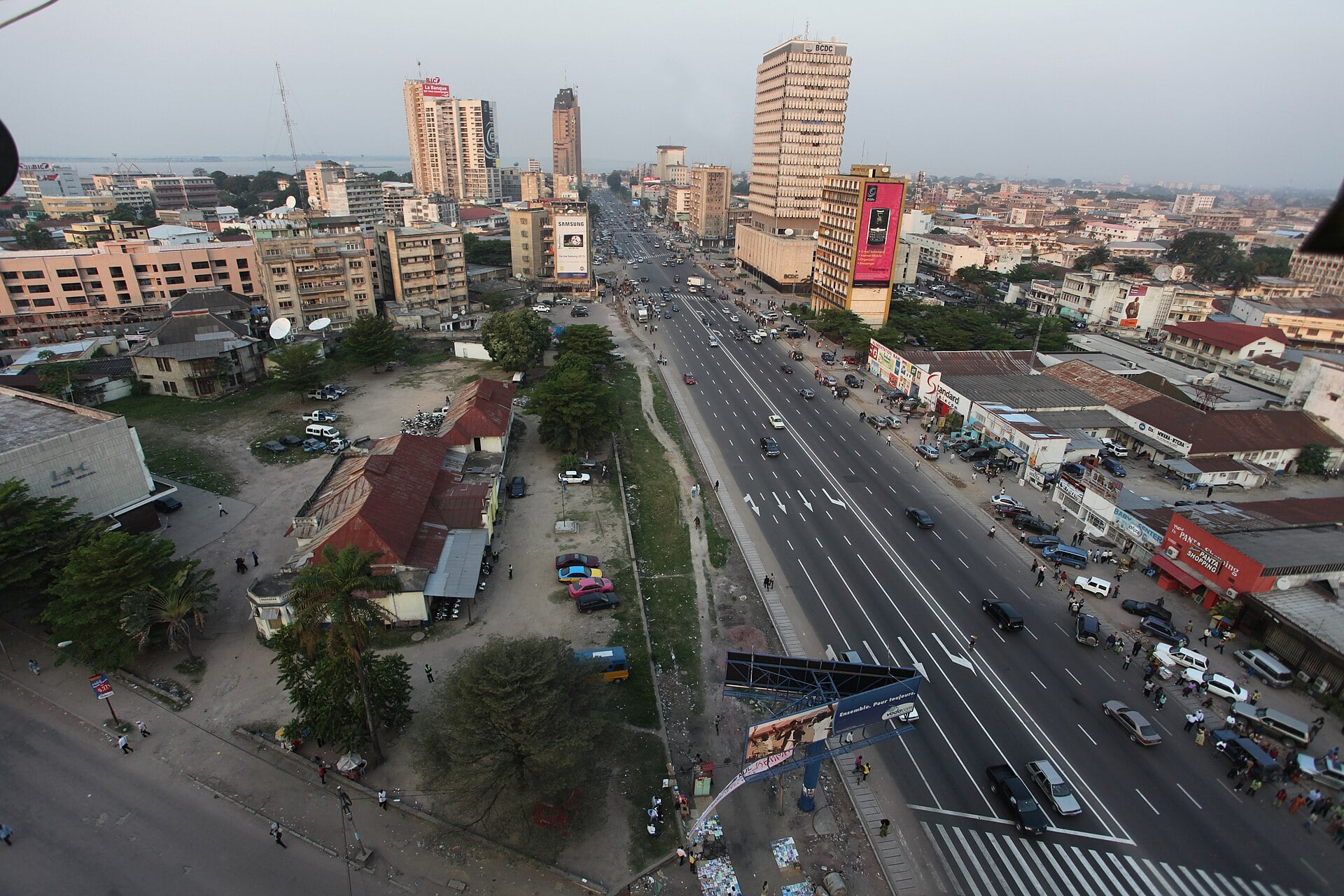
A presidential ordinance of 13 September 2026 created the preliminary organising committee for the Democratic Republic of Congo’s national dialogue. Its coordinator, deputy coordinator and members are all appointed by the head of state.
What the Ordinance Does
The ordinance of 13 September 2026 establishes a preliminary organising committee under the direct authority of the head of state. Its coordinator, deputy coordinator and members are all presidentially appointed.
An eleven-expert technical secretariat supports it, also designated by the presidency. The structure was contested publicly within a day of its publication.
What the Dialogue Is
The process is formally titled the national dialogue for peace, cohesion and the refounding of the state. President Felix Tshisekedi announced it on 27 August 2026.
It provides for consultations in all 26 provinces, followed by national assemblies in Kinshasa. The whole process is capped at three months.
Who Is Not Invited
Armed groups considered to be backed by foreign interests are excluded, including the AFC and M23. Tshisekedi has said the Doha process remains the appropriate framework for dealing with them.
That draws a firm line between a domestic political conversation and an armed conflict negotiation. Whether the two can be kept separate is the central question critics raise.
The Objection to the Structure
Emery Okundji of FONUS, part of the Coalition Article 64, has objected to the committee’s composition. Jean-Claude Katende, president of the rights organisation ASADHO, has said the country is going in a bad direction.
The Kabila-aligned movement Sauvons la RDC has also objected. The common argument is that a body appointed by one office cannot convene a national conversation.
What One Civil Society Group Is Asking For
The public expenditure observatory ODEP set out its position on 14 September 2026. It wants the AFC and M23 at the table without granting them political legitimacy.
It also refuses committee members drawn from the governing coalition and demands independent facilitators. It urges that the process be modelled on Congo’s sovereign national conference.
That conference is the country’s reference point for an inclusive constitutional process. It was held in the early 1990s.
Where the Church Sits
On 16 September the Catholic bishops’ conference, through its justice and peace commission, hosted a panel on the conditions for the dialogue. Government spokesman Patrick Muyaya sat alongside the opposition figure Martin Fayulu and the former minister Marie-Ange Mushobekwa.
Convening government and opposition at one table is the church’s traditional role in Congolese politics. The panel discussed conditions rather than endorsing or rejecting the process.
A Claim We Are Not Repeating
A statement attributed to the bishops’ conference criticising the dialogue has circulated widely. Fact-checkers have established that the video dates from June 2026 and concerns a proposed constitutional change rather than the dialogue.
We are flagging it because it has shaped much of the coverage. The bishops’ conference has not issued the criticism being attributed to it.
Why the Composition Question Is Not Procedural
A dialogue’s legitimacy rests on who convenes it as much as on who attends. Participants who believe the outcome is predetermined tend not to come.
That is the practical risk of an entirely presidential appointment. Empty chairs are what turns a national dialogue into a government consultation.
What It Means for People in Congo
For citizens in the 26 provinces, the consultations are the stage they would encounter. No schedule for them has been published.
For anyone in the east, the exclusion of the armed groups means this process does not address the conflict there. That remains with the Doha track.
What Is Not Yet Known
The committee’s members have not been listed publicly. No start date for the provincial consultations has been announced.
It is also unclear whether any of the objecting parties will take part. None has formally declined.
What to Watch
Whether opposition parties agree to participate. That is the test of whether the three-month process can begin at all.
Watch also for any revision of the committee’s composition. Adjusting it is the most obvious way to answer the objection.
More: Africa news and analysis, every day from The Rio Times.
Frequently Asked Questions
What did the ordinance do?
It created the preliminary organising committee for Congo’s national dialogue on 13 September 2026.
Who appoints the committee?
The head of state appoints the coordinator, deputy coordinator and all members, as well as an eleven-expert technical secretariat.
How will the dialogue run?
Consultations in all 26 provinces, then national assemblies in Kinshasa, over a maximum of three months.
Who is excluded?
Armed groups considered backed by foreign interests, including the AFC and M23.
Where are those groups dealt with?
Through the Doha process, according to President Tshisekedi.
Has the Catholic bishops’ conference criticised the dialogue?
No. A widely shared statement attributed to it dates from June 2026 and concerns a proposed constitutional change.
Sources: Presidential ordinance of 13 September 2026 and Congolese press reporting, 14 to 17 September 2026; ODEP statement of 14 September 2026; Balobaki Check verification of the attributed bishops’ conference statement.
This article was produced by The Rio Times’ automated newsroom system. How we use AI · Report an error
Read More from The Rio Times