Tshisekedi Signs the Ordinance Creating His Dialogue Committee
DR CONGO · POLITICS
Key Facts
- —The step President Félix Tshisekedi signed an ordinance on 13 September 2026 creating an organising committee for a national dialogue.
- —Announced by Presidential spokesperson Tina Salama, on state broadcaster RTNC.
- —The structure A coordinator, deputy coordinator and members, all designated by the president, plus an eleven-expert technical secretariat.
- —The mandate It ends when the committee reports, which is to trigger a second ordinance convening the dialogue.
- —The exclusion Armed groups are not invited. Consultations covered 26 provinces over no more than three months.
- —The opposition The Coalition Article 64 rejected the initiative on 28 August and has called a march on 15 September.
A dialogue whose organising committee is appointed entirely by the president is a particular kind of dialogue, and the opposition has already said so.

President Félix Tshisekedi signed an ordinance on Sunday creating the committee that will organise a national dialogue on peace and the refounding of the Congolese state, a day before an opposition coalition marches against it.
What the Ordinance Does
Presidential spokesperson Tina Salama announced the signature on the national broadcaster RTNC. The text establishes a preliminary organising committee charged with putting in place the preparatory commission for the national dialogue for peace, cohesion and the refounding of the state.
The committee is to have a coordinator, a deputy coordinator and members, all designated by the president, supported by a technical secretariat of eleven experts. The president may co-opt further expertise as he judges necessary.
Its mandate ends when it submits its report, which is to trigger a second ordinance formally convening the dialogue.
What Was Announced in August
Tshisekedi called for the dialogue on Thursday 27 August 2026. Consultations are to run across all 26 provinces over a period of no more than three months.
Armed groups are excluded. That decision separates this exercise from the negotiation tracks running in parallel and defines it as a domestic political process rather than a conflict settlement.
The Opposition Position
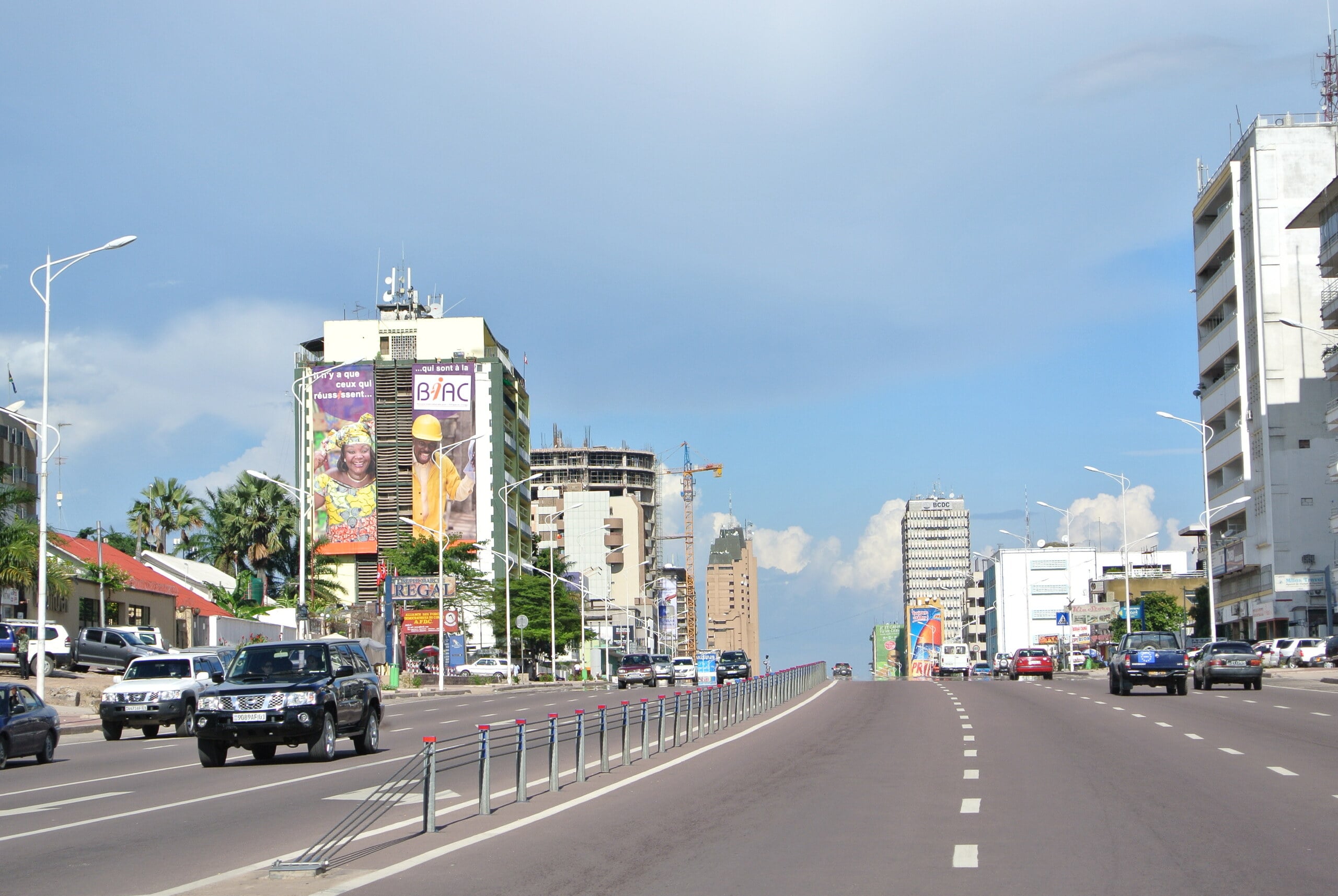
The Coalition Article 64, known as C64, rejected the initiative outright on 28 August in a joint declaration read in Kinshasa by Martin Fayulu, who called it categorically unacceptable and dismissed the exercise as so-called popular consultations.
The coalition has maintained a nationwide march for 15 September, converging in Kinshasa on the Palais du Peuple, the seat of parliament. Franklin Tshamala, secretary-general of LGD and a C64 member, confirmed the date after the coalition’s presidents’ conference on 3 September.
Organisers in Kinshasa have notified the authorities. In Lubumbashi the mayor has banned the march and the coalition says it will proceed regardless. A pro-government youth group has called a counter-march for the same day.
The Constitutional Question Underneath
A bill adopted in June 2026 would allow constitutional changes to be put to a referendum. The Constitutional Court validated it as compliant, with reservations on certain articles, on 28 July 2026.
The constitution’s two-term limit is entrenched and has not been changed. Tshisekedi said in May 2026 that he had not sought a third term but would accept one if the people requested it, which is why any presidentially convened dialogue is read through that lens.
Tshisekedi has been president since January 2019 and was sworn in for a second term in January 2024. The term expires in December 2028.
The Tracks This Is Not
Two separate negotiations are running alongside it and are frequently conflated. The Washington accords, signed at leader level in December 2025 under United States auspices, address relations between Kinshasa and Kigali.
The Doha framework, adopted in November 2025 under Qatari mediation, covers Kinshasa and the AFC and M23 movement. It has produced two of eight protocols, on ceasefire oversight and detainee release, with delegations meeting in Geneva in September.
Kinshasa signed a protocol on disarmament, demobilisation and cantonment of the FDLR on 28 July 2026, which Kigali rejects as negotiation rather than neutralisation. On 13 August the International Contact Group urged Kinshasa to produce an operational plan and a realistic timeline.
What to Watch
Who is named as coordinator is the first indication of what the dialogue is for. A figure drawn from outside the presidential majority would signal one intention; one from inside it would signal another.
The second is 15 September itself. A banned march in Lubumbashi and a counter-march in Kinshasa on the same day is the kind of arrangement that produces confrontations.
More: Africa news in English, every day from The Rio Times.
Frequently Asked Questions
What did Tshisekedi sign?
An ordinance on 13 September 2026 creating a preliminary committee to organise a national dialogue.
Who appoints the committee?
The president designates the coordinator, deputy coordinator and all members.
Are armed groups included?
No. They are excluded from the dialogue.
What does the opposition say?
The Coalition Article 64 rejected the initiative on 28 August and has called a nationwide march for 15 September.
Is this the peace process?
No. The Washington track with Rwanda and the Doha track with AFC and M23 are separate negotiations.
Sources: Radio Okapi, Actualite.cd, Reuters, MediaCongo, Security Council Report.
This article was produced by The Rio Times’ automated newsroom system. How we use AI · Report an error
Read More from The Rio Times